What Is Included in the Annapurna Circuit Trek Cost?
The Annapurna Circuit Trek Price mostly covers the primary elements required to complete the expedition safely, successfully and comfortably through Nepal's beautiful central Himalaya. While incorporation may vary depending on whether you trek solo or with an agency most price structures revolve around the same core components.
First, mandatory permits and paperwork are included in the overall budget and it is the legal obligation you need to follow to enter the Annapurna region. These are normally the first things processed by your trekking agency such as Nepal Nomad or individual guide. Professional staff is another key inclusion. Under 2026 regulations implemented by Nepal government, a licensed guide for every international tourist is a must and their cost includes more than just their tme.You are responsible to pay their daily wages, staff insurance, staff logistics and porter services.
Similarly, foods, beverages and accommodation form a significant portion of the Annapurna Circuit Trek Budget. Most standard packages include, three meals (breakfast, lunch, dinner) a day, tea and coffee and seasonal fruit desserts, three or five star hotel stay in Kathmandu/Pokhara and teahouses during the trail. Also, ground and air transportation significantly changes the numbers of your budget. The drive from Kathmandu to Besisahar, Nadi Bazaar, via local bus or private jeep, Jomsom to Pokhara flight and Pokhara to KTM flight are included in the overall budget.
Emergency and safety equipment like first aid kit, oximeter (to check your oxygen), a physical trekking map and trekking gears namely down jackets, trekking boots, sleeping bag, duffel bag also factored into the total cost.
Together these factors form a balanced and flexible cost structure for you to make your Annapurna circuit trekking experience more comfortable and budget friendly without compromising the essence of the adventure.
Annapurna Circuit Trek Budget- Permits and Fees Costs for International Trekkers
For international tekkers, understanding the official fees and permits cost is an essential part of planning the Annapurna Circuit Trek Budget. As solo trekking is no longer permitted in this region because of high risk of accidents, altitude sickness, or getting lost, sometimes even requiring costly and difficult rescue operations, to enter the Annapurna circuit you must have a specific set of government permits which you can get through your tour guide or your travel agency.
The first permit, ACAP (Annapurna Conservation Area Permit) is needed to enter Annapurna Conservation Area, the largest protected area in Nepal. The funds , NPR 3, 000 (USD $23) per person are used for local environmental conservation and trail maintenance. This is a single entry permit and once you exit after the trip, you need another permit to enter. It is valid till you are within the Annapurna region as there is no specific daily expiration.
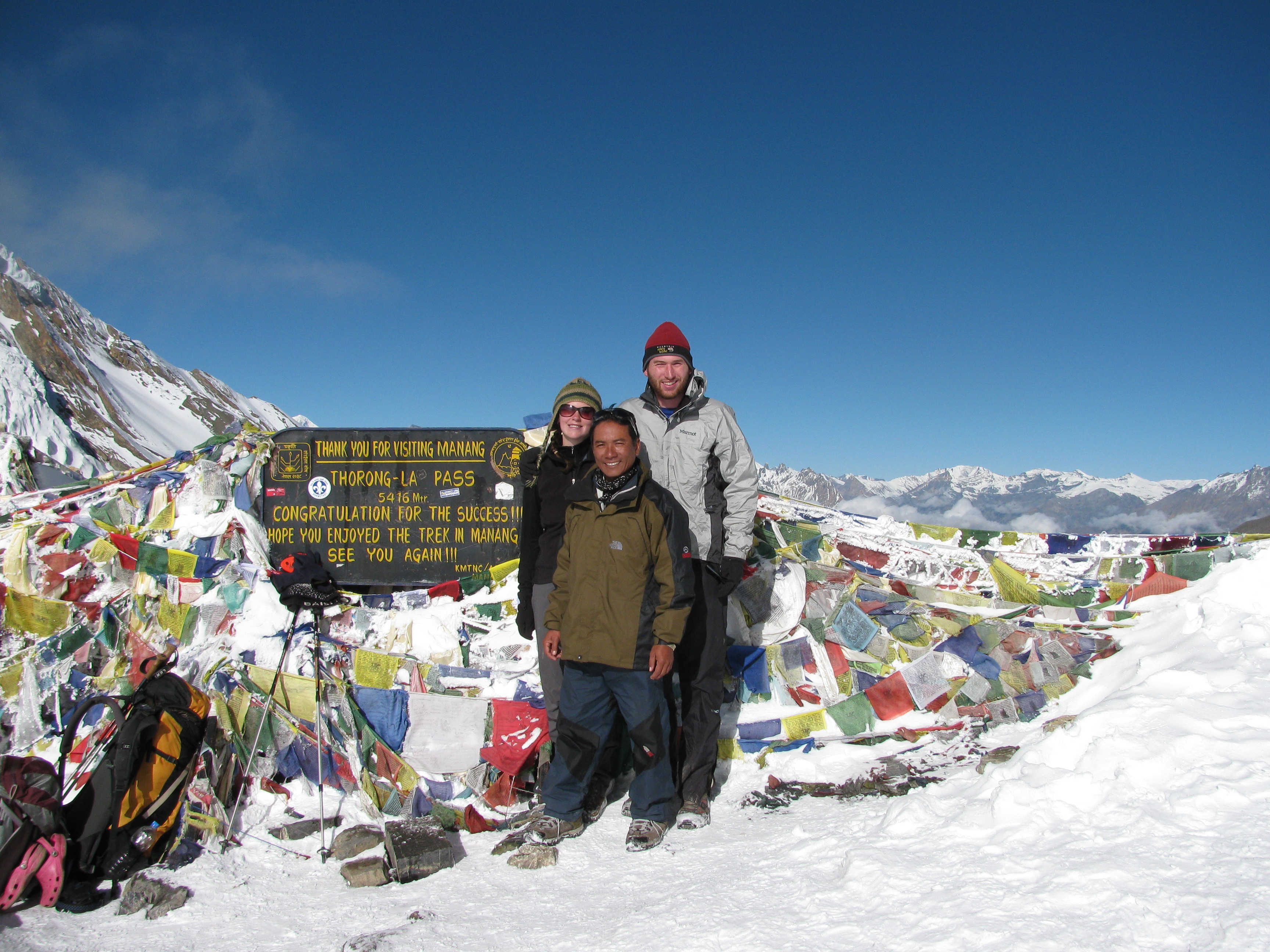
Similarly, another very essential permit is TIMS Card (Trekker’s Information Management System) which is to track trekkers in an event of natural disasters like earthquake and landslide, missing person, medical emergency. Usually, the cost is NPR 2, 000 (USD $15), and following 2023/2024 updates, the Green TIMS card which usually were given to solo trekkers has been abolished and now all trekkers receive a Blue TIMS Card which means you are with a licensed guide or a team.
Permits are obtained by your guide or agency via the TAAN (Trekking Agencies Association of Nepal) digital portal. You have to give them a copy of your passport, two passport-sized photos and Insurance policy details where you must have proof of insurance that covers emergency heli-evacuation up to 6,000m. Reminder, never lose the permits as there are multiple check points along the way like in Besisahar, Dharapani, Manang, Muktinath, and Jomsom. If unfortunately you lose them, then you have to purchase the new one at all the checkpoints, often at double the original price as a fine.
This next part is optional, but if you decide to have a side trip in your journey, you may need additional high-security permits, for example, if you divert from the village of Koto, you need a Restricted Area Permit which in Autumn (Sept-Nov) costs USD $100 per week and in Spring (Dec-Aug) costs USD $75 per week. Similarly, if you choose to hike North from Kagbeni instead of South to Jomsom, it will cost you USD $500 for the first 10 days, then $50 per day thereafter.
Annapurna Circuit Trek Cost 2026-Teahouse vs. Camping Trek Price Comparison
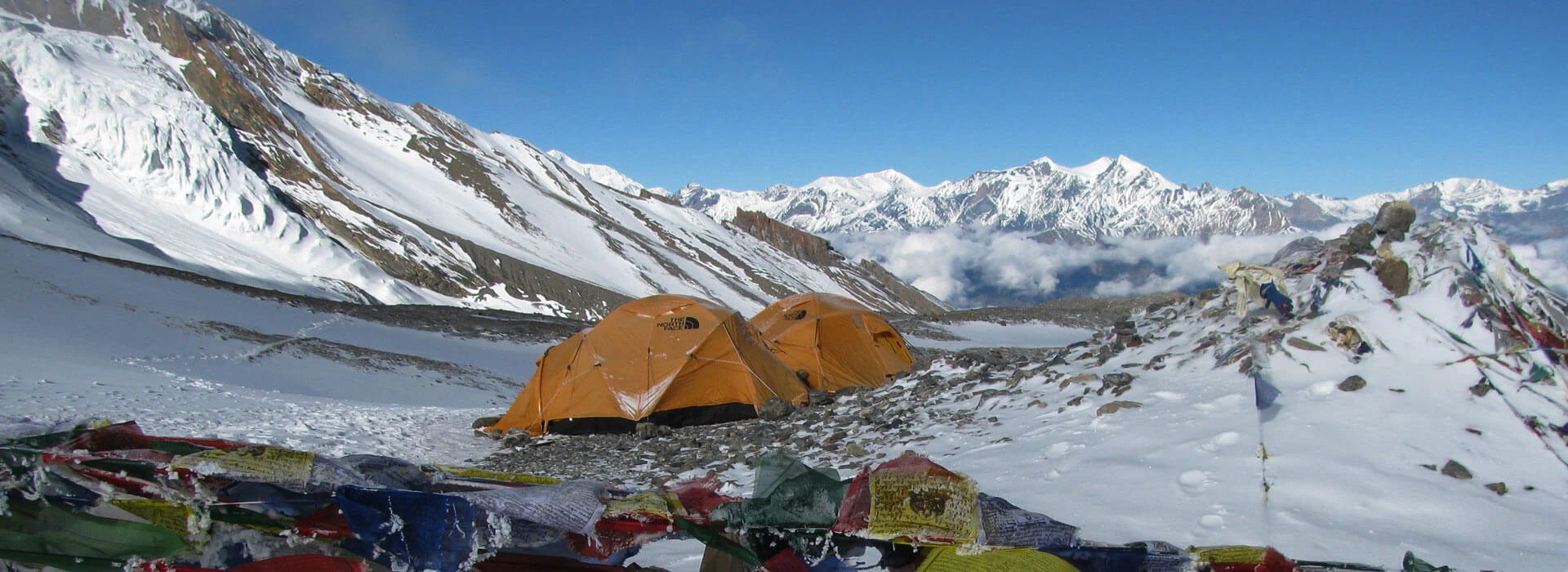
When planning the Annapurna Circuit Trek Cost 2026, one of the biggest factors influencing your overall budget is the choice between teahouse trekking and camping trekking-primarily a choice between cultural convenience and wilderness isolation. While the teahouses available in the Annapurna trail are worldwide famous for their hospitality, camping is also possible and often demanded by the trekkers. The price of one, however, is drastically more expensive than the other, so which one is more expensive?
When analysing the daily financial breakdown, between a Teahouse Trek and a Camping Trek, the latter is quite expensive. On a teahouse trek, you are essentially a pay-as-you-go traveler with an estimated daily budget of $90 which covers your rooms and meals. Since, your lodge provides you with basic facilities like restrooms, kitchen, furniture your only major service cost is the mandatory licensed guide and an optional porter.
Whereas, for camping trek, the daily cost is estimated near 280$ or even more as it follows the concept of 'you are not paying for a hotel room but for a moving hotel'. This budget includes the insurance, food, salaries, equipment for a large support crew (guide, porters, cook,). Additionally, camping costs can fluctuate depending on altitude and remoteness, whereas teahouse prices are relatively stable along the circuit.
Ultimately, your choice between teahouse and camping trekking affects both your budget and experience. Teahouse treks are ideal for comfortable, luxurious, budget friendly adventure, while camping treks will give you privacy, adventure, and real, harsh, & most authentic mountain experience.
What Is the Average Daily Cost of the Annapurna Circuit Trek in Nepal?
While planning your Nepal Annapurna Circuit Trek Cost, understanding your daily budget is very essential. It will help you thoroughly plan to adjust with the altitude inflation. In the mountains the prices of goods and services is directly proportional to the altitude-higher the elevation, higher the price. For example a $5 meal in Kathmandu, can be $8 in the middle hills, whereas, can be up to $12 in high himalayas, this is because every food items, water, and kilowatt of power has to be carried up by porters, mules, donkeys and even yaks causing huge rise to the prices.
The "Big Three" daily expenses are food, accommodation, and mandatory guide and porter. Food of course acquires your largest daily expenses which is calculated at $30 per day. Breakfast which normally includes porridge, eggs or pancakes costs $5, lunch and dinner that includes standard meals like dal bhat, pasta, momo, fried rice are priced at $10 every day. Trekkers are usually recommended to eat dal bhat (staple Nepali food including rice,lentil soup, vegetable and pickles) as it comes with unlimited refills and is budget friendly too. It costs around $5 in lowlands and up to $10 at Thorong Phedi.
The accommodation is another factor that hugely affects the budget, it is estimated to be around $10 per night. Tea house rooms are surprisingly cheap, are very clean and facilitate the guests as much as possible, but there is a catch: the "Eat Where You Sleep" rule. If you decide to eat somewhere else, the room price may double or even triple.
Following the new rules set by the Nepal Government to protect international trekkers from the uncertainty of the Himalayas, you cannot trek without a guide. The cost is averaged at $40 per day. A licensed guide's salary is $35 per day-this price also includes their salary, food and insurance. Similarly, if you hire a porter who carries up to 20kg of gear, it can cost you $20 per day.
Another factor which affects the daily prices is the hidden costs, these small expenses are often overlooked but can add $12 to your daily total especially in the high altitudes. The expenses can be drinking water ($1 in Kathmandu, but $4 at Thorong Phedi), battery charging ($5), hot showers ($5), and Wi-Fi (4$). Prices may vary as lower villages have more facilities as opposed to higher regions where villages rely highly on expensive solar systems.
To help you visualize your cash flow in Annapurna Circuit Trek Budget plan, here is the comparison of prices between low and high regions.
Items | Lower Regions | Higher Regions |
Breakfast | $5 | $8 |
Lunch/Dinner | $5 | $10 |
Room | $6 | $11 |
Hot Shower | $2 | $6 |
Phone Charging | Free | $4 |
Wi-Fi | Free | $4 |
TOTAL | $18 | $43 |
In summary, for a 15 day itinerary, you might spend $35 on average per day if you are on a budget-friendly trek where you carry all your own bag, filter your water using tablets and avoid expensive snacks. But if you hire a porter, enjoy occasional non alcoholic beverages, bakery treats, pay for hotshowers and Wi-Fi, you might spend $50 per day.
Why A Guide Is Mandatory For Annapurna Circuit? How Much Budget Do You Need for Guide and Porter Fees?
In April 2023, Nepal Tourism Board (NTB) and the Trekking Agencies Association of Nepal (TAAN) made a decision to dissolve Free Individual Trekking (FIT) and implement the new rule, mandatory guided system. The core reason was the uncertainty of the Himalayas that directly affected the safety of tourists and the cost of rescue operations.
Every year, dozens of trekkers go missing, succumb to Altitude Sickness, or get seriously injured and when a solo trekker goes missing, first it becomes almost impossible to know their location, and that triggers massive, expensive and often dangerous search operations involving many ground staff and helicopters.
Another primary reason is the health risk of the tourist which is one of the main concerns for Nepal Tourism Board. A solo trekker, without a licensed and experienced guide cannot properly monitor trekkers oxygen level or recognize the early signs of HACE (High Altitude Cerebral Edema that can lead to serious health issues. A guide can help you with your health and can act as a first responder as they are trained for medical emergencies like that.
Similarly, even though the main Annapurna trail is marked, catastrophic snowstorms such as the 2014 Hudhud blizzard can vanish the trail in minutes. A guide can recognize weather patterns and knows the terrain well enough to keep you safe and unharmed. Also, tourism is one of the prominent economic sources of Nepal and by making Guides compulsory, the rule ensures that the revenue from trekking directly supports the local workforce.
Environmental stewardship and cultural preservation are other factors as solo trekkers are statistically more likely to leave trash such as plastic bottle, snack covers in the trail. As guides are trained in "Leave No Trace" principles, they would make sure to cleans the camps before leaving. The route often called a "Cultural Horseshoe," is a home to many diverse ethnic groups like the Gurung, Thakali, and Sherpas and individual tourists may unknowingly disrespect local traditions which can be prevented by the help of a guide.
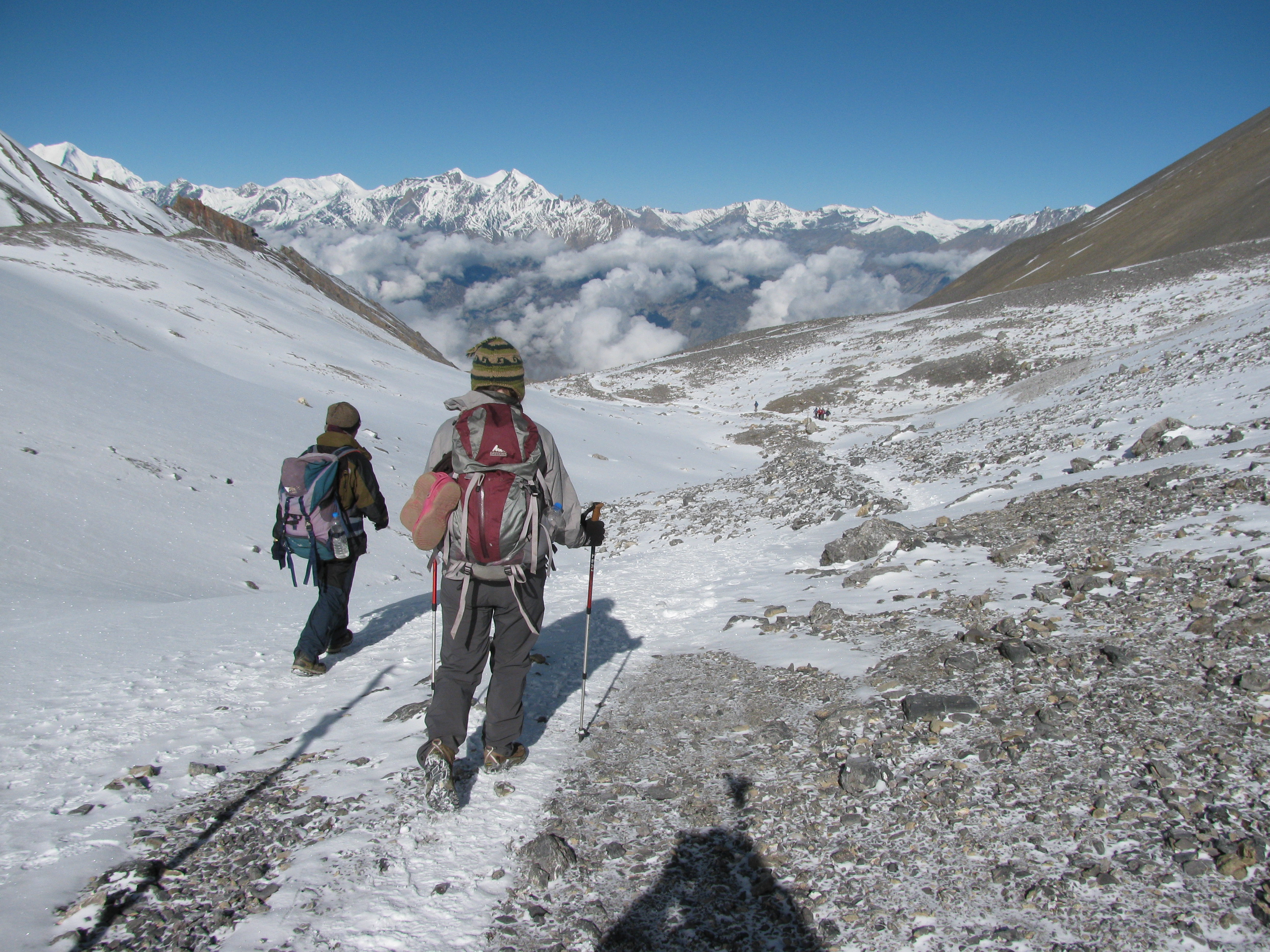
So, as it is obligatory, how much hiring a guide and porters cost to add in your Annapurna Circuit Trek Price? A guide may cost you $30 per day. This rate includes their salary, food, accommodation and their compulsory medical and life insurance. Their main responsibility is leading the way, obtaining and managing your trail logistics, monitoring your oxygen levels and overall health issues, explaining local culture, festivals, sometimes language, coordinating emergency evacuations if necessary and so on.
Hiring a porter is optional but highly recommended especially for crossing Thorong La Pass, and they are often referred as the "backbone" of your trek, carrying your heavy gear, so you can only focus on your climb and enjoy each and every breathtaking views. They carry a maximum of 20kg (44 lbs) and their daily wage is estimated at $20 which covers their salary, food, lodging, and insurance.
Another option for you is hiring a porter-guide; someone who can act both as a guide and a porter; the ones who are in a process of getting their full guide license. They can carry up to 10–12kg and significantly reduce your weight- it can cost you $26 per day. One important tip for you is you must ensure your Porter-Guide has a legal trekking license and if they are only registered as a porter, you may still be required to hire a full guide.
What about tipping etiquette? In Nepal, tipping is not implemented by law but is highly expected; a 15% to 20% of the total salary paid. For a 14-day itinerary, where a guide earns $30/day, a fair tip would be between $65 – $85 USD. Tips are usually given at the end of your journey as a thank you. You are expected to treat the staff as your teammates-sharing stories and having conversation with them is one of the highlights of your entire trek,a memory you will cherish forever.
Kathmandu to Annapurna Circuit Transport Costs-Budget vs. Standard vs. Luxury
When you hire a trekking agency such as Nepal Nomad for the Annapurna Circuit trek, the transportation costs are always included in your Nepal Annapurna Circuit Trek Cost. However, the budget varies significantly based on the packages the agency provides.
The most popular among the trekkers are the Standard agency package; a mid range package that balances both comfort and efficiency. The package includes a private jeep from Kathmandu to Nedi Bazaar ($50), domestic flights from Jomsom to Pokhara ($140), and a deluxe tourist sofa bus from Pokhara to Kathmandu ($25). The total price of the standard package is estimated between $350-$400.
Advantage: Efficient use of time, better success rate, superior accommodation, deluxe return via sofa bus
Disadvantage: Increase in price point and weather dependency because of domestic flight, less interaction with the locals while travelling
The next one to consider in your Annapurna Circuit Trek Price plan is the Budget agency package which is for the individuals who are looking for the lowest price point while still having a guide and a porter. It includes a local public bus from KTM to Besisaher ($12), another local bus from Jomsom to Pokhara ($25), and a standard tourist bus from Pokhara to Kathmandu ($15). The package price is estimated between $80 – $120.
Pros: Significant savings, authentic cultural interactions in local buses, sustainability, flexible itinerary
Cons: Discomfort in local buses, safety and punctuality, physical strain, and one of the difficult drives because of the road condition (Jomsom to Pokhara).
The package mainly designed for the maximum comfort within limited time is the Luxury/Fast package. With less time on the bus, this package helps you maximize your time in the mountains. The deluxe package includes a private jeep from KTM to Nedi Bazaar ($50), domestic flight from Jomsom To Pokhara ($140), and another domestic flight from Pokhara to KTM ($110). You have to separate approximately $500 - $600 from your total trekking budget for this package.
Benefits: Maximum comfort, flight consistency, health and recovery
Drawbacks: Highest cost, less authentic, and sometimes may lead to altitude risk because of fast-tracking by using private jeeps.
What is hidden in the agency package cost? Well, you are not just paying for your seat but for your staffs' as well, as you are legally responsible for the transportation cost of your guide and porter. The private car pickups from airports, transportation of your heavy trekking duffels between airport, jeeps and hotels, all domestic flight taxes, and an emergency rerouting (if flight from Jomsom is cancelled because of the weather, a good agency like Nepal Nomad will organize a 'rescue jeep" without any added cost) are some of the hidden costs added in your total budget.
When budgeting Nepal Annapurna Circuit Trek Cost, always ask your agency about the "Includes" section 'Is the Pokhara flight included, or is it a bus? Is the transport back from Jomsom a flight or a bus?' These questions and negotiations can help you reduce some prices.
How the Seasons Shape the Cost of the Annapurna Round Trek?
The Annapurna Circuit Trek Cost 2026 heavily fluctuates based on the season you choose to travel. These fluctuations are primarily driven by agency premiums, international and domestic flight prices during peak seasons, and at tea houses. So, how does the cost change as per the season? Which season is the most reasonable?
The autumn season from September to November is the most popular among the trekkers. The stable weather, clear skies, chance to celebrate Nepali festivals like Dashain & Tihar, and the excellent visibility over Annapurna, Manaslu, and Dhaulagiri are some of the reasons. It is also probably the most expensive to trek, because it is a peak season and the trekking agencies charge their full prices with rare discount negotiations. Lodges are often at their 100% capacity and you might have to pay full in advance with few extra charges in places like Manang or Thorong Phedi due to limited availability.
Similarly, flights must be booked weeks or even months in advance as both international and national flights will be full because of the huge festivals (Dashain and Tihar) celebrated in Nepal in September/October. Last minute booking can cost you extra.
Another trekker favorite season because of the blooming flowers like Rhododendron (Nepal's national flower) in the trails, weather stability, and longer daylight hours is Spring from March to May. Though the costs are very similar to autumn, the flexibility is higher in comparison. The cost of lodging remains stable with a door to negotiations.
Winter season (December- February) comes with low prices, it has few hidden risks. Many teahouses will be closed and the ones open will offer heavy discounts because of the low demand. Even agencies will offer "Off-Season" discounts of 10%-15% for staff maintenance. While prices are lower, the risk is higher. Sometimes the cold will be unbearable, mountain visibility be very low, there is a high chance of Thorong La Pass closure, and you can get stuck in places for huge snowfall and those added days could cost you more.
Probably the least recommended season is Monsoon/Summer from June to August. While the cost will be the lowest, the risk is way too high for the Annapurna trek. The transportation because of the ram will be very risky, you may have to pay extra for expensive private jeeps; flight delays may occur because of heavy rain, floods, landslides, avalanches can lead to emergency helicopter evacuation which can cost $500+ per seat. The lodging, however, will be at its lowest price range, but is it worth the risk?
If you want the best season for your expedition with reasonable prices, choose early September or early December. Annapurna circuit trek in April is also best and it offers reliable weather, safer high pass crossing, and not too crowded route.
One important tip while planning Nepal Annapurna Circuit Trek Cost, food and permits are fixed costs-the prices of both costs the same in July as it does in October so always be aware of the scams.
Beyond the Obvious: Hidden Costs on the Annapurna Adventure
When planning Annapurna Circuit Trek Price, trekkers often focus on big expenditures like agency packages, staff, international flights or permits, but mountains have a way of nibbing at your wallet with unexpected expenses that can add up to $500 extra over a 14-day trip.
One of the main reasons can be the comfort commodities. While it is mainly free in the lower regions, above 3000m, you have to pay extra for them. Hot showers can cost ($3 - $6) as most teahouses rely on gas cylinders carried up by mules and can cost way more for the teahouses as compared to lower regions. Battery charging ($2 - $5) as electricity mostly rely on solar power, lodges charges money per device such as phone, camera, and power bank, toilet paper ($1-$4 per roll), Wi-Fi can cost $3-$5 per day, as teahouses use "Everest Link" or "Air Jaldi" pre-paid cards.
The hydration cost; a bottle of water in the high Himalayas can cost up to $50. Bring a reusable Naigene and purification tables to save money. The altitude inflation cost is another factor. A chocolate bar, a cup of coffee, and bakery items can be way higher in places like Manang and Yak Kharka.
The transportation surprises also add significantly to the hidden fees of the Annapurna Circuit Trek Cost 2026. Your Jomsom flight cancellation because of weather can lead you to pay for an emergency jeep or an extra night in a hotel, Taxi rides especially in Kathmandu and Pokhara. Buying medical, cosmetic and hygiene essentials also adds extra.
So, how much extra cash should you carry for the Annapurna Circuit? Well, you are advised to carry 25–30 USD per day in Nepalese Rupees, above and beyond your pre-paid package.
What Are The Smart Ways to Reduce Costs on the Annapurna Circuit Trek?
Annapurna circuittrekking is designed as one of the affordable world class treks, but elevation related price increase and Himalaya uncertainty can quickly raise the cost, so how to plan Annapurna Circuit Trek Price in the most reasonable way? Here are some of the ways:
Buying water bottles can be a bit expensive mostly in the high altitudes so, always bring a reusable Nalgene bottle and a LifeStraw, Grayl bottle, or chlorine/iodine tablets. Since a licensed guide is compulsory, the best way to save money is to share a guide with a group as the guide costs $30/day regardless of whether they are leading one person or five. Buy sufficient snacks such as snickers, protein bars, dried fruits, nuts in Kathmandu, as it is fairly rated as opposed to the high himalayas.
Similarly, you can invest in a solar charger. A foldable solar panel (10W-20W) that costs around $50 will help you save money from $5 per device charge policy on the Himalayas every day. Always follow the 'eat where you sleep" rule as teahouse owners can charge a few extras if you eat somewhere else as they make their money from food rather than the room. If you eat at the place, you can even negotiate the price and can save 5-10 per night.
Another best tip to save money is renting gear and clothes rather than buying them, as high-quality trekking clothes and gears are very expensive. You can always rent your -15°C sleeping bag and down jacket from a shop in Thamel for about $1-$2 per day but buying them can cost $600. Food can be one of the most expensive factors in your trip, so spend carefully. You can always explore foods in lower regions, but stick to Dal Bhat for lunch and dinner in high-altitude places-as it is very nutritious, full-filling, tasty, and cheap in comparison to other foods available.
What Paying For Annapurna Trek Represents: The Ultimate Return on Investment
Annapurna circuit trek is not just a physical journey; it is a journey to clench your soul, for life-changing experiences, making memories, touching the soul of mountains and personal growth. So, when planning for Nepal Annapurna Circuit Trek Cost, remember you are investing on much more than a trip.
The $2100 (the usual price in Annapurna Circuit Trek Cost 2026) you spend did not just buy you a plane ticket flight, permits, foods, accommodation, it also bought you thousand of memories, silence of the Himalayas at 4:00 AM, shared laughter and tears, unlimited Namaste’s' and smiles from the locals, the feeling of freedom, triumph, and reverence while standing at 5,416 meters on Thorong La Pass.
Yes, money has been spent, tears have been shed, often even decide to quit or doubted the decision to every going on the trip. But at the end of the day when you are back home living a mundane life, the feeling of looking back at the massive Annapurna massif and knowing you’ve circled its heart-that is a memory that never fades, the price that never devalues.