Mera Peak Climbing: Choosing Between Local Expertise and Global Operators
When choosing between a National (like Nepal Nomad) and an international agency for Mera Peak, the primary difference is the price to service ratio. While local agencies are significantly cheaper, international agencies often charge a premium for Western-standard safety protocols, backup logistics, and pre-trip support. It is essential to understand the difference between these two companies when planning the Mera Peak Climbing Budget.
FEATURE | LOCAL AGENCY | INTERNATIONAL AGENCY |
Average Price | $2200 to $5000 USD | $4500 TO $6500 USD |
Value of Money | High value, flexible pricing | Higher cost due to branding and overhead |
Guide and Staff | Experienced local Sherpa guides with deep regional knowledge | International leaders and local guides |
Cultural Experience | Authentic immersive Nepali experience | More structured, often less local interaction |
Group Size | Usually smaller | Fixed departure, often larger groups |
Customization | Highly customizable itineraries | Limited flexibility, fixed packages |
Safety Standards | Good, depends on the company | Standardized international safety protocols |
Equipment | Basic gear support (rent/buy locally) | High-quality gear often included |
Environmental and Local Impact | Supports the local economy directly | Less direct local economic impact |
Mera Peak Cost Guide: Comparing Budget, Standard & Luxury Packages
Choosing your Mera Peak journey is not just about reaching the top; it is about how you choose to get there. From raw, minimalist adventure to refined Himalayan comfort, each package tells a different story and makes an impact on your Mera Peak Climbing Cost plan.
Budget Package, The Pure Spirit of Adventure: The budget Mera Peak package is for those who seek the mountains in their most honest, unfiltered form. It strips the journey down to its essentials like basic teahouse stays, simple meals, and shared guide support, allowing you to connect deeply with the rugged beauty of the Himalayas. Every step feels earned, every comfort minimal, yet meaningful. While it requires you to arrange or rent your own gear and prepare for fewer conveniences, it rewards you with authenticity, cultural immersion, and a raw sense of accomplishment as you stand atop.
Standard Package, The Balanced Himalayan Journey: The standard package is the most popular choice among climbers because it offers a good mix of comfort, safety, and value. With domestic flights, experienced guides, full-board meals, and a mix of teahouse and high-camp accommodations, the trip goes more smoothly and in a more organized way without losing the sense of adventure. You'll have enough help to concentrate on the climb itself while still enjoying the beauty of the Khumbu and Hinku valleys. It's the perfect middle ground, where getting ready meets comfort and hard work meets well-deserved ease.
Luxury Package, Climbing with Comfort and Confidence: The Mera Peak luxury package turns a difficult trip into a refined experience in the Himalayas. Every detail is planned for your comfort and safety, from luxury hotels in Kathmandu to upgraded lodges, personalized guide ratios, high-quality gear, and even optional helicopter transfers. With better logistics, medical help, and service, climbers can concentrate on the journey instead of the problems that come up behind the scenes. It is an investment not only in getting to the top, but also in doing so with style, care, and confidence high above the world.
FEATURE | BUDGET | STANDRAD | LUXURY |
Cost | $2200 to $2500 | $2500 to $3500 | $4000 to $5000+ |
Accommodation | Basic Teahouse | Standard Teahouse, camp | Ungraded lodges, premium hotels |
Meals | Simple | Full board | Gourmet |
Guide Support | Shared | Professional | Expert and personalized |
Gear | Often not included | Partial | Mostly Included |
The Lukla Flight Premium: Why Getting to the Trail Costs So Much
The flight from Kathmandu (or Ramechhap) to Lukla may not be very long, but it has a big effect on Mera Peak Expedition Price. What looks like a simple 140 km (85 mile) trip is actually one of the most complicated and logistically difficult flights in the world. The high cost is due to the terrain, weather, and aviation restrictions.
Because of the airport's harsh conditions, only STOL (Short Take-Off and Landing) planes can land and take off there. Only planes like the De Havilland Canada DHC-6 Twin Otter or the Dornier can safely land here because the runway is only 527 meters (1,729 feet) long, sloped at 12%, and is on a cliff. These planes can only carry a small number of people (14 to 18 seats), use more fuel per passenger, and need a lot of maintenance because they fly at high altitudes and are exposed to harsh environments. This makes operating them more expensive.
It is not normal to fly into Lukla; it requires expert-level skill. The Civil Aviation Authority of Nepal has strict rules that pilots must follow. These include having a lot of STOL experience, mountain flying hours, and special certifications. These pilots are very well trained, so they make more money, which is shown in the price of tickets.
Most Lukla flights leave from Ramechhap (Manthali Airport) instead of Kathmandu during the busiest climbing seasons. This means a drive that starts around 2:00 AM and lasts for 4 to 5 hours in the morning. Travel agencies have to arrange private transportation, deal with delays, and sometimes pay for overnight stays. These costs are included in the price of your package.
Lukla only follows Visual Flight Rules (VFR), which means that flights only happen when the weather is clear. Operations can stop right away, even with a little bit of cloud cover or fog. Delays of one to three days are common, which means extra costs for food and lodging. Helicopter transfers are the only reliable option for people with busy schedules, but they cost a lot more.
Climbers going to Mera Peak often have to carry a lot of gear, but flights usually only let each passenger bring 15 kg (33 lbs). For each kilogram of extra weight, you will be charged. This can add up quickly when you have technical gear like crampons, boots, and ice axes.
Another option is Helicopters which are flexible and dependable, especially when the weather is bad. A one-way plane ticket costs between $200 and $250, but a helicopter seat costs between $400 and $600. To avoid delays and keep the itinerary flowing, many high-end trips now include or suggest helicopter transfers.
The Lukla flight is not just a simple transfer; it is a very important and expensive part of your trip to the Himalayas. Every factor, from specialized planes and top-notch pilots to weather risks and hidden costs, affects your final Mera Peak Climbing Budget. That's why it's so important to plan for it wisely.
Thinner Air, Thicker Menus: The Sliding Scale of Teahouse Dining
As you climb up the Hinku Valley toward the base of Mera Peak, the cost of food goes up almost as quickly as the height itself. From the Lukla airstrip, every egg, grain of rice, and canister of cooking gas must be carried for days, often on the backs of porters or yaks, to these high Himalayan villages. This makes eating at a teahouse a sliding scale of cost, where each meal shows how hard it is to feed climbers who are hundreds of kilometers from civilization.
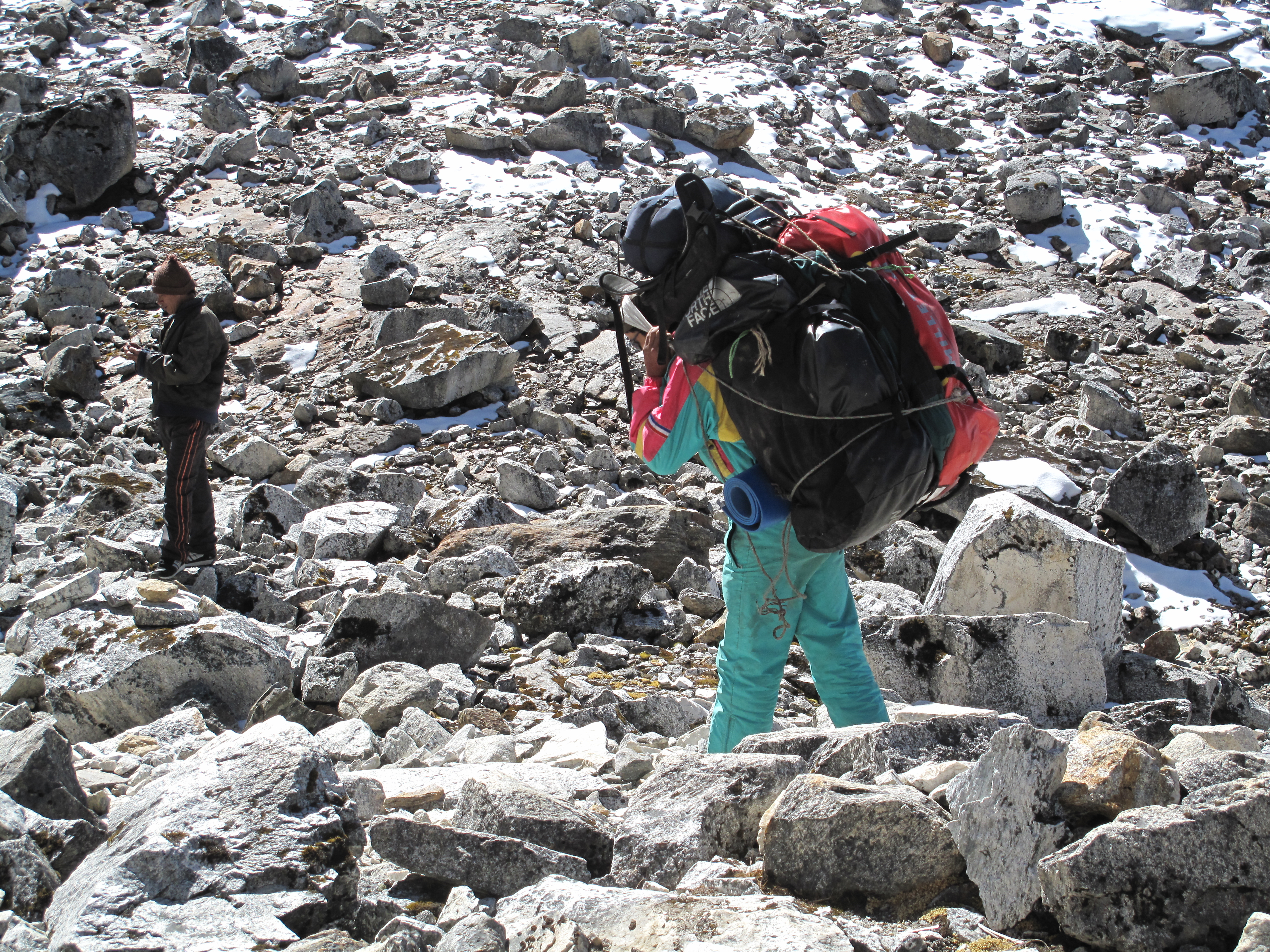
In lower villages like Chutanga, a simple plate of Dal Bhat, Nepal's endless lentil and rice dish, may only cost $6 USD. But by the time you reach Khare at 5,000 meters (16,404 ft), the same meal can easily cost $12 USD. The menu itself thickens less in terms of variety and more in terms of price. As oxygen levels drop, foods that are high in energy and easy to digest, like porridge, potatoes, pasta, and instant noodles, become more common, while rare ingredients become more expensive. At High Camp, even a liter of boiled water, which might be free or cheap at lower altitudes, can cost almost $4.
Inflation goes beyond necessities to include trial luxuries that suddenly become very important for morale. A chocolate bar, a small bag of nuts, or a can of Pringles can cost four times what they do in Kathmandu. Things that are normal at lower altitudes, like charging a phone or taking a bucket shower, become daily financial decisions for trekkers.
But it's not just the price that goes up with altitude; the air itself gets thinner, making you hungrier and needing more calories. As the body struggles to work in low oxygen conditions, every bite becomes more valuable. For climbers, this means that even an "all inclusive" trekking package can't fully cover the hidden cost of food. The higher you climb, the more calories you burn, both in your body and in your wallet.
In a way, eating at teahouses along the Mera Peak route teaches a subtle lesson: as the air gets thinner, the prices of food get higher, not the options. A flexible food budget is just as important as your climbing gear if you want to reach the top. Keep this in mind for the practical final price of Mera Peak Climbing Cost.
The Red Tape Toll: Decoding Park Fees and Peak Royalties
Getting ready for a Mera Peak expedition isn't just about getting in shape; you also have to deal with a lot of red tape that will affect your Mera Peak Climbing Budget. These administrative costs aren't random; they pay for protecting the environment, building rescue infrastructure at high altitudes, and managing Nepal's high Himalayan routes in a way that doesn't harm the environment.
The Nepal Mountaineering Association (NMA) collects the Peak Royalty Fee, which is the highest single cost. This fee changes depending on the season. Spring permits for the 2026/2027 climbing season cost $350 USD, which is more than Autumn permits, which cost $175 USD. This is because stable weather is more important, and there is more demand for them. This fee gives climbers official permission to try to reach the top and helps pay for important rescue operations and mountaineering management programs.
In addition to the peak itself, there are extra fees that must be paid to enter the protected areas around it. All climbers must pay the Makalu Barun National Park entry fee, which is about $30 USD right now, and a Rural Municipality fee, which is about $20 USD. This money goes toward keeping local infrastructure, trails, and community services up to date for high-altitude visitors. Agencies must also pay a $500 USD garbage deposit to the NMA, which will be returned if they follow the "Leave No Trace" policy and protect the delicate Himalayan ecosystem.
Some foreign climbers in high altitude areas need liaison officers, which costs extra. There may also be occasional fees for communicating with or processing permits with local authorities. Even little things like required paperwork for insurance verification or park registration add to the total cost of the trip.
These bureaucratic costs, such as permits, conservation fees, deposits, and official oversight, work together to keep Mera Peak safe, guide climbers safely, and protect the high Himalayan environment for future explorers. These fees may seem high, but they are an important part of the Mera Peak Expedition Price. They also remind every climber that they have a duty to leave the mountains cleaner, safer, and easier to get to than they found them.
Iron, Ice, and Investment: The True Cost of Your Technical Suit Up
To get ready for the tough summit of Mera Peak, you need more than just determination. You need a carefully chosen set of technical gear and high altitude clothing that turns a trekker into a real mountaineer. People often don't realize how important this Suit Up phase is for the Mera Peak Climbing Budget plan. The cost of high-quality, expedition grade gear can easily go up to $3,000 to $4,500 or more, depending on the brand and quality, for climbers who want to buy their own gear.
High-altitude double boots, which are your first line of defense against frostbite on the frozen slopes, can cost between $600 and $900. A summit grade down jacket that can handle temperatures as low as -25°C (-13°F) usually costs between $450 and $700. In addition, you need insulated gloves, base layers, shell jackets, glacier sunglasses, and sleeping bags rated for extreme cold; the total quickly adds up to a significant investment that directly affects your safety and comfort in the deadly silence of high altitude.
But for many climbers, renting gear in Kathmandu is a better option that doesn't put safety at risk and is easier on the wallet. You can usually rent a full set of technical gear, like mountaineering boots, crampons, an ice axe, a harness, carabiners, a helmet, and a jumar (ascender), for between $200 and $350 for the whole climb. This choice cuts down on upfront costs a lot while still giving you access to reliable, well-kept equipment. But for people who want to travel light and don't want to pay porters to carry heavy gear through the long valleys, renting at the last stop in Khare adds what many climbers call the mountain premium. The same gear may cost between $25 and $40 per day here because it is so hard to get to such a remote, high-altitude place.
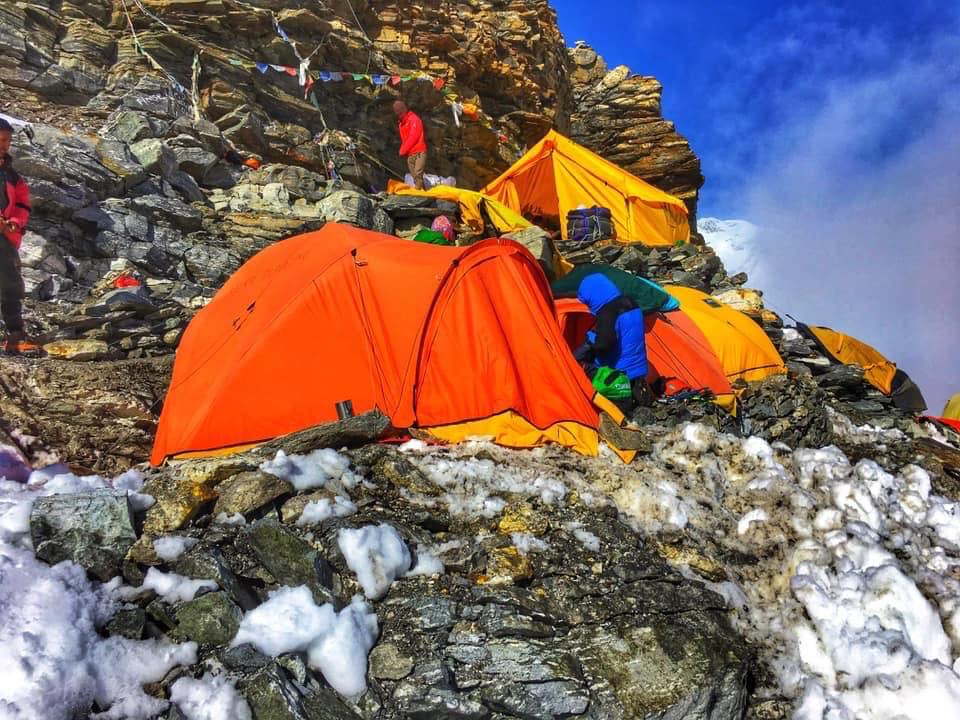
The deeper truth about climbing in the Himalayas is that your gear is more than just tools; it's what keeps you alive. Every carabiner you clip, every crampon step you take on the glacier, and every insulated layer you wear to protect yourself from the cold wind all play a part in a fragile balance between risk and survival. The Mera Glacier's icy slopes are full of crevasses that are hard to see under thin layers of snow and temperatures that drop without warning. The best way to protect yourself from the mountain's unpredictability is to have high-quality gear.
In this harsh environment, it's never worth the risk to cut corners on your Iron and Ice. The right gear not only increases your chances of reaching the top, but it also guarantees that you come back safely, with not only the memory of standing above the Himalayas, but also the quiet confidence of having been fully prepared for its extremes.
The Sherpa’s Share: Budgeting for the Backbone of Your Expedition
Not only do you need to be physically strong to climb Mera Peak, but you also need to be mentally strong and have a lot of experience. This is what many climbers call "The Sherpa's Share." This important part of your Mera Peak Expedition Price shows the people who are the backbone of the trip, where skill, trust, and survival are all important in the thin air of the Himalayas. The NMA certified climbing guide is the most important member of the team. They usually make between $35 and $60 a day. These professionals do a lot more than just guide you; they are highly trained technicians who fix ropes on the icy parts of the Mera Glacier, set up and run high camps, keep an eye on the weather, and keep an eye on your safety, pace, and oxygen levels as you climb. The porters, who are often unseen heroes, carry heavy loads of tents, fuel, food, and technical equipment through rough terrain. They usually make between $20 and $30 a day, and there is one porter for every two climbers to make sure things run smoothly without putting too much strain on them.
The summit bonus is one of the most important financial commitments that people often forget about. This is a common way to reward good work in the industry. Guides can earn between $250 and $450 for each guide if the team makes a real attempt to reach the top or actually reaches the top. It's not just a tip; it's a direct acknowledgment of how dangerous and responsible your guide is during the most dangerous part of the climb, the summit push, when conditions are at their worst and choices matter the most. It's also common and very appreciated to give a general tip pool to all of the support staff, including porters and teahouse workers. This usually adds up to between $150 and $300, depending on the size of the group and how happy they are. At first glance, these costs may seem like extras, but they are actually a very important investment in the people who make your trip possible. In the harsh and remote Hinku Valley, a well supported, fairly paid, and motivated crew is often the only thing that makes the difference between a safe, successful summit and a difficult, uncertain retreat.
The Rescue Reality: Why High Altitude Insurance Isn’t an "Optional Extra"
In the Hinku Valley, which is far away from civilization and has no roads, specialized travel insurance is a vital lifeline. The nearest hospital is a few days' walk away. The "Rescue Reality" is that it can cost between $5,000 and $10,000 USD to evacuate someone by helicopter from the slopes of Mera Peak, depending on the exact height and weather. Most standard travel policies only cover 4,000 meters. This means that a climber going to a 6,476-meter summit needs to buy a special high-altitude rider that covers technical mountaineering and search and rescue.
Rescue companies in Nepal often ask for a huge cash deposit before a helicopter can even take off if you don't have proof of this kind of insurance. A premium policy usually costs between $150 and $300 USD. This is a small amount of money compared to the costs of a medical flight and hospital stay in Kathmandu for conditions like frostbite or altitude sickness. In the end, having the right coverage isn't just a matter of following the rules; it's also the only way to be sure that professional help will come when the mountain gets harder than you thought it would.
Chasing the Summit: Mera Peak Climbing Cost in Nepali Rupees
Climbing Mera Peak is not just a physical climb into the thin, clear air of the Himalayas; it is also a carefully planned financial commitment that shows how remote, complicated, and hard it is to reach the top. Mera Peak Expedition Price in Nepali Rupees usually falls between NPR 270,000 and NPR 550,000+, depending on the time of year, the level of service, and the choices of the individual.
A big part of this budget goes to mandatory permits, which are known as the "Red Tape of the Himalayas." For example, the Nepal Mountaineering Association (NMA) peak permit costs about NPR 47,250 in the busy spring season, but it drops to about NPR 16,875 in the fall. There are also smaller fees for the Makalu Barun National Park and local municipality permits. The trip starts with a dramatic flight to Lukla Airport. Round-trip tickets for foreigners cost between NPR 60,000 and NPR 67,500, and delays due to bad weather can quietly add to your costs.
Once you get on the trail, you can see the "altitude price curve." Daily costs for food and lodging go up from about NPR 4,500 in lower villages to more than NPR 9,500 in high-altitude settlements like Khare, where even a liter of boiled water can cost hundreds of rupees because of transportation problems. The guides and porters who make up the human backbone of the expedition are another important investment.
Professional climbing guides make NPR 4,500 to NPR 6,500 per day, porters make NPR 2,500 to NPR 3,500, and guides get customary summit bonuses of NPR 35,000 to NPR 55,000 for reaching the top. The cost of technical gear is just as important. Rentals usually cost between NPR 25,000 and NPR 40,000, which ensures that climbers have the right gear for the tough conditions at 6,476 meters (21,247 ft). In addition to these high costs, there are also a lot of small but ongoing "micro-costs," like Wi-Fi, hot showers, and charging devices, that can add up to NPR 1,500 per service.
It's a good idea to have a backup of at least NPR 50,000 to 70,000. Also, you need full travel insurance that covers high-altitude trekking and emergency helicopter evacuation. This could cost more than NPR 500,000 without coverage, which adds another NPR 8,000 to NPR 20,000 to the total budget. The real cost of Mera Peak goes beyond numbers. It's an investment in safety, support, and the rare chance to stand above 6,000 meters (19,685 feet), where the vast Himalayan horizon opens up in silent, unforgettable beauty.
Mera Peak Cost Summary: What It All Comes Down To
In the end, the cost of climbing Mera Peak cannot be contained within numbers alone. Yes, the permits, flights, gear, and the invaluable support of guides and porters all shape the financial outline of the journey, but what they truly build is something far greater than an expense sheet. Each rupee spent becomes a step higher, a breath deeper, and a moment closer to a place where the noise of the world fades into the beautiful mountain peace.
From the bustling streets of Kathmandu to the silent, wind-carved ridges above 6,476 meters (21,247 ft), this journey transforms money into meaning. It funds not just logistics, but trust, in your team, your preparation, and in yourself. It supports the hands that guide you across glaciers, the shoulders that carry your burdens, and the invisible network that makes such an expedition possible in one of the most remote corners of Nepal.
And when you finally stand on the summit, surrounded by an ocean of snow peaks glowing under the first light of dawn, the cost dissolves into something immeasurable. What remains is not what you spent, but what you gained: a quiet clarity, a humbled spirit, and a story that will echo long after you descend. Because in the high Himalayas, you do not simply pay to climb a mountain, you invest in a moment where earth meets sky, and in return, you carry a piece of that horizon within you forever.