From Kathmandu to 6000m: The Real Cost of Three Peaks Nepal
The Three Peaks Nepal trekking and climbing challenge isn't just a trip; it's a slow climb into a world where the height changes everything, silence is louder than cities, and every step costs you both physically and emotionally. The trip starts in the busy streets of Kathmandu and goes up into the Himalayas, where it reaches the thin air above 6,000 meters (19,685 feet) on three famous peaks: Mera Peak, Island Peak, and Lobuche East.
But the real Three Peaks Nepal Cost is much more than what you see on a budget sheet. It is measured by how well you prepare, how long you can last, how well you adapt, and the quiet sacrifices you make long before you step on the snow.
Every expedition starts in Kathmandu, where adventures get permits, gear, guides, and other things ready. The financial part of the trip starts to take shape here. Flights, visas, insurance, and equipment checks are all part of the climb.
But even here, the emotional change starts. The comfort of living in the city slowly fades away, and you start to feel anxious, unsure, and aware that the next few weeks will require all of your time, energy, patience, and strength.
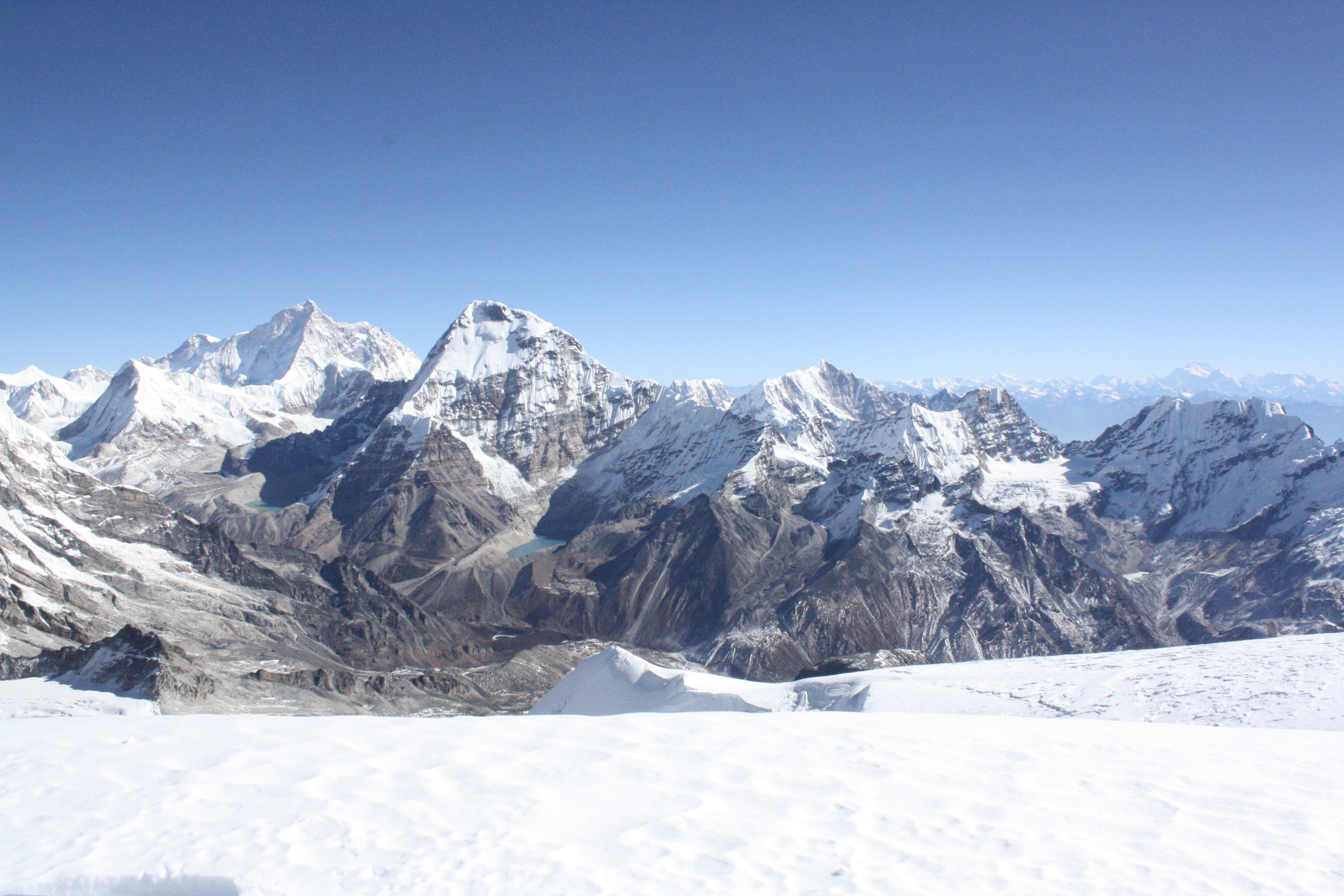
The trail goes through remote villages, dense forests, and high suspension bridges before reaching the alpine wilderness of the Khumbu and Makalu regions. Along the way, trekkers see not only beautiful scenery but also the rich Sherpa culture, which includes monasteries, prayer flags, and traditions that have been passed down for hundreds of years in the mountains.
This stage has its own costs: long days of hiking, tired muscles, and the first signs of getting used to the higher altitude. Sleep gets lighter, hunger changes, and the body slowly starts to understand that it is no longer in charge.
As the expedition goes higher than 5,000 meters (16,404 feet), the amount of oxygen in the air drops a lot, and the body goes through a very important stage of adaptation. At this point, the risk of Acute Mountain Sickness (AMS) becomes real. Symptoms include headaches, nausea, and tiredness.
If you don't pay attention to AMS, it can turn into life-threatening problems like High Altitude Pulmonary Edema or High Altitude Cerebral Edema, which can only be fixed by going down.
This is where the cost to both body and mind becomes clear. Every climber has to learn a hard truth: being strong isn't just about pushing up; it's also about knowing when to stop.
Each of the three peaks makes things a little harder. Mera Peak is often the first test. It's long, cold, and not very technical, but it's important for getting used to the altitude. Island Peak has glacier crossings, ladders, and fixed ropes that require focus and technical skill. And after weeks in the mountains, Lobuche East pushes climbers to their emotional and physical limits. The price here isn't money anymore; it's exhaustion, fatigue from adapting, and mental strength tested in very hard situations.
The emotional journey is deep, but the financial structure is still important. Three Peaks Expedition Nepal Cost usually include: permits to climb each peak, help from a guide and a Sherpa, transportation and logistics within the country, lodging in teahouses, and camping at high altitudes. Food, fuel, and supplies for the trip; insurance and emergency evacuation coverage; and the option to rent or buy mountaineering gear and equipment. These things together make a big investment, showing that they not only give you access to the mountains but also the safety systems you need to survive them.
The emotional weight of the Three Peaks journey is probably the most important thing that people don't think about. Time seems to stop, relationships outside of the mountains seem far away, and comfort zones vanish. Climbers often feel alone, scared, and unsure of themselves.
But the Himalayas give you something you can't touch: clarity. Survival becomes more important than distraction, and every sunrise above the clouds reminds people why they come here, even though it costs a lot.
Standard, Basic And Luxury Packages: National vs International Agencies
One of the biggest things that can affect the, Cost of Three Peaks Climbing Nepal trip is who you book with and what level of service you choose. Aside from price, the differences between national (Nepal-based) agencies like Nepal Nomad and international operators go much deeper than that. They have different styles, structures, and overall philosophies about how to run an expedition. Local agencies usually provide a more real, flexible, and culturally rich experience, where choices can change based on the weather, the pace of the group, and the needs of each person on the ground. People on the guiding team are often easier to talk to, and climbers feel more connected to Sherpa culture and Himalayan traditions. International agencies, on the other hand, work in a more organized and systematic way. They often follow set schedules, safety rules, and service delivery standards that are similar to those used by global expeditions.
Another important difference is how the guides are made up and how they lead. Most of the time, national agencies are run by very experienced Nepali guides and Sherpas who have lived in the area for generations and know a lot about the weather, the terrain, and how the mountains behave. On the other hand, international operators may have Western expedition leaders working with local Sherpa teams. This can make some clients feel more at ease when communicating, but it also raises the overall cost. Also, the way groups work together can be different. Local agencies may have smaller, more flexible teams, while international groups may have larger, more varied teams. This can sometimes affect the pace and flexibility of summit pushes.
The amount of logistical layering is also what makes them contrast. International packages often come with more built-in backups, like advanced medical kits, satellite communication systems, backup guides, and detailed contingency planning. This makes people feel safer, but it also makes things more complicated and expensive. National agencies can do the same basic safety tasks as other agencies, but they may have fewer systems and rely more on experience, efficiency, and making decisions in real time than on large amounts of pre-built infrastructure.
The difference is even clearer when you think about comfort and expectations. International clients often want more consistent comfort, like curated meals, better accommodations when possible, and service standards that are easier to predict throughout the trip. Local agencies, on the other hand, are more in touch with the real mountains, where conditions can be rough, services are simpler, and experiences are more natural. This doesn't mean lower quality; it just means a different way of thinking that values authenticity and adaptability over sameness.
When it comes down to it while planning for Three Peaks Nepal Cost, choosing between national and international packages isn't just about the price; it's also about how you want to see the Himalayas. One offers a journey that is deeply rooted in the area and guided by the rhythms of the mountains. The other offers a more structured, globally familiar expedition with extra layers of comfort and predictability.
National (Nepal Nomad) Agencies
Local agencies are often the best choice for climbers seeking authentic experiences at more competitive prices, while still maintaining solid safety standards.
Basic Package (between $3,500 and $4,500) | Standard Package ($4,500–$6,500) | Luxury Package ($6,500 to $9,000+) |
This is the cheapest option, and it usually includes basic logistics, a guide, and the necessary permits. Most of the time, you stay in a teahouse and eat simple meals. Climbing support may not be available. Most of the time, gear isn't included, and climbers are expected to be more independent. It's perfect for experienced hikers who want to save money. | This package is the most popular choice among climbers because it strikes a good balance between cost, safety, and comfort. It comes with all the permits, experienced climbing guides, porters, transportation within the country, stays in teahouses, and tented camps at higher altitudes. It also includes meals, basic climbing gear support, and planning for acclimatization. This is the best place for most adventurers. | Luxury packages are for people who want more comfort in tough situations. They include better hotels in Kathmandu, better meals, more guides for each client, and sometimes helicopter rides or internal flights back. The quality of the equipment and the help with logistics are both much better, which makes climbing less physically demanding. |
International Agencies
International operators provide a more premium, all-inclusive experience, often targeting climbers who prefer structured logistics, Western guides, and higher-end services.
Basic or Standard Package: $7,000 to $9,500 | Advanced Standard and Premium Package ($9,500 to $12,000) | Luxury and Elite Expedition: $12,000 to $18,000+ |
Because of branding, international staffing, and extra logistics, their standard packages are even more expensive than those of local agencies. These usually come with experienced guides (sometimes Western leaders), strong safety rules, and help planning trips abroad. | This level has better housing, better food logistics, more acclimatization help, and more staff per person. Communication systems, medical kits, and plans for what to do in an emergency are all stronger. | At the top end, these packages include fully guided, high-comfort trips with top-notch Sherpa teams, high-quality gear, satellite communication, oxygen backup (if needed), and even help with logistics from helicopters. Every part is made to make things as safe, efficient, and comfortable as possible. |
Three Peaks Nepal Cost Per Day: A Realistic Breakdown
The Three Peaks Nepal trip goes from the busy streets of Kathmandu to the icy peaks above 6,000 meters (19,685 ft). It's not just a trip through altitude; it's also a slow rise in daily costs which is an essential thing to consider while budgeting for Three Peaks Expedition Nepal Cost. Depending on whether you choose a basic, standard, or luxury package, it usually costs between $150 and $500+ per day. The cost per day goes up as you go higher, making this journey unique. Each day gets more complicated, resource-intensive, and expensive as you go higher.
In the first few days in Kathmandu, the cost of living is not too high, usually between $80 and $150 per day. During this stage, you will stay in hotels, eat meals, get your permits, check your gear, and make final preparations. This stage may seem calm and cheap at first, but it is very important. It is where all the details are worked out, the equipment is adjusted, and the groundwork for the whole trip is laid. Kathmandu is still the cheapest part of the trip, even in luxury packages.
As the trek starts in the lower areas between 2,000 and 4,000 meters (6,562 to 13,123 ft), the cost goes up to about $120 to $200 per day. This includes staying in a teahouse, getting three meals a day, having a guide and porter help you, and figuring out how to get around. The price is still reasonable, but it starts to show how far away the area is. Porters or animals carry supplies, and the infrastructure gets simpler but more culturally rich, with chances to meet Sherpa villages, monasteries, and traditional mountain life.
The change is easier to see when you get above 4,000 meters (13,123 feet) into the high-altitude trekking zone. Budget here go up to about $180 to $300 a day, mostly because it is getting harder to get things done. Food costs more because it has to be moved over long distances, there aren't as many places to stay, and you need more days to get used to the altitude safely. At this point, the body starts to feel the strain, and it's important to keep an eye out for things like Acute Mountain Sickness, which adds to the overall support needed.
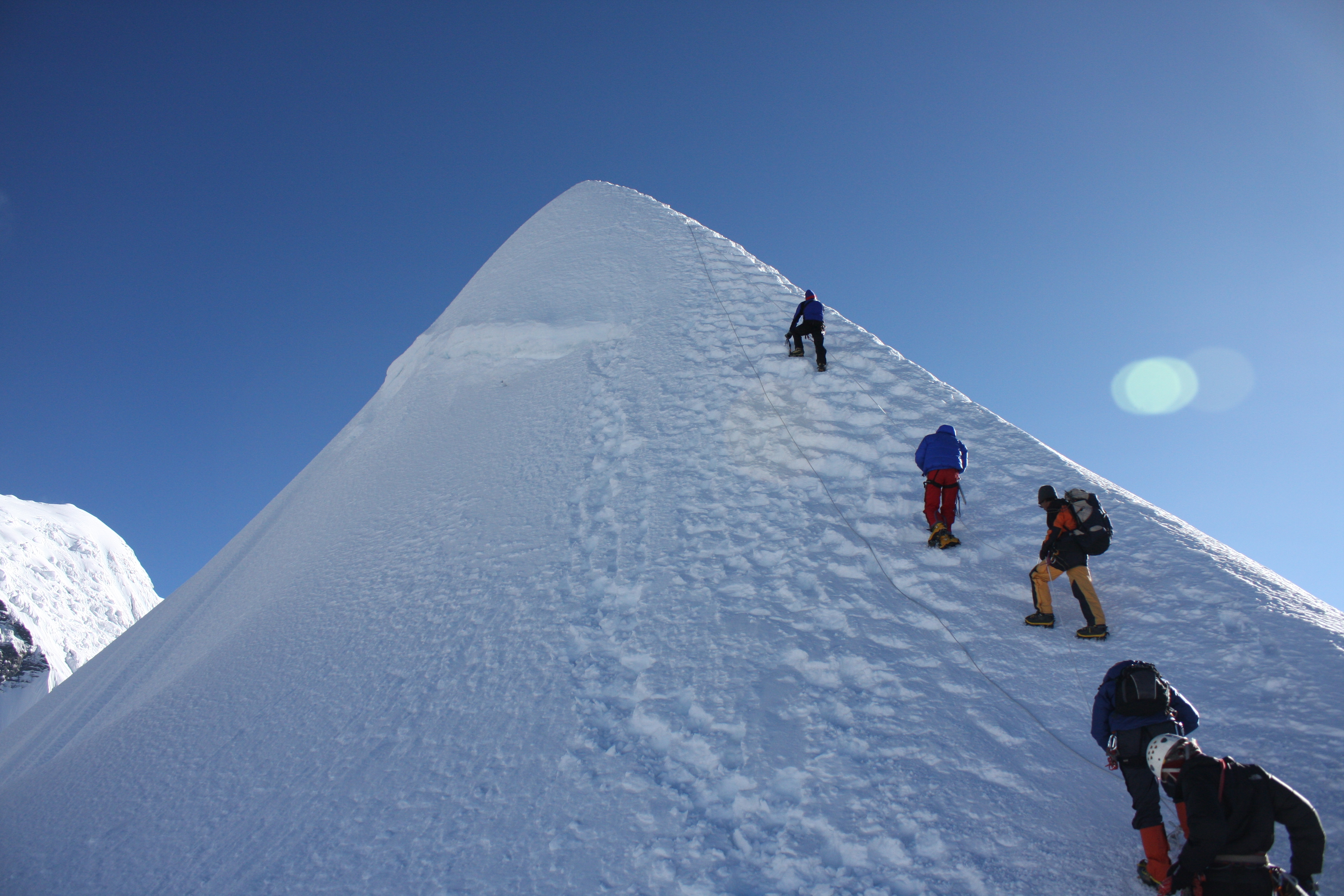
The most significant increase in daily cost occurs during the climbing phase above 5,500 meters (18,045 ft), where expenses can reach $250 to $500+ per day. This is the point at which the trip changes from hiking to real mountaineering. Prices now include specialized climbing guides, Sherpa support, fixed ropes, safety gear, high-altitude tents, fuel, and technical gear. You have to carry in every meal, every liter of water, and every piece of equipment. In a place where survival requires planning and precision, this is a big deal. These days, you're not just paying for services; you're also investing in safety, knowledge, and the ability to get around in one of the most dangerous places on Earth.
As the expedition goes back down to lower altitudes, the daily costs slowly go back down to about $120 to $200 per day. Going back to teahouse accommodations and simpler logistics helps with money, but by this point, most climbers are more interested in getting better and thinking about what they've done than how much it costs. But if the weather delays or the need to adjust to the new environment, the trip may take longer, which will slightly raise the total cost.
There are also daily costs that add up quietly throughout the whole trip. These include hot showers, Wi-Fi access, charging devices, snacks, drinks, and tips for guides and porters. Tips for each staff member usually range from $5 to $15 per day. These costs may seem small on their own, but they can add up to a lot over the course of a month-long trip.
The daily Cost of Three Peaks Climbing Nepal expedition is more than just a number; it shows how hard it is to work in the high Himalaya and how high the altitude is. Every day, every step, and every dollar spent adds to a journey that is both hard and unforgettable. The real value is not just in reaching the top, but in everything it takes to get there safely.
Balancing Budgets and Bravery: What It Takes to Stand Tall?
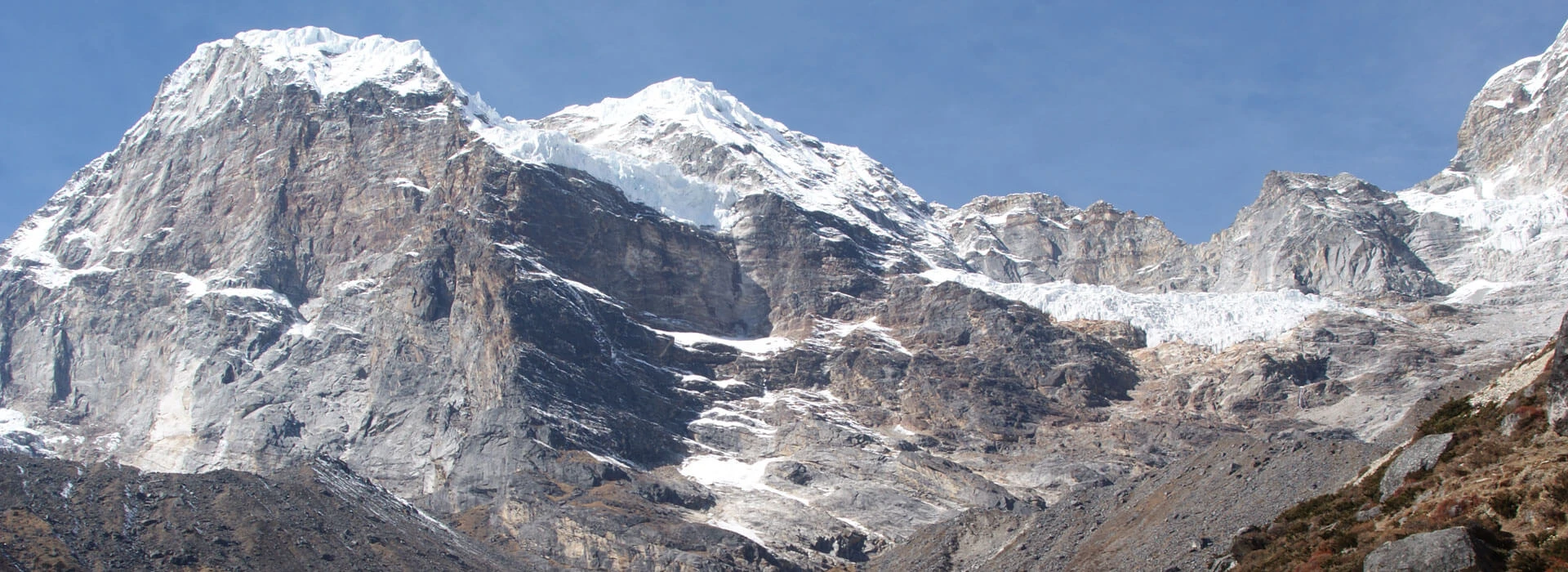
In the quiet, high world of the Himalayas, success is never just about strength. It is about the sweeping glaciers of Mera Peak, the exposed ridges of Island Peak, and the final windswept summit of Lobuche East. It is shaped by a careful balance between what you put in and how you deal with it. In the Three Peaks expedition, money and courage are not separate things; they are very connected. Each one strengthens the other in ways that decide whether you just try to climb the mountains or really stand tall on them.
The Budget: Investing into Skills Over Cheapness
Your Three Peak Climbing Nepal Cost is more than just a number when you're climbing mountains; it's your first line of defense. At first, it may seem like a good idea to pick the cheapest option, but it often takes away the systems that are supposed to keep you safe in an unpredictable environment.
To have a well-balanced budget, you need to know when to spend and when to save. Human knowledge and the logistics of survival are the only things that can't be changed. Hiring experienced guides and Sherpa teams, who are paid fairly, have good insurance, and use reliable gear, is the best way to protect yourself. This team is responsible for carrying not only your gear but also your chances of getting home when storms hit or conditions get worse.
The quality of your food is just as important. At 6,000 meters (19,685 feet), your body burns through energy at an alarming rate. A better-supported expedition makes sure you have access to nourishing, high-calorie meals that keep you strong through all three peaks. On the other hand, smart savings come from things like renting gear. Renting gear in Kathmandu instead of buying it allows you to put money toward extra days or better logistical support both of which directly make you safer and help you reach the summit.
The Bravery: Calculated Courage in Thin Air
People often don't understand what it means to be brave in the mountains. It's not about being brave; it's about dealing with fear in a place where even breathing is hard work. The Three Peaks challenge isn't just one heroic moment; it's a long, hard test of strength. Bravery shows itself in the quiet times, like when you wake up on Day 22 in a freezing tent, put on frozen boots, and step back into the wind when your body begs for rest. This is not the kind of courage you see in movies; it's the steady, stubborn will to keep going. On technical sections, like crossing high passes or climbing steep ice walls, bravery becomes more precise and controlled. You have to have the discipline to trust your rope, your training, and your team, even when the drop below is hard. Courage isn't loud here; it's calm, focused, and planned.
The Standing Tall Synergy: Where Money Meets Courage
You can't get to the top of Lobuche East just by being brave or by having a lot of money. You have to have both. A well-planned budget gives climbers a sense of safety, which lets them concentrate on what they need to do. When you know your team is experienced, your equipment works, and you have backup plans, you can stop worrying. This mental clarity is what makes real courage show up when it matters most. But even the most expensive trip can't buy the last climb. You have to work hard, be strong, and have willpower to get to the top. No amount of money can help you climb a steep headwall or get through exhaustion; those last steps are all up to the climber.
The hardest choice of all is to have the courage to turn back.
Maybe the hardest test of both courage and money is not reaching the top, but instead choosing not to. The pressure to succeed can be too much after weeks in the mountains and thousands of dollars spent. This is when the idea of sunk cost becomes dangerous: when climbers feel like they have to keep going just because they have come so far. But real strength is knowing when it's no longer safe. A storm coming, a teammate getting sick, or a body being pushed too far are all times when you need to be clear-headed and brave. It is not failure to turn back, even when the top is in sight. It is the greatest respect for the mountain and for life itself. In the end, standing tall isn't about reaching the top; it's about being smart and having good character so that you and your team can safely get back down to the valleys below.
In the Himalayas, the equation is simple but deep: your Three Peaks Nepal Cost builds the base, but your courage moves you forward. You can only really stand tall when both of these things are in balance. This is true not only at the top, but also in the story you bring back with you.
How Much Does Three Peaks Climbing Cost in Nepalese Rupees?
When you look at the Cost of Three Peaks Climbing Nepal in Nepalese Rupees (NPR), it makes more sense, especially for regional travelers or those budgeting locally. A standard package from a national agency costs between $4,500 and $6,500, which is about NPR 600,000 to 870,000, depending on the exchange rate. Basic budget trips may cost between NPR 450,000 and 600,000, while more expensive or luxury packages, especially those put together by international companies, can cost a lot more, sometimes reaching NPR 1,200,000 to 2,400,000 or more. These numbers usually cover permits, guides, porters, lodging, meals, and help with logistics for the whole 30 day trip.
The price doesn't stop with the package, though. Extra costs like international flights (if needed), travel insurance, buying or renting personal gear, tips for guides and porters, and small daily costs like Wi-Fi, charging, and hot showers can add another NPR 100,000 to 300,000 to the total budget. You can rent or buy equipment in Kathmandu, which can have a big impact on the final total. This is especially true for high-altitude clothing and technical gear. Also, weather delays or the need to get used to the new environment may cause costs to go up a little, which shows how important it is to have a financial cushion.
Three Peaks Expedition Nepal Cost is usually between NPR 550,000 and more than 2,500,000, depending on how comfortable, safe, and well-served you want to be. This wide range shows not only how big the adventure is, but also how flexible it can be. You can go on a more rugged, self-driven journey or a fully supported, high-comfort expedition. In the end, the investment is worth much more than money; it gives you access to one of the hardest and most life-changing mountaineering experiences in the Himalayas.
Calorie Economics: Fueling a 3 Peak Body at 6,000m
The Three Peaks Nepal adventure is not only a test of climbing skill and endurance; it is also a brutal exercise in calorie economics, where every bite of food becomes a form of survival currency may be a poetic calculation you need to consider for Three Peak Climbing Nepal Cost. At very high altitudes, a climber can burn between 5,000 and 10,000 calories a day. This is especially true on summit pushes like Island Peak, where the body works for 10 to 12 hours in cold, oxygen-poor conditions. The harsh truth is that the human stomach can't realistically take in more than 3,500 to 4,500 calories a day. This means that every climber is always in a caloric deficit, slowly using up their own fat and muscle reserves to keep moving. If not managed during a 30-day or longer expedition, this can cause visible weight loss, muscle fatigue, and the wasted look that high-altitude mountaineers often have.
The altitude anorexia paradox makes this imbalance worse because the body needs more fuel but the mind wants less. When oxygen levels drop, hormones that control hunger go out of balance, taste buds become dull, and even rich meals start to taste bad or heavy. Blood is redirected away from the stomach and toward important organs like the heart and lungs. This makes digestion slow down a lot and makes it hard for the body to break down heavy proteins. It can also cause stomach problems at high altitudes. This is why climbers are taught to eat on a schedule instead of when they are hungry. They eat a lot of simple, high-energy foods like rice, potatoes, pasta, and especially Dal Bhat, which is the best fuel for climbing in the Himalayas because it is easy to digest and gives them a lot of energy.
In this setting, food logistics add another layer to mountain economics. On remote routes like the Hinku Valley to Mera Peak, porters have to carry every kilogram of food for days, which makes calories literally expensive in terms of energy used to transport them. Even things as simple as boiling water become a choice about how much fuel to use because melting snow and cooking at high altitudes use a lot of kerosene or gas. This is why top-notch expedition companies spend a lot of money on skilled cooks who can make meals that are high in energy from a small number of ingredients and still make climbers want to eat even when they are tired and sick. To keep your energy up, you need to drink warm soups, ginger tea with honey, garlic broth, and snacks high in carbohydrates.
Liquid nutrition is another important part of calorie economics. At high altitudes, it works much better than solid food. Warm drinks like soups and sweet tea give you energy without putting too much strain on your stomach because digestion slows down. Climbers often "micro-dose" calories throughout the day by taking in small amounts of energy gels, chocolates, honey packets, or electrolyte drinks. This keeps their fuel supply steady. But even this system has problems in very cold weather, when snacks can freeze solid and simple energy bars can become almost impossible to eat unless they are carefully chosen.
On summit days, especially when climbing Island Peak or Lobuche East for a long time, every gram of food in your pocket is very important. This is where the idea of "portable energy economics" comes in: soft, quick-digesting calories that can be used even when it's freezing outside. At the same time, climbers lose a lot of salt and electrolytes through breathing, so their cravings for salt are not just a treat; they are a biological need to keep their nerves and muscles working.
This constant lack of food causes most climbers to lose 5 to 10 kg (11 to 22 lbs) over the course of the whole trip, even if they eat well. If you don't have a good plan for how many calories to eat, your body will start to break down muscle tissue for energy, which will make you weaker just when you need it most for the final push to the top. This means that managing your calories is just as important as learning how to use a rope or getting used to the weather. In the end, success on the Three Peaks isn't just about getting to the top; it's also about having enough energy to make it there and back, which shows that in the high Himalayas, food is not comfort, but currency, and every calorie is a step toward the sky.
Scaling the Triple Crown in Half the Time: The Real Cost of Heli-Assisted Climbing in Nepal
The classic Three Peaks Nepal trip, which includes Mera Peak, Island Peak, and Lobuche East, usually takes 30 days and involves a lot of hard work, getting used to the altitude, and moving slowly through it. But more and more climbers are now using helicopters to help them finish this long trip in almost half the time. This "heli version" of the Triple Crown is for people who don't have a lot of time, want to cut down on trekking fatigue, or like a more direct way of doing things. However, it lowers the number of days on the trail, but it raises the cost a lot and comes with its own set of health and safety risks.
There are three main ways that helicopters are used in the Three Peaks itinerary. Each one has a different balance of time, comfort, and Three Peak Climbing Nepal Cost range. The first is the Fly-In/Fly-Out model, in which climbers hike in the traditional way to get used to the altitude, climb all three summits, and then fly back to Kathmandu from high-altitude places like Lobuche or Everest Base Camp. This option usually cuts 3 to 4 days off the return trek and costs an extra $500 to $1,500 USD per person, depending on whether the flight is shared or privately chartered.
The Inter-Peak Shuttle model is the second option. Climbers often use it after reaching the top of Mera Peak. They skip the hard Amphu Labtsa Pass and fly directly from Khare to Island Peak Base Camp. This cuts down on technical trekking by several days, but it costs about $2,500 to $3,500 USD more per helicopter rotation, which is usually shared by a small group of climbers. The Luxury Express model is the most expensive choice. It uses helicopters several times during the trip, between peaks and for the final exit, cutting the whole trip down from more than 30 days to about 18 to 20 days. This high-end option can cost an extra $6,000 to $9,000 per person on top of the regular expedition fees.
ROUTE SEGMENT | ESTIMATED COST (FULL CHARTER) | COST PER PERSON (SHARE OF 3) |
KTM to Khare (Mera BC) | $2,500 to $3,000 | $833 to $1,000 |
Khare to Island Peak BC | $2,500 to $3,500 | $833 to $1,166 |
Island BC to Lobuche BC | $1,500 to $2,000 | $500 to $666 |
Lobuche or Gorak Shep to KTM | $3,500 to $4,500 | $1,166 to $1,500 |
Total Heli Surcharge | $10,000 to $13,000 | $3,332 to $4,332 |
When you look at the total budgets, the difference is very clear. A regular Three Peaks trip without a helicopter costs between $5,500 and $7,500 USD. A trip with a helicopter can cost between $11,000 and $16,000 USD or more, depending on the weather, the route, and the size of the group. This sudden rise is not just because of the cost of flights; it's also because of how hard it is to plan high-altitude flights in remote Himalayan areas.
The weight and height limits of helicopters are one of the main reasons this costs so much. When the air is higher than 5,000 meters (16,404 feet), it gets very thin, which makes it harder to lift things. This means that helicopters can't carry a lot of weight in one trip. A group with gear and climbers may need to take more than one shuttle flight, and each flight adds to the total cost. In short, you're not just paying for distance; you're also paying for physics, fuel, and flight time in one of the most difficult places to fly in the world.
But the most important thing to think about is safety and getting used to the new environment. Flying too quickly into high-altitude areas without properly adjusting greatly raises the risk of Acute Mountain Sickness and serious problems like High Altitude Pulmonary Edema and High Altitude Cerebral Edema. Even with helicopter support, responsible operators still make climbers spend time getting used to the altitude in Kathmandu or lower trekking areas like Namche before they can reach higher camps. This is a good example of a fact about climbing in the Himalayas: helicopters can move your body, but they can't change biology.
Another thing that can change at any time that has a direct effect on helicopter-assisted expeditions is the weather. Flights in the Everest area can only happen when the weather is clear. This means that clouds, strong winds, or sudden changes in the weather can cause delays or cancellations. A tightly scheduled "express" itinerary means that even a 1 to 2 day delay can mess up summit plans and raise standby costs, so flexibility is a must-have in the budget.
In the end, whether or not helicopter help is worth it depends on what the climber wants most. For people who don't have much time, have a lot of money, and have already acclimatized to high altitudes, it is a great way to shorten the expedition without losing the high-altitude experience. But for climbers who want to experience the full Himalayan journey, including the difficult and rewarding crossing of passes like Amphu Labtsa, the traditional trekking route is still the best in terms of depth and character.
The helicopter-assisted Three Peaks expedition turns a month-long trip through the Himalayas into a fast-paced alpine operation. It can almost double the total budget, bringing the cost to more than $12,000 USD, but it gives you something rare in the mountains: time. But even with this technological edge, one thing stays the same in the Himalayas: helicopters can take your body from peak to peak, but it's still your lungs, your endurance, and your ability to adapt that will decide whether you reach the top or turn back below it.
Footsteps, Rotor Blades, and Frozen Light: A Himalayan Farewell
In the end, you can't just measure the Three Peaks of Nepal in meters, Three Peak Climbing Nepal Cost in money, or 3 peak climbing itinerary in days. From the glacier-carved slopes of Mera Peak to the icy corridors of Island Peak and the last wind-beaten crown of Lobuche East, they are always more than that. Footsteps fade into old valleys, rotor blades cut through still air for a short time, and frozen light settles over glaciers that have seen many dreams come and go. The Himalayas quietly remind you that there is no way to avoid the language of altitude, whether you walk every step or take a helicopter between valleys. The mountains always want the truth: patience in the lungs, humility in the heart, and courage in every breath that is frozen.
The mountains don't care about how fast or how much it costs; they care about how many people are there. Every breath at a high altitude, every moment of doubt, and every sunrise over endless ridgelines are all part of a quiet change. Some come slowly through dust and prayer flags, while others come quickly through the sky.
But all of them eventually meet the same silence above 6,000 meters, where ambition fades and only awareness remains. The body still learns how to be quiet in thin air, still fights the slow fire of exhaustion, and still finds its limits in places where sound seems far away.
The money you pay is only part of the cost. The deeper price is paid in surrender: to effort, to altitude, to uncertainty and what you get in return is something that no flight can replace: a moment when the world falls away and you stand above it, briefly infinite. And when the journey is over, it doesn't really feel like it's over. The trails are still there, the wind still speaks its old language, and something inside you never fully goes down. The Himalaya doesn't say goodbye; it just waits, unchanged, for the next set of footsteps, the next turn of blades, and the next story to be written in frozen light.