


The Great Himalayan Trail Trek (GHT) is not your average journey. It is one of the most extreme and exhilarating adventures on the planet. It is a wild, untamed crossing of the whole spine of the Nepal Himalayas, where each step taken tests endurance, resilience and spirit. The journey is almost 1,700 kilometers, 1,056 miles long and takes you through some of the most isolated and inhospitable terrain on earth, from the storm-riddled ridges below Kanchenjunga trek Nepal in the east to the wild, windswept scenery of Humla remote trekking Nepal in the far west.
GHT is much more than a hike, it is a living, breathing highland odyssey that is considered as one of the longest trekking routes in Nepal and highest altitude treks in the Himalaya across a dramatic mosaic of remote regions commencing from the shadow of Kanchenjunga base camp trek, winding through the wild terrains of Makalu Barun trekking region and Everest region trekking Nepal, venturing into the hidden valleys of Rolwaling Valley trek and Langtang Valley trekking, then pushing westward across Manaslu circuit trekking route and Annapurna circuit long trek, into the stark, mystical landscapes of Upper Mustang trekking Nepal and Dolpo remote trekking region, finally reaching the far-flung wilderness of Humla Limi Valley trek in the west.
The journey may begin in the lush, subtropical greenery of Ilam, alive with tea gardens and rolling hills, before rising into the alpine wilderness of Langtang Valley and the stark, wind-carved plateaus of Mustang. Trekkers follow the thunder of rivers like the Arun River and Karnali River, only to find themselves later surrounded by the profound silence of glaciers such as the Ngozumpa Glacier. It is a landscape in constant motion shifting, evolving, and revealing a new face of the Himalayas with every step.
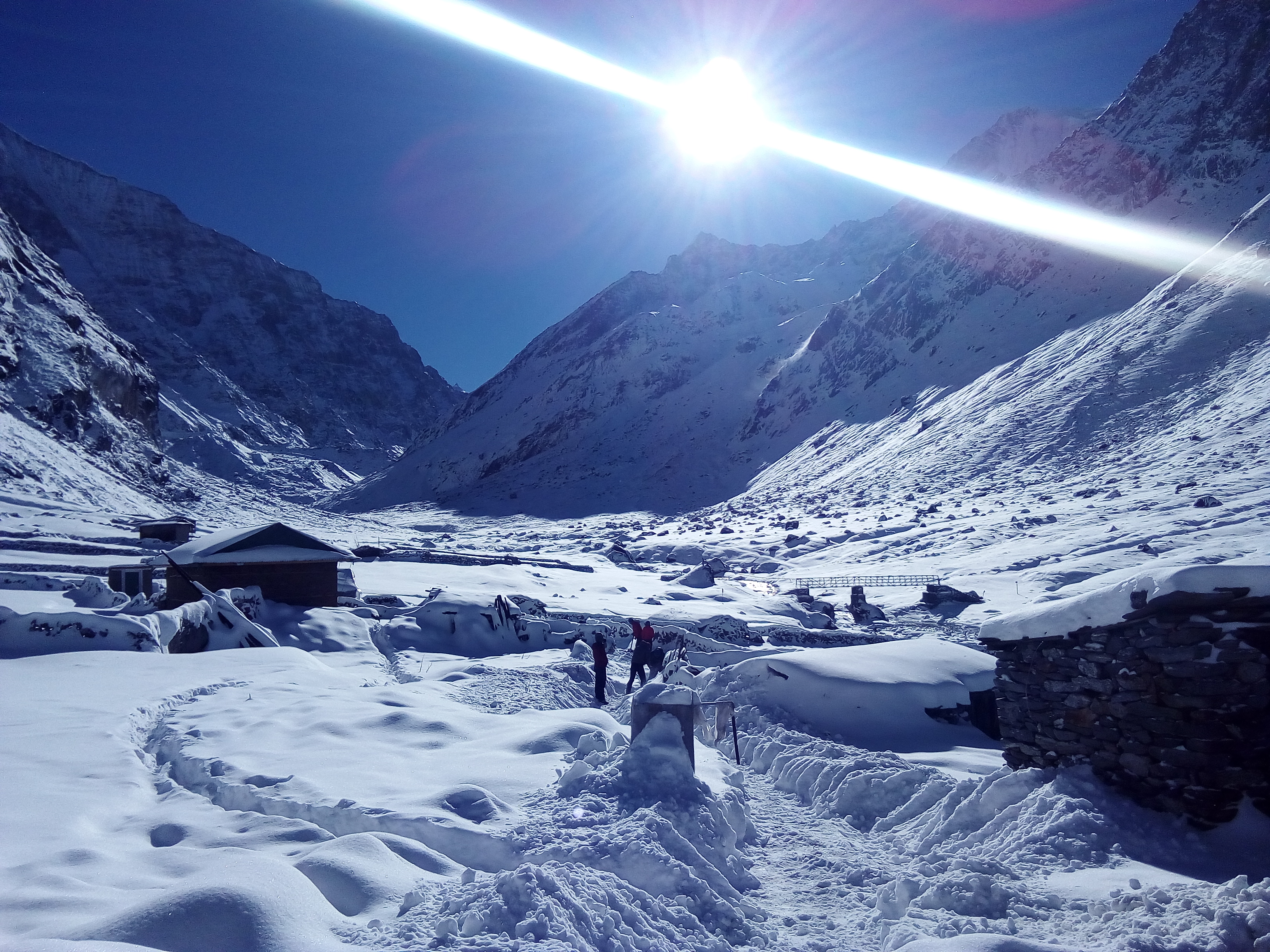
The highland demands not just strength, but unwavering patience and deep respect for the mountains. Over the course of many months trekkers face a relentless rhythm of ascent and descent, where the body is constantly adapting to dramatic altitude shifts from lower valleys to high passes like Sherpani Col and Thorong La.
The difficulty lies not in a single summit push, but in the accumulation of challenges. One week, you may be walking under warm skies through green hills; the next, you are navigating snow-covered passes where temperatures can drop below -20°C (-4°F). In regions like Makalu Barun National Park, sudden storms can blanket trails in snow within hours, while in Dolpo, dry winds and high-altitude exposure test your resilience. Crossing technical sections such as the Amphu Labtsa Pass often requires ropes and careful footing on icy terrain, turning trekking into true mountaineering.
It is this constant unpredictability. the shifting weather, the thin air, the long isolation that makes the journey so demanding. Yet, in return, it offers something profoundly rare: a complete Himalayan experience, raw and unfiltered, where every hardship becomes part of a transformation that stays with you long after the trail ends.
Over an adventure that can span five months or be shaped around your own pace even extended over years with breaks the Great Himalayan Trail adapts to your time, making it as suitable for seasoned adventurers as it is for retirees seeking a lifelong dream. In short, the journey of GHT goes down from the heights to the quiet, untouched parts of Nepal, where time seems to move differently. Trekkers walk through remote villages like Olangchun Gola, Phu Gaun, and the hidden valleys of Dolpo, where old ways of life, languages, and traditions are still very much alive. Each area has its own rhythm, or heartbeat, that not only lets you cross physical landscapes but also lets you deeply experience the living heritage of the Himalayas.
Explore all the hidden treasures upheld by the glorious Himalayan region of Nepal in one continuous trek
- The Great Himalayan Trail (GHT) is one of the longest and most authentic hiking trails in the world. It goes from east to west through Nepal.
- Depending on the route you choose, it can be anywhere from 1,700 km to 2,500 km (1,056 to 1,553 miles).
- It has two parts: the High Route and the Cultural Route. The High Route is for people who want to go on extreme adventures, and the Cultural Route is for people who want to learn about other cultures.
- The High Route goes over high mountain passes that are between 5,000 and 6,000 meters (16,404 and 19,685 feet) high.
- The Cultural Route goes through heritage trails, valleys, and traditional villages.
- It includes parts of the Himalayas like Kanchenjunga, Makalu, Everest, Rolwaling, Langtang, Manaslu, Annapurna, Dolpo, and Mustang.
- The trail goes through a wide range of ecosystems, from subtropical jungles to icy glaciers.
- Trekkers go through different climates, from hot lowlands to freezing alpine conditions.
- It gives you a chance to learn about the cultures of ethnic groups like the Sherpa, Rai, Limbu, Tamang, Gurung, Magar, and Thakali.
- Along the way, you can see old Buddhist monasteries and Hindu pilgrimage sites.
- The trek goes through some of Nepal's most remote and least explored areas.
- Because of the height, distance, and lack of people, it is thought to be one of the hardest treks.
- The journey can take several months to years, depending on pace and breaks best for seasonal travelers as well as retirees.
- The route is very quiet, with long stretches of wilderness that are far away from towns and cities.
- It is a journey through the heart of the Himalayas that is both physically and spiritually challenging.
The Living Soul of the Trail: Culture, People & Festivals
The Great Himalayan Trail is not just a geographical crossing; it is a traverse through a living museum of human resilience and Himalayan people and culture. As you walk from the humid tea gardens in the East to the dry, windy plateaus in the West, you will see a cultural shift that is just as big as the change in altitude.
1. The Eastern Gateways: The Limbu, Rai, and Lhomi Cultures
The first three to thirty-five days of the Great Himalayan Trail Nepal take you deep into the ancestral lands of the Kiranti people, including the Limbu and Rai, as well as the very remote Walung and Lhomi communities. The Mundhum is an old oral tradition and religious text that guides the Kiranti way of life. It stresses a deep connection to nature, ancestors, and the nearby peaks. You can meet the Limbu people in the lower hills of Ilam and Taplejung. Their culture is visible in the architecture of their stone-and-mud houses and the pervasive cultivation of large cardamom, which fuels the local economy. The Walung people live higher up toward Olangchun Gola. They are a cultural bridge between the Kirat hills and Tibet. Their traditions are heavily influenced by Nyingma Buddhism, and the historic Diki Chholing Gompa, which is home to ancient artifacts and is the center of their high-altitude trade society.
The Lhomi also known as Kar Bhote are one of Nepal's most isolated and culturally distinct ethnic groups. You can find them deep in the secluded Arun Valley and the Barun reaches. The Lhomi live in villages like Thudam and Chyamtang, where they have a way of life that is almost completely separate from modern life. They are known for their unique "Semo" weaving patterns and a dialect that is very different from standard Tibetan. They are very communal in their social structure, and they are known for being able to navigate the dangerous, steep terrain of the eastern Great Gorges often associated with Lhomi culture Arun Valley Nepal.
The lively festivals of these eastern groups are the best way to see their spiritual lives. The Rai celebrate Sakela or Sakewa, a month-long festival that happens twice a year to honor Mother Nature and the earth's fertility. The Chandi Naach (drum dance) is part of Sakela. People do this dance to please the spirits by copying the movements of birds, animals, and the farming cycles. The Limbu people have a harvest festival called Chasok Tangnam, during which they give the first fruits of the season to the goddess Yuma Sammang before anyone else can eat them. Palam sings rhythmic, improvised songs that tell stories of love and history during this time.
The Lhomi and Walung, on the other hand, celebrate Lhosar (Tibetan New Year) in a unique way. The Semo Dance, a ritual performance with masked characters that represent the fight between protective gods and mountain demons, is often part of the celebration. For the first 35 days, you are not just a trekker; you are also a witness to a living archaeology of the Himalayas. Every village pass and every communal meal is a sign of a culture that has lived on for thousands of years in the shadow of the world's third-highest peak.
2. The High Himalayan Pulse: Sherpa and Buddhism
As Great Himalayan Trail Trek goes from the Barun Valley to the high-altitude heartlands of Everest (Khumbu) and Rolwaling (Days 36 to 64), the culture changes to the High Himalayan Pulse of the Sherpa people and Buddhism. The Sherpas don't just see the mountains as challenges to climb; they see them as the homes of gods. For example, Everest is Chomolungma, the Mother Goddess of the World, and Makalu is the home of Shankar, the protector god. This part of the trek is very spiritual. Every mountain pass has colorful prayer flags (Lunger) that send prayers on the wind, and every trail has Mani walls intricately carved stone tablets with the mantra "Om Mani Padme Hum" on them. As a sign of respect, trekkers always walk on the right side of these walls, as is the custom in the area. The Gompa (monastery) is the center of social and spiritual life. Some famous ones are Tengboche and the old, cliff-clinging monasteries of Rolwaling. These buildings, with their roofs topped with gold and colorful murals, are the centers of communities that live in Beyuls, which are sacred, hidden valleys that Guru Rinpoche (Padmasambhava) blessed as safe havens for the faithful.
The Yak and high-altitude survival are very important parts of the culture here. The seasonal movement of these tough animals is a big part of Sherpa life, and the Kharka (high pasture) culture is still an important part of their lives. People talk about the Sherpas not only because they are strong at high altitudes, but also because they are very friendly and helpful, often associated with Sherpa culture Everest region Nepal. In the stone-walled villages of Khumjung, Thame, and Beding, the monastic calendar sets the pace of life. Mani Rimdu, a nineteen-day festival held at the Tengboche and Thame monasteries, is one of the most important celebrations you might come across. It ends with three days of public celebrations during which monks perform Cham dances, which are sacred masked plays that show how Buddhism beat the ancient Bon demons of Tibet. The performers wear fancy silk brocades and scary masks to represent different protector deities. The event is a big social gathering for Sherpas from all over the region.
Dumji is another important festival that takes place in June or July to honor the birth of Guru Rinpoche. Every year, certain families are chosen to host the festival. This is a big responsibility for the community and a way to share wealth through food and ritual gifts. During Dumji, the long horns (dungchen) and the rhythmic clanging of cymbals fill the village Gompas. You might also see Saga Dawa, which celebrates the Buddha's enlightenment, and Parinirvana, when the air at high altitudes smells like burning juniper incense (sang). In these valleys with thin air, the combination of hard physical work and deep spiritual devotion creates a unique atmosphere of strength and peace. You can feel the pulse of the mountains through the chanting of monks and the distant sound of yak bells ringing across the glaciers.
3. The Middle Hills: Tamang and Hyolmo Heritage
This GHT Nepal long trekking routes goes from the icy heights of the Tilman Pass to the lush ridges of Langtang, Helambu, and the Ganesh Himal (Days 65 to 89). This is the ancestral home of the Tamang and Hyolmo people. People often call this area the Middle Hills. It is a cultural buffer where Buddhist practices and ancient Shamanistic traditions mix well. The Tamang people, whose name means Horse Traders, are the biggest ethnic group in this area. The Damphu, a traditional round drum, is a well-known symbol of their culture. People say that the Damphu was made to cheer up a sad wife, and it is still the heart of Tamang music and dance today. You can find the "Black Village" in villages like Gatlang. The houses there are made of dry stone and dark wood shingles, which is a unique style of building. In the Helambu valley, you will meet the Hyolmo people. They are a separate group with strong spiritual connections to the Beyul Helambu, one of the sacred hidden valleys that Guru Rinpoche found. People know the Hyolmo for their peaceful, farming way of life and their beautiful monasteries, which are often surrounded by apple orchards and forests of rhododendrons.
The spiritual life of the Tamang and Hyolmo is interesting because it is made up of both Lamas and Dhamis (Shamans). The Lama leads religious ceremonies and funerals, while the Dhami/Jhakri is the community healer who uses trance and ritual to calm mountain spirits or "forest deities", often referred to in Tamang Hyolmo shamanic culture Nepal. Janai Purnima, the full moon in August, is when this spiritual fusion is most clearly seen, especially at Panch Pokhari (Days 71 to 75), which is on your itinerary. During this time, thousands of pilgrims and Shamans in white robes from all over Nepal come to these five holy lakes. The air shakes with the constant beating of drums and the chanting of mantras as Shamans take ritual baths to recharge their spiritual powers.
The area also celebrates Sonam Lhosar, the Tamang New Year, with great enthusiasm in addition to this shamanic show. During Tamba, elders sing traditional songs that tell the history and genealogy of their clans in rhythmic verse. People clean their homes, put up new colorful prayer flags, and get together to eat Alu Dum (spicy potatoes) and Sel Roti (rice bread). Saga Dawa is another important event that honors the life of the Buddha. The Hyolmo people do masked dances and walk around their village chortens during this time. During these 25 days, you get to see a greener side of life in the Himalayas, where the culture is shaped by the rhythm of the terrace farms, the sound of the shaman's drum, and a strong sense of pride in a heritage that has protected these middle ridges for hundreds of years.
4. The Forbidden Valleys: Bon Po and Ancient Tibet
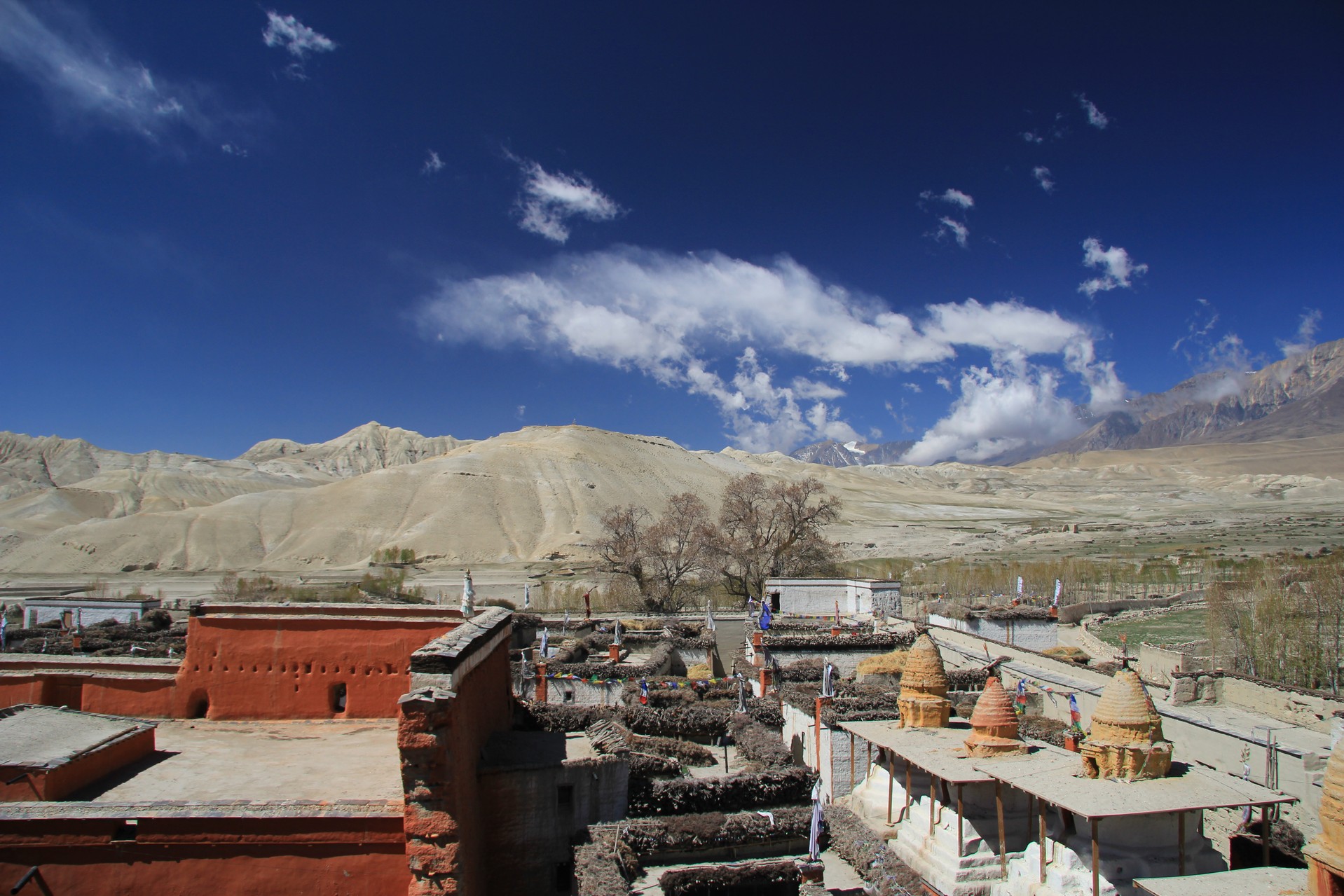
The GHT Trek takes you through the high-altitude deserts of Manaslu, the hidden enclaves of Nar Phu, and the stark, wind-swept plateaus of Upper Dolpo (Days 90 to 123). These are known as the Forbidden Valleys, which were closed to the outside world for decades and preserved a way of life that has vanished elsewhere. Bon Po, the native, pre-Buddhist religion of Tibet that existed before the Dalai Lamas came, is the cultural center of this section. You can see the living practice of "Yungdrung Bon" (Eternal Bon) in villages like Chharka Bot and Ringmo. The most obvious difference for a trekker is the way that Bon practitioners do their Kora (circumambulation) of Chortens and Mani walls: they walk counter-clockwise, while Buddhists Walk clockwise. The Dolpo-pa people who live here are pure Tibetan and live in stone houses with flat roofs that look like fortresses and are built to last through the harsh winters of the Himalayas. Their society is based on transhumance, which is when animals move from one place to another during the year, and the Salt Trade, which is when caravans of yaks carry salt from Tibetan lakes over high passes to be traded for grain in the lower valleys.
The people in these valleys have been living together for a long time using old survival strategies, such as fraternal polyandry (where brothers share one wife to keep family land and livestock safe) and a strong reliance on the village Shaman and the Lama, often described through remote Himalayan valley culture Nepal traditions. There are Sky Burial sites all over the landscape, which shows that people believe that the body is just a vessel that should be returned to the elements. These valleys are not allowed to hold festivals, but when they do, they are rare, amazing, and very ritualistic. The Shey Shrub Festival takes place every 12 years (the Year of the Dragon) at the sacred Crystal Mountain in Upper Dolpo. Every year, however, the region celebrates the Shey Festival, where pilgrims walk around the mountain to gain spiritual merit.
In the nearby areas of Manaslu and Mustang, the Tiji Festival (Tenchi) is a highlight. It is a three-day "Chasing of the Demons" ritual in which monks wear masks and dance to honor a god's victory over a demon that caused a drought. In the middle of summer, you might also see the Yartung Festival, a high-energy horse race that people in the Tibetan-speaking world celebrate. During this event, men show off their strength and riding skills by picking up silk scarves from the ground while they are running. These 34 days are the most raw part of the odyssey, when time seems to have stood still for a thousand years and the spirit of humanity is written into the very dust of the high plateau.
5. The Far West: Khas Heritage and the Humli, Bhotia
The final leg of the Great Himalayan Trail Trek (Days 124 to 150) takes you into the Wild West of Nepal, which is the country's most remote, underdeveloped, and culturally different area. The Khas people live in the lower valleys of Jumla and Rara, while the Humli-Bhotia live in the high-altitude areas of Simikot and Hilsa. Jumla is known as the cradle of the Nepali language (Khas Kura) because it was where the roots of modern Nepali identity were first planted during the medieval Khas Empire. The Khas culture here is different from the mainstream Hinduism of the Kathmandu Valley. It is based on Masta Culture, a fascinating form of shamanistic Hinduism that focuses on the worship of the "Twelve Mastas," who are gods of the earth and sky. The Dhami (oracle) is the most important person in each village because they are a link between the gods and people. As you go further north into Humla, the land and people change into the Humli-Bhotia society. These groups are made up of people from Tibet and practice both Buddhism and Bon. Because it is so remote and has so little arable land, Humla is one of the last places on Earth where fraternal polyandry (brothers sharing a single wife) is still practiced as a way to keep family land and livestock from being split up.
The Deuda, a rhythmic circle dance and song where people link arms and have a battle of wits through improvised, poetic lyrics, is the best way to show the Far West's cultural identity. The Deuda is what holds the culture of the area together. It is done at every gathering and campfire for trekkers. Gaura Parva is the most important festival in this area. It celebrates the union of the goddess Gauri (Parvati) and Lord Shiva. Women fast and make Biruda, a mix of five grains, while men do the Deuda dance for days on end. The Lhosar (New Year) is the most important holiday in northern Humla, but it is often celebrated with the Kailash Pilgrimage culture. This is because many locals are the historic guardians of the trade route to Mount Kailash in Tibet.
You might also see the Masta Jatra, where the village Dhamis go into a trance and do amazing things like walking on fire or piercing their tongues to show how powerful the deity is. In these last 27 days, you will see a culture of amazing toughness. The people of the Far West live by the motto "toughness" and survive on red rice, buckwheat, and the rewards of the hard caravan trade. As you get to Hilsa and the end of this GHT Nepal long trekking routes, you leave behind a place where old rituals and a strong, independent spirit make it hard to tell the difference between people, gods, and mountains.
Crossing the Giants: Legendary High Passes of the Great Himalayan Trail
Crossing the Great Himalayan Trail is essentially a journey of "Pass Hopping" over the spine of the world. Your 150-day itinerary includes a mix of classic trekking passes, technical mountaineering cols, remote, rarely-visited gaps and high altitude passes Nepal.
Here are the most famous and challenging passes you will conquer, in order of your journey:
PASSES | REGION | EXPERIENCE |
Nango La (4,776m, 15,669ft) | Kanchenjunga | This is your first major test. It marks the transition from the lush, populated valleys of the Kanchenjunga region into the wild, uninhabited terrain leading toward the Tibetan border. It offers spectacular views of Mt. Kanchenjunga (8,586m) and the rugged peaks of the East. |
Lumba Sumba Pass (5,177 m, 16,985 ft) | Kanchenjunga | Remote wilderness crossing between two isolated valleys with raw, untouched landscapes |
Sele La Pass (4,290 m, 14,075 ft) | Kanchenjunga | Scenic alpine traverse with multiple ridgelines and panoramic mountain views |
The Great Technical Trio (The "Three Cols") | Sherpani Col (5,700m, 18,701ft) | A high-altitude glaciated pass that demands serious mountaineering skills. It is often considered one of the toughest passes in the Himalayas due to its sheer scale and the technical descent onto the Barun Glacier. |
| West Col (6,143m, 20,154ft) | Frequently crossed in conjunction with Sherpani Col, this is often the highest physical point of the GHT. The view from the top is a sea of 8,000m peaks, including Makalu and Everest. |
| Amphu Labsta Pass (5,845m, 19,177ft) | A notoriously steep and icy pass that connects the remote Honku Valley to the Everest (Khumbu) region. The descent involves a technical abseil (rappelling) down a vertical ice/rock wall. |
Renjo La (5,360m, 17,585ft) | Everest (Khumbu) | One of the "Three Passes" of the Everest region. It provides what many consider the greatest view in the world: the turquoise Gokyo Lakes below, with Everest, Lhotse, and Makalu dominating the skyline. |
Cho La Pass (5,420 m, 17,782 ft) | Everest (Khumbu) | Popular yet demanding icy pass linking Gokyo and Everest Base Camp treks |
Kongma La Pass (5,535 m, 18,159 ft) | Everest (Khumbu) | High, rugged crossing with dramatic glacier and valley views |
Tashi Lapcha (5,755m, 18,881ft) | Rolwaling (near your Days 59 to 61) | This pass is the gateway to the "hidden" Rolwaling Valley. It is a high, rocky notch that is often prone to rockfall and requires careful navigation over the Trakarding Glacier. It is steeped in legend, as this is the region where many "Yeti" sightings were historically reported. |
Tilman Pass (5,308m, 17,415ft) | Between Panch Pokhari and Langtang (Days 78 to 79) | Named after the legendary explorer Bill Tilman, this pass is rugged, remote, and seldom trekked. It connects the sacred lakes of Panch Pokhari to the Langtang Valley. There is no permanent trail here; you move over loose scree and ancient glacial moraine. |
Tilman Pass (5,308 m, 17,415 ft) | Langtang | Rarely used, technical route through remote glacial terrain |
Ganja La Pass (5,122 m, 16,804 ft) | Langtang | Challenging and less-traveled pass with steep climbs |
Laurebina La (4,610 m, 15,125 ft) | Langtang | Gradual ascent with sweeping views of Langtang Himal |
Larkya La (5,106m, 16,752ft) | Manaslu (Day 98) | The crowning achievement of the Manaslu Circuit. It is a long, steady climb that rewards you with a panoramic view of Himlung Himal, Cheo Himal, and the massive Annapurna II. The descent into Bimtang is one of the most scenic walks in the Himalayas. |
Thorong La (5,416m, 17,769ft) | Annapurna (Day 105) | The most famous trekking pass in the world. While not as technical as the Sherpani Col, its sheer altitude and the massive 1,600m descent to Muktinath make it a legendary test of endurance. It acts as the bridge between the lush Manang valley and the arid, Mustang-like landscape of Lower Mustang. |
Kang La Pass (5,320 m, 17,454 ft) | Nar Phu (Annapurna) | Remote, culturally rich crossing into hidden valleys |
Mesokanto La (5,099 m, 16,729 ft) | Annapurna | Off-the-beaten alternative with rugged, dry terrain |
Jungben La (5,550m) and Niwas La (5,120m) | Hidden Himalayas / Dolpo (Days 108 to 111) | These passes take you into the "Hidden Land" of Dolpo. They are wild and windswept, marking the entry into the high-altitude desert. |
Sela La (5,094 m, 16,713 ft) | Dolpo | Isolated and windswept crossing through barren landscapes |
Nagdalo La (5,350 m, 17,552 ft) | Dolpo | Remote, physically demanding pass in far western Nepal |
Nyalu La (4,940 m, 16,207 ft) | Humla | Gentle high pass with vast, open Himalayan scenery |
Nara La (4,620 m, 15,157 ft) | Humla | Lower elevation crossing with cultural transitions into Tibetan-influenced regions |
Numa La (5,309m) and Baga La (5,169m) | Upper Dolpo (Days 116 to 118) | These are the twin pillars of the Dolpo trek. Crossing them feels like traveling back in time. They offer views of the Dhaulagiri massif to the south and the desolate, beautiful Kanjirowa peaks to the west. The descent from Baga La leads you to the magical, turquoise Phoksundo Lake. |
Kagmara La (5,115m, 16,781ft) | Dolpo to Jumla (Day 123) | This is your final 5,000m+ hurdle. It is a spectacular pass that looks down over the Kagmara Valley. Once crossed, you leave the high Tibetan plateaus behind and begin the long descent into the greener, forested hills of the Far West. |
Here are the great threshold crossings of the Great Himalayan Trail (GHT) where the journey leaves behind populated valleys and enters a world shaped only by ice, wind and altitude. These are not simply high passes but real rites of passage on some of the most remote Himalayan trekking routes where endurance, skill and mountain awareness are continually challenged.
The Lumba Sumba La Pass (5,160 m, 16,929 ft) emerges in the far eastern Himalaya linking the wild corridors of the Kanchenjunga trekking region with the deep wilderness of Makalu. The approach breaks through long lonely valleys then climbs to moraine ridges and frozen silence. This is a classic high altitude remote trek pass where the experience is more defined by the changing weather, lack of infrastructure and absolute isolation than the path itself.
Sherpani Col (6,135 m, 20,128 ft) is one of the most difficult passes in the entire Himalayan belt, and provides an important link in the trekking circuit of the high route from Makalu to Everest. Here the terrain is severe and technical with steep ice faces, heavily crevassed glaciers and sustained exposure above 6,000 m, 19,685 ft. One of the most extreme alpine trekking passes in the Himalaya, it demands mountaineering-level preparation, precision and resilience every step of the way.
Amphu Lapcha Pass (5,845 m, 19,177 ft) is a stunning crossing between the Everest side valleys and the wild Hinku Valley. It is often considered one of the most technical trekking passes in the Everest region, with near-vertical sections of ice, rope-assisted ascents and exposed descents on unstable terrain. It is less a walking route than a controlled alpine passage through one of the most rugged sections of the high Himalaya.
These crossings together form the technical backbone of the Great Himalayan Trail high route experience, where trekking becomes expedition, navigation becomes instinct and the mountains reveal their most raw and uncompromising character.
The Himalayan Alchemy: A Five-Month Journey Through GHT
The Great Himalayan route is not just a long-distance trek. It is a 150-day transformation across the entire spine of the Himalayas and is often considered as one of the most demanding Great Himalayan Trail trekking routes in the Nepal Himalaya. The journey through remote valleys, high passes and isolated cultures is less about distance than inner change, a process shaped by altitude, silence and survival. For many trekkers it also represents a serious expedition-level commitment, with Great Himalayan Trail Cost Nepal varying widely depending on logistics, permits and level of support.
The journey starts in the humid, lush forests of the eastern Himalaya, particularly the Kanchenjunga trekking region, where heat, rain, leeches and dense jungle act as a natural calcination stripping away modern comfort and mental clutter. The terrain becomes more and more severe as the adventure climbs into the Makalu-Barun region and on to the Everest high route trekking corridors with massive peaks, glaciers and high passes testing both physical endurance and ego as altitude begins to dissolve mental rigidity in front of the 8,000-meter giants. By about halfway through Day 75, the body adjusts and movement becomes more natural and rhythmic, especially in the quiet Nar Phu Valley trekking area and remote landscapes of Upper Dolpo, where isolation brings a deeper self-reflection and awareness, a stage of internal fermentation.
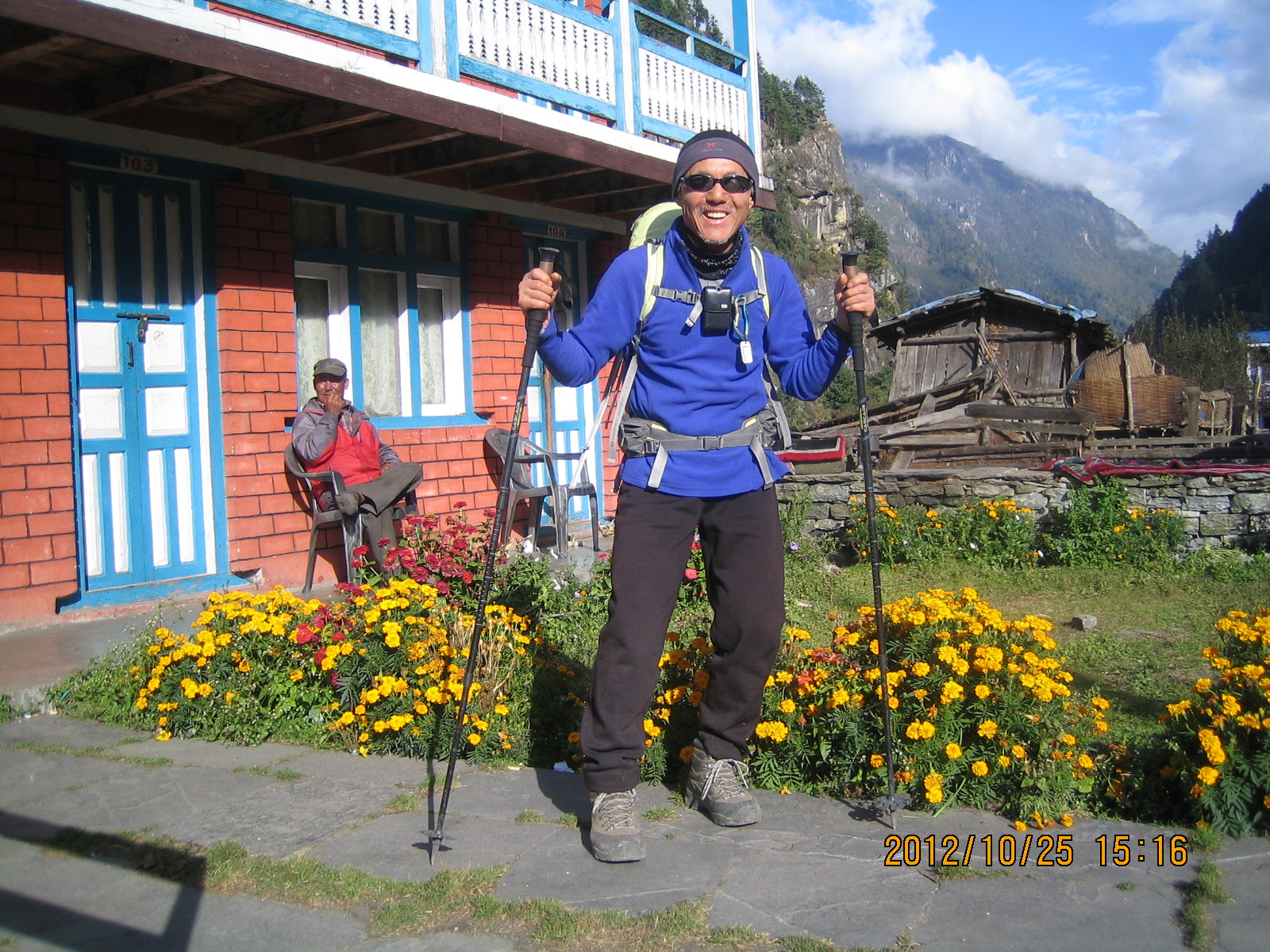
The pathways winds through the hardest parts of the Manaslu circuit trekking routes, the high deserts of Upper Mustang and the remote Himalayan valleys. It's a crucible of resilience where nights can plunge below -20°C, food is scarce and high passes demand total mental focus and acceptance of discomfort. Finally, the western stretch towards Rara Lake trekking region and the wild trails of Humla Limi Valley, the journey softens into stillness, the rhythm of walking becomes meditative and life feels stripped down to its purest form. It is at this last stage where change becomes permanent and the journey does not end as a triumph but as a metamorphosis of the self.
But by the time the journey reaches the far-western borderlands near Hilsa the traveler has changed. You can measure the cost of the Great Himalayan Trail in Nepal in time, effort and logistics, but the real value is in what is left behind comfort, urgency and ego and what is left instead clarity, patience and a deep, grounded connection to the Himalaya that lasts long after the trail has ended.
Nepal, Unfiltered: From Kanchenjunga to Humla on Foot
The GHT expedition takes you through Nepal, Unfiltered. It strips away the polished veneer of commercial tourism and shows you the raw, unvarnished truth of the mountains. The remote trekking in Nepal journey is the last place in the world where you can have an adventure that isn't planned or "instagrammed." This 150-day odyssey takes you far beyond the "apple pie trails" and Wi-Fi-connected tea houses that most people know about. There are no crowds, no paved paths, and no safety nets of luxury here. Instead, you feel a strong connection to the land. "Unfiltered" means facing the Himalayas on their own terms, from the leech-infested jungles of the East to the bone-dry, wind-scoured passes of the West. The weather is a physical force, the routes are often just whispers in the scree, and the silence is so deep it feels heavy.
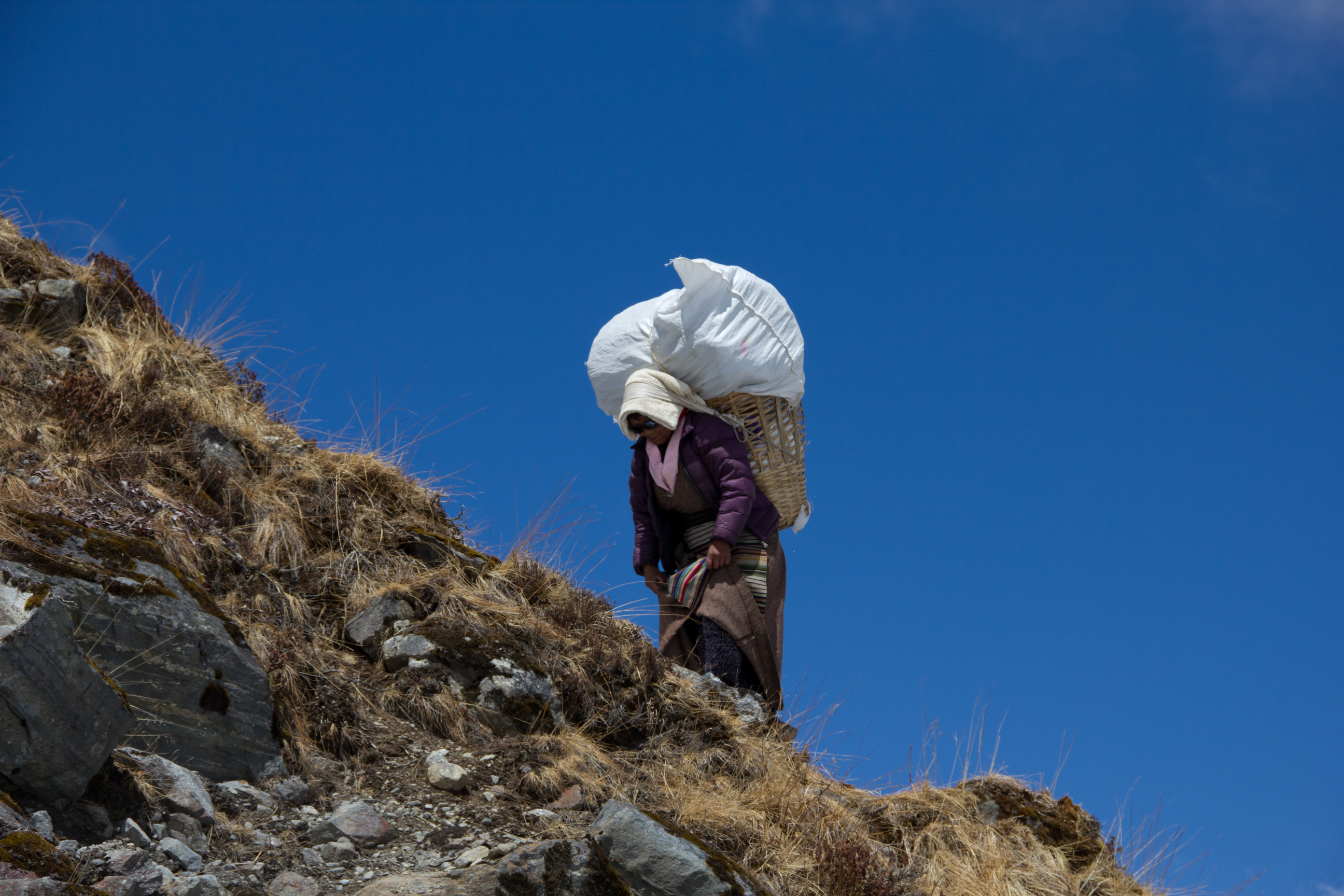
This "unfiltered" reality applies to every part of the trip. Instead of choosing from a laminated tourist menu, culinary authenticity means eating what the locals eat. For example, sharing a bowl of sun-dried Gundruk (fermented greens) in a Lhomi hut or sipping salt-butter tea with a Dolpo-pa nomad. When you sleep in high-altitude camps where the only light comes from the stars and the only sound is the cracking of glacial ice, you are being environmentally authentic. In small towns like Thudam or Olangchun Gola, you are not a client going through a system; you are a rare guest in a world where hospitality is a sacred duty, not a business deal. You see the real Nepal: the hard work of the harvest, the dusty reality of the salt caravans, and the strong, happy people who have lived alone for generations.
In the end, "Nepal, Unfiltered" is a test for the modern soul. It makes the trekker be completely honest. There is no room for pride or ego when you are climbing the technical heights of the Sherpani Col or crossing the empty Kagmara La. You need to pay close attention to the trail, work hard, and be patient. It shows you the mountains in their most basic form: beautiful, scary, and indifferent. But if you can handle the unfiltered grit of the trip, you will get a unfiltered reward: a feeling of accomplishment that is real and hard-earned, and a memory of the Himalayas that is not a postcard but a living, breathing part of who you are. This is the Himalayas without "photoshop" rough, beautiful, and totally real.
Great Himalayan Trail Cost: The Price of a 150-Day Himalayan Odyssey
The cost of a standard package for a 150-day trek across the Great Himalayan Trail Trek ranges from $28,000 to $38,000 per person. This price is based on the huge logistical challenge of crossing the whole length of the Nepal Himalayas, almost like paying for a small expedition for five months. A big part of this investment goes toward a permit wall. The GHT needs a lot of expensive restricted area permits for places like Upper Dolpo, Manaslu, and Kanchenjunga, which can cost thousands of dollars on their own. The professional support team is the most expensive part. You are hiring a lead guide, assistant guides, and a rotating crew of porters for 150 days, which includes paying for their salaries, insurance, meals, and high-altitude gear.
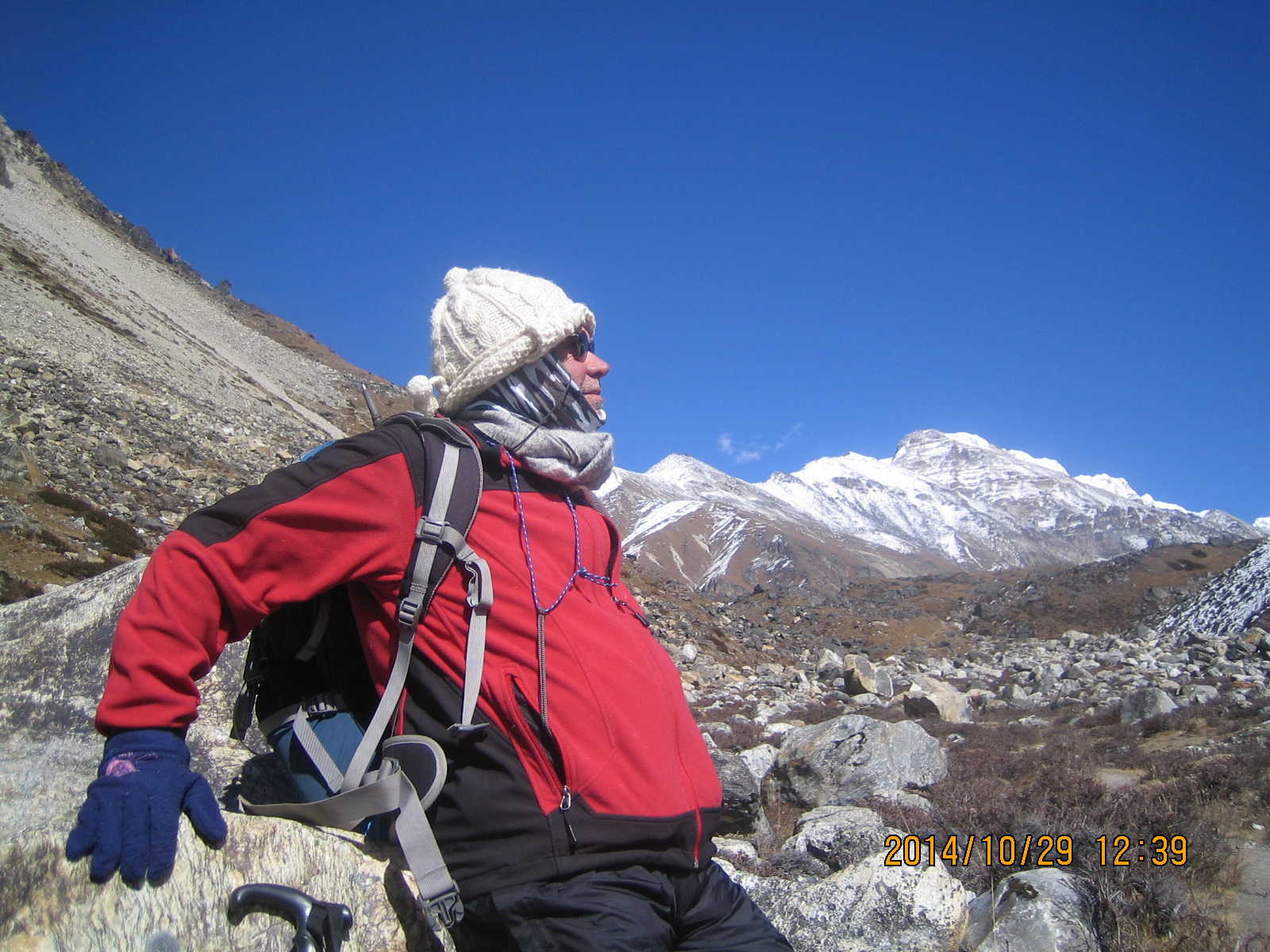
Also, since GHT Nepal long trekking routes goes almost half of the route through uninhabited wilderness where there are no lodges, a standard package must include full camping gear, good four-season tents, kitchen equipment, and a cook along with the complicated planning of supply drops. Every few weeks, the team gets fresh food, fuel, and equipment delivered by jeep or porter to remote mountain junctions. The Great Himalayan Trail Cost Nepal also includes several domestic flights to remote airstrips like Simikot and Bhadrapur, private ground transportation, and important safety gear like satellite phones for emergency communication, medical-grade oxygen, and technical gear like ropes and anchors for the glaciated passes. In the end, a standard package is worth the high price because it gives you the strong logistical support and safety net you need to finish the longest and highest trek in the world.
Why the Great Himalayan Trail is Perfect for Retirees?
Many people think of the Great Himalayan Trail as an extreme athletic feat, but for retirees who have the three things that most younger trekkers don't: time, perspective, and the mental strength that comes from living a good life, it may be the ultimate adventure for trekking in Nepal for seniors.
The calendar is one of the biggest obstacles to the GHT. Most people who work can't take five months off from their lives. Retirees are in a unique position to enjoy Slow Travel. Retirees can afford the 150-day pace instead of the 14-day pace of the Everest Base Camp trek. This lets the body adjust more naturally and deeply. Time is the best safety feature on the GHT. It lets you take extra rest days when you're tired and wait for the right weather at high passes.
A 25-year-old might be able to lift more weight, but the GHT is a marathon of the mind. It's about getting up on Day 80 and Day 120 with the same quiet determination. These timeless travelers frequently exhibit a steady-state mental resilience cultivated over decades of life's fluctuations. This maturity is important when you're alone in Upper Dolpo or when the weather in the Himalayas is unpredictable. Older trekkers are usually better at managing their energy levels for the long haul, being more patient with logistics, and respecting local customs, especially when planning complex expeditions where factors like Great Himalayan Trail Cost Nepal also require careful long-term budgeting and realistic preparation.
One of the best things you can do for your aging body is to walk for 5 to 7 hours every day. Long-distance trekking is great for your heart and bones without the sudden shocks that can hurt you, unlike high-impact sports. The body goes through a biological recalibration during a 150-day trek. Many seniors say that by the third month, they feel more energetic, lean, and alive than they have in decades. The GHT becomes a "fountain of youth" when you move in a steady, rhythmic way.
For the Second-Chapter Explorers, the GHT is often more about the Living Museum than the height. Younger trekkers may be more interested in conquering passes, but retirees often find more satisfaction in spending time in a Sherpa kitchen or a Lhomi village. They often have a better understanding of the history, the old Bon customs, and the complicated tapestries of faith that can be found along the trail. The GHT gives retirees the mental and spiritual stimulation they need to keep growing instead of getting stuck.
Great Himalayan Trail Nepal is the "Mount Everest" of hiking. Completing the GHT is a powerful statement of ability and a great legacy to leave for one's family for someone who is entering their third act of life. It shows that the spirit of adventure never dies. It turns retirement into an adventure, turning a "rest period" into a time of world-class achievement that very few people on Earth will ever match.
Great Himalayan Trail Itinerary: Designed for Real-Life Schedules
People often think of the Great Himalayan Trail itinerary as a long, 150-day trip, but in reality, it is much more flexible. You can shape the trip around your life instead of the other way around. The highland trek doesn't require you to walk it all at once; instead, it lets you walk it in meaningful sections, so you can stop, go back, and continue when you have the time, energy, and inspiration to do so. This way, the GHT changes from a long hike into a series of connected adventures, each of which is its own story but also part of a larger one.
The adventure naturally splits into three main parts: Eastern, Central, and Western Nepal. Each part has its own unique experience and is easy to plan for. The Eastern Section, which runs from the Kanchenjunga Region through the wild corridors of Makalu Barun National Park to the Everest Region, is one of the most remote and exciting parts of the journey. It usually takes 40 to 50 days to complete all at once, but it can also be broken up into shorter treks of 2 to 3 weeks each. This part is great for people who want to be alone in the wild and for people who want to take on the hardest terrain in stages.
The Central Section goes west and connects the famous trekking areas of Nepal, from Everest through Langtang Valley, Manaslu, and into the Annapurna Region. This part is naturally easier to get to because it has established trails and infrastructure. You can do the whole thing in 50 to 60 days, or you can break it up into classic standalone treks like the Everest Base Camp, Manaslu Circuit, or Annapurna Circuit, which usually last 12 to 20 days. For a lot of people, this part is the best way to see the GHT: walking it in small parts over several visits without losing depth or authenticity.
The Western Section is a wild and rarely traveled area that goes through the magical landscapes of Dolpo and the far reaches of Humla. It is located further to the west. This part usually takes 40 to 50 days, but you can also do it in shorter trips that focus on areas like Upper Dolpo or Simikot–Hilsa. This is where the feeling of timelessness is strongest, and where it becomes not just useful but necessary to break the trip into stages.
The fact that this structure can change is what makes it so strong. Trekkers can make their own schedule by walking one section each year, coming back season after season, or even spreading the trip out over several years. This method is especially useful for people who have to balance work, family, or other obligations, as well as for experienced explorers who like to go at a slower, more immersive pace. Every time you go back to the pathway, it doesn't feel like you are starting over; it feels like you are continuing a deeply personal journey.
Nepal's expanding network of flights, roads, and route access points makes this modular approach possible. Lukla, Jomsom, and Simikot are important entry and exit points that let you start or finish parts of the traverse without having to do the whole thing at once. At the same time, it's still important to plan around the seasons because different parts of the GHT are best seen at different times of the year.
The Great Himalayan Trail Nepal doesn't have a set schedule; it is defined by freedom. The experience is just as deep whether you walk it all at once or in parts over the course of years. The mountains don't count your journey in days; they count it in steps. The trail will always be there, waiting for you to pick up where you left off.
The Elite 1%: Join the Handful of Humans to Ever Cross the Spine of Nepal
People who embark on the 150-day GHT Nepal long trekking routes are part of a small group of adventurers that is even rarer than people who have climbed Mount Everest. More than 10,000 people have climbed to the top of the world's tallest mountain, but fewer people have walked the entire length of the Great Himalayan Trail than have gone into space. This is the "Elite 1%" of the global trekking community extreme trekking in Nepal. These people want more than just a picture of a summit. This trip is a "Horizontal Everest," a 1,700-kilometer test of endurance that most modern travelers will never have to go through. When you commit to the full spine of Nepal, you become more than just a trekker; you become a modern explorer, joining a small group of people who have seen the whole Himalayan range in one breath.
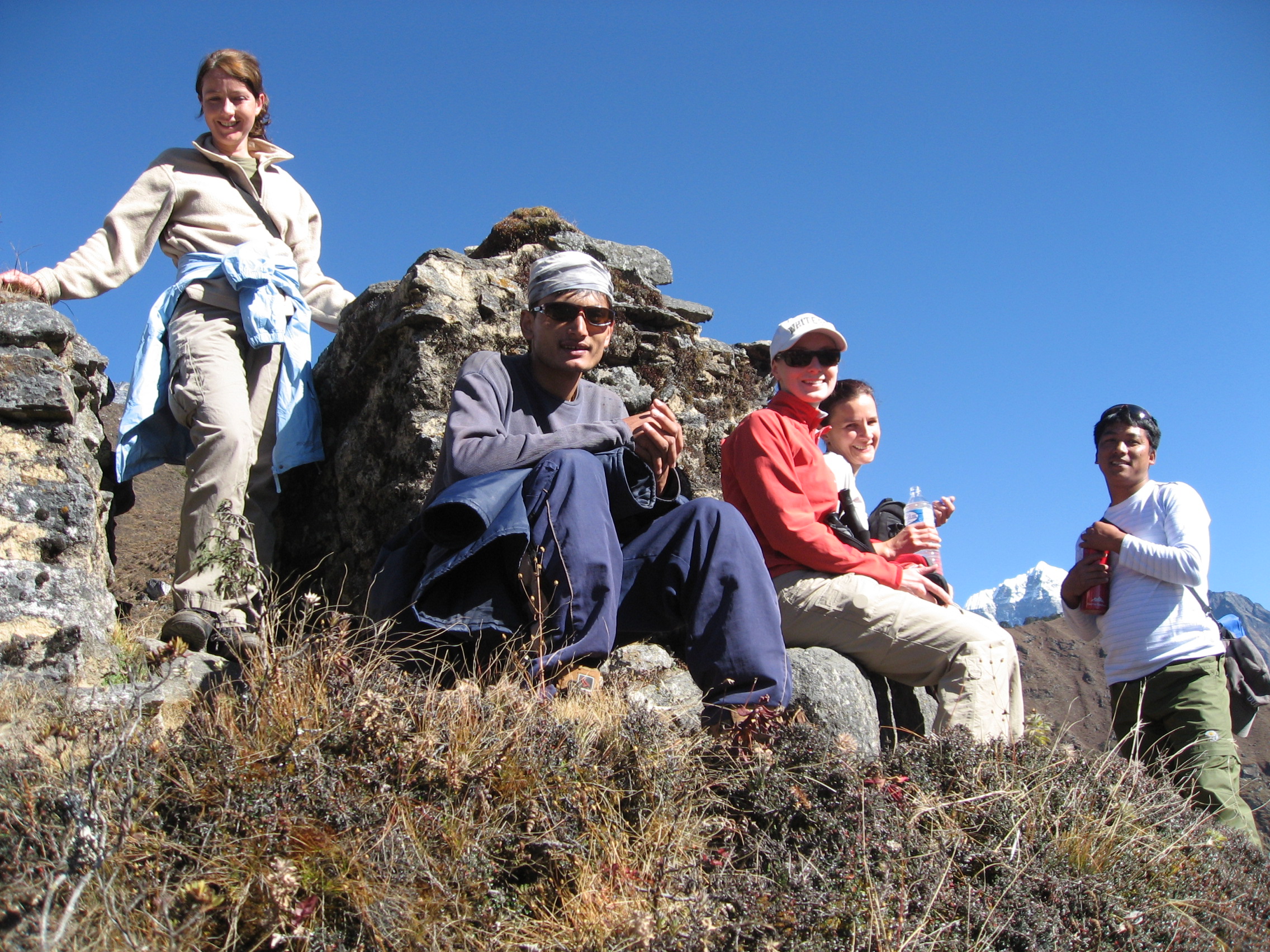
Being in this elite group means having the rare strength to get through 21 weeks of the toughest terrain on Earth. It is an accomplishment that is much more prestigious than the commercialized circuits of the Khumbu or Annapurna. You are choosing to walk the unmapped paths, cross technical glaciers that helicopters can't get to, and sleep in valleys that only see a few foreigners a year. The "Elite 1%" are those who value the whole experience, which includes seeing how the geology, languages, and gods change from the far eastern border of Kanchenjunga to the western edge of the Karnali River. You will leave your mark on the history of Himalayan exploration by finishing this trek. You come home not only with a lot of stories, but also with a quiet, unshakeable pride in having completed the longest and highest trekking route on Earth. Great Himalayan Trail Nepal is still one of the last great challenges in nature.