
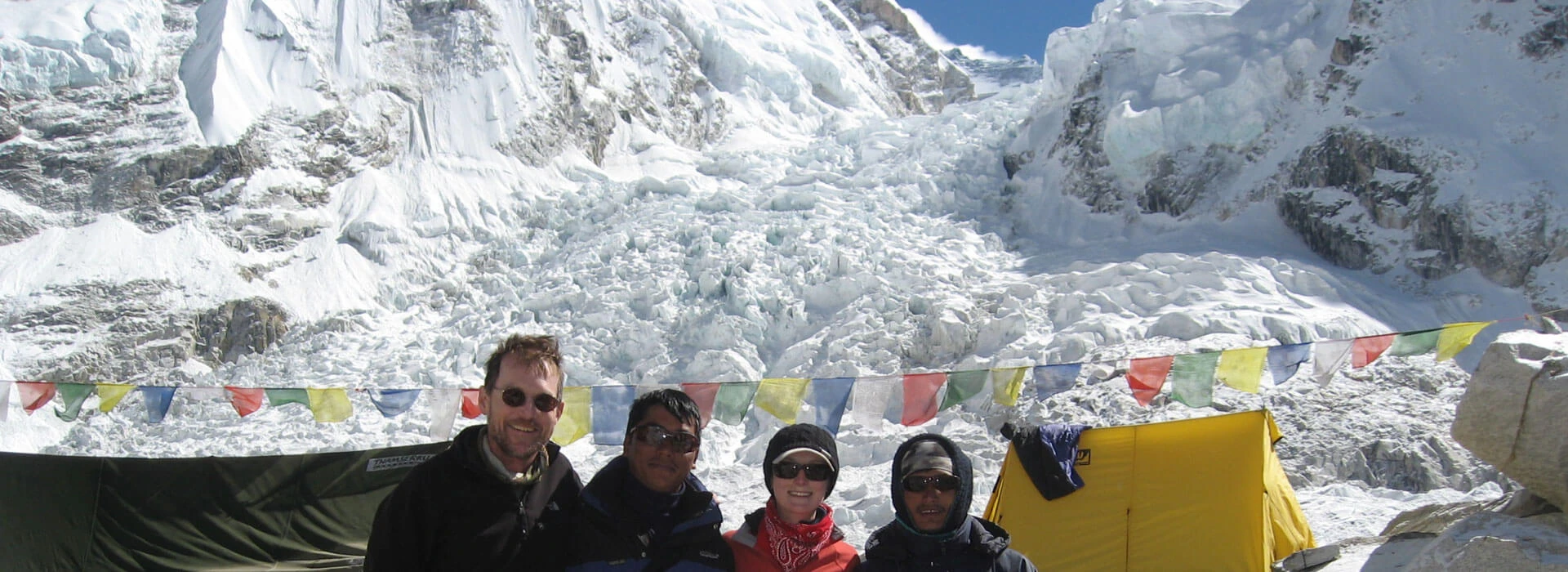
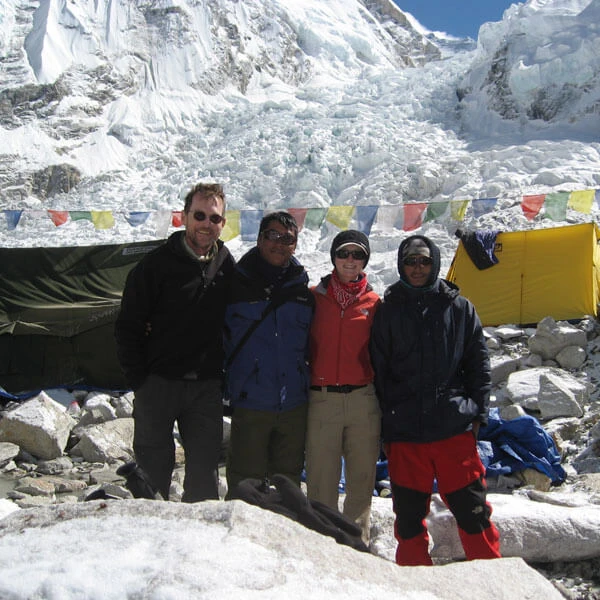
For a young trekker, few moments feel more rewarding than standing at 5,364 meters, wind-bitten cheeks, breath short, staring up at the same wall of ice and rock that draws climbers from every corner of the world, and realizing you walked here on your own two feet. An Everest Base Camp Trek with Kids aged 7 and above isn't a scaled down version of the adult trek. It's the same mountain, the same trail, the same Sherpa villages and swinging suspension bridges, just paced with the patience a growing body and a young mind actually need.
The EBC trek should not be underestimated or marketed as an easy experience. Within 20 days, your family walks from Lukla to Base Camp and back, gaining more than 5,000 meters of altitude along the way, through genuinely demanding terrain that asks real endurance of everyone in your group, not just the adults. But it's also, quietly, one of the more forgiving ways to introduce a young adventurer to serious mountain travel, precisely because it's built around teahouses rather than tents, well established trails rather than technical climbing, and several dedicated acclimatization days that turn rest into short, engaging hikes instead of idle waiting.
This itinerary also isn't the classic out and back route many EBC treks follow, and that's a deliberate choice for families. Rather than pushing straight from Phakding to Namche Bazaar in one long, demanding climb, the trail is split across two gentler days with an overnight in Monjo along the way, easing the pace right at the start of the trek when young legs are still finding their rhythm. And instead of retracing the same trail on the way down, as most classic itineraries do, this route loops back through Phortse, one of the quietest and least-visited villages in the Khumbu, giving your family fresh scenery on the return rather than walking the same path twice.
The questions every parent asks before booking this trip are worth answering plainly. Is it safe? Yes, families complete this trek every season with proper preparation, an experienced guide, a slow pace, and close attention to how your young trekker responds to altitude. What age is right? There's no single number that works for every family, but most operators, including Nepal Nomad, look for young trekkers who can comfortably manage multiple hours of walking on uneven terrain and have had some real hiking experience beforehand, not just enthusiasm. How hard is it, really? Moderate to challenging is an honest description here; some days involve six or more hours of walking, and the altitude is the genuine test, not the distance.
What makes this trek worth the effort, though, goes beyond the summit photo at Base Camp. It's Namche Bazaar's steep market streets and the hum of teahouse life, monks' chants drifting out of Tengboche Monastery against a wall of Himalayan peaks, prayer flags snapping in the wind over villages that have looked much the same for generations. For your young trekker, it's an education no classroom can replicate. For your family, it's twenty days of shared effort, shared awe, and the kind of memory that tends to outlast almost everything else from childhood.
- A milestone Himalayan trek, paced deliberately for families trekking with young adventurers
- A dramatic scenic flight into Lukla, one of the most thrilling short flights in the world
- Namche Bazaar's lively market streets and teahouse charm, with a built in acclimatization stop
- Short, kid friendly acclimatization hikes that turn rest days into exploration rather than downtime
- Tengboche Monastery, framed by some of the most striking mountain scenery on the entire route
- Sherpa villages alive with prayer wheels, fluttering prayer flags, and everyday mountain life
- Everest Base Camp itself (5,364 m / 17,598 ft), a genuine, earned achievement at any age
- Sweeping views of Everest, Lhotse, Nuptse, Ama Dablam, and the surrounding Himalayan giants
- Swinging suspension bridges, pine forests, and yak trails that keep young trekkers genuinely engaged, not just enduring the walk
- Experienced guides and porters supporting your family every step of the way
- A pace built around real acclimatization, not just distance, so the altitude stays manageable for younger trekkers
- A shared family accomplishment: adventure, culture, and time together, all at once, in the Himalayas
What Age Is Right for an Everest Base Camp Trek with Kids?
Actually, there is no single magic number here, and any guide that gives you one flat age cutoff is oversimplifying a genuinely individual decision. What matters far more than a birthday is whether your young trekker has real hiking experience, can walk for several hours across multiple consecutive days, and has shown they can handle physical discomfort without it turning into distress. Having said that, most EBC trek with children itineraries, this one included, are generally built around young trekkers aged 7 and up, since that's typically when the combination of physical stamina, emotional resilience, and the ability to communicate how they're feeling at altitude starts to line up reliably.
Physical readiness is the easier half of this to judge. A young trekker who already enjoys hiking, who's comfortable on uneven terrain, and who's logged a few full days on local trails without much complaint is in a strong starting position. The harder, more important half is altitude tolerance, which genuinely cannot be predicted in advance. Even very fit adults respond to thin air unpredictably, and young trekkers are no different; a strong hiker on flat ground can still struggle above 4,000m, while a less athletic young adventurer can sometimes acclimatize just fine. This is exactly why the itinerary builds in several dedicated acclimatization days rather than assuming fitness alone will carry a young trekker through.
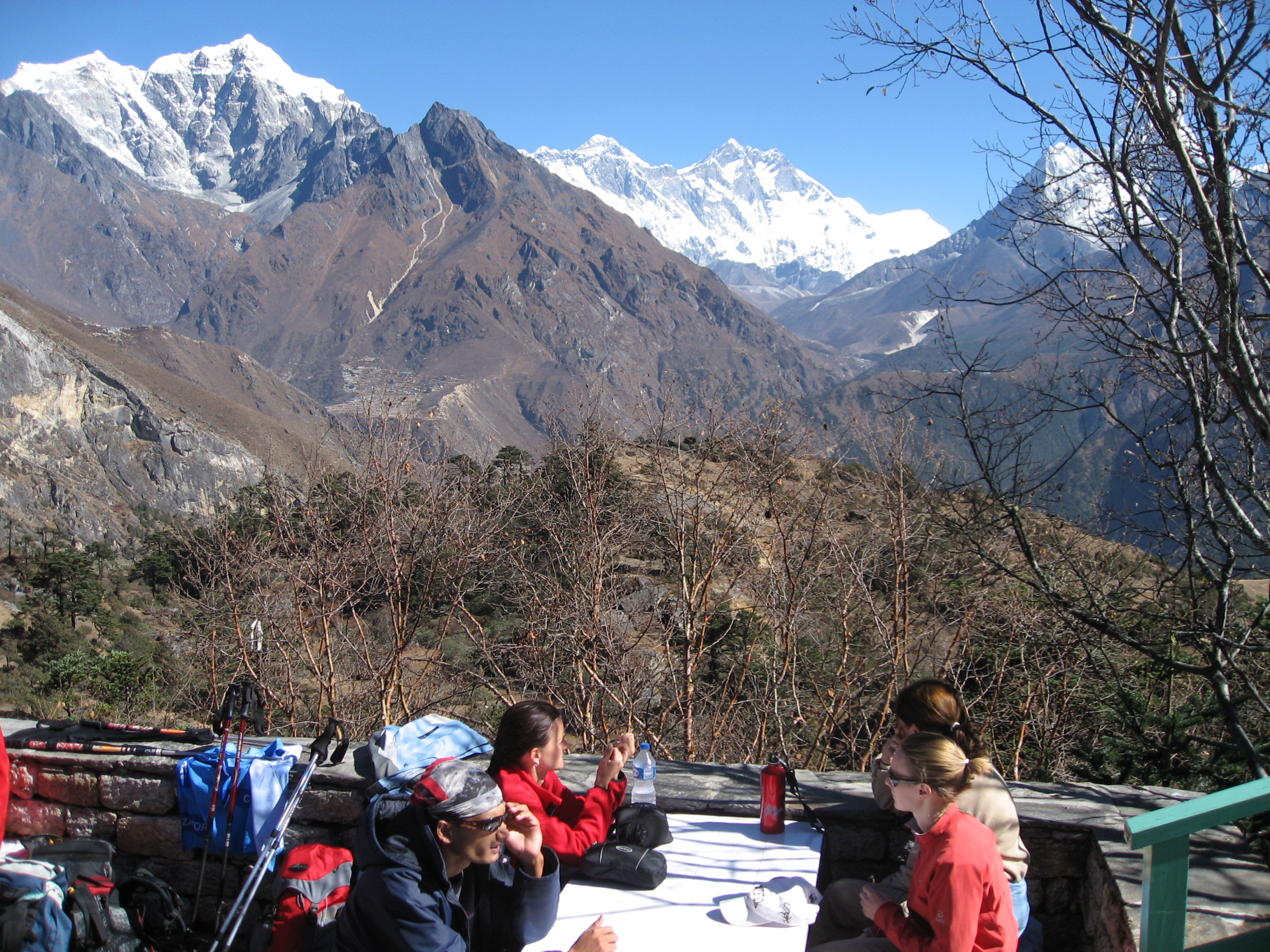
Just as important as physical readiness is temperament on the trail. Young adventurers who do well here tend to be naturally curious, reasonably patient with slow, repetitive days, and comfortable being away from home comforts, hot showers, familiar food, and screens for close to three weeks. A young trekker who's easily bored, prone to homesickness on shorter trips, or resistant to walking for its own sake is likely to have a harder time here than one whose fitness level is only average but whose attitude toward the adventure is genuinely enthusiastic.
It's also worth thinking about your whole family group, not just your youngest trekker. Families traveling across generations, grandparents included, sometimes ask whether everyone can realistically do the same itinerary together. For older family members joining the trip, a dedicated Everest Base Camp Trek for Seniors itinerary, built around a slower pace and extra acclimatization days, is often a better fit than trying to stretch one single itinerary across every age in your family.
Ultimately, age is a starting filter, not a guarantee either way. Your honest answer to “is my young trekker old enough” is usually found in a longer, harder local hike beforehand, not in a number on a calendar.
Is Everest Base Camp Safe for Children? Altitude and Health Considerations
Safety at altitude is the question every parent should ask before booking, and the honest answer is nuanced: you can do this trek safely with young trekkers as young as seven, but only with proper preparation, an experienced guide, and a genuine willingness to slow down or turn back if your young adventurer's body signals trouble.
Altitude sickness is the main risk on this route, and it doesn't discriminate by fitness or age. A young trekker who's been running trails for months can still develop symptoms above 4,000m, while a less athletic sibling might acclimatize without issue. What makes young trekkers a particular focus here is communication. Younger trekkers sometimes struggle to describe what they're feeling clearly; a headache might come out as general crankiness, nausea might just look like appetite loss, so you and your guide need to watch behavior closely rather than relying only on your young adventurer's own reporting.
Early warning signs are worth knowing before departure: persistent headache, unusual fatigue, loss of appetite, nausea, or difficulty sleeping. None of these should be brushed off as a bad day. The standard response is to stop ascending, rest, and monitor closely, and if symptoms worsen, descend without hesitation. This is precisely why the itinerary includes several built-in acclimatization days at Namche Bazaar and Dingboche, giving the body real time to adjust before pushing higher, rather than treating rest days as optional.
Beyond altitude, general health preparation matters too. Here, a pre-trek medical check-up is strongly recommended for every family member, particularly for young trekkers with asthma, existing respiratory conditions, or a history of altitude-related issues on previous trips. High-altitude trekking insurance with emergency evacuation coverage is non negotiable for your whole family, since helicopter rescue is the fastest, and sometimes only, way off the mountain if a serious problem develops.
For families who'd rather ease into high-altitude trekking with a shorter, less demanding introduction before committing to the full Everest Base Camp for kids itinerary, the Classic Everest Base Camp Trek offers a useful comparison point for pacing and difficulty, worth reviewing alongside this family itinerary when deciding what fits your group.
No amount of planning eliminates altitude risk, and that's worth saying plainly rather than glossing over. What proper preparation does is stack the odds firmly in your family's favor: slow pacing, close observation, a guide experienced with young trekkers, and a plan everyone agrees to follow if symptoms appear.
How Much Does a 20 Day Everest Base Camp Tour for Kids Cost in 2026
Family trips tend to run a bit higher than a standard EBC package, and it's worth understanding why before comparing prices across operators. The added days for gentler pacing, the extra attention a guide gives a group with young trekkers, and the built-in flexibility to slow down or adjust if your young adventurer needs it all add real cost, even though the route itself is the same one every trekker walks.
For 2026, a well organized 20 day family itinerary typically runs $2,200 to $2,900 per adult, with young trekkers usually priced similarly or slightly lower depending on the operator, since permit and guide costs don't scale down much per person on a smaller trekker. This generally includes domestic flights between Kathmandu and Lukla, the Sagarmatha National Park and Khumbu Pasang Lhamu permits, teahouse accommodation and meals throughout the trek, and a guide and porter team experienced with families. It typically excludes international flights, Nepal visa fees, personal travel insurance, and any Kathmandu sightseeing add-ons built into this itinerary.
A few things push family pricing higher than a standard package specifically. The extra days built into this itinerary compared to a typical 14 day trek add real cost in extra guide, porter, and accommodation fees, and the additional acclimatization stops (like the Namche to Everest View Hotel day and the extra rest built in around Dingboche) mean more nights on the trail overall. You'll also often prefer a private departure rather than joining a mixed group, so the pace and rest schedule can be built entirely around your young trekkers rather than compromised for other trekkers, and private departures generally cost more per person than a shared group trip. Smaller families or a single parent trekking with one young adventurer will usually pay more per person than a larger family group, since guide and permit costs are spread across fewer people.
A few costs are worth budgeting for separately, since they're easy to underestimate. Hot showers, Wi-Fi, and charging typically cost a few dollars each per use once above Namche Bazaar, and these add up quickly across your family over 20 days. Snacks and treats along the trail, genuinely useful for keeping young adventurers motivated on longer walking days, aren't usually included in the package price either. High-altitude travel insurance with emergency evacuation coverage is essential for every family member and should be arranged well before departure, not treated as optional.
As with any Everest Base Camp trek, pricing shifts by season, group size, and operator, so it's worth confirming current figures directly before booking rather than relying on last year's numbers. What tends to matter more than shaving a few hundred dollars off the total, though, is what that price actually buys: a guide genuinely experienced with young trekkers, a pace built around real acclimatization rather than a fixed schedule, and the flexibility to slow down without it feeling like a failure if your young adventurer needs an extra rest day. For a family trek at altitude, that flexibility is often worth more than the savings from the cheapest available package.
Short Everest Base Camp Trek with Kids: 16 Day Itinerary with Helicopter Return
Not every family has three weeks to spare, and not every young trekker wants to retrace the same trail on the way back down after already reaching Base Camp and Kala Patthar. For families in that position, Nepal Nomad offers a shorter, 16-day alternative that follows the same route up to Base Camp, then swaps the multi-day walk back down for a scenic helicopter flight straight from Gorak Shep to Lukla.
Why choose this route over the full 20 day itinerary?
Fatigue and physical toll: By the time your family reaches Gorak Shep and Kala Patthar, young trekkers have already put in nearly two weeks of demanding, high-altitude walking. A helicopter return means your family gets to skip four more days of descent on already-tired legs, right when energy reserves are lowest.
Limited time off: Not every family can take a full three weeks away from school and work. This version delivers the same summit achievement, Base Camp and Kala Patthar both included, in noticeably less time.
Less interest in repeating the same trail: Many trekkers, young ones especially, find the walk back down less compelling than the walk up, since it's largely the same scenery in reverse. A helicopter return skips that repetition entirely.
A genuinely thrilling bonus experience: For most young trekkers, a helicopter flight through the Khumbu is a highlight in its own right, low-altitude views of the same peaks and villages your family just walked through, seen from an entirely new perspective.
Reduced altitude exposure on tired bodies: Fewer days spent descending at altitude means less cumulative fatigue-related risk during the part of the trip when concentration and footing matter just as much as they did on the way up.
16 Day Outline Itinerary
Day 01: Arrival in Kathmandu 1,324 m (4,344 ft)
Day 02: Exploring Kathmandu, Bhaktapur, and Lalitpur (trek preparation)
Day 03: Fly to Lukla and Trek to Phakding 2,610 m (8,562 ft)
Day 04: Phakding to Monjo
Day 05: Monjo to Namche Bazaar 3,440 m (11,286 ft)
Day 06: Acclimatize at Namche Bazaar 3,440 m (11,286 ft)
Day 07: Namche Bazaar to Tengboche 3,867 m (12,687 ft)
Day 08: Tengboche to Dingboche 4,360 m (14,304 ft)
Day 09: Acclimatization in Dingboche 4,360 m (14,304 ft)
Day 10: Dingboche to Thukla
Day 11: Thukla to Lobuche 4,910 m (16,108 ft)
Day 12: Lobuche to Gorak Shep, Kala Patthar in the afternoon
Day 13: Gorak Shep to Everest Base Camp and back to Gorak Shep
Day 14: Gorak Shep, fly by helicopter to Lukla 2,860 m (9,383 ft)
Day 15: Lukla to Kathmandu
Day 16: Departure from Kathmandu
How much does the 16 days EBC Trek for Kids with Helicopter option cost in 2026?
The 16-day itinerary typically runs a little higher than the standard 20 day trekking version, despite covering four fewer days on the trail, because the helicopter segment itself carries real cost. For 2026, expect a per-adult price in the range of $2,600 to $3,400, with young trekkers usually priced similarly. It generally includes the same trekking package inclusions as the 20-day itinerary, permits, teahouse accommodation, meals, and guide and porter support, plus the shared helicopter transfer from Gorak Shep to Lukla, which alone typically costs $500 to $700 per person. Families wanting a private charter rather than a shared seat should expect a meaningfully higher cost, since a private helicopter is priced per flight rather than per person.
It's worth weighing the trade-off honestly: the 16 day version costs more overall despite being shorter, since you're paying for speed and comfort rather than saving money by cutting days. For families where time is the tighter constraint, or where a young trekker's energy and enthusiasm are clearly fading by the time Base Camp is reached, the trade-off is often well worth it.
The Flight to Lukla: What to Expect (and Why It's an Adventure, Not a Worry)
For most young trekkers, the flight to Lukla is the moment the whole trip stops feeling like a plan and starts feeling like a real adventure. It's a short, dramatic ride aboard a small twin-engine aircraft, usually a Twin Otter or Dornier carrying around 16 to 18 passengers, small enough that every seat is effectively a window seat, with clear views straight down over the landscape below rather than looking past a stranger's shoulder.
The views themselves are part of what makes the flight unforgettable. Within minutes of leaving Kathmandu's crowded valley, the plane climbs over layered green foothills, terraced farms stepping down hillsides like giant staircases, and winding rivers cutting through the landscape far below. As the flight continues, the hills give way to increasingly dramatic, forested ridgelines, and on a clear day, the first white peaks of the Himalayas start to appear on the horizon, a preview of the mountains your family will spend the next several weeks walking toward. The final approach into Lukla is the most memorable stretch of all; the plane banks toward a narrow mountain valley before touching down on a short, steeply angled runway carved directly into the hillside.
Lukla's airport has earned a dramatic reputation online, often labeled the world's most dangerous, mostly because of that short runway and steep mountainside setting. In practice, pilots flying into Lukla are among the most experienced and highly trained in Nepal, specifically certified for exactly this kind of approach, and the airport has operated safely for decades as the primary gateway into the Khumbu region. It's worth mentioning to young trekkers ahead of time so the landing feels thrilling rather than frightening; a short, steep runway on a mountainside is simply part of what makes the arrival so memorable.
One important logistical detail worth knowing well before departure: during peak trekking season (spring and autumn), most Lukla flights don't actually depart from Kathmandu at all. Air traffic congestion at Kathmandu's domestic terminal has pushed the majority of Lukla flights to Manthali Airport in Ramechhap instead, which means an early departure from your Kathmandu hotel, often around 1:30 to 2 AM, followed by a 4 to 5 hour drive east through the hills before boarding a shorter, roughly 15 to 20 minute flight into Lukla. It's an early, long start to the day, but it's built into the itinerary and handled by your guide and driver, so your family simply needs to be ready to go, not responsible for arranging any of it.
Weather occasionally causes delays regardless of departure point, since flights only operate in clear morning conditions, and cloud cover can push departures back by a few hours or, less commonly, a full day. Guides build a little flexibility into the schedule for exactly this reason, and on the rare occasion delays stretch longer, a helicopter transfer is generally available as a backup option to keep your itinerary on track.
For young travellers, a window seat is well worth requesting; the views over the foothills and into the mountains are genuinely spectacular, and it's a great moment to start a simple "spot the landmark" game: counting rivers, waving at farmhouses below, or trying to be the first to catch sight of a snow-capped peak. By the time the plane touches down on Lukla's short runway, most kids are already grinning, already asking when the trek actually starts.
Preparing Your Kids for an Everest Base Camp Trek
Physical preparation for a young trekker heading into an Everest Base Camp family trek should start months before departure, not weeks. The trail itself doesn't require athletic ability, but it does demand sustained walking endurance, several hours a day, on uneven terrain, for close to three weeks straight, and that kind of stamina is built gradually rather than crammed in at the last minute.
Regular walking and hiking in the months leading up to departure make the biggest difference. Weekend hikes on local trails, gradually increasing in both distance and elevation gain, help your young adventurer's body adapt to sustained movement and give you a realistic read on how they handle fatigue, weather, and discomfort outside a familiar environment. Ideally, your family fits in at least a few full-day hikes before departure, since there's a real difference between an hour on flat ground and six hours on a mountain trail, and it's far better to discover that gap at home than partway up to Namche Bazaar.
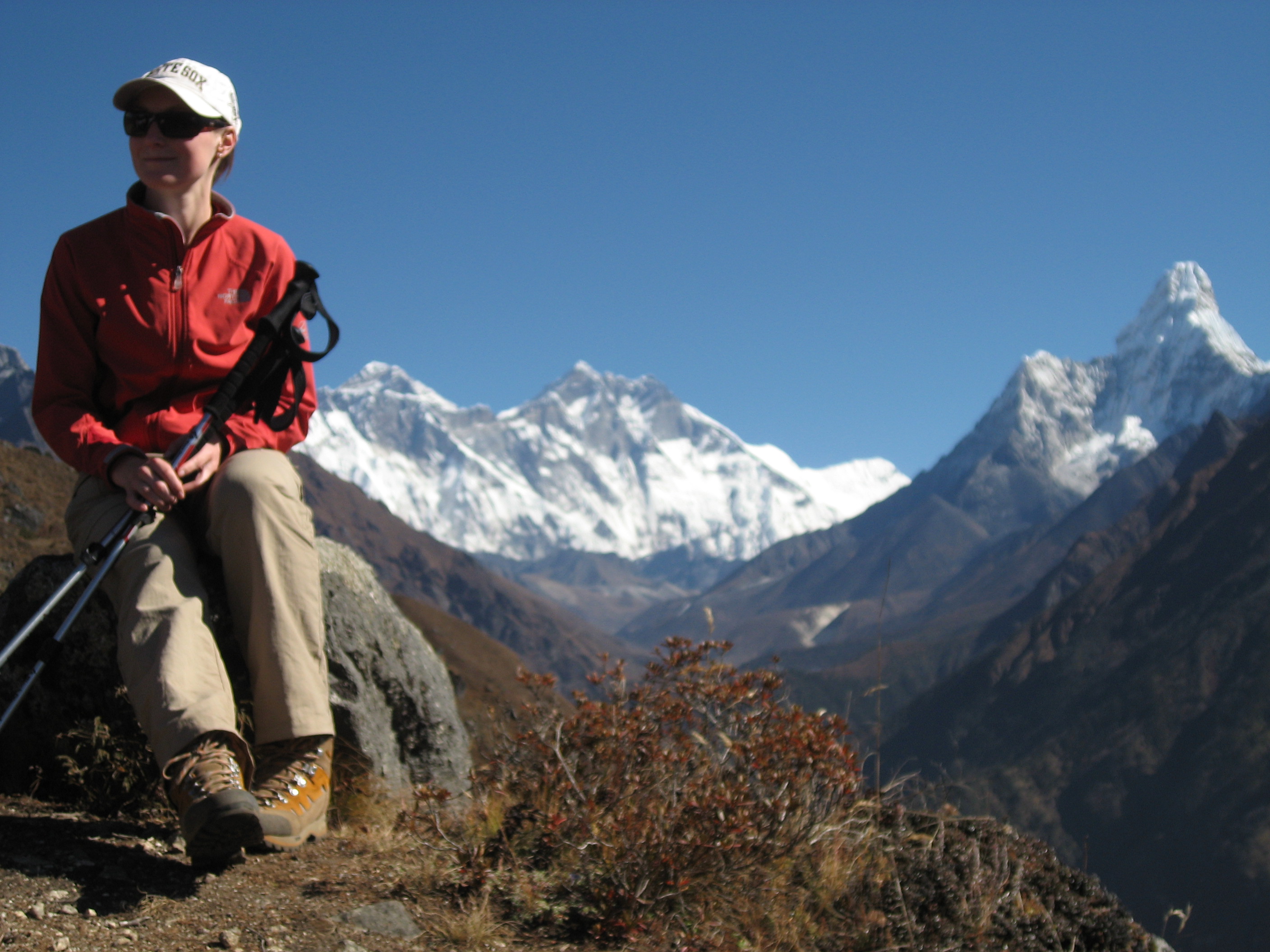
Practice hikes are also an opportunity for your family to test gear together: broken-in boots, a properly fitted daypack, and layered clothing all matter more once altitude and cold enter the picture. A local trail is the safest place to discover a blister or an ill-fitting boot before it becomes a real problem on the mountain.
Mental preparation matters just as much as physical readiness, and it's often the piece parents underestimate. Long walking days, unfamiliar food, no reliable Wi-Fi, and being away from home comforts for close to three weeks can genuinely wear on a young trekker who hasn't been prepared for it. Talking openly beforehand about what the trip will actually involve- long days, cold nights, simple teahouse meals- tends to soften the adjustment considerably once your trek is underway.
Getting comfortable with long walking days is really the cumulative goal of all this preparation. A young adventurer who's used to spending hours outdoors, walking steadily rather than in short bursts, and managing mild discomfort without it becoming a crisis, arrives at Lukla genuinely ready rather than simply along for the trip. That readiness ends up shaping your whole family's experience on the trail far more than any single piece of gear or itinerary detail.
Medical Preparation and Health Check Before EBC
A pre-trek medical consultation is one of the most important, and most commonly skipped, steps in preparing for an Everest Base Camp for families trip. Every family member, young trekkers included, should see a doctor specifically to discuss the planned altitude and trek duration, ideally several weeks before departure rather than the week before flying out.
Existing health concerns deserve honest, specific conversation at that appointment. Asthma, other respiratory conditions, heart issues, or a history of altitude sickness on previous trips are all worth flagging directly, since a doctor familiar with your young trekker's health history is far better positioned to advise on readiness than a general internet search. Being generally healthy doesn't automatically mean your young adventurer's body will respond well to sustained altitude, and this appointment is where that gets properly assessed rather than assumed.
Medications and first-aid supplies should be planned well in advance too. Any regular prescriptions need to be packed in sufficient supply for the full 20 days, kept in original packaging, and carried in a daypack rather than checked luggage. A well-stocked family first-aid kit matters as well, covering basics like blister treatment, fever and pain relief suitable for young trekkers, and any condition-specific medication a family member depends on regularly.
Travel insurance with emergency evacuation coverage is non-negotiable for every family member on this trip, not an optional add-on. Standard travel insurance typically doesn't cover trekking at this altitude at all, so a policy specifically covering high-altitude trekking and helicopter evacuation is essential, and it's worth confirming the policy covers young trekkers at the same level as adults, since some providers apply different terms by age. Given how remote parts of this route are, evacuation insurance isn't just paperwork here; it's genuinely the fastest way to get your young adventurer off the mountain safely if something does go wrong.
None of this preparation is about assuming the worst. It's about making sure that if something does come up- altitude symptoms, an unexpected illness, a minor injury- your family already has a plan, the right supplies, and the right coverage in place, rather than trying to figure it out for the first time on the trail.
What Is the Right Time to Trek Everest Base Camp with Your Kids?
Timing matters more on this trek than many families expect, and choosing the right season can be the difference between a genuinely enjoyable family trip and one where the weather works against you at every turn. Two windows stand out clearly: spring (March to May) and autumn (September to November), and both offer real advantages depending on what your family is looking for.
Autumn is generally considered the more reliable choice for families, and for good reason. Skies tend to be at their clearest right after the monsoon clears, giving your young trekkers consistently strong mountain views throughout the trek rather than gambling on a lucky clear day. Trails are dry and well-established, temperatures are crisp but manageable, and this is also the busiest season on the route, which means more trekking families to meet along the way and a lively, sociable atmosphere in the teahouses each evening.
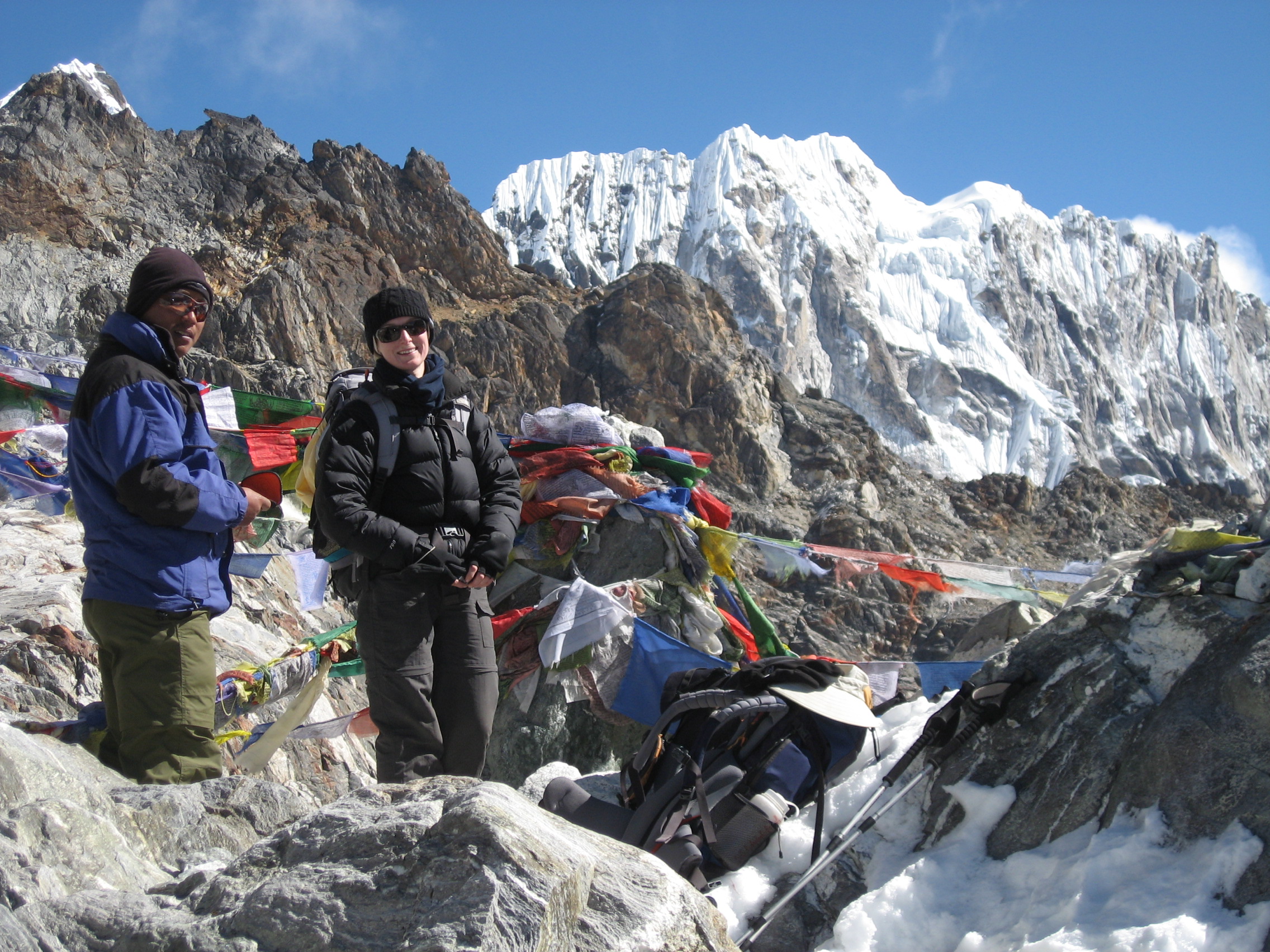
Spring brings its own appeal, particularly for families who prefer a slightly quieter trail. Rhododendron forests bloom vividly along the lower sections of the route, adding real color to the walk that autumn simply doesn't offer, and temperatures are generally similar to autumn's, comfortable during the day, cold at night. Visibility can be a touch less consistent than autumn, since spring weather is somewhat more prone to afternoon cloud buildup, but mornings are typically clear, and most trekking days are planned around that window regardless.
Winter and monsoon are both worth avoiding with young trekkers specifically. Winter (December to February) brings genuinely harsh cold at the higher camps, often well below freezing even during the day, along with shorter daylight hours that make already-long walking days feel even more demanding. Monsoon season (June to August) brings heavy rain, slippery trails, leech-prone lower sections, and frequent cloud cover that blocks the mountain views that make this trek worthwhile in the first place, plus a real risk of Lukla flight delays.
Beyond the weather itself, school schedules tend to be the deciding factor for most families. Autumn's October window and spring's late-March to early-April window both often align with school holiday periods in many countries, which is part of why these two windows fill up quickly. Booking several months ahead is genuinely worth it if your family has a specific set of dates in mind. Whichever season you choose, the underlying advice stays the same: build your trip around a window with stable weather and enough flexibility in your schedule to let the itinerary, not the calendar, set the pace once you're on the trail.
Who Will Be Leading Your Trek to EBC and Kala Patthar?
The guide leading your family isn't just there to point out the trail; they're the single biggest factor in whether your trip actually feels safe, well-paced, and genuinely enjoyable for your young trekkers. Nepal Nomad assigns licensed, government-certified guides with real experience leading families, not just adult trekking groups, since the two require noticeably different skills: reading a young trekker's energy levels, keeping spirits up on a long day, and knowing when to slow down before a small complaint becomes a real problem.
Your guide's role goes well beyond navigation. They're trained to spot early signs of altitude sickness or fatigue in young trekkers specifically, who often communicate discomfort differently than adults do, and they carry the judgment to adjust pace, call an early stop, or extend a rest day without hesitation if your family needs it. Alongside your guide, an experienced support team, porters, and, where needed, an assistant guide work to keep the logistics of a multi day trek running smoothly, so your family's energy stays focused on the trail rather than the details.
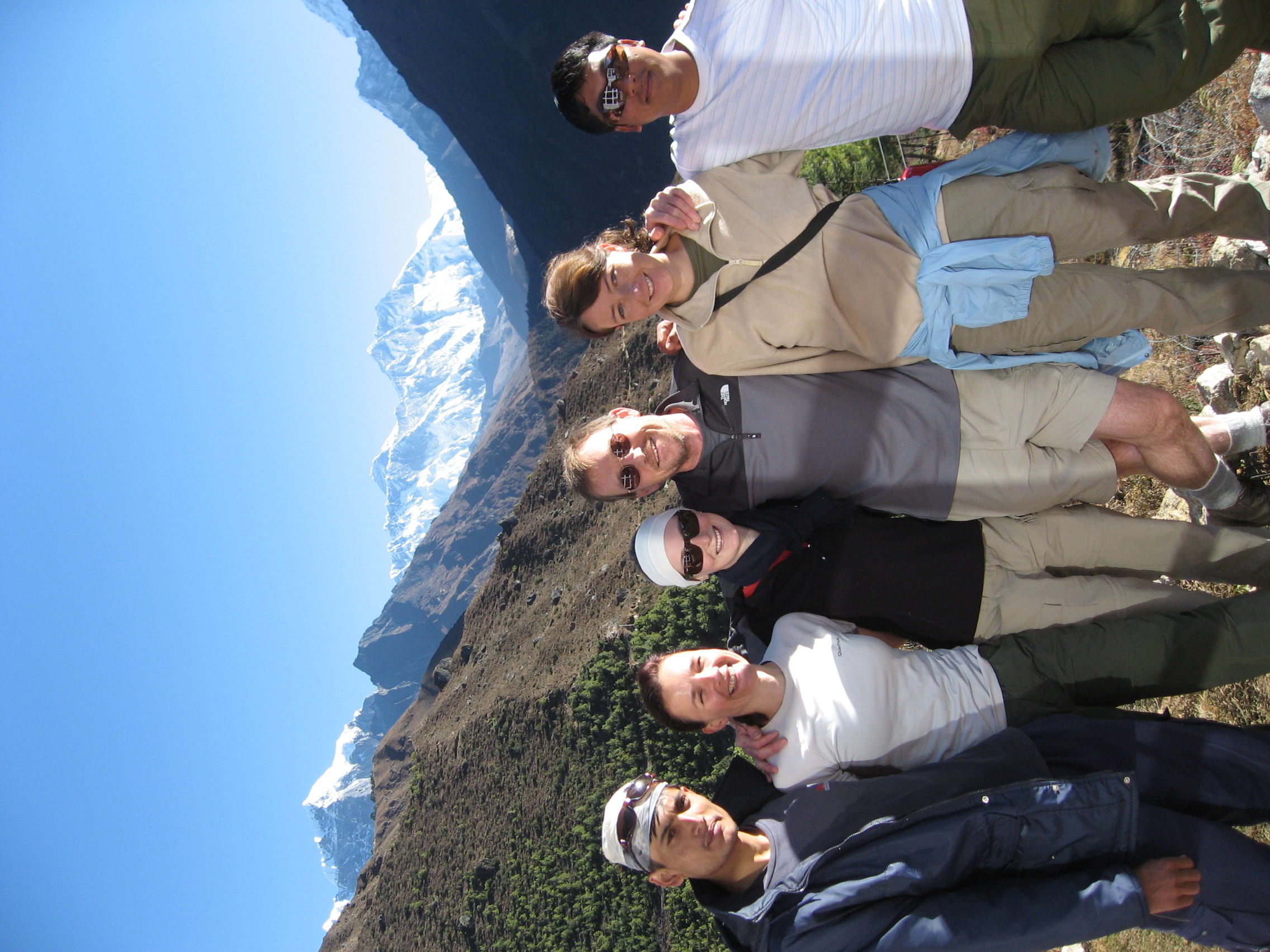
What ties all of this together is a genuine understanding of what keeps a young trekker engaged rather than just enduring the walk. Good guides turn the trail itself into entertainment: pointing out yaks, teaching a few words of Nepali, spotting prayer flags and mani stones, or turning a long uphill stretch into a game rather than a grind. Small, consistent snacks and water breaks keep energy steady throughout the day, and a guide experienced with young trekkers knows how to read the difference between ordinary trail grumbling and a genuine sign that it's time to rest.
Just as important is the encouragement that keeps morale high across a 20-day trip. Celebrating small milestones, reaching a village, crossing a big bridge, spotting the first views of Everest- gives your young trekkers a steady sense of progress and achievement well before Base Camp itself comes into view. That combination, real technical competence paired with a genuine ability to keep a young trekker motivated and smiling, is what turns a demanding high-altitude trek into a trip your whole family remembers for the right reasons.
What Are the Challenges and Solutions for an EBC Trek with Kids?
Even with careful planning, an Everest Base Camp trek with young trekkers comes with real obstacles, and being upfront about them, alongside exactly how they're managed, tends to build far more confidence than glossing over the hard parts. Here's a clear look at the challenges you're most likely to face, and how each one is actually handled on the trail.
Challenge: Altitude sickness
This is the single biggest risk on the route, and it doesn't discriminate by age or fitness level.
Solution: The 20 day itinerary builds in multiple dedicated acclimatization days (Namche, the Everest View Hotel hike, and the Nagerjun day near Dingboche), your guide watches for early symptoms rather than waiting for your young trekker to report them, and the standard response, rest, monitor, and descend if needed, is followed without exception.
Challenge: Long walking days and physical fatigue
Six or more hours of walking on consecutive days is genuinely demanding, even for an energetic young adventurer.
Solution: This itinerary is deliberately longer and gentler than a standard adult trek, with shorter daily distances, extra rest days, and a pace your guide adjusts in real time based on how your family is doing, rather than sticking rigidly to a fixed schedule.
Challenge: Homesickness, boredom, or mental fatigue
Three weeks away from home comforts, Wi Fi, familiar food, and a normal routine can wear on even an enthusiastic young trekker partway through.
Solution: The trail itself is built to stay genuinely engaging; suspension bridges, yak trains, monasteries, and village life all give young trekkers something new to look forward to daily, and talking openly with your family about what the trip will involve before departure goes a long way toward softening the adjustment.
Challenge: Unfamiliar food or picky eating
Teahouse menus can feel like a gamble for parents of a young trekker with particular tastes.
Solution: Every teahouse along this route offers a mix of familiar options (pasta, fried rice, pancakes, toast) alongside local dishes like dal bhat and momos, so your young adventurer can ease into trying new food without ever going hungry in the meantime.
Challenge: Cold weather and gear that doesn't fit right
Temperature swings between the lower valley and the higher camps are dramatic, and ill fitting gear becomes a real problem once altitude and cold are both in play.
Solution: A proper layering system, tested well before departure through local practice hikes, along with broken in boots and a well fitted daypack, prevents most of the blister and cold related issues that catch unprepared families off guard.
Challenge: A medical emergency far from a hospital
Parts of this route are genuinely remote, and that reality is worth taking seriously rather than glossing over.
Solution: High altitude travel insurance with helicopter evacuation coverage is treated as non negotiable for every family member, your guide carries a first aid kit and is trained to recognize warning signs early, and satellite communication keeps your family connected to Kathmandu throughout the trek if a rescue is ever needed.
None of this eliminates risk; no high altitude trek can promise that. What it does is give your family a clear plan for every likely obstacle, so if something does come up, you're responding with a plan already in place rather than figuring it out for the first time on the trail.


