11 Day Kailash Mansarovar Pilgrimage for Nepali Pilgrims

  • Duration11 Days
  • DestinationTibet
  • Difficulty Level Challenging

The Kailash Mansarovar pilgrimage is more than a journey for Nepali devotees. It is a passage through faith, history, and the spiritual depths of the Himalayas. For centuries this holy route has carried pilgrims through the ancient valleys of Nepal and the windswept silence of Tibet, where the mountains stand not as obstacles but as eternal witnesses to prayer. To Hindus, Kailash is the heavenly abode of Lord Shiva. To Buddhists, it is the center of the universe. To Jains and Bonpo followers, it is a source of salvation and spiritual enlightenment. For Nepali devotees in particular, the journey is culturally intimate: an extension of Himalayan identity, where faith flows freely across the border between Nepal and Tibet.

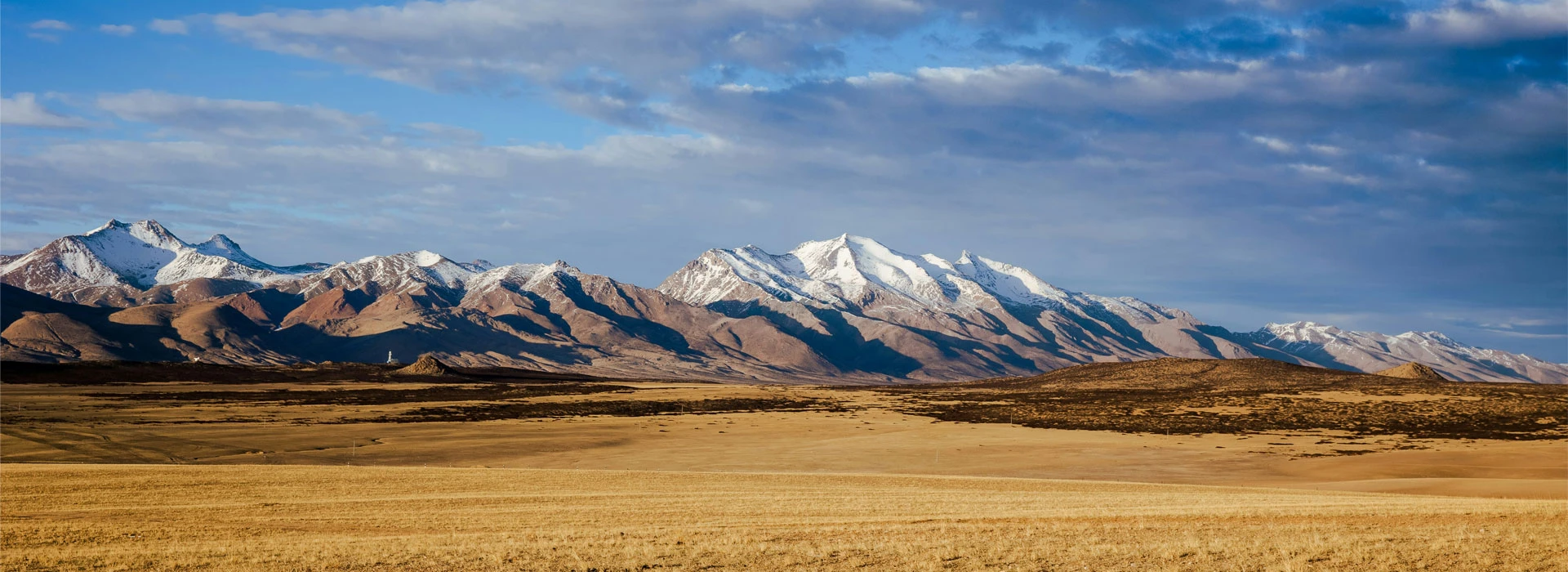
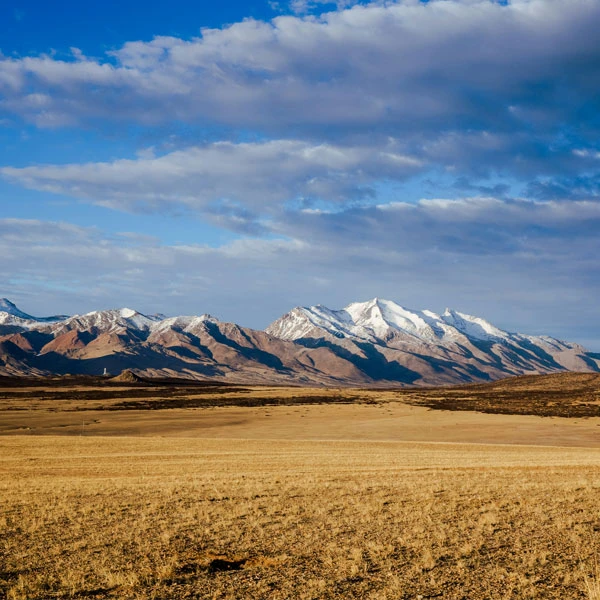
The 11-day Kailash Mansarovar tour from Nepal begins in Kathmandu and moves into the Tibetan Plateau, where the landscape stretches into silence and time slows to reverence. The journey to Lake Mansarovar is central to this spiritual quest: its still waters reflect not only the sky but centuries of devotion, and pilgrims stop here to bathe, pray, and reconnect with something beyond the material world. Above the lake stands Mount Kailash itself, unclimbed and untouched, a summit that remains taboo to ascend yet infinitely revered.

The spiritual high point of the journey is the Kailash Kora (Parikrama), a sacred circumambulation said to erase lifetimes of karma. Crossing the Dolma La Pass is both a physical and spiritual challenge, where each labored breath becomes a form of prayer. This itinerary pairs careful logistical planning with that deep spiritual grounding, designed for pilgrims seeking a reliable Kailash Mansarovar tour package from Kathmandu. Ultimately, the journey is not about reaching a destination but about inner transformation. The mountain remains unchanged; the traveler returns changed by it.

  • Join a sacred 11-day pilgrimage from Kathmandu into the spiritual heart of Tibet.
  • Behold Mount Kailash, revered as the earthly abode of Lord Shiva.
  • Experience Lake Mansarovar, one of the world's highest freshwater lakes, set amid vast Himalayan silence.
  • Complete the Kailash Kora (Parikrama), a sacred circumambulation around the mountain.
  • Cross the pilgrimage's high point at Dolma La Pass, 5,630 m / 18,471 ft.
  • Travel across the Tibetan Plateau with sweeping views of snow-capped peaks.
  • Encounter Tibetan culture, monasteries, prayer flags, and traditional settlements en route.
  • Take in sunrise and sunset reflections over Lake Mansarovar in a tranquil alpine setting.
  • Visit one of Asia's most spiritually significant sites for Hindus, Buddhists, Jains, and Bon followers.
  • Combine pilgrimage, high-altitude adventure, and Himalayan cultural immersion in a single journey.
  • Travel with permits, logistics, and support arranged specifically for Nepali pilgrims

The Kailash Mansarovar Yatra from Nepal: Why It Matters to Nepali Pilgrims

For Nepalis, the spiritual significance of Mount Kailash (Kang Rinpoche) and Lake Mansarovar cannot be reduced to geography or logistics. This is not simply a high-altitude trek across Tibet; it is a living Tirtha, a sacred path woven into the soul of the Himalayas. The Kailash Yatra from Nepal is tied to faith, lineage, and shared civilizational memory, which is why crossing into the Tibetan Plateau feels less like entering foreign soil and more like stepping into a mirror of Nepal's own ancestral world. The bond dates back more than a thousand years, to the marriage of Princess Bhrikuti to the Tibetan king Songtsen Gampo, which linked the two cultures permanently.

Mount Kailash holds particular meaning for Hindus as the earthly home of Shiva and Parvati, the Meru Parvat, the cosmic axis around which the universe is said to revolve. This connection deepens through the link between Pashupatinath Temple in Kathmandu and Kailash itself: Pashupatinath represents Shiva in his compassionate, earthly form, while Kailash represents his transcendent, meditative form. To Nepal's Buddhist communities, including the Sherpa, Tamang, Gurung, and Newar peoples, the peak is Kang Rinpoche, the Precious Snow Jewel, a natural mandala radiating enlightened energy. It is here that the historical footsteps of the yogi Milarepa and Guru Padmasambhava are still honored during the Kailash Kora.

For Nepali devotees who travel these paths or reach the shores of Lake Mansarovar to perform ancestral Shraddha and Tarpan rites, the connection is physical as well as spiritual: Nepal's Karnali River originates in the glaciers of Kailash. The architectural influence runs both ways, too. The pagoda roofs and monastery aesthetics found across Tibet were shaped by the Newar master craftsman Arniko, which is part of why Nepali pilgrims often describe a sense of familiarity amid the spinning prayer wheels and fluttering prayer flags.

The high altitude, biting winds, and demanding crossing of Dolma La Pass are understood by many Nepali pilgrims not as hardships to endure but as Tapasya, a sacred austerity that purifies karma accumulated over lifetimes. For pilgrims seeking a well-planned Mount Kailash tour from Nepal, grounded in this shared spiritual history rather than treated as a purely administrative trip across a modern border, this itinerary is designed with that intent.


Kailash Yatra Cost for Nepalis: Standard Package Guide

The cost of a Kailash Mansarovar Yatra for Nepali citizens depends largely on the route chosen, the desired comfort level, and the time a pilgrim can dedicate to the journey. For most Nepali devotees, this is not a routine travel expense but a once-in-a-lifetime spiritual investment toward reaching the residence of Mount Kailash and the sacred waters of Lake Mansarovar.

Two main routes depart from Kathmandu, each with a different pricing structure based on mode of transport and trip length:

Travel Route

Average Cost (Per Person)

Best For

Standard overland via Rasuwagadhi-Kerung border

NPR 220,000 to NPR 260,000

Pilgrims who want gradual acclimatization and a traditional overland journey

Helicopter-assisted via Nepalgunj-Simikot-Hilsa

NPR 350,000 to NPR 420,000

Pilgrims with limited time or concerns about the physical strain of long road travel


The overland route is the most affordable and most popular option for Nepali nationals. It crosses the Tibetan Plateau over several days, passing through windswept valleys, high mountain passes, and Buddhist settlements before reaching Kailash. This route suits pilgrims with ample time who want a gradual, immersive transition from Nepal into Tibet.

The helicopter-assisted route, entering through Nepalgunj, Simikot, and Hilsa before crossing into Tibet near Purang, has become increasingly popular. It significantly reduces road time and physical exhaustion, leaving pilgrims with more energy for the Kora itself.

What the Standard Package Price Includes

Most standard Kailash Mansarovar packages for Nepalis cover the core logistical requirements for entry into Tibet and safe completion of the pilgrimage:

  • Permits and visas, including the Chinese Group Visa, Tibet Travel Permit, Alien's Travel Permit, and Military Area Entry Permit
  • All ground transportation in Tibet by coach, plus a dedicated Tibetan guide and an accompanying Nepali kitchen crew
  • Vegetarian meals prepared by the crew, along with basic guesthouse or hotel accommodation throughout
  • Oxygen support and basic high-altitude medical kits

These arrangements are coordinated in advance by your tour operator, so pilgrims can focus on the spiritual experience rather than border formalities.

Out-of-Pocket and Hidden Expenses

Beyond the fixed package price, Nepali pilgrims should budget for personal expenses excluded from standard tour fees. The largest optional cost typically occurs during the three-day Kailash Kora, when many pilgrims hire a pony, porter, or yak handler to help cross the Dolma La Pass. These mountain service rates fluctuate with seasonal demand and are paid on-site in Chinese Yuan.

Pilgrims should also budget for personal travel insurance with high-altitude evacuation coverage, tips for guides and drivers, device charging fees at remote guesthouses, bottled water, snacks, and souvenirs. An independent contingency fund is strongly advised, since weather and road conditions in the high Himalayas can change quickly, causing border closures, flight delays, or unplanned overnight stays near Kerung, Hilsa, or Simikot.

For many Nepali families, the true value of this pilgrimage cannot be measured in rupees alone. Viewed through the lens of devotion, the cost of the Yatra is less an expense than an offering toward one of the most revered spiritual journeys on Earth.


Best Season to Visit Kailash: Weather and Seasonal Guide

Planning a Kailash trip for Nepali pilgrims means balancing spiritual timing, physical comfort, and the logistical realities of the Nepal-China border. The travel season runs from mid-May through late September, shaped by the harsh climate of the Tibetan Plateau.

May and June generally offer the clearest views of Kailash's four faces, as winter snow begins to melt while the air remains crisp and dry. This pre-monsoon window also includes the Saga Dawa festival, a period of heightened spiritual significance. Daytime trekking conditions are pleasant, but nights can drop to -5°C, so heavy down jackets are necessary even in early summer.

July and August bring the warmest daytime temperatures, often around 20°C on the plateau. Tibet itself sits in a rain-shadow zone and stays relatively dry, but the Nepal side of the route can face heavy monsoon rain, occasional landslides on the Rasuwagadhi highway, and flight delays around Humla. Despite this, many pilgrims choose these months because the heavier, oxygen-rich air makes the Dolma La crossing somewhat easier, and alpine flowers bloom briefly across the high-altitude landscape.

September is often considered the most reliable window for the Yatra. As monsoon rains recede from the Nepali hills, the route from Kathmandu to the Tibetan Plateau becomes more dependable, and visibility of both Kailash and Mansarovar is excellent before winter sets in. Many pilgrims also try to time their visit around a full moon (Purnima), though this typically means larger crowds, fuller guesthouses, and longer waits at checkpoints.

All pilgrims should prepare for sharp temperature swings and the unpredictable winds of the Trans-Himalaya. Even a sunny July afternoon at Dolma La can turn into a sudden hailstorm. From October onward the region enters deep winter, with temperatures falling below -30°C and heavy snow closing the Parikrama route; Chinese authorities typically stop issuing permits for the season at this point. Packing in layers remains the best strategy for adapting to both intense daytime UV exposure and bitterly cold nights.


Kailash Mansarovar Permit Guide for Nepali Citizens

Crossing into the Tibet Autonomous Region (TAR) of China involves some of the strictest entry protocols of any pilgrimage route. Unlike travel within Nepal or into India, a citizenship card is not sufficient. A valid Machine Readable Passport or e-Passport, with at least six months of remaining validity and several blank pages, is required.

China does not issue individual tourist visas for Tibet from Nepal. Instead, all pilgrims must travel on a Chinese Group Visa, a collective document issued on a manifest that requires a minimum of five travelers crossing, traveling, and exiting together. Because of this, individuals cannot apply independently; the journey must be booked through a registered Nepali travel agency that coordinates with a licensed Tibetan tour operator to secure the visa invitation letter from the Tibet Tourism Bureau in Lhasa.

The permit process should begin at least 30 to 45 days before departure. Because Kailash and Mansarovar sit inside a closely monitored border region, pilgrims must clear five separate permits:

  • Tibet Travel Permit, the foundational entry document issued by the Tibet Tourism Bureau in Lhasa
  • Chinese Group Visa, stamped by the Chinese Embassy in Kathmandu once the Tibet Travel Permit invitation is secured
  • Alien's Travel Permit, issued by the Public Security Bureau for travel into restricted prefectures such as Shigatse
  • Military Area Entry Permit, required to clear checkpoints near sensitive international borders
  • Foreign Affairs Permit, the final clearance required for the remote Ngari prefecture

Your travel operator compiles and processes these documents on your behalf. Nepali nationals must surrender their physical passport to the Chinese Embassy in Kathmandu at least five to six working days before departure, and all group members must be physically present in Kathmandu during this window to complete biometric and facial recognition verification.

These administrative, permit, and consular fees are typically included in the base package price, which ranges from NPR 220,000 to NPR 420,000 depending on the overland or helicopter-assisted route. Choosing an experienced, well-reviewed agency matters here: even a minor data mismatch or a blurry passport scan can trigger a visa rejection for the entire group.

Chinese border authorities reserve the right to suspend permit issuance or close checkpoints due to weather or other circumstances, so flexibility is essential. Keep your passport in pristine condition, free of tears or water damage, since facial-matching scanners at the Rasuwagadhi and Hilsa checkpoints require a clean read. Once cleared, your manifest documents remain with your licensed Tibetan guide, and passports are cross-checked at several military checkpoints along the route from Kerung or Purang to Mansarovar.


Kailash Mansarovar Packing List for Nepali Devotees

Weather at Mount Kailash is notoriously unpredictable, so packing in layers is essential for comfort, safety, and the ability to focus on the spiritual experience rather than physical discomfort.

Clothing for High Altitude

  • Moisture-wicking thermal base layers
  • A warm fleece or down vest, plus a windproof, waterproof down jacket rated to -15°C
  • Technical trekking trousers and thermal innerwear
  • A woolen cap or balaclava
  • A sun hat for high-UV afternoons
  • Waterproof, insulated gloves

Footwear and Trekking Gear

The 52-kilometer Parikrama crosses jagged rock, scree, and icy streams, so footwear matters as much as any other item on this list.

  • Broken-in, waterproof trekking boots
  • Several pairs of thick woolen hiking socks
  • Lightweight sandals for use inside guesthouses
  • Adjustable trekking poles for the Dolma La ascent
  • High-SPF sunscreen, polarized UV400 sunglasses, and a wide-brimmed hat

Health and Nutrition

  • A personal medical kit including Diamox, oral rehydration salts, and personal medications
  • Energy-dense snacks such as dry fruits, nuts, chocolate, or traditional items like titaura or chyura
  • A stainless-steel vacuum thermos for warm water throughout the day

Constant hydration with warm fluids is one of the most effective defenses against Acute Mountain Sickness and respiratory infections at this altitude.

Itinerary

Expand AllClose All

The holy pilgrimage begins in Kathmandu. The day commences with a visit to the revered Pashupatinath Temple to seek the divine blessings of Lord Shiva for a safe and spiritually fulfilling journey. Devotees gather on the banks of the holy Bagmati River for prayers, oil lamp lighting and Sankalpa rituals, which are a formal commitment to the Yatra.

The afternoon is for the necessary logistics. The tour team will provide an official briefing, review high altitude gear, check permits, and give final packing advice. Today guarantees that the mind and body are in perfect harmony before entering the high-altitude frontier.

  • Max. Altitude:1,400 m / 4,593 ft (Kathmandu)
  • Accommodation:Hotel in Kathmandu
  • Time:1,400 m / 4,593 ft (Kathmandu)
  • Meals:Breakfast, lunch, dinner
  • Walking Distance:Local sightseeing in Kathmandu, no long drive

Leave the Kathmandu valley behind to begin a gradual ascent toward the northern frontier. The scenic drive along the roaring Trishuli River passes terraced hillsides, cascading waterfalls and small mountain villages where prayer flags flutter in the cool breeze. The city’s hustle and bustle recedes, and the raw scenery prepares you for the high country. Syabrubesi is the last stop in Nepal, a place for travellers to relax and prepare themselves mentally for the border crossing onto the Tibetan plateau.

  • Max. Altitude:1,460 m / 4,790 ft
  • Accommodation:Guesthouse
  • Time:Approx. 6 to 8 hours drive
  • Meals:Breakfast, lunch, dinner
  • Walking Distance:Approx. 122 km / 76 miles

The drive along the gorges of the Bhote Koshi River to the Rasuwagadhi border point is short but dramatic. You go through immigration and customs on both the Nepal and China sides and cross the Friendship Bridge into Tibet.

The geographic transition is immediate; the lush green hills of Nepal give way to the sweeping, arid vistas of the Tibetan plateau. You'll spend the night acclimatising to the first elevation of 2,800 meters in Kerung, which is a key step in safe acclimatization.

  • Max. Altitude:Syabrubesi 1,460 m / 4,790 ft; Kerung 2,800 m / 9,186 ft
  • Accommodation:Guesthouse in Kerung
  • Time:Approx. 3 to 5 hours, including border formalities
  • Meals:Guesthouse in Kerung
  • Walking Distance:Approx. 25 to 35 km / 16 to 22 miles

Set out on a long, awe-inspiring journey to the heart of the wind-swept Tibetan plateau. The smooth highway winds across vast alpine plains, climbs high mountain passes, and skirts glacial rivers. Along the route you'll see scattered nomadic settlements and grazing yaks under a huge bright blue sky. At 4,450 meters you arrive at Saga. The thin air and deep silence of the mountains make you feel that you have really reached high altitude. Tonight is a vital night of rest to prepare your body for the sacred lakes ahead.

  • Max. Altitude:4,450 m / 14,600 ft
  • Accommodation:Guesthouse
  • Time:Approx. 7 to 9 hours drive
  • Meals:Breakfast, lunch, dinner
  • Walking Distance:Approx. 450 km / 280 miles

Today is one of the most spiritually awaited parts of the expedition. The road leaves Saga and passes through endless grasslands bordered by distant peaks of the Himalayas. In the late afternoon the panoramic view of Lake Mansarovar is revealed. For every devotee to see this massive still mirror reflecting the sky is a powerful emotional milestone. If the weather permits, pilgrims pause along the shore to perform holy rituals, prayers, and a symbolic purification dip in the sacred waters, believed to wash away lifetimes of karma.

  • Max. Altitude:4,558 m / 14,954 ft
  • Accommodation:Guesthouse
  • Time:Approx. 8 to 10 hours drive
  • Meals:Breakfast, lunch, dinner
  • Walking Distance:Approx. 450 km / 280 miles

Meditate or pray in silence as you greet the morning on the peaceful banks of Mansarovar. Then you will drive briefly but symbolically across the stark highlands to Darchen. Darchen, located at the foot of Mount Kailash, is the bustling base camp, and administrative starting point, for the three-day Parikrama (Kora). Afternoon is spent sorting out personal gear, arranging for porters or pack animals and resting before the hard trekking days ahead.

  • Max. Altitude:4,670 m / 15,322 ft
  • Accommodation:Guesthouse
  • Time:Approx. 1.5 to 3 hours drive
  • Meals:Breakfast, lunch, dinner
  • Walking Distance:Approx. 40 to 60 km / 25 to 37 miles

An early morning drive leads to Yamadwar, the legendary "Gateway of the God of Death." Acting as the threshold between worldly attachments and the spiritual path, devotees offer prayers here before taking their first trekking steps. The trail steadily advances through a majestic valley as the magnificent North Face of Mount Kailash gradually unveils itself. While the route is physically non-technical, the extreme altitude requires a slow, meditative pace. You spend the night at Derapuk, sleeping directly opposite the towering, unbroken majesty of Mahadev’s abode.

  • Max. Altitude:Derapuk 4,900 m / 16,076 ft
  • Accommodation:Basic guesthouse
  • Time:Approx. 6 to 8 hours trek
  • Meals:Breakfast, lunch, dinner
  • Walking Distance:Approx. 12 km drive plus 18 km trek / 11 miles plus 11 miles

The ultimate circuit physical and spiritual challenge begins before dawn. You will climb steep rocky high altitude slopes to Drolma La Pass. On the way you cross Shiva-tsal, where pilgrims traditionally leave old clothes or personal items to symbolize shedding past negative karma.

The pass, draped in thousands of wild, flapping prayer flags, is an unforgettable, emotional triumph. As you descend from the summit, you get to see the turquoise waters of Gauri Kund, which is considered sacred. The descent is steep and rocky but opens up into wider valleys and you will find yourself in the peaceful sanctuary of Jutulpuk for a well-earned rest.

  • Max. Altitude:Dolma La Pass 5,630 m / 18,471 ft; Jutulpuk 4,790 m / 15,715 ft
  • Accommodation:Basic guesthouse
  • Time:Approx. 9 to 11 hours trek
  • Meals:Breakfast, lunch, dinner
  • Walking Distance:Approx. 22 km trek / 13.6 miles

The last morning of the Kora is a gentle pensive walk through rocky paths and streams down the widening valley floor. When you have finished the trekking circuit near Darchen, you silently say goodbye to Mount Kailash and board the vehicles. The route takes you back across the vast Tibetan plateau to Saga. Settling back into Saga for the evening, the once familiar landscape of vast plains and glacial rivers is intimately tied to your journey.

  • Max. Altitude:Saga 4,450 m / 14,600 ft
  • Accommodation:Guesthouse
  • Time:Approx. 8 to 10 hours, trek and drive combined
  • Meals:Breakfast, lunch, dinner
  • Walking Distance:Approx. 480 km / 298 miles

Start the long descent from the high altitude plateau back to the Nepal border town of Kerung. Heading down below 3,000 meters, see the dry, sprawling landscape gradually transform into greener valleys. The heavier air, full of oxygen, was a physical relief after days at extreme altitude. Kerung provides a quiet, grounding place to relax, take in the intensity of the Parikrama and sleep well.

  • Max. Altitude:Kerung 2,800 m / 9,186 ft
  • Accommodation:Guesthouse
  • Time:Approx. 7 to 9 hours drive
  • Meals:Breakfast, lunch, dinner
  • Walking Distance:Approx. 450 km / 280 miles

After breakfast, clear Chinese customs and immigration at the border, then cross the bridge back into Rasuwagadhi, Nepal. Driving back along the Trishuli River, you are back in the familiar, lively rhythm of Nepali mountain life, with its lush forests and rushing rivers.

Return to Kathmandu in the evening to complete your epic pilgrimage. Many devotees return directly to the Pashupatinath Temple to offer prayers of gratitude, beautifully concluding the spiritual cycle where your extraordinary journey first started.

  • Max. Altitude:Kathmandu 1,400 m / 4,593 ft
  • Accommodation:Hotel in Kathmandu
  • Time:Approx. 8 to 10 hours drive, including border formalities
  • Meals:Breakfast, lunch, dinner
  • Walking Distance:Approx. 175 km / 109 miles
What's Included
  • Tibet Travel Permit and all required Tibet travel documents
  • Chinese Group Visa
  • Alien's Travel Permit, Military Permit, and Foreign Affairs Permit
  • Travel in Tibet with a licensed Tibetan guide
  • Nepali tour leader support on group departures
  • All meals during the Tibet portion of the trip
  • Transport of group equipment and duffle bags by yak or truck during the Kora
  • Oxygen cylinders and first-aid support for emergencies
  • Environmental and conservation charges for the Kailash and Mansarovar area
  • Entry fees for the Lake Mansarovar and Kailash region
  • Border transfer arrangements and immigration assistance
  • Certificate of completion for the Kailash Kora on select departures
What's not Included
  • Personal travel insurance and high-altitude evacuation insurance
  • Personal expenses such as laundry, snacks, bottled drinks, Wi-Fi, and phone calls
  • Hot showers, battery charging fees, and extra guesthouse services
  • Horse, porter, or yak services during the Kailash Kora
  • Tips for guides, drivers, and support staff
  • Extra hotel nights caused by flight delays, weather, or political restrictions
  • Medical expenses, emergency evacuation, or hospitalization costs
  • Personal trekking gear and clothing
  • Costs arising from natural disasters, landslides, border closures, or other unforeseen circumstances
  • Additional sightseeing or activities outside the itinerary
  • Alcoholic and other personal beverages
  • Expenses from itinerary changes due to weather or government regulations
Good to Know

Five Things Every Nepali Traveler Should Know Before Booking

Booking a Kailash Mansarovar pilgrimage is unlike booking an ordinary holiday. It combines international travel regulations, high-altitude endurance, unpredictable Himalayan weather, and significant emotional preparation. For Nepali pilgrims, the journey carries added cultural weight: Kailash is the sacred seat of Lord Shiva, not simply a remote destination.

1. The Reality of the Tibet Group Visa and Permits

Travel into the Tibet Autonomous Region is tightly controlled, and independent travel is not permitted.

  • No individual tourist visas: your operator must secure a Tibet Travel Permit and a Chinese Group Visa on your behalf.
  • Strict timeline: plan at least 30 to 45 days ahead, and present your original passport to the Chinese Embassy in Kathmandu 4 to 5 working days before departure. Last-minute bookings are essentially not possible.
  • Document checklist: your passport must be valid for at least 6 months from your travel date. A Nepali Citizenship Card alone is not accepted at the border.
  • Passports and permits are checked repeatedly at military checkpoints across the plateau, so book through an experienced, registered Kathmandu agency to avoid paperwork errors that could affect the whole group.

2. The Physical Demands of the Dolma La Pass

Many first-time pilgrims underestimate the physical toll of the 52-kilometer Kailash Parikrama. The real test comes on the second trekking day, crossing Dolma La Pass at 5,630 meters, where atmospheric oxygen is roughly half of sea-level levels.

Preparation matters. Begin cardiovascular training, such as brisk walking, jogging, or swimming, at least two months before departure, and use weekend hikes up Shivapuri, Phulchowki, Nagarjun, or Chandragiri to build endurance. Chinese authorities generally restrict permits to travelers between 18 and 70 years old, and anyone with asthma, heart disease, or a serious respiratory condition should consult a doctor before booking.

Many Nepali devotees regard this physical hardship as a form of Tapasya, a sacred austerity in which past karma is released with every difficult step toward Kailash.

3. Managing Food at High Altitude

The high-altitude environment of the Tibetan Plateau places real stress on the body. Appetite naturally decreases, digestion slows, and dehydration becomes a constant risk. Eating food that is familiar, easily digestible, and sustaining is not a matter of comfort at these elevations; it is a matter of maintaining strength and morale. Local food at remote Tibetan or Chinese guesthouses can be heavily oiled and unfamiliar, which makes a coordinated kitchen plan important.

As of 2026, Chinese authorities have introduced mandatory local catering charges and kitchen fees in parts of Tibet, making independent kitchen setups more difficult. A full-board vegetarian buffet service, run by an experienced Nepali kitchen crew traveling with the group, removes this uncertainty and ensures fresh, hygienic meals at each stage of the trip, including hot soups and ginger tea that help manage the effects of altitude.

Before booking any Kailash package, check exactly how meals are managed rather than relying on the headline itinerary alone, since nutrition directly affects how well a pilgrim handles the altitude and the trek.

4. The True Cost Beyond the Package Price

Many travelers budget only against the advertised package price, but the real cost of a Kailash Yatra has risen in recent years due to higher Tibetan transport permits and fuel surcharges.

Expense Category

Estimated Cost

Notes

Standard overland package

USD 1,800 to USD 3,000

Covers basic permits, transport, and shared guesthouse accommodation

Pony and handler hire

USD 150 to USD 300

Paid in Chinese Yuan during the 3-day Kora

Personal porter

USD 100 to USD 200

To carry your daypack over Dolma La Pass

Emergency insurance

USD 200 to USD 400

Mandatory; must include high-altitude medical evacuation


5. Building in Flexibility

No Kailash Mansarovar itinerary is entirely foolproof. Landslides at the Rasuwagadhi-Kerung border, sudden snowstorms closing Dolma La Pass, permit delays, or wind-grounded flights in Simikot are all common realities of this region.

Experienced pilgrims sometimes call this the Shiva Factor, the belief that you reach the mountain only when Kailash itself allows it. Patience and a degree of surrender are as important as physical gear; an extra night stuck at a border town is not a logistical failure but part of the unpredictable rhythm of the Himalayas.

2026 carries added significance in Himalayan astrology as the Year of the Horse, traditionally believed to make one circuit of Kailash equal in merit to twelve circuits made in an ordinary year, and considered a once-in-a-decade opportunity for devotees.


Safety Tips and Emergency Protocols in Tibet

For Nepali pilgrims, the greatest risk on the Tibetan Plateau is Acute Mountain Sickness, given the altitude gain from 1,400 meters in Kathmandu to over 4,500 meters at Lake Mansarovar. The core safety principles are a gradual ascent and consistent self-monitoring. Drink 3 to 4 liters of water daily, avoid heavy exertion during the first 48 hours in Tibet, follow the climb-high-sleep-low principle where possible, and take Diamox if recommended by a doctor. Symptoms such as a persistent headache, nausea, or dizziness should never be ignored, and every pilgrim should report how they are feeling honestly to their group leader.

If a pilgrim shows signs of High Altitude Pulmonary Edema or Cerebral Edema, such as extreme breathlessness at rest, a wet cough, or loss of coordination, the protocol is immediate descent, since descent is the only reliable remedy at these elevations. Evacuation is usually by vehicle toward the Nepal border at Kerung or Purang. Every tour group should carry portable oxygen cylinders, and the accompanying Nepali support team should have basic high-altitude first-aid training. If a medical emergency occurs during the Parikrama, completing the trek should never take priority over a pilgrim's health.

Safety also depends on group coordination. Mobile networks are unreliable in much of this region, and language barriers with local authorities can be significant, so pilgrims should stay close to the group and the assigned guide at all times. Carry a whistle and a small personal first-aid kit, along with contact details for your agency and the Nepali Embassy. In sudden weather changes, such as a blizzard near Dolma La Pass, follow your guide's instructions closely, since trail visibility can disappear quickly in whiteout conditions.


Why Travel Insurance Matters for the Kailash Mansarovar Yatra

Travel insurance is sometimes viewed with skepticism in Nepal, where many pilgrims undertake a Tirtha with deep trust in bhagya, or fate, rather than formal financial safeguards. But the Trans-Himalayan landscape is one of the most unforgiving environments on Earth, and for a journey into Tibet's high-altitude regions, insurance functions as a safety net that prevents a medical emergency from becoming a financial crisis for the family at home.

The clearest reason insurance matters here is Acute Mountain Sickness. Physical fitness offers no immunity to altitude. Medical facilities in the remote Ngari prefecture are limited, and treatment costs for foreign nationals, including Nepalis, at Chinese hospitals are high and often payable upfront in cash. A solid insurance policy covers these costs and lets the patient focus on recovery rather than mounting debt.

Emergency evacuation is the most critical logistical reason to carry coverage. Unlike the Everest or Annapurna regions, Chinese authorities do not permit foreign helicopter rescues within Tibetan airspace. A critically ill pilgrim must be transported by land, often a multi-hour drive to the Nepal border at Hilsa or Rasuwagadhi, before a helicopter can be arranged from Kathmandu. Combined land transit and helicopter charter costs can exceed NPR 500,000 to 700,000, an amount that specialized insurance can cover in full.

Border closures and permit suspensions can also occur without notice, and trip-interruption or cancellation coverage protects pilgrims from losing non-refundable deposits in these situations. Carrying insurance is not a sign of doubting one's faith; it is a practical responsibility that protects a hard-earned spiritual journey from avoidable financial harm.

11 Day Kailash Mansarovar Pilgrimage for Nepali Pilgrims FAQs

  • Yes. Nepali citizens need a Chinese Group Visa and Tibet travel permits, arranged through an authorized travel agency in Kathmandu.

  • May to September, when weather is relatively stable, roads are accessible, and temperatures are more manageable for high-altitude travel.

  • It is physically demanding due to high altitude, cold temperatures, and the Kailash Parikrama, particularly the Dolma La Pass crossing at 5,630 m. Good acclimatization and basic physical preparation are strongly recommended.

  • It is not legally compulsory, but high-altitude travel insurance with emergency evacuation cover is strongly recommended given the high cost of medical care in Tibet.

  • A standard overland package costs NPR 220,000 to NPR 260,000, while helicopter-assisted routes range from NPR 350,000 to NPR 420,000, depending on services, accommodation, and group size.

  • Many elderly devotees complete the Yatra each year, often via the helicopter-assisted route through Simikot and Hilsa. A medical consultation before booking is strongly advised given the altitude.

  • Most Nepal-based operators provide vegetarian meals prepared by dedicated Nepali kitchen crews, including dal bhat, vegetables, soups, noodles, tea, and khichdi suited to high-altitude conditions.

  • Overland itineraries typically run 11 to 14 days, while helicopter-assisted itineraries usually run 9 to 11 days.

  • No. While many pilgrims see the Parikrama as the spiritual completion of the Yatra, those unable to complete the trek may remain at Darchen or Mansarovar instead of the full circuit.

  • Most devotees begin with darshan at Pashupatinath Temple, believing that Lord Pashupati's blessing ensures a safe and spiritually successful journey to Kailash Mansarovar.

Extend Your Trip
You May Also Like