EBC Trek Cost 2026-2027: Your Financial Roadmap from Kathmandu
Three regulatory changes affect the 2026-27 budget specifically: independent trekking is no longer permitted in the Khumbu, so every foreign trekker must be accompanied by a licensed guide; a new environmental fee of NPR 1,000 (about $8) now funds trail waste management; and during peak season (March–May and October–November), most Lukla flights depart from Manthali Airport in Ramechhap rather than Kathmandu.
Pre trek costs in Kathmandu
Item | Typical Cost |
Nepal visa (30 days) | ~$50 |
High altitude travel insurance (covers 6,000m + evacuation) | ~$150 to $200 |
Cold weather gear rental (down jacket, sleeping bag) | $2 to $5 per day |
Transport, permits, and mandatory staff
Item | Typical Cost |
One way Lukla flight | ~$225 |
Ramechhap shuttle (if applicable) | ~$25 |
Shared helicopter to Lukla (weather backup) | $500 to $600 |
Khumbu Pasang Lhamu Rural Municipality Permit | NPR 3,000 (~$23) |
Sagarmatha National Park Entry Permit + VAT | NPR 3,000 + 13% (~$26) |
Green/Environmental Fee | NPR 1,000 (~$8) |
Licensed guide | $30 to $50 per day |
Porter | $20 to $30 per day |
Tipping (customary, not mandatory) | ~15% of guide/porter wage |
On the trail daily costs
Basic twin share teahouse rooms run $5–$15 per night, and food runs $30–$35 per day. A few smaller costs add up too: Wi Fi around $5 for a 10–20GB data card, charging a phone or power bank $2–$5 per charge, and hot showers $3–$7. All of these rise with altitude, since everything on the trail has to be carried in by porter: more on why that is below.
Everest Base Camp Trek Packages: Budget to Luxury Options

How you experience the EBC trek comes down to more than the route; it's a matter of style, comfort, and cost. The trek is generally offered across three tiers: budget, standard, and luxury, each with its own rhythm of travel, whether that's the simplicity of basic teahouse living, a balance of comfort and support, or the indulgence of premium lodges and personal service. Understanding what each tier actually includes helps you match your expectations to your budget before you book.
The Budget Package: $1,300 to $1,700 per person
Built for experienced hikers who want the lowest price while staying fully legal and safe under the 2026 guide requirement.
What's Included | What's Not Included |
A licensed local guide. | No porter; you carry your own 10–15kg pack. |
All 2026 local and national park permits. | Water purification; you pay for boiled water or bring your own tablets. |
Round-trip flights (Kathmandu/Ramechhap to Lukla). | Sleeping bag and down jacket; bring your own or rent separately. |
Twin-share rooms in standard teahouses. | International flights. |
Breakfast only. | Lunch and dinner (paid on the trail). |
The Standard Package: $1,600 to $2,800 per person
Built for trekkers who want a genuine balance of comfort, safety, and logistical ease. Note that this range is wide because it spans different booking channels ; a local Nepalese operator and an international agency both sell a “standard” package, but at very different price points, which the booking channel comparison below explains in more detail.
What's Included | What's Not Included |
One porter for every two trekkers. | Travel insurance, purchased separately (make sure it covers 6,000m). |
The best available teahouses, with private rooms where possible. | Personal snacks like chocolate, protein bars, and trail treats. |
2–3 nights in a comfortable Kathmandu hotel, with airport transfers. | Extra luxuries such as alcohol, specialty coffee, or bakery treats in Namche. |
Full menu choice for meals, plus tea/coffee breaks during the day. | International flights. |
A pulse oximeter and a comprehensive first aid kit carried by the guide. | |
Private jeep/bus from Kathmandu to Ramechhap airstrip when needed. | |
The Luxury Package: $4,000 to $6,000+ per person
Built for trekkers who want to minimize physical strain and maximize comfort at high altitude.
What's Included | What's Not Included |
Premium lodge chains with heated rooms, electric blankets, and en suite bathrooms. | International airfare to Nepal. |
A private helicopter from Gorak Shep back to Lukla or Kathmandu (for an added cost), instead of 3–4 days walking back down. | Premium alcohol; high end spirits or wine at luxury lodges. |
Luxury accommodation before and after the trek in Kathmandu. | Personal spending; souvenirs and high end gear purchases. |
Professional grade down jackets and –20°C sleeping bags provided. | |
Higher quality ingredients, often including fresh salads and meat flown in. | |
Booking Through an International Agency, a Local Operator, or an OTA
Where you book your Everest Base Camp trek matters just as much as when you go. Price, service level, and comfort can vary significantly depending on whether you book through an international agency, a local Nepalese operator, or an online travel agent (OTA), and this is exactly why the “standard package” price range above is so wide.
International agencies typically charge $2,500 to $5,000 for a standard tier trek. These companies prioritize safety and peace of mind, but a large part of that price is the overhead of running an office outside Nepal. You're paying for Western safety protocols, English speaking lead guides, and the reassurance of a company based in your home country. These tend to suit first time trekkers who want a polished, social experience with a group of fellow international travelers.
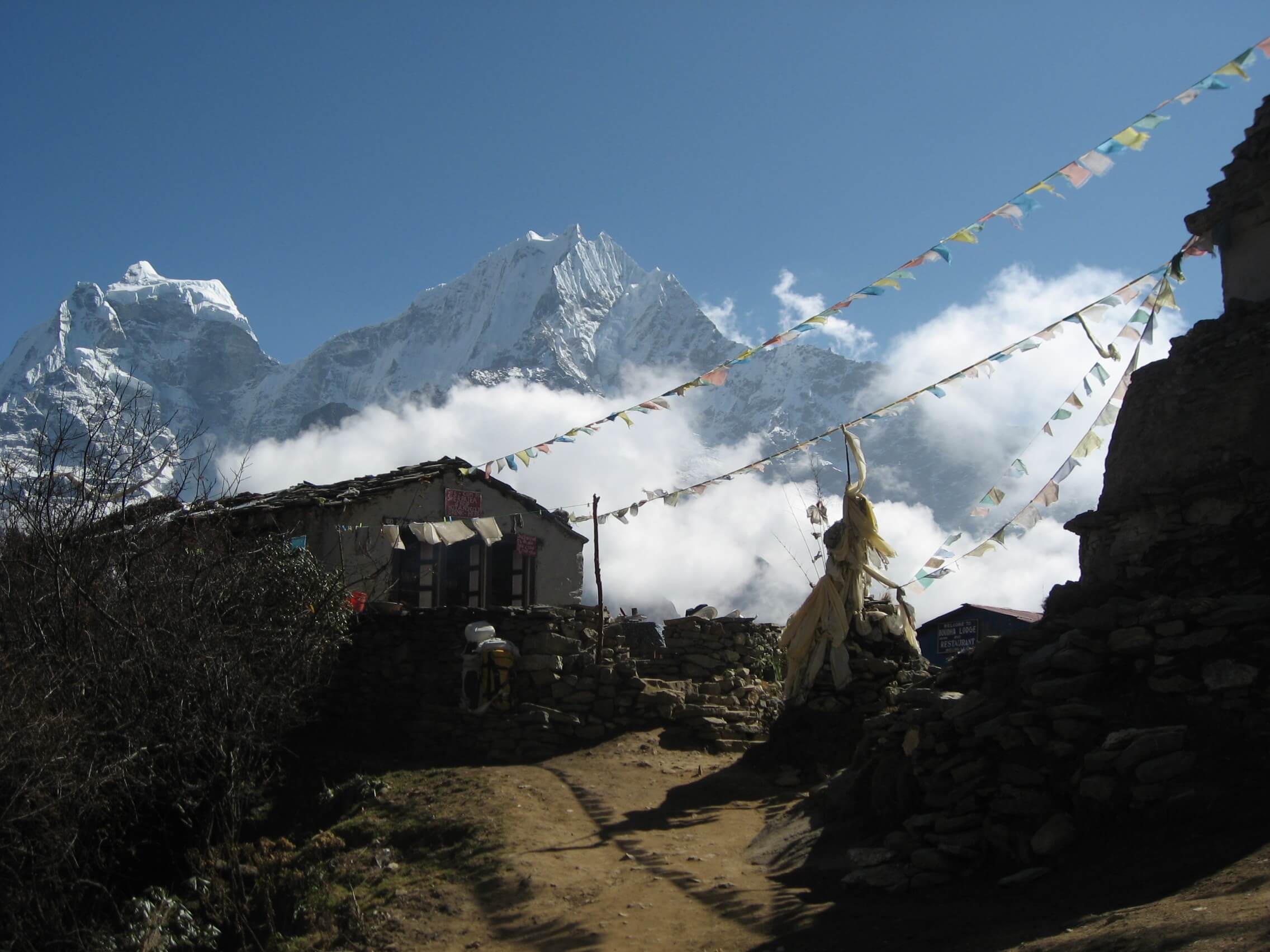
Local Nepalese operators, based in Kathmandu or Namche, generally offer the same service, often more personalized, for close to half the international price, usually starting around $1,100 to $1,600 for a standard package. Booking directly means your money stays in the local economy, supporting the families of the guides and porters who live in the Khumbu. Nepal Nomad Trekking is a good example of this model: as a Kathmandu based operator, it works with licensed local guides and porters drawn from the Khumbu region itself, which keeps the service genuinely rooted in local knowledge of the trail, the weather, and the villages along the way, while pricing the trek closer to local rates than international ones. The trade off with any local operator, Nepal Nomad Trekking included, is that it takes a bit more of your own research to vet a company's reputation through reviews before booking, rather than relying on a well known international brand name.
Online travel agents function mostly as a digital marketplace, offering one click booking and the reassurance of paying by credit card rather than bank transfer. These platforms typically list local operators at a slightly higher price to cover a roughly 20% platform commission. They offer good transparency through user reviews, but the local guides and porters often see less of that money than if you'd booked with them directly.
For the most authentic and cost effective experience, booking a standard package directly with a reputable local operator is generally the strongest option; it keeps you well supported on the trail while putting your money directly into the community that makes the trek possible.
What Does It Cost to Reach Everest Base Camp by Helicopter?
Reaching Base Camp by helicopter is the ultimate time saver, compressing a two week hike into a roughly four hour experience. There are two main ways to do it: as a direct day tour from Kathmandu, or as a one way return after trekking up on foot.
The Everest Base Camp Helicopter Day Tour (round trip): a 4 to 5 hour excursion that starts in Kathmandu, stops in Lukla for fuel, lands at Everest View Hotel for breakfast, and flies over Base Camp and Kala Patthar. Shared with up to 4 other travelers, this typically costs $1,100 to $1,300 per person. Because of high altitude weight limits, the helicopter can carry 5 people to Lukla but only 3 at a time into the Base Camp area itself, so groups are sometimes shuttled in two rounds from Pheriche or Everest View Hotel. A private charter is also available for $4,500 to $5,500; a flat rate for the aircraft regardless of whether 1 or 5 people are aboard, and a good option for families or photographers who want more time at each landing spot. This typically includes hotel pickup and drop off, national park permits and airport taxes, and fuel and landing fees.
The heli return (one way from the trek): some trekkers walk the 8 or 9 days up to Base Camp, then fly back down to save their knees and reclaim 3 to 4 days of vacation. A Gorak Shep to Lukla flight runs $400 to $600 per person, while a direct Gorak Shep to Kathmandu flight runs $800 to $1,100 per person.
Helicopter travel is considerably more expensive than trekking, and the cost comes down to three factors. Thin air and payload limits mean a helicopter that carries 6 people in Kathmandu can safely carry only 2 or 3 near Base Camp, which is why shuttling is often required. Aviation fuel has to be flown into Lukla or carried up by porters and yaks in some cases, driving costs up further. And flying at 5,500m requires specialized, highly experienced high altitude pilots, who command higher salaries than standard commercial pilots.
Helicopters are generally more reliable than the small fixed wing planes that serve Lukla, but they're not immune to weather; even a $5,000 private charter can be grounded by high winds or cloud cover. It's worth building 1 to 2 buffer days into the end of your Kathmandu itinerary in case your scheduled flight can't go ahead.
The Altitude Tax: Why a Snickers Bar Costs $5 at 5,000 Meters
Trekkers often refer to the “Altitude Tax”; the invisible surcharge added to nearly everything you buy as you climb higher into the Khumbu. A Snickers bar that costs about $0.80 in a Kathmandu supermarket can cost $5.00 by the time you reach Gorak Shep (5,164m). It can look like price gouging at first glance, but it's really a lesson in one of the most difficult supply chains on Earth.
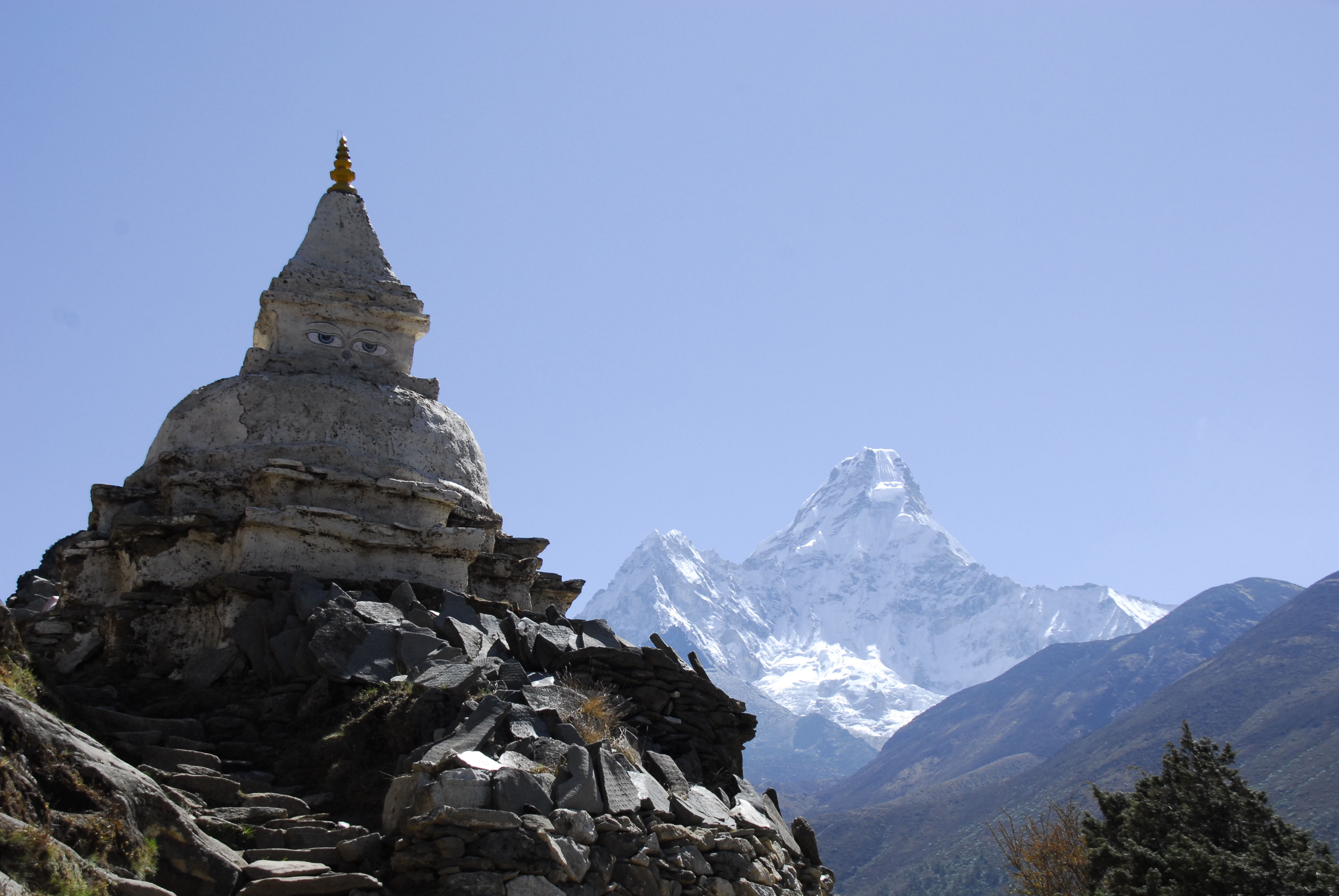
There are no roads to Everest Base Camp. Once an item lands at Lukla's small airstrip, its journey has only just begun; every Snickers bar, bottle of beer, or bag of flour has to be carried over rugged, vertical terrain by porters or yaks, the true backbone of the Khumbu economy. A porter might carry 30 to 60kg of supplies for days at a time, so you're not just paying for the chocolate; you're paying for the human effort of getting it over a 4,000 meter pass. Heavy items see the steepest markup for exactly this reason, which is why a $0.20 bottle of water in the city can cost $4.00 near Base Camp.
Nearly everything entering the Khumbu starts its journey on a small Twin Otter plane from Kathmandu or Ramechhap to Lukla, where cargo space is limited and expensive. When weather grounds the planes, supplies have to come in by helicopter instead, which can quadruple the transport cost overnight.
Altitude also changes the physics of cooking. As elevation increases, water boils at a lower temperature, yet more fuel is needed to cook food and heat water because of the freezing ambient air. Above the tree line (roughly 4,000m), there's no wood for fires, so all cooking gas has to be carried up in heavy canisters by porters. That's a large part of why a plate of dal bhat can rise from about $5 in Lukla to $12 in Gorak Shep.
Local “carry in, carry out” regulations add another layer; trash has to be transported back down the mountain at a real cost, so part of the price of that $5 Snickers bar helps fund removing the wrapper from a genuinely fragile ecosystem.
A few strategies can keep this cost under control. Using a UV purifier or chlorine tablets instead of buying 3 liters of bottled water a day (which can add up to $150 over a full trek) lets you use free or nearly free tap water. Buying your “energy bank” of chocolate, protein bars, and nuts in Kathmandu's Thamel district before you leave adds a bit of pack weight but can save roughly $80 in Altitude Tax along the way. And dal bhat remains one of the best value meals on the mountain, since most teahouses offer free refills, making it the most calories you'll get for your money.
When you hand over $5 for a chocolate bar at 5,000 meters, it's worth remembering there's no road for fifty miles in any direction; that $5 is a fair reflection of the effort it took to get the treat into your hand.
The Buffer Day Math: The Hidden Cost of Bad Weather
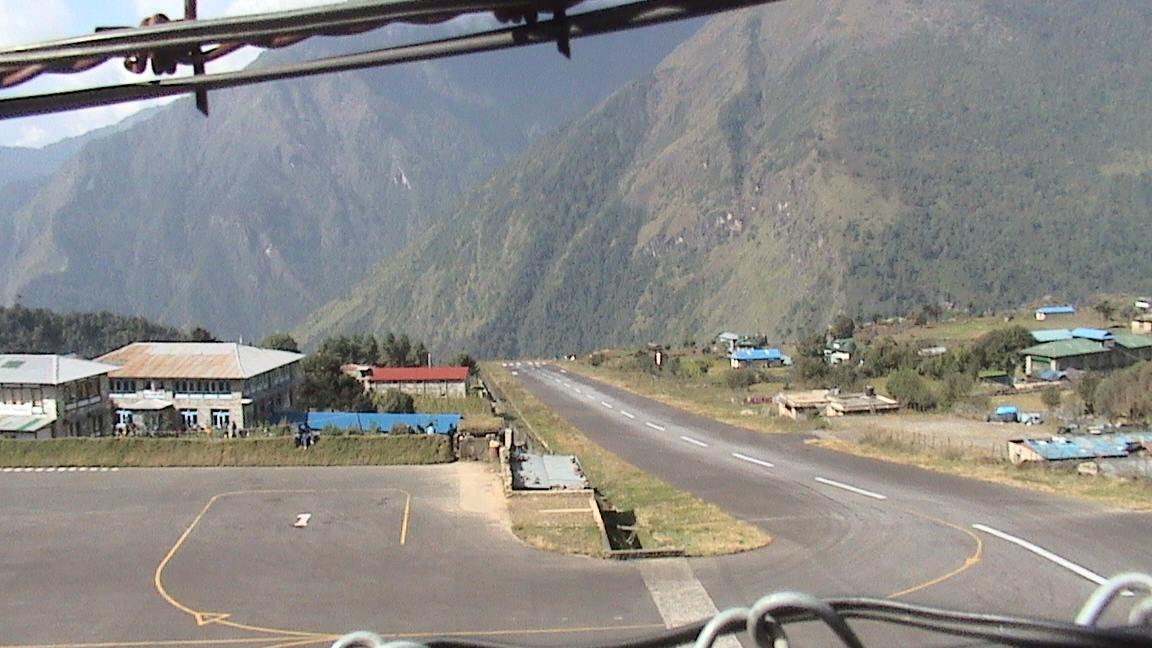
Getting “Lukla ed” is something of a rite of passage among trekkers; the moment a single cloud over the “world's most dangerous airport” grounds every flight, sometimes for days at a time. Weather in the Himalayas remains genuinely unpredictable even with modern forecasting, and skipping the buffer day math before you leave can turn a routine delay into a $1,500 financial surprise.
When flights are cancelled, you don't wait at the airport; you move back into a teahouse, and because hundreds of trekkers are often stranded at once, prices rise accordingly: $15 to $25 per night for accommodation, $35 to $45 per day for meals, and around $10 per day for Wi Fi and charging as everyone refreshes the weather forecast. A helicopter upgrade is usually available, typically for an extra $400 to $600, and helicopters can often fly in visibility that grounds the small fixed wing planes. But if bad weather lasts three days, you could be one of 500 people waiting for a lift, and prices can surge for those willing to pay cash on the spot.
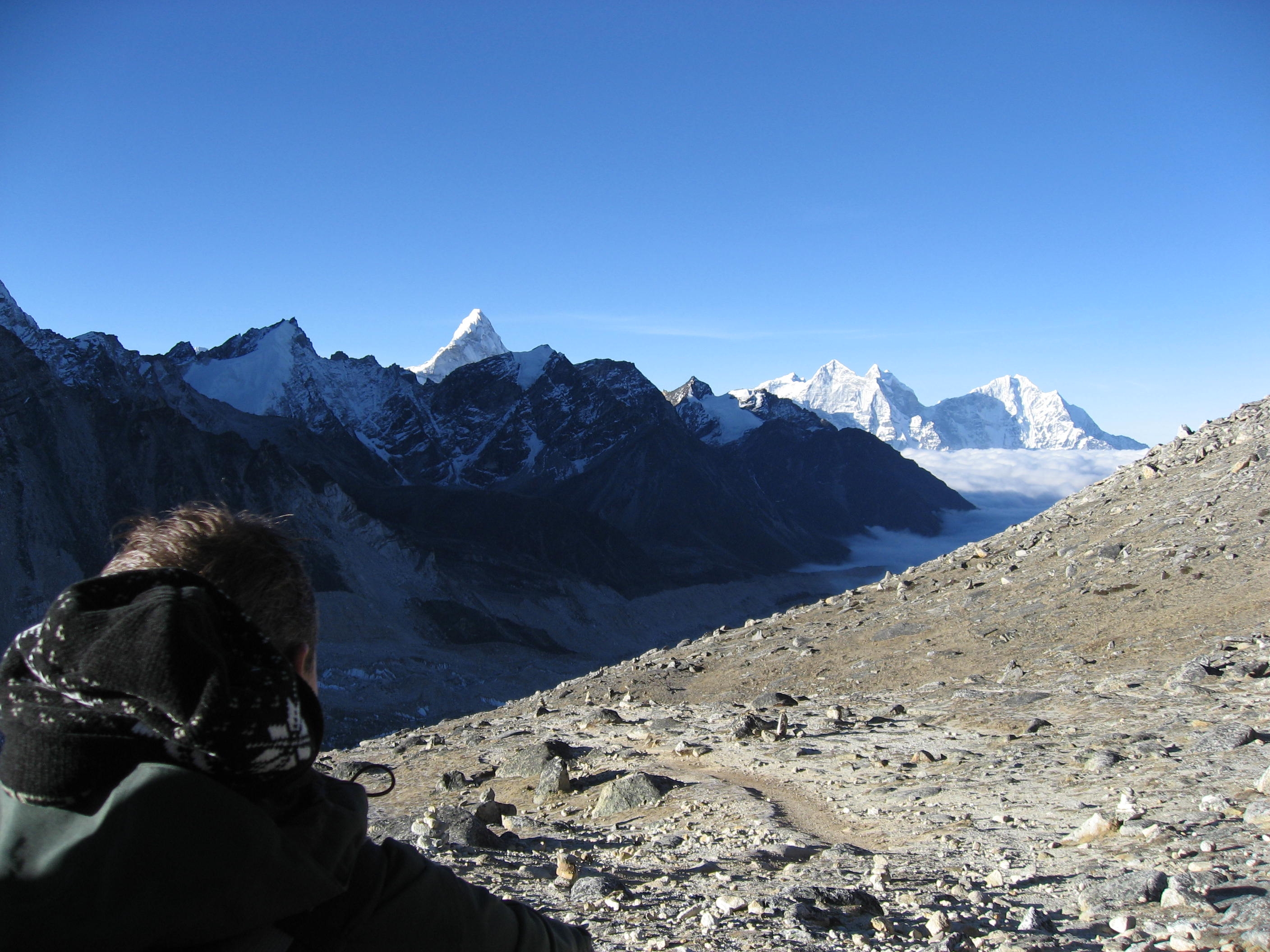
The international flight ripple effect is where the real financial risk lives, often costing $500 to $1,200. Most trekkers book their international flight home just 24 hours after their scheduled Lukla flight, and if that gets missed, some airlines charge a no show fee or require a new ticket at last minute prices even with a flexible fare, the price difference for a next day flight can easily run $500 or more.
A simple “3-2-1” strategy helps protect against this. Build 3 full buffer days into Kathmandu after the trek and before your international flight if everything runs on time, spend them relaxing and shopping; if not, they're your financial cushion. Keep a $600 heli fund in reserve, whether in cash or on a credit card, so you're never forced to wait out a delay you can't afford to fly out of. And confirm your travel insurance covers trip interruption and travel delay specifically, since many policies will reimburse hotel and food costs, and sometimes even a helicopter flight, if your scheduled flight is cancelled due to weather.
In the Himalayas, time really is money; a little extra time built into the end of your itinerary is some of the cheapest insurance you can buy.
Coordinating Your Gear, Insurance, Timing, and Trail Logistics
A well planned trek to Everest Base Camp rests on four pillars: gear, insurance, timing, and logistics. Getting each one right is what keeps your budget realistic rather than a moving target. High quality, high altitude gear is genuinely expensive; a full kit can easily run over $1,000 if bought new. Renting bulky items instead, like a –20°C down jacket and a four season sleeping bag, costs just $2 to $5 per day in Kathmandu's Thamel district and can cut hundreds of dollars off your upfront spend. A good rule of thumb: invest in the contact point gear you'll actually reuse, like broken in boots and moisture wicking socks, and rent the bulky items you likely won't need again after leaving the Himalayas.
Travel insurance is the most important safety net in the whole budget. Standard travel insurance rarely covers trekking above 3,000 meters, so it's effectively useless the moment you land in Lukla. EBC requires a specialized high altitude policy that explicitly covers search and rescue and emergency helicopter evacuation up to 6,000 meters, and in 2026 these typically cost $150 to $250. That may look like a steep line item on paper, but it's a small price against a potential $5,000 to $10,000 out of pocket helicopter rescue bill if you develop Acute Mountain Sickness. Many helicopter operators won't even dispatch without confirmed insurance, which makes this one area where cutting corners genuinely isn't worth the risk.
Timing and season are the biggest environmental variable in your final price. Peak pre monsoon (March to May) and post monsoon (October to November) seasons bring the clearest skies and safest conditions, but also the highest flight and accommodation prices, along with the Ramechhap flight shift, adding a roughly $30 shuttle fee and a 5 hour overnight drive to your itinerary. Trekking in the shoulder or off peak seasons can save around 20% on teahouse rates, but raises the risk of weather related flight cancellations, which can push you toward an expensive helicopter workaround.
On the logistics side, the mandatory guide requirement means a guide's daily fee of $30 to $50 is now a non negotiable line item, and permits (Khumbu Pasang Lhamu and Sagarmatha National Park combined) run approximately $57 total. It's worth keeping a cash reserve on hand for the smaller “unseen” trail costs too, like charging electronics, hot showers, and Wi Fi. Bringing these four pillars together, renting gear thoughtfully, securing proper high altitude insurance, timing your trek deliberately, and planning around the Ramechhap shuttle gives you a financial plan that's as realistic as it is resilient.
Everest Base Camp Trek Cost in Rupees: 2026- 2027 Guide
Since almost every transaction on the trail, from Snickers bars to hot showers, is settled in Nepalese Rupees (NPR), it helps to know the local pricing directly. Mandatory permits start the list: the Khumbu Pasang Lhamu Rural Municipality permit costs NPR 3,000, and the Sagarmatha National Park entry fee is approximately NPR 3,400 including VAT. The biggest single logistical cost is the round trip Lukla flight from Kathmandu or Ramechhap, which currently averages around NPR 60,000.
Once on the trail, the altitude tax shapes daily spending: a standard twin share teahouse room runs NPR 700 to 1,500 per night, and a plate of dal bhat starts around NPR 800 in Lukla and can climb past NPR 1,600 by Gorak Shep.
With the 2026 mandatory guide rule in place, professional staff is a fixed cost too; a licensed guide typically charges NPR 4,000 to 6,500 per day, and a porter's daily rate runs roughly NPR 2,500 to 3,500. Smaller daily costs add up as well: charging a power bank or phone runs NPR 300 to 700, a hot shower runs NPR 500 to 1,000, and a 10GB Wi Fi card costs around NPR 2,500. For a standard 14 day trek, a realistic total local budget lands between NPR 180,000 and 250,000, excluding international flights and high altitude insurance.
It's worth carrying this amount in cash, ideally in smaller NPR 500 and 1,000 notes, since ATMs in Namche Bazaar are notoriously unreliable and frequently run out of cash during peak season.
Final Thoughts on the Everest Base Camp Trek Cost
At the end of the day, the Everest Base Camp trek is easy to plan for on a spreadsheet but hard to fully capture in one. Your 2026 budget will include real, sometimes surprising line items, five dollar Snickers bars, a possible $600 helicopter contingency, but those numbers don't capture what it actually feels like to watch the first light hit the Nuptse ridge after weeks of planning.
Budgeting for the Khumbu is really an exercise in balancing the practical with the memorable: every rupee spent on a licensed guide or a national park permit goes directly toward the people and systems that make this trek possible in the first place. As you close the spreadsheet and start packing, it's worth remembering that the goal isn't just to spend efficiently; it's to arrive prepared, supported, and able to actually enjoy the 5,364 meters once you get there. In the unique economy of the Himalayas, the only genuinely costly mistake is never making the trip at all.