Everest Three High Passes Trek Difficulty: What To Expect?
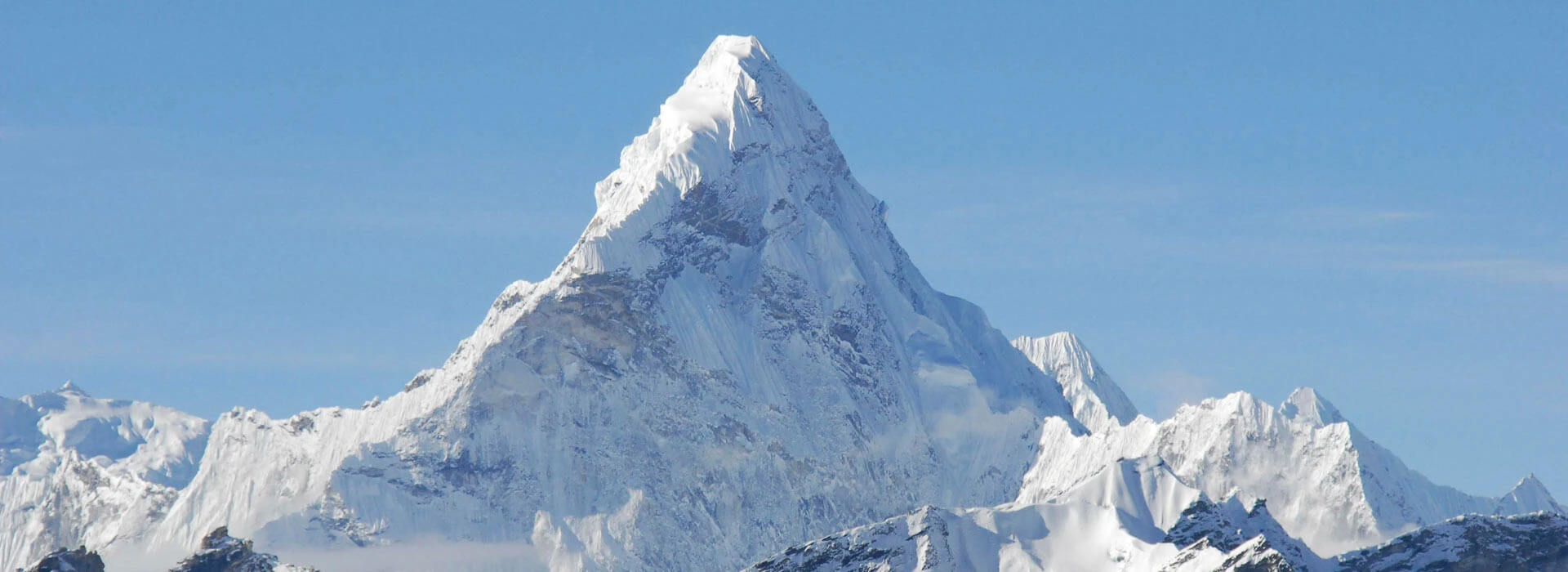
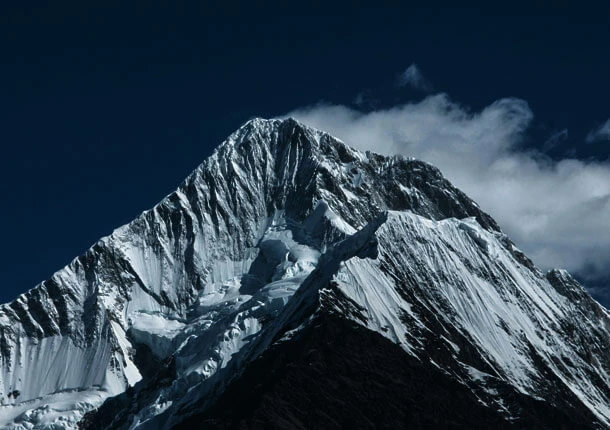
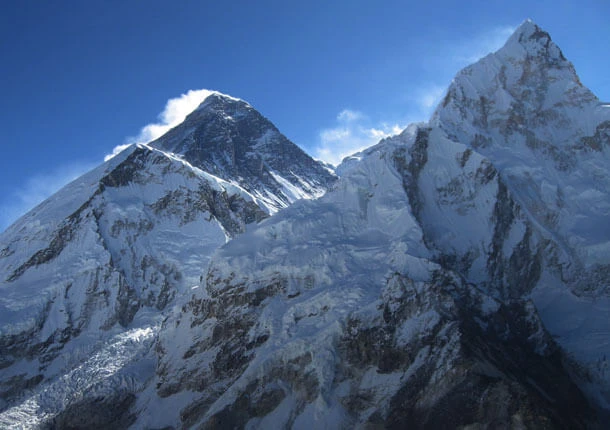
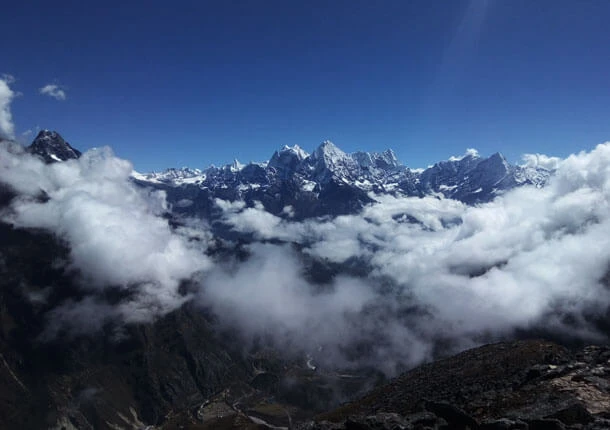
The Three High Passes Trek Nepal is defined by three distinct days of extreme exertion that often test a trekker's limits. If the Khumbu valleys are the heart of this journey, the Everest 3 passes are its backbone and crossing them is what elevates this journey from a standard trekking to a world class mountain expedition. Navigating elevated terrain, each standing above 5,300m, 17000 ft, with thin air and weather unpredictability, makes this trail one of the extreme trekking routes not just in Nepal, but the entire world.
Kongma La Pass is often the first pass on a counter clockwise route and also the highest. The trekking path is isolated with no teahouses or emergency shelters between Chhukung and Lobuche, and you are completely self reliant for nearly 10 hours. The ascent involves moving through massive fields of loose boulders, and this requires uninterrupted mental focus to avoid any injury. However, the most difficult part of this pass is actually descending via the Khumbu Glacier. Walking on the frozen ocean at the end of the 9 hour day to reach Lobuche is a major physical and mental hurdle.
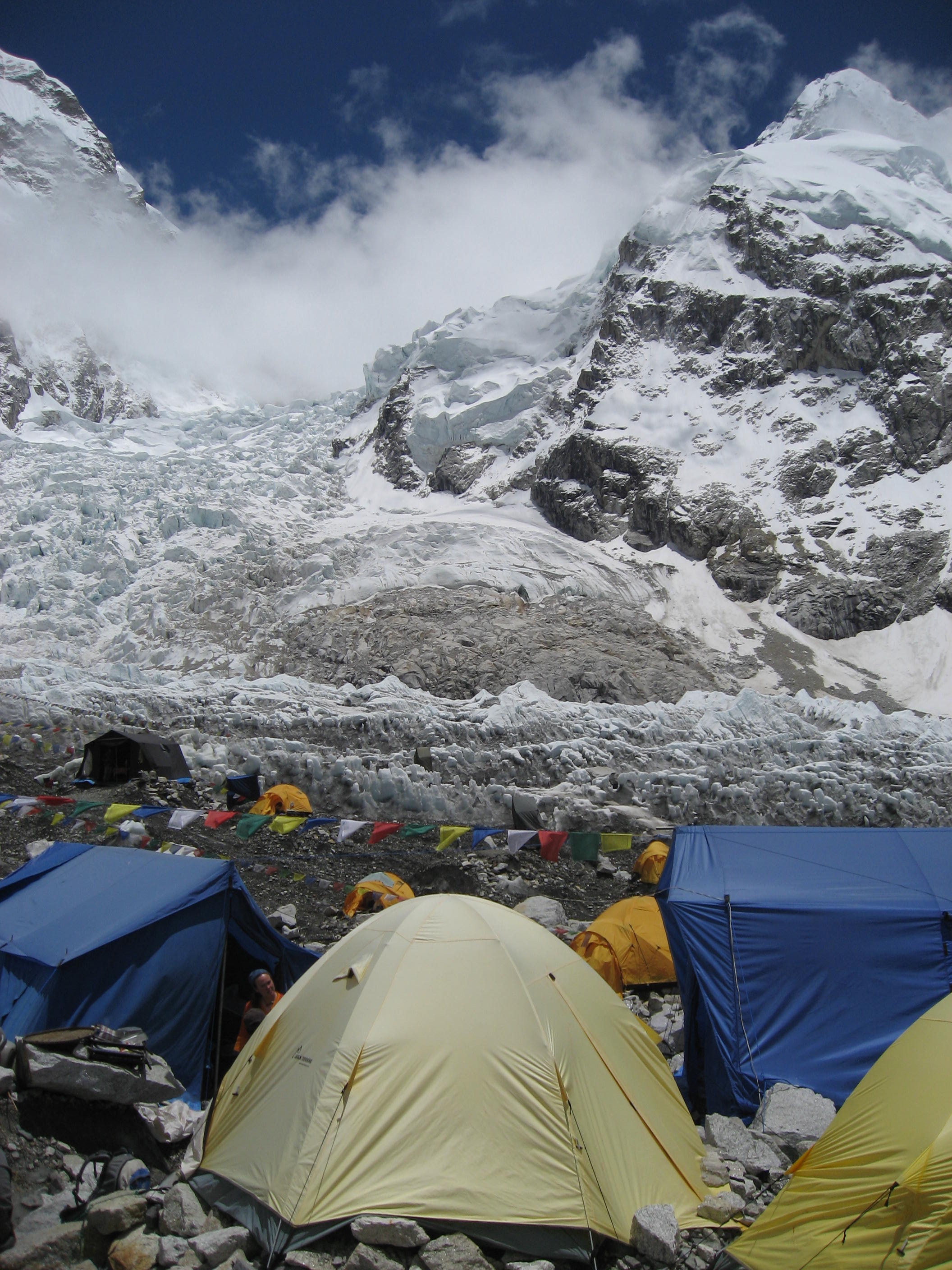
Cho La, the most famous pass, also has its challenges. The ascent is a solid ice glacier, which, depending on the day, can be slick ice or slushy snow. Here, using microspikes is a must. The eastern approach to the pass is a narrow, steep path, and the western descent toward Thagnak is a near vertical rocky path.
Renjo La Pass is usually the third pass, and your body will be at its weakest point, which is the most difficult aspect of this trail. The path from Gokyo consists of hundreds of steep, uneven stone steps and descending these for nearly three hours after reaching the summit is very hard on the knees and quadriceps.
The environmental hurdle also increases the Everest High Passes Trek Difficulty Level as they are very challenging. All three pass days begin very early in the morning, around 3:30 or 4:00 am, where temperatures are often -15°C to -20°C and handling zippers, camera gears, and water bottles with frozen fingers will be very difficult. Similarly, the false summits along the way will discourage your morale. Both Kongma La and Renjo La are known for false summits, and this can be both physically and psychologically devastating. Also, all three passes involve crossing the debris left by glaciers, which can be dangerous.
The midday weather shift also increases the risk significantly. In the Himalayas, clouds often roll in by 1:00 PM, and if you have not crested the pass by an hour before, then the chance of getting lost in fog or snow will be very high. The search and rescue operations are also very complicated to tackle because the helicopter evacuation is difficult due to the thin air and the lack of landing spots. This means a trekking team must carry a sick person down to a lower elevation, and sometimes the late treatment can be life-threatening.
Physical, Mental, and Practical Preparation for the Kongma La, Cho La, and Renjo La Trek In Nepal
Considering that the combined Kongma La, Cho La, and Renjo La trek is among the most demanding high alpine treks, proper preparation is crucial. The challenge goes beyond physical fitness and also requires careful practical planning and strong mental resilience. Adventurers should be prepared to handle long trekking days of up to 12 hours during pass crossing days, steep ascents, harsh weather, false summits, and extreme altitude.
Proper Physical Training For Enduring The Mountain Challenges
Well planned physical training is very important for tackling the demanding terrain of the three passes. The long walking days consisting of demanding ascent and slippery descent require strong endurance, leg strength, and overall fitness to face the mountain trails safely and confidently.
To train for the expedition, you need a blend of Cardiovascular exercises such as walking, slow jogging, swimming, or cycling, 2 to 3 times a week for 60 to 90 minutes. You should try doing exercises while holding a conversation, and this helps build microcondrial density required for 20 days of movement. Another very crucial exercise is the stair climb, which you have to do twice a week, and by week eight, you are suggested to do these sessions wearing your weighted backpack and trekking boots.
Similarly, once a week, it is recommended to do 30 minutes of sprints or high intensity rowing, which will help increase your VO2 Max and help your body handle the sudden oxygen demands in the high mountains. Focus on the leg exercises more, such as step downs and Bulgarian split squats, as most injuries happen on the descents. You can also try doing weighted step ups, where you find a box and step up and down repeatedly with a backpack, which will later help you over boulders on the Cho La Pass. Likewise, the planks, deadbugs, and russian twists help to build core stability.
Practice makes perfect, so to decrease the Everest High Passes Trek Difficulty Level, once a week, you can go for a long hike while wearing the exact boots, socks and backpack you will take on the trek and seek out the steepest trails available.
Gear, Equipment, and Technical Preparation Guide For The Three Passes Climb
Three High Passes Trek Nepal Difficulty is categorized as a semi technical journey, so you don't have to use technical gear like ice axes and crampons, but you are required to prepare to focus on glacial ice, temperature swings, and loose vertical terrain.
The technical essentials that are required for this trek, especially on the Cho La Pass glacier, are Microspikes, trekking poles and a high-lumen headlamp. Microspikes are stainless steel pikes connected by chains designed to slip over hiking boots, which helps to grip properly on ice and packed snow. It is mandatory and is very important during the Chola La Pass as the trail involves more than half an hour of traverse across a solid ice glacier.
Trekking poles are usually paired walking tools that help increase stability, improve rhythm and reduce joint strain. You will face 1,000m descents on loose scree, and these poles will act as your 'second set of legs' on the moving boulders of the Khumbu Glacier.
A high lumen headlamp is also very important as your pass days start very early in the morning, and you will be navigating boulder fields in pitch darkness. Buy a minimum of 300 lumens and bring two sets of solar lithium batteries, as standard alkaline batteries die quickly in the cold.
Mountain approved footwear is another essential factor while preparing for this Kumbu trip. The terrain is a mix of muddy forest paths, dusty valley floors, and jagged rock, so you have to be prepared for them all. Buy a mid to heavyweight trekking boots which is waterproof and has a stiff sole and high ankle support. The boots should be fully broken in with at least 50km of hiking before you arrive. Similarly, another pair of camp shoes is a must to let your feet breathe and dry out at the tea houses.
Follow the 3 layer clothing system, but in the Khumbu edition. Your base layer should be used for moisture management, so go for 100 per cent merino wool, it stays warm when wet and also does not smell even after a week of no shower. The mid layer should be a heavy fleece jacket, and this will trap air. Likewise, your outer layer should always act as a protector. Buy a professional Gore tax jacket with a hood, mostly for the pass summit days.
The sleep system is to buy a sleeping bag rated for -15°C to -20°C (0°F to -4°F), add a silk or fleece liner for the 3-5°C of warmth and use Nalgene water bottle, which acts as a heater when you put it at the bottom of your sleeping bag. Also, packing gear such as the waterproof duffel (for the porter), the daypack (for you to carry, which must have a rain cover), and a dry bag (to put electronics, permits, and dry set clothes in a waterproof dry bag inside your bag) is required.
Your techincal gear checklist summary
- A chainsen style Micorspikes
- Lever lock Trekking Poles
- -20°C Rated Down Sleeping Bag
- 800+ Fill Power Down Parka
- Nalgene Bottles
- 20,000mAh Power Bank
Building Mental Resilience for the Everest Passes Trek
While physical training gets you to the trailhead, it's mental resilience that will help you get over the passes and handle Everest High Passes Trek Difficulty Level properly. On the 20 day 3 passes Everest trek, you will face the 'summit' multiple times, you will be cold, irritated, exhausted, and oxygen deprived and far from home comforts, so mental strength in the Khumbu is not about enduring the physical pain but about managing your emotions and focusing on your body's requests for help.
The expectation management will help you not be discouraged in the trek. Many climbers assume that the trek is a series of postcard moments, but the reality is that 90 per cent of the trek is a slow, rhythmic grid. You will probably go weeks without a hot shower, use frozen squat toilets, and the bedroom will be small and sometimes cold. The strategy is not fighting the discomfort and accepting it as the price of admission. When you stop wishing for the facilities that you found in your home and accept the reality of the mountain, you will save an immense amount of mental energy.
During your pass days, follow the one step philosophy. Looking for the summit from the bottom on a 12 hour crossing day is psychologically crushing, so break the day into micro wins. Don't think you have six hours of climbing left, but think about the big rock 50 meters away, and once you get there, find the next rock and make it your next target.
Understanding hypoxic mood shifts is essential, as altitude not only affects your breath but also your brain's chemistry. Low oxygen causes cognitive decline, and you often feel emotional or forgetful. During this time, practicing metacognition (thinking about your thinking) will help. When you feel irritated, just ask yourself, is it because of a real problem or just altitude talking. Recognizing and understanding that your bad mood is a psychological symptom of hypoxia helps you distance yourself from the emotion and keep moving.
At the mountains, even the simple decisions like what to eat or wear become exhausting, so always create a strict daily routine with the help of your guide. By automating these small tasks, you preserve your mental battery. Similarly, the three passes are high-stakes days, so always focus on process out outcome. You cannot control the weather or how your body reacts to altitude on that day; you can only control your breathing and foot placement.
On the Three Passes journey, your legs are the engine, and your mind is the driver. If the driver stays calm, patient, and focused, the engine will eventually get you to the destination.
Trekking Insurance and Visa Requirements For Everest Three High Passes Trek
Conquering the Everest Three High Passes Trek Difficulty heavily relies on the safety and logical preparation. Because this trail involves crossing one of the remotest and alpine terrains in the world, ensuring your safety should be the first step.
Obtaining a visa for a 20 to 25 day trek is a straightforward process, but you must choose the correct duration. The visa type and costs are: For a 15 day multiple entry visa price is $30, for a 30 day visa, the cost is $50 (recommended for this trek), and for a 90 day visa, the cost is $125. Similarly, the on arrival process in the Tribhuvan University Airport involves filling the official Department of Immigration form within 15 days of your arrival, paying the cash in the fee collection department and taking your receipt and barcode to the immigration desk to get your visa sticker. The documents required are: a password with at least six months' validity, at least one blank page in your password, and a digital or physical passport sized photo.
Safety on the three passes is complex because of the altitude, so having proper safety insurance is vital. Standard travel insurance will not cover your journey; choose the one that covers the altitude up to 6,000 meters, emergency helicopter evacuation, and both search and rescue.
Other safety requirements involve proper communication back home. Buy an Ncell or NTC SIM card in Kathmandu for lower level data and above Namche, buying Everest Link WiFi cards, which work in almost every teahouse on the Three Passes circuit. Also, taking care of financial logistics is an important step. Once you leave Namche, there are no reliable ATMs, so carry an extra Nepali currency.
Three High Passes Trek Nepal Difficulty By Age Group
The Khumbu high passes trek is an extreme test of endurance that affects different age groups in unique ways. While the altitude remains the great equalizer, your age group determines how your body recovers. how you handle alpine, and your psychological approach to the challenges you face.
Young Adults (Ages 18 to 35): For this age group, physical strength is rarely a challenge, but their pacing and discipline are a different story. This group can handle pass days with less muscle cramp the next morning, as they have the fastest recovery rates and their cardiovascular systems are mostly at peak efficiency. However, the young trekkers usually don't accept the Bistari, Bistari (slowly, slowly) rule and tend to race up the mountain, which is the leading cause of Altitude Sickness. So, for this age group, practicing focusing on pacing is important as it is a survival skill and not a sign of weakness.
Millennials and Middle Aged (Ages 35 to 50): They are the most common age group on this expedition and are known for having the best balance of physical fitness and mental resilience. They are good at managing the discomfort and enjoying the moment. The risks, however, involve increasing back issues with age, and it can be challenging while descending from Cho La and Renjo La. Unlike a 21 year old, a long passing day may leave this group feeling heavily exhausted for the next two days. The millennials, while preparing, should focus more on eccentric leg strength (step downs) and flexibility. Yoga before the trip can be very helpful.
Seniors (Ages 50 to 70): For seniors, the three passes are a lifetime trophy trek. Their advantage can be their discipline towards the mountain pace, but risks involve harsh cold weather causing bigger health issues, the descent can be very brutal, and the recovery rate above 5,000m can be almost nonexistent. For seniors, they are required to have a private guide to set a custom itinerary, using double trekking poles, and walking very, very slowly.
Teenagers (Ages 14 to 17) (Mandatory travel with a parent): While teenagers are physically capable, they may not be able to perfectly handle the psychological toll while climbing the three passes. They can navigate the boulder fields with ease, but growing bodies use oxygen differently; the risk of altitude sickness among them is quite high. This group of people should focus on a high calorie nutrition diet. Also, teenagers tend to get frustrated and bored with the repetitive nature of the "walk eat sleep" routine.
Children (Under 14): While not impossible, many professional guides and medical experts advise against taking children under 14 on this expedition. Children has high risk of HAPE or HACE, as they cannot articulate the early symptoms of AMS.
Which Is Harder: Everest Three High Passes vs Three Peaks vs EBC
While all popular Everest routes, Everest Three High Passes, Everest Three Peaks, and Everest Base Camp take you deep into the heart of this region, their difficulty levels vary significantly. This comparison breaks down the key difficulty factors such as altitude, daily trekking hours, terrain and overall physical and mental stamina to help you understand how these adventures differ.
Feature | EBC | Everest Three High Passes | Everest Three Peaks Climbing |
Difficulty Level | Moderate to Challenging | Challenging to Hard | Extreme |
Duration | 11 to 17 days | 20 to 25 days | 28 to 30 days |
Route | Linear | Circuit | Traverse |
Technicality | None. Walking only | Low. Only when crossing glaciers and boulder fields | High. Requires use of harnesses, crampons, and ice axes. |
Maximum Altitude | 5,550m (Kala Patthar) | 5,535m (Kongma La Pass) | Island Peak (6,189 m) |
Days above 5,000m | 2 to 3 days | 7 to 8 days | 10 plus days. |
Accommodation | High (luxuries Lodges) | Moderate (Remote sections) | Low (Tented camps) |
Overview | Most accessible route follows a single Khumbu valley with gradual ascent, suitable for beginners with no prior high altitude trekking experience. | Significantly harder than EBC as you cross three passes and spend more than a week above 5,000m. It is suitable for experienced trekkers. | This is not a trek but an entry level mountaineering expedition; You need climbing permits, specialized gears and are suitable for aspiring climbers. |
Navigating Seasonal Weather Conditions And Trekking Challenges On The Three High Passes
Everest Three High Passes Trek Difficulty is as much a challenge of meteorology as it is of physical and mental endurance. The mountain weather is notorious for its unpredictability. Since this Khumbu voyage involves staying above 5000m for nearly a week, the weather can become a primary obstacle, where a single snowstorm can close a pass and change the whole itinerary. Understanding the seasonal weather conditions and the specific challenges they present can help to prepare and be ready in advance.
Autumn season: This post monsoon phase, from late September to November, is widely considered the best travel window for the Three High Passes. This time is best for mountain views and photography as the monsoon rains have just cleared the sky. The daytime temperature typically ranges from 10°C to 15°C in the valleys, while conditions become much colder on the high passes, with temperatures dropping to 0°C to 5°C. Nights are way colder as the conditions can rapidly drop, reaching -10°C to -20°C at places like Gorek Shep and Dzongla. Autumn's seasonal challenge can also be the crowd. Because it is a peak season, small settlements like Dzongla and Thagnak have limited teahouses, and you may find sharing rooms with more than one person and dining halls can be very rushed, crowded and rowdy.
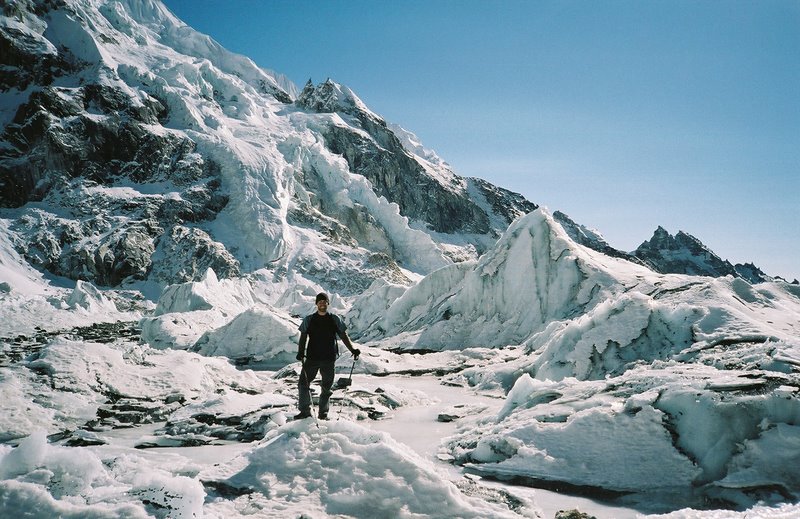
Spring season: Spring is another favored by adventures, especially climbers, as it is known for being the climbing season. The days are warmer temperatures and the trails are vibrant with beautiful flora at lower regions, but the high passes remain under the influence of winter's tail, so you have to be very careful while negotiating them. Spring's seasonal challenge is the lingering snow and haze from the winter. Passes like Kongma La and Cho La often hold deep, soft snow from the winter. Passing through boulder fields covered in fresh snow is treacherous, as hidden gaps between rocks can cause serious injuries. A good strategy to follow during this season is monitoring the snowfall reports in lower regions like Namche and making plans accordingly.
Winter season: This season is only for experienced mountaineers with a high tolerance of the harsh cold. The daytime temperature of the passes can be between -5°C and 0°C, and nighttime can be -20°C to -35°C. Many teahouses in the higher region will be closed. Also, one heavy snowstorm can trap you in the teahouse you're staying at, as the Renjo La and Cho La can become legitimate avalanche risks. This season is only recommended for professionals, and if you are new to the mountains, do not choose winter.
Monsoon season: This season is not for anyone and is not recommended for the Three Passes trek. High humidity, constant rain at lower altitudes, and wet snow on the passes make this season very risky.
There are also specific High passes weather challenges regardless of the season. In Renjo La Pass, there is a wind funnel. The gap in the mountains creates high velocity gusts that can create imbalance, and also the wind chill can drop the temperature by 10-15 degrees instantly. Similarly, in Cho La glacier, the top layer starts melting in the late morning and becomes a thin film of water over hard ice, making it the most slippery surface. So, always cross the glacier before 9: am. In the Kumbu, the Valley wind, or the clouds that rise from the valleys, can drop visibility to 5 meters in minutes, and on Kong La pass, it is very easy to walk in the wrong direction, as the trail is just a series of rock cairns. Always stay in a group and use GPS or maps constantly here.
Hypoxia 101: What Happens to Your Body While Crossing Three Passes Above 5,500 Meters?
Everest High Passes Trek Difficulty Level is defined by its verticality, as this circuit takes you over the literal 'shoulders' of the world's tallest giants. Crossing these passes involves a confrontation with oxygen deprivation and that can lead to Hypoxia. Hypoxia is a condition where a lack of oxygen limits the body's ability to function efficiently, a phenomenon scientists proved during the 19th and 20th centuries through high altitude research.
At the summit of the passes Kongma La, Cho La, and Renjo La, there is roughly 50% less oxygen available than at sea level and hypoxia and muscle fatigue become the biggest issues. Every step requires double the effort, heart rate remains elevated even when you are resting, muscles do not recover easily, and the body prioritizes brain and heart over limb repair.
The jump to 5000m or more often takes a toll on trekkers, even though they felt fine at 4,000m. The change can trigger nausea, loss of appetite, and Cheyne Stokes breathing (trekkers experienced periodic breathing, where you suddenly wake up gasping for air).
The air pressure is extremely low, and oxygen molecules are spaced far apart, which leads your lungs to work twice as hard to pull the same amount of oxygen as you get at sea level. Also, as you breathe faster to get oxygen, you exhale carbon dioxide at an accelerated rate, which changes the pH of your blood, making it more alkaline and causing a stinging sensation in your toes and fingers while climbing the steep, especially while ascending from Renjo La.
Similarly, lack of oxygen can lead your body to compensate, and in the high altitude, your kidneys start releasing a hormone called Erythropoietin, which triggers the mass production of red blood cells. While more red blood cells mean more oxygen carrying capacity, it also means thicker blood, which can lead to your hands and feet feeling way colder and your heart pumping harder even while resting.
Also, oxygen deprivation can cause brain fog as your brain consumes 20 per cent of your total oxygen supply. Under hypoxia, cognitive functions start to suffer, and you may struggle to perform even simpler tasks like tying a knot. Brain fog is one of the primary reasons for you to have an experience guide who will help you monitor your responses the entire time.
So, how to help your body survive the 5,000m plus zones? Well, follow the rule Bistari, Bistari (Slowly, Slowly) where you will walk slowly keeping your heart rate low, hydrating excessively, and consuming as many carbs as you can, as they are the most oxygen efficient fuel source.
The Science Of Acclimatization And Preventing AMS, HAPE, And HACE
Proper acclimatization is the most important step to decrease Everest High Passes Trek Difficulty level significantly. As you ascend above 4000m and 5000m, the air becomes thinner, and oxygen levels drop, putting expeditioners at risk of altitude sickness such as Acute Mountain Sickness (AMS), High Altitude Pulmonary Edema (HAPE), and High Altitude Cerebral Edema (HACE). Understanding how these conditions develop and recognizing early symptoms and immediate treatment plans can make a huge difference in your travel safety plan. By carefully pacing your ascent, properly utilizing the acclimatization days, and monitoring your vitals in the high altitudes, you can reduce the risks by a larger percentage and stay healthy while crossing the legendary high passes.
Acclimatization is the body's attempt to maintain internal balance in a low oxygen environment. The importance of acclimatization is described in three distinct phases. In the first phase, as soon as you land in Lukla (2,860m), your carotid bodies (sensors in your neck) detect low oxygen in your blood, your brain then forces you to breathe faster and deeper, which is called the Hypoxic Ventilatory Responses, your heart pumps faster to circulate the limited oxygen more quickly to your vital organs.
Phase two starts when your body suppresses the hormone aldosterone, causing you to urinate more frequently, which helps thicken blood and increases the density of the red blood cells so each drop of blood carries more oxygen. Similarly, your kidneys start releasing the hormone called EPO, which orders your bone marrow to start mass producing blood cells, and this process takes two to three days to start effectively. The third phase is when your body cells start producing mitochondria, also called the power plants of cells and increase capillary density, which allows oxygen to travel shorter distances from the blood to the muscles. This is the reason why acclimatization is non negotiable. But what happens when you take the acclimatization lightly? Well, altitude sickness occurs when the rate of ascent exceeds the body's ability to acclimatize.
Acute Mountain Sickness (AMS) is the warning sign where the low oxygen causes slight swelling in the brain. The symptoms can be a throbbing headache, loss of appetite, and nausea. The treatment is ACCLIMATIZING and waiting at the same altitude until symptoms disappear or descend immediately if the condition worsens.
HAPE (High Altitude Pulmonary Edema) is like drowning on land, where, to combat low oxygen, your lungs constrict their blood vessels, which creates high pressure and eventually forces fluid out into the air sacs. You are literally drowning in your own internal fluids. The symptoms are shortness of breath even while resting, a persistent wet cough, and a crackling or gurgling sound in the chest. HAPE often strikes at night in higher regions, and treatment is an immediate emergency descent and oxygen.
HACE (High Altitude Cerebral Edema) happens when your brain, starved of oxygen, starts leaking fluid into the brain tissue, causing it to swell. The symptoms can be ataxia (drunkard's walk), severe confusion, and hallucinations. This is a very serious medical emergency, and an immediate helicopter rescue is the only option.
The successful Everest three passes trip also heavily relies on how well your body adapts to high alpine conditions and by respecting the process and understanding the science behind acclimatization, monitoring your body signs of AMS, HAPE, and HACE, and taking proactive measures, trekkers can significantly reduce the Three High Passes Trek Nepal Difficulty.
Hydration vs. Altitude: What Trekkers Need To Know?
At altitudes above 5,000m, your body loses water twice as fast as it does at sea level, so on the Everest three high passes trek, hydration is not just about quenching thirst but a critical survival strategy. So, why does altitude dehydrate you? There are four main physiological reasons.
High altitude diuresis is one of the reasons. As your body adjusts to the thin air, it starts thickening your blood, and to do this, the kidneys flush out excess water through frequent urination. Respiratory water loss, to protect your lungs, the body humidifies every breath you take, and because you are hyperventilating to get more oxygen, you are breathing out liters of water vapor every day. Suppressed Thirst Response, research shows hypoxia actually suppresses the brain's thirst signals, so when you feel thirsty at high altitudes, you are likely 2 liters behind your body's needs. The fourth reason is an increased basal metabolic rate, which is a phenomenon that occurs when your body works harder just to exist at high altitude, requiring more water to process cellular waste.
All these factors affect your water intake process, and that can lead to blood viscosity, which is one of the dangerous aspects of the Three High Passes Trek Nepal Difficulty. To carry more oxygen, your body produces more red blood cells, but if you're dehydrated, the blood becomes thick like sludge, which increases the risk of frostbite and severe headaches.
For the challenging trek like the three passes, you should aim for 4 to 5 liters of fluid per day. This does not have to be plain water; you can have black tea, ginger tea, garlic soup, electrolyte infused water, watery lentil or vegetable soups. Electrolytes a day are vital as drinking plain water can flush out the body's important salts (sodium and potassium).
Also, monitoring the pee test is essential as your urine color is your most honest medical report. Clear/Pale Yellow indicates you are acclimatizing and hydrating well, Bright Yellow/Orange signals you are dehydrated, and Dark Brown reveals you require a medical emergency and it indicates severe dehydration and potential kidney stress.
High-Alpine Nutrition: What To Eat On The High Passes Khumbu Trek?
On this expedition, your diet is your fuel for survival and your partner to tackle the Everest Three High Passes Trek Difficulty effectively. You will burn up to 6,000 calories per day, but the high altitude causes loss of appetite, so making a proper diet plan is important.
The golden rule to follow is Dal Bhat Power 24 hours. If you ask any guide what to eat, they will immediately say Dal Bhat. This staple Nepali cuisine is a platter of steamed rice (Bhat), lentil soup (Dal), vegetable curry (tarkari), a protein of your choice (chicken, mutton, or fish), and spicy pickles (Achar). It provides a perfect mix of complex carbohydrates and plant based protein, which are easier to digest. It is the only meal on the menu that comes with free refills.
Carbohydrates are the preferred fuel over fats or proteins at high altitudes because carbs require less oxygen to metabolize. Foods like Sherpa Stew (Shyakpa), a traditional soup made with hand pulled dough, vegetables, potatoes, pasta, noodles, and Tsampa, toasted barley flour, are highly recommended.
Follow the no meat rule, because in Khumbu there are no roads and all meat is carried up from lower altitudes by porters or yaks without refrigeration. By the time it reaches remote locations, it may have been ageing for days. Food poisoning or a cough can be triggered by poor quality meat. Instead, stick to eggs, cheese, lentils and peanut butter for your protein fix. Also, since Khumbu is a sacred region, killing animals is considered a religious taboo, so, it is recommended to avoid eating meat as much as possible.
As you go high, your brain produces more leptin, a hormone that makes you feel full even when you are strategy so, so you must force feed yourself. Snacking is also essential, so carry high calorie treats like trail mix, snickers or dried mango.
Summarizing The Everest Three High Passes Trek Difficulty
Three High Passes Trek Nepal Difficulty guide is a balance between respecting the challenge and accepting that patience, acclimatization, and proper preparation are key to a successful journey. Success on this route is not about speed but about respecting your body's limits.
With steep ascents, high passes, extreme weather, and reduced oxygen levels, trekkers must prepare thoroughly in every aspect, such as fitness, gear, nutrition, and mindset. While the difficulty is high, proper preparation ensures a safe and rewarding experience. For those who succeed, the trek offers unmatched Himalayan vistas, serene high altitude lakes, and the unforgettable sense of accomplishment that comes from crossing some of the world’s most spectacular high passes.