Why Timing is Critical for a Successful Kailash Mansarovar Yatra?
Choosing the best time for the Kailash Mansarovar Yatra is one of the most important decisions a pilgrim can make. Timing influences not only the spiritual experience but also safety, logistics, and the likelihood of successfully completing the pilgrimage.
Due to the severe climatic conditions of Tibet’s Ngari region, time for expediton is limited. Between late September and April heavy snow, sub-zero temperatures and high winds make Dolma La Pass impassable. It is advisable to trek between May and September, when the trails are usually open, the weather more stable and the crossing of the pass far safer.
Good timing also aids acclimatisation. The good weather of late spring and summer reduces the additional physical strain of extreme cold so that pilgrims may slowly accustom themselves to the thin mountain air. Doing this trip out of season increases the chances of altitude-related illness such as Acute Mountain Sickness (AMS) and High Altitude Pulmonary Edema (HAPE).
Logistics are also important. Tibet travel permits, border crossing, accommodation, rescue services, yak porters and local support teams basically work in the official pilgrimage season. Many seekers also time their departure for spiritually significant dates like Saga Dawa and Purnima, which adds a special cultural and devotional dimension to the journey.
Kailash Mansarovar Yatra 2026 Season: May to September, The Golden Window
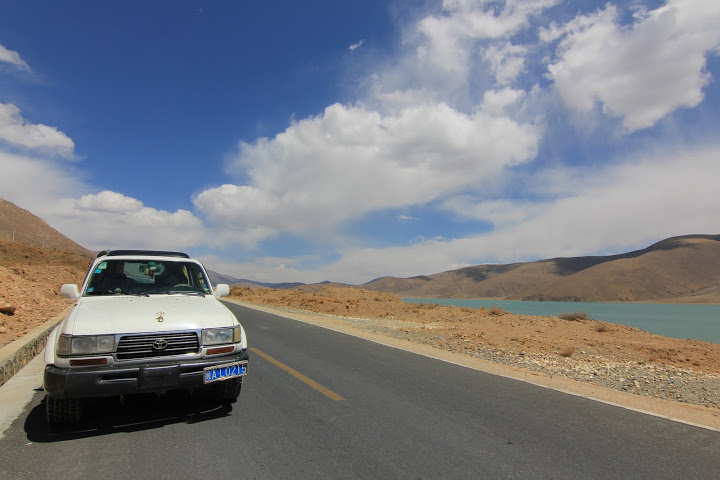
The period from May to September is widely recognized by Himalayan experts and seasoned guides as the Golden Window for this sacred expedition; basically the best Kailash Mansarovar Yatra 2026 Season. The Tibetan climate is harsh and capricious, but it softens in these five months to provide the most reliable weather conditions for the pilgrims to successfully complete their holy circuit. In the early part of this window, May and June, the atmosphere is remarkably stable and skies are crystal clear, making it the premier time for a spiritual quest to see the unclouded reflection of Mount Kailash in the turquoise waters of Lake Mansarovar. These months also correspond to the Saga Dawa festival, when the faithful congregate to observe the raising of the Tarboche flagpole, making the venerable transit a lively cultural event.
As the season moves into July and August, the divine trek takes a different turn. These months are the monsoon season in the lower Himalayas, but the Tibetan plateau is relatively dry due to the unique rain-shadow effect of the Trans-Himalayan range. The temperatures are mildest for the seeker who chooses this time, a more manageable climate for the transformative odyssey, especially for pilgrims entering during the Autumn Kailash Mansarovar Yatra window. Finally, September is the Second Golden Peak when the summer dust is washed away by rare light showers, leaving the air crisp and the visibility sharp for every mountain voyager navigating their devotional route.
Logistically and authoritatively this is the only time when the necessary infrastructure of this region is fully operational: rescue teams, high altitude guesthouses and local porters. Any traveler attempting this spiritual undertaking will be best off scheduling between May and September for the best chance to safely cross the 18,200-foot Dorlma La Pass. Practitioners can avoid the deep winter snows that render the trails impassable, thus ensuring that their godly trek is characterized by spiritual elevation rather than life-threatening environmental hazards.
Here are the differences between seasons which are considered the best time for Kailash Mansarovar Yatra, so you can ultimately decide whixh window you prefers the most.
FEATURE | SPRING (MAY TO JUNE) | AUTUMN (SEP TO OCT) |
Visibility and Views | Exceptional clarity: Best time to capture unobstructed views of the peak. | Crisp, post-monsoon air provides sharp contrasts and deep blue skies. |
Temperature | Sharply cold, especially at night; requires heavy layering. | Milder daytime temperatures gradually dropping toward October. |
Spiritual Events | Home to the Saga Dawa Festival; a peak time for a venerable transit filled with intense cultural energy. | Generally quieter and more meditative; ideal for those seeking a solitary and peaceful transformative odyssey. |
Trail Conditions | Possible lingering winter snow on high passes like Dolma La. | Drier, dust-free trails washed clean by summer rains, offering stable footing. |
Atmospheric Pressure | Very stable; highly recommended by experts for the physiological success journey. | Highly stable and predictable; reduces the risk of weather-related delays. |
Flora and Landscape | Sparse vegetation; the landscape appears raw, rugged, and starkly majestic. | Golden hues and hints of autumn color begin to appear, adding a unique aesthetic. |
The Monsoon Factor: Can You Visit Kailash During the Rainy Season?
The monsoon season, usually in July and August, may not be considered the Best season for Kailash Yatra but this window poses a special paradox for those who want to undertake a spiritual traverse. While most of South Asia is under a deluge of torrential rain, the Tibetan plateau, home to Mount Kailash is protected by the ‘Rain Shadow’ of the Great Himalayas; a remarkable part of the Kailash Yatra Weather. In other words, the Indian and Nepalese sides of the mountains are being drenched, but the actual terrain of the sacred expedition is not. Thus, a visit during this time is quite possible, and even beneficial in some respects.
However, the biggest hurdle for a monsoon divine trek is the logistics of reaching the starting point. Monsoons can be a dangerous time for seekers traveling through Rasuwagadhi-Kyirong border route from Nepal. The green lower lying areas are often hit by heavy rains which cause landslides, blocked roads and long delays.
As one crosses the Himalayan barrier into Tibet, the environment changes drastically. The hottest weather is enjoyed while undertaking the Kora (trek) during these months. Daytime temperatures are relatively pleasant and the oxygen levels are most stable. This can be a great advantage for those who are concerned with the physical toll of a holy circuit. Some rare signs of life can also be seen in the landscape. The usually barren Barkha plain may have a hint of green on it and wild flowers can sometimes be seen around the shores of Lake Mansarovar.
The trade off with these warmer temperatures is visibility. The sky is often heavy with clouds in July and August, which can obscure the Face of Shiva. For many worshippers the sight of the peak is the climax of their sacred mission. Monsoon clouds can be a source of frustration. If your focus is on clear photography and sharp mountain views, this may not be the best time. But if you prefer milder temperatures and are willing to accept the logistical risks of the approach journey, the monsoon period offers a unique and lush view of a land otherwise defined by its stark, desert-like beauty.
Walking with the Gods: Why the Full Moon (Purnima) is the Holiest Time for Kailash Mansarovar Yatra?
Ancient scriptures and local legends have long spoken of Purnima Kailash Yatra where the spiritual energy of Mount Kailash amplifies a thousand fold on the full moon. Moreover, for devotees synchronizing their holy mission with the lunar cycle is not just about logistics, but about a conscious attempt to attune their own consciousness to the celestial rhythms of the universe. In Hindu and Buddhist cosmologies, the full moon (Purnima) is the high point of mental and spiritual clarity; it is said that any merit gained during a scared circuit on these auspicious nights is multiplied, providing a faster route to liberation.
The ultimate spiritual quest, experientially, is the experience of seeing the silver glow of the moon bouncing off the ivory slopes of the peak. The "Face of Shiva" takes on an ethereal, almost translucent character that cannot be caught in the daylight hours. Many seekers prefer to begin their trek over the Dorlma La Pass in the pre-dawn hours of the full moon, to take advantage of the natural lunar light to illuminate the treacherous path. This pilgrimage at night leads to a profound sense of solitude and immersion. The silence of the high-altitude desert combined with moonlight turns the physical exertion into a deep, meditative trance.
But an authoritative guide must also note the practical reality of this timing. The full moon dates are the most sought after periods because of the immense spiritual significance. During these windows the roads are more crowded and the limited guesthouses around the mountain are full. Also, Chinese authorities and travel operators usually have a surge in permit applications, around these dates, evidently the Best season for Kailash Yatra so devotees have to plan and book their transcendent expedition at least four to six months in advance to secure a spot.
The logistics of a full moon are ultimately more difficult, but the reward is a sensory and spiritual experience that transcends the ordinary. For mountain voyagers to stand on the banks of Lake Mansarovar as the full moon rises over the horizon is often described as the moment their venerable transit becomes a life-altering encounter with the infinite from a difficult hike. Only the full moon allows one to truly walk with the gods for those who seek the greatest connection with the Abode of Shiva, especially when the Purnima Kailash Mansarovar Yatra aligns the journey with this rare celestial illumination, turning the entire landscape into a glowing reflection of divine presence.
Celebrate Saga Dawa In Kailash: The Most Auspicious Month for Pilgrims
Celebrating Saga Dawa in Kailash is regarded as one of the most spiritually powerful experiences for pilgrims on the holy journey to Mount Kailash. It is celebrated on the fourth month of Tibetan Lunar Calendar and is an auspicious time for both Buddhist and Hindu devotees. It is highly significant in Mahayana tradition as it marks the enlightenment, birth and parinirvana of Lord Buddha. This month the energy goes hand in hand with the devotion found at Pashupatinath Temple in Kathmandu for travelers who begin their spiritual expedition from Nepal. So, from the Kathmandu Valley to the remote Tibetan plateau, there is a continuous spiritual thread.
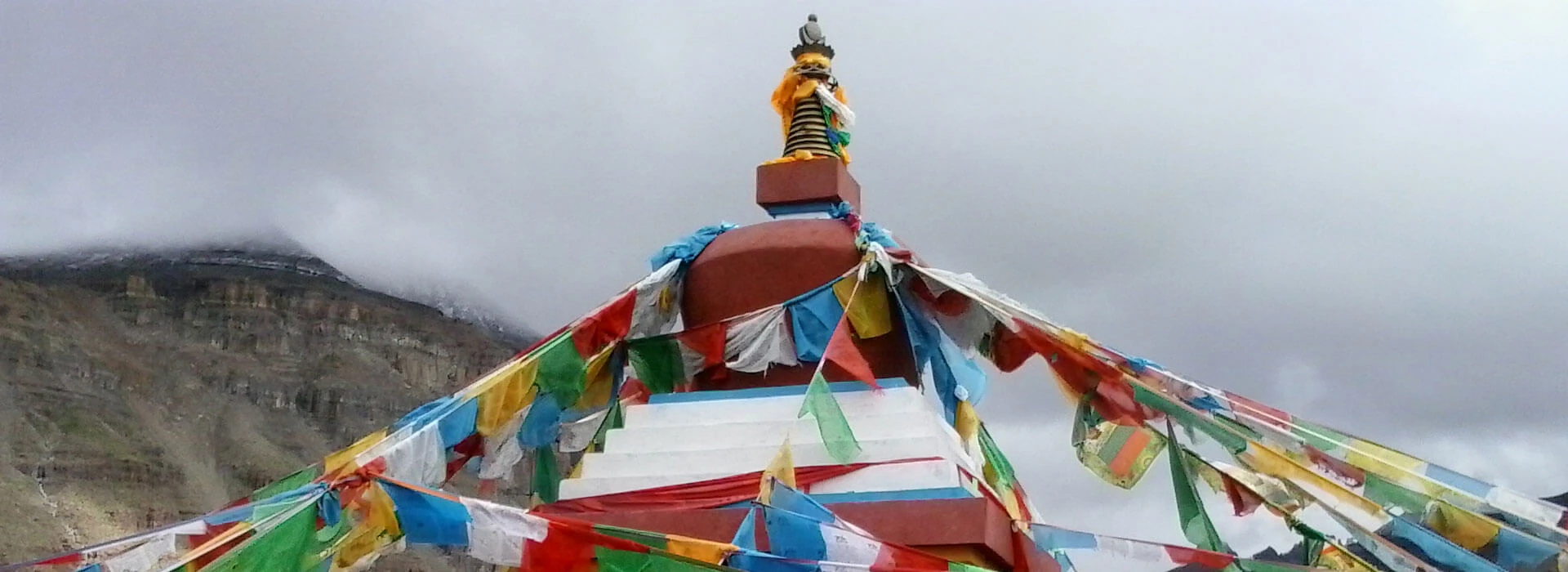
Saga Dawa is usually celebrated between May and June, depending on the lunar calendar, and transforms the whole of the Kailash region into a living field of devotion. Monasteries across Tibet, prayer flags fluttering along the Himalayas and the circumambulation path around Mount Kailash are filled with worshippers making kora, chanting mantras and lighting butter lamps. The atmosphere is not just festive, but intensely sacred, as devotees feel that every deed of generosity and prayer offered up during Saga Dawa is multiplied many times over in merit. Hence, it is known as the most auspicious month for Kailash Mansarovar Yatra.
Saga Dawa is important as it is highly symbolic of liberation and enlightenment. The people believe that in this month the visit to Mount Kailash purifies the spiritual self still further and washes away the karmas. Instead of a difficult high-altitude environment, the Tibetan plateau becomes a path of devotion, where the collective faith of thousands of pilgrims creates a powerful spiritual vibration around the holy mountain. This is particularly relevant for those on the Kailash Mansarovar pilgrimage route via Nepal Tibet border, where physical endurance and spiritual awakening converge to become one transformative journey.
One of the most important rituals done during Saga Dawa is at the flagpole next to monasteries. Huge prayer flags are hung to disseminate blessings to all sentient beings. The Kora around Mount Kailash becomes more crowded, but also more spiritualized with divine seekers from all over walking side by side in silence or chanting sacred mantras. This heightened devotion is even reflected in the pure and still lake of Mansarovar where many perform rituals in reverence along the shores.
The special thing about Saga Dawa is not just the timing but the emotional and spiritual intensity. Watching Mount Kailash in this holy month is, for many travellers, like standing at the crossroads of myth, faith and reality. This is no longer a geographical journey but one of internal transformation, each step around the mountain a step closer to liberation. That is also why seasoned guides and spiritual organizers recommend Kailash Yatra in Saga Dawa season to those who are seeking the most intense pilgrimage experience possible.
In essence, best time for Kailash Mansarovar Yatra is Saga Dawa as it is not merely a festival, it is a living spiritual phenomenon that turns the entire Kailash region into a sanctuary of collective devotion, where time slows down and faith becomes the guiding force of every traveler.
Mansarovar Under the Stars: Best Months for Night Meditation
For many travelers of the soul, the true climax of their spiritual quest is not the physical exertion of the trek, but the silent, nocturnal hours on the banks of Lake Mansarovar. May, June and September (best months for Kailash yatra) are the prime months for night meditation, when atmospheric clarity is at its absolute zenith. In those windows, you can see the cosmos with a clarity that is almost supernatural, because there is no moisture and the air is thin at 15,000 feet. These months are special because the skies are not filled with the veil-like clouds that usually cover the “Rain Shadow” region and the seekers can see the Milky Way arching right over the sacred mission.
Brahma Muhurta hours are 3:00 AM to 5:00 AM and are said to be the most powerful hours for any devotional route from a spiritual and authoritative point of view. Ancient traditions hold that at this time the veil between the physical and divine worlds is at its thinnest, and that the gods come down to bathe in the lake’s holy waters. The silence of a September night is a great deprivation of the senses for worshippers seated in dhyana (meditation) by the shore. The biting cold becomes a catalyst for intense focus, making the transformative odyssey an internal fire that burns away worldly distractions.
But an informed guide has to stress the Kailash Yatra Weather and the logistical rigors of a nocturnal godly passage. Even in the best months, it is often cold at night in Mansarovar, with temperatures falling to -10°C or below. The wind off the water can be unforgiving so it is essential for practitioners to have high altitude gear and a sheltered base. Adherents choose the stable weather of late spring or early autumn to minimize the risk of sudden storms which may endanger their spiritual migration. Ultimately the most rewarding way to experience the Abode of Shiva under the stars, when physical safety and metaphysical depth can so rarely be synchronized, is timing your celestial passage for these clear-sky months.
Visibility and Photography: When to Get the Best Views of the Peak
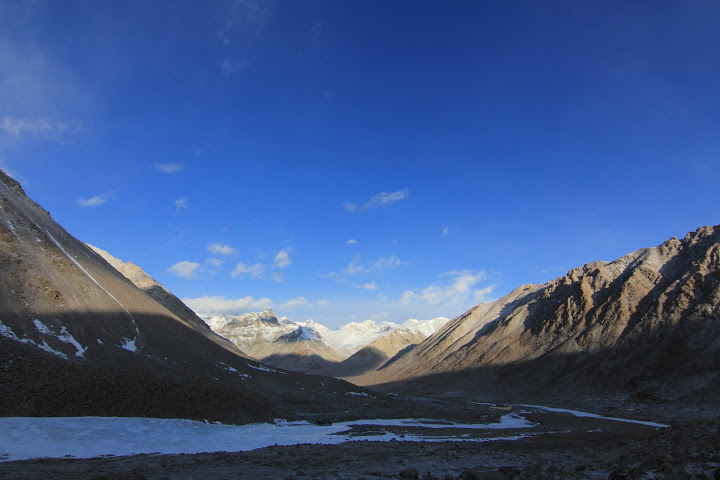
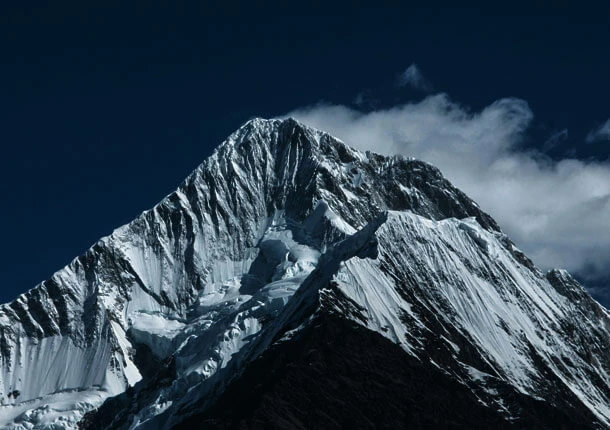
For seekers hoping to capture the perfect image of the Jewel of the Snows, timing the sacred expedition or understanding the best season for Kailash Yatra is a matter of atmospheric science. Expert photographers and experienced guides suggest May, June and late September for the best pristine visibility. At these particular times the air is thinnest and least humid at high altitude, and the great south face of the peak is visible with startling clarity from miles away. For the faithful on this venerable transit the early spring months provide a stark high-contrast landscape, the deep black of the rock against the brilliant white of the permanent glaciers, a powerful visual anchor.
The Golden Hour is maybe the most important moment for any mountain voyager who is documenting on this devotional route. As the sun rises over the Barkha plain, the summit often undergoes a phenomenon called alpenglow where the summit turns fiery orange-red before the rest of the landscape is illuminated. To achieve this, you must be at the North Face (Dirapuk) well before dawn. The post-monsoon atmosphere of late September and early October acts as a natural filter, clearing the dust and bringing the deep blue skies that are a hallmark of the Tibetan plateau, making it one of the finest opportunities for Mount Kailash photography.This is a transformative odyssey, a moment when the clarity of the digital image matches the inner clarity of the holy circuit.
But one piece of advice from the authority is to consider the intense UV light at 15,000+ feet. In photographs the sky can appear washed out and the turquoise depth of Lake Mansarovar is lost to glare without a good polarizing filter. If you’re doing a celestial passage in the full moon, a tripod and wide-aperture lens are critical for long-exposure shots of the peak under the stars. Time your sacred mission with these meteorological windows and the visual documentation of your divine trek will be as monumental as the spiritual experience itself.
Why Winter (November to April) is a No-Go Zone?
From an authoritative and safety-first perspective, the months between November and April are classified as an absolute "no-go zone" for any sacred mission expedition. The Tibetan plateau experiences a severe atmospheric freeze during this time, with temperatures regularly falling below -30°C. For anyone contemplating a winter attempt, that reality is one of total physical blockage. The 18,200 foot Dorlma La Pass, the pinnacle of the holy trek is completely buried under several meters of impassable snow and ice. This makes the trail not only difficult, but physically non-existent, leading to a fatal risk of avalanches and extreme disorientation for any mountain voyager trying to cross the high-altitude wilderness.
The logistical infrastructure to make a safe journey just isn’t there beyond the impassable terrain during these winter months. The government authorities and border security have strictly halted the issuance of permits because of the high probability of life-threatening emergencies. Local guesthouses are closed, water sources are frozen solid, and the vital support networks, including yak porters and emergency rescue teams, move to lower elevations to survive. Without this safety net, a arduous expedition into the Ngari Prefecture is logistically impossible for anyone considering a Kailash Mansarovar Yatra in winter. Also, the physiological strain in the winter is tremendous. The oxygen is already thin and feels even more punishing in the frigid, dry air, which greatly accelerates the onset of frostbite and serious high-altitude illnesses.
Expert travel operators and experienced guides stand firm, based on trust: to go on a pilgrimage during this window is not an act of devotion but a serious risk to human life. Respecting the power of the Himalayan winter, and waiting for the spring thaw to open the way again for a safe and meaningful sacred undertaking is the key to ensuring the success of Kailash Mansharovar Yatra.
Ready to start your Kailash Mansarovar Yatra?
Reaching Mount Kailash is about much more than a high-altitude trek. It takes careful planning, experienced guidance and a team that understands the unique logistical and spiritual importance of this remarkable destination. Every step, from arranging Tibet travel permits and border formalities to organizing accommodation, transportation, meals and on-the-ground support, is critical to delivering a safe and meaningful experience.
Nepal Nomad has years of experience in organizing Kailash Mansarovar Yatra tours through Nepal and takes care of every aspect of your journey so that you can focus on what really matters. Our guides are experienced, our support team reliable and our itineraries well planned so you can travel with confidence and adapt safely to the challenges of high altitude.
If you are planning to join Kailash Mansarovar Yatra 2026, then it is suggested for you to book your place beforehand. Not only does early booking mean you’re more likely to secure your preferred departure date, including those popular departures during Saga Dawa and Purnima, but it gives you plenty of time to prepare yourself physically, mentally and spiritually for the experience ahead.
Whether it’s a lifelong dream, a personal challenge, or a profoundly meaningful spiritual calling, we want to make your journey as smooth, safe, and memorable as possible. Contact Nepal Nomad today to start your journey to one of the world’s most amazing Himalayan experiences.