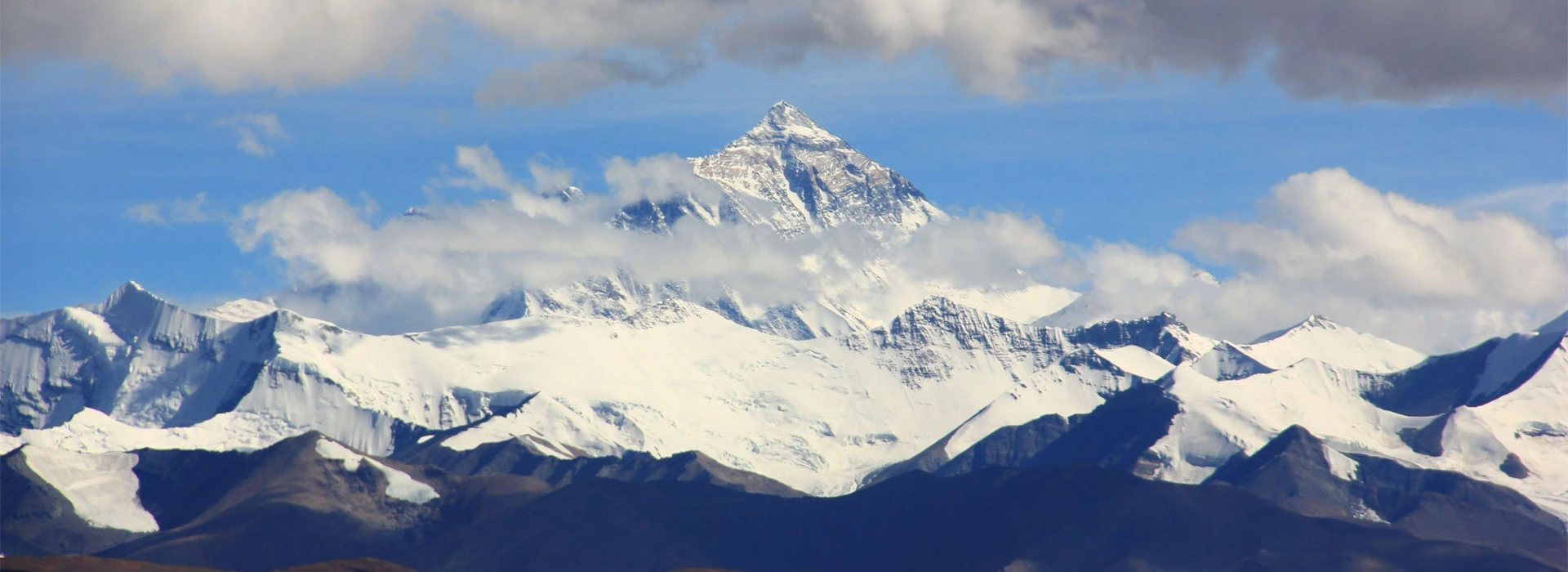
How Much Does a Tibet Everest Base Camp Tour Cost?
The cost of the Everest Base Camp Tibet tour is a multi-layered figure that depends mostly on whether you join a group or book a private tour. For most travelers, the best value is a small group tour, which costs between $850 and $1,200 USD for a 10-day itinerary from Lhasa. And the base price is a pretty all-inclusive one, as it includes the essential logistics of high-altitude travel, such as the mandatory Tibet Travel Permit, a licensed English-speaking Tibetan guide, a specialized high-altitude vehicle with a professional driver, and all accommodations from three-star hotels in the cities to basic communal guesthouses at the base camp itself. If you want a private tour, these costs can easily double or triple, often starting at $1,800 to $2,500 per person, because you’ll have to pay the full cost of the guide, vehicle, and fuel, with no one else there to share the expense. For travelers searching for how much a tour of EBC in Tibet is, the answer eventually depends on the level of comfort, flexibility, and exclusivity they want.
Trekkers should be prepared for some hidden or external expenses that are seldom part of the package price, apart from the upfront tour fee. The most significant of these is the expense of getting to Lhasa; round-trip flights (if you choose to fly) from major Chinese hubs such as Chengdu or Chongqing can cost anywhere from $400 to $700, while the iconic Qinghai-Tibet Railway is a more affordable alternative at around $75 to $200 depending on the class of sleeper berth. Furthermore, there are only tent hotels providing basic Tibetan and Chinese food at Everest Base Camp, and they can be surprisingly expensive for such a remote place. If you’re looking for a detailed Everest Base Camp, Tibet, tour price breakdown, please remember to include visa costs, travel insurance, and personal expenses on the trek.
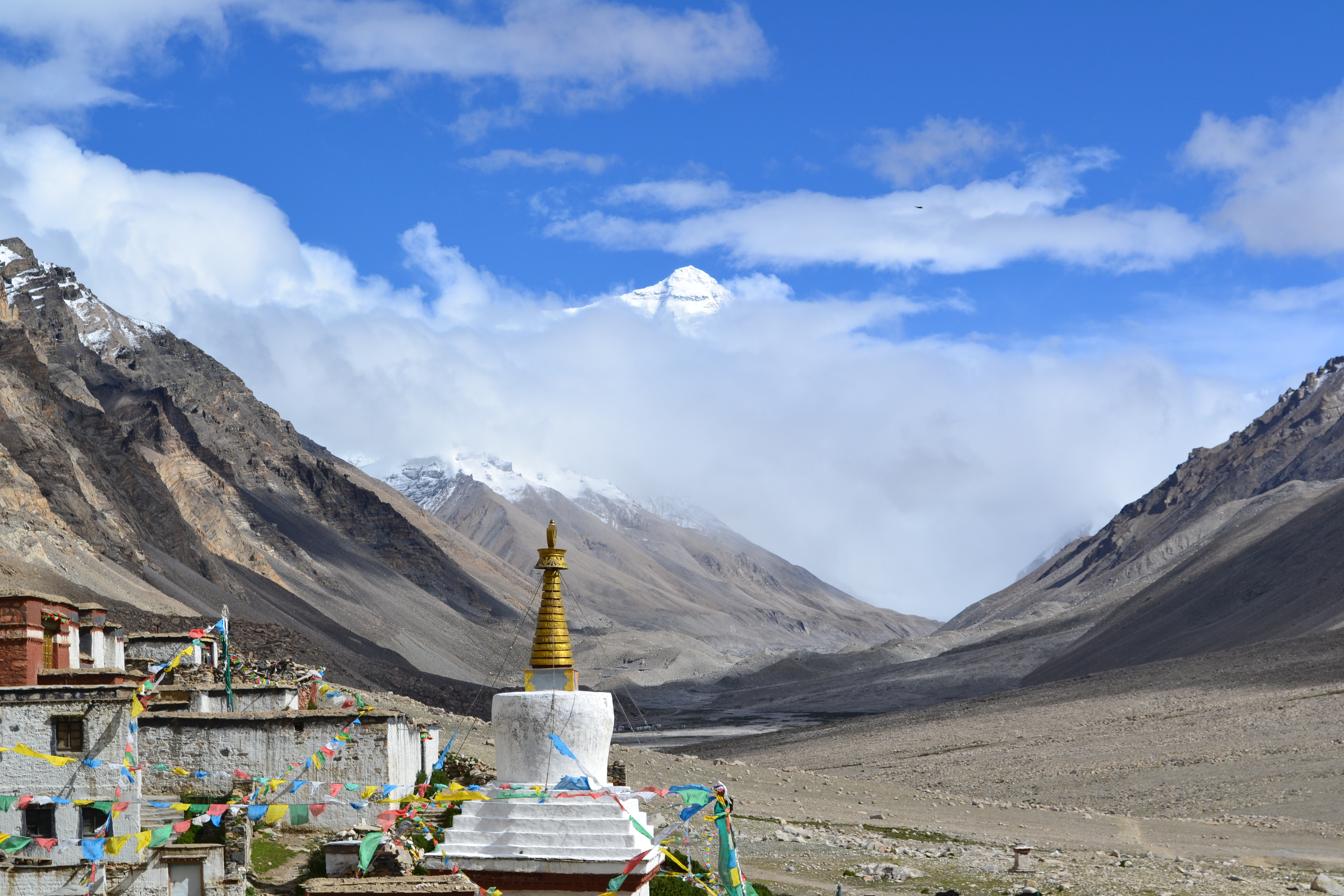
Seasonality and tipping are both important factors in the final budget. If you intend to travel during the peak months of May, June, September, and October, you can expect the clearest views of Everest's mighty North Face but will pay more for tours, flights, and accommodation. On the other hand, winter travelers often enjoy lower rates and seasonal promotions, which can be an appealing option for those seeking a more budget-friendly experience. Those planning a budget-friendly tour to Everest Base Camp in Tibet should choose to travel during the off-season, but they should be prepared for colder weather and more challenging conditions.
Altogether, for the whole experience, a mid-range alpinist should expect to pay around $1,800 to $2,200 USD, including all costs (permits, transportation, accommodation, meals, tips, and travel to Tibet). The cost of the complete Everest Base Camp tour from Lhasa involves not only the logistics of reaching one of the most remote places on the planet but also the privilege of standing under the dramatic north face of Mount Everest, an experience that many travelers consider priceless.
Small Group vs. Private Tours: A Price Comparison
The decision to join a small group or book a private excursion is the single largest variable influencing your total Tibet EBC tour cost.
TOUR TYPE | AVERAGE COST (USD) | WHAT IS INCLUDED |
Small Group | $850 - $1,200 | Shared guide, vehicle, fuel, and standard hotels. |
Private Tour | $1,800 - $2,500 | Exclusive SUV, custom itinerary, hotel upgrades. |
Small Group "Join-In" Tours
Small group tours remain the most economical model, especially for solo travelers. By capping groups between 4 to 12 travelers, logistical expenses—such as a licensed English-speaking Tibetan guide, professional driver, high-altitude vehicle rental, and fuel—are split evenly. This provides a highly predictable, fixed budget with set departure dates, making it perfect for budget-conscious travelers who do not mind a rigid itinerary.
Private Tailor-Made Tours
For couples, families, or photography enthusiasts, private tours offer complete exclusivity. While a solo traveler or couple will face upfront costs of $1,800 to $2,500+ per person due to bearing the sole weight of vehicle and guide fees, the per-person price becomes highly competitive when traveling in a private group of three to six people.
The primary advantage here is flexible acclimatization. On a private trip, you can adjust your rest days, upgrade to premium city hotels, or halt at scenic switchbacks like the Gawu La Pass for unrestricted photography sessions without rushing a group. This structural flexibility also mitigates health risks, allowing for rapid, unscheduled descents if a traveler shows signs of severe altitude sickness.
The Cost of Tibet Travel Permits and Paperwork
Navigating the bureaucratic layers of Tibetan entry requires official government channels; individual travelers cannot apply independently.
- Tibet Travel Permit (TTP): Issued by the Tibet Tourism Bureau (TTB), this foundational document is mandatory just to enter Tibet. While there is no official government fee for the paper itself, agencies charge a processing and delivery fee of $50 to $100 USD if it is not already bundled into your primary package price. This covers the physical courier delivery of the original permit to your gateway city hotel (e.g., Chengdu or Xining) before you board your train or flight.
- Alien’s Travel Permit (ATP): Required to travel beyond Lhasa into restricted border zones like Shigatse and the Everest region. Your guide will easily arrange this on the road for roughly 50 to 100 RMB ($7 to $15 USD).
- Frontier Pass: Mandatory for border-sensitive zones neighboring Nepal. It is usually free or absorbed into your agency’s service fee, though it requires meticulous coordination and passport verification.
- Kathmandu to Tibet Group Visa: If you cross into Tibet from Nepal, you must obtain a special Group Tourist Visa from the Chinese Embassy in Kathmandu. This requires a 3-day processing window and costs between $85 and $200 USD, depending heavily on your nationality.
High Peaks, Low Prices: When is the Cheapest Time to Visit EBC?
Understanding the seasonal fluctuations in Tibet’s tourism industry is one of the most effective ways to reduce the overall cost of the Tibet Everest Base Camp tour without compromising the experience. There is a different seasonal pattern to pricing, and the time of highest demand is the peak season (May, June, September, and October). These months offer the best mountain views and consistent weather, but the popularity means higher prices across permits, hotels, and transport. This period is very busy, and everything from flights to accommodation tends to book up fast, which makes the trip more costly in the end.
Shoulder Season (April, July, and August) sees slightly softer pricing, but it comes with a trade-off in visibility. The summit of Everest: Monsoon clouds often shroud the summit of Everest during the summer months, potentially reducing the likelihood of a fully visible peak. Monsoon clouds during the summer months may diminish the chances of a completely visible summit. Which means a period of mixed value where travelers can find moderate savings, but not necessarily the most rewarding mountain experience. It is often called the “balance season” in travel planning; the conditions are unsure, but the costs are higher than usual.
The winter travel season for budget tours to Everest Base Camp in Tibet is the real opportunity that has become more and more popular among experienced travelers. Prices plunge from November to mid-February and can cut total trip costs by 30 to 50 percent. During this period, many services, such as hotels and tour operators, offer discounted prices, as the demand from tourists is less. Even popular spots like the Potala Palace are part of seasonal promotions to make cultural stops more affordable and accessible.
This time of the year also has lower transportation and accommodation costs. This is especially true for those planning a budget-friendly winter EBC Tibet tour package from Kathmandu. Often you will find that the air and rail fares to Lhasa drop dramatically and that it’s easier to get a seat because of the decline in demand. The hotels in Lhasa and Shigatse also cut their rates to attract visitors, making the overall travel environment more budget-friendly.
Everest Base Camp can be frigid in the winter, but the experience is like nowhere else and worth it. One of the most visually striking landscapes of the year, clear skies, few crowds, and uninterrupted views of the mountains. For those who are ready to embrace the cold, this season makes what is often considered a premium Himalayan expedition into a much more accessible and peaceful journey, often termed the best time for affordable Everest Base Camp, Tibet, travel expenses and clear mountain views.
From Yak Tea to Guesthouses: Managing Your Daily Pocket Money
Your Everest Base Camp, Tibet package price covers the “big ticket” items like permits and transportation, but it’s up to you to handle your daily pocket money for those smaller, on-the-ground costs that shape the real experience of the journey. The daily budget for the Everest Base Camp, Tibet, tour should be around $20 to $40 USD per day on average for travelers. Food is very, very cheap in places like Lhasa and Shigatse, with basic meals at local noodle shops being around US$5. Midrange Tibetan restaurants with yak momo and stir-fries may be more like US$15. This range is often referred to in travel planning as the Everest Base Camp Tibet food cost per day in Lhasa and Shigatse, reflecting the variation between urban comfort and remote travel conditions.
As you get closer to Everest Base Camp along the trail, costs generally increase due to the challenges of transportation and limited supply chains. Costs generally increase as you approach Everest Base Camp along the trail due to the challenges of transportation and limited supply chains. Limited supply chains contribute to the rising costs. At EBC tent guesthouses, even simple meals like fried rice or instant noodles cost $8 to $10, and extras may include hot water or yak butter tea. This information is often included in what travelers call the Everest Base Camp Tibet tent accommodation, food, and drink pricing guide, as remote logistics are directly related to everyday spending. Transporting goods over mountainous terrain makes even the smallest items appear more expensive here. Here, even the tiniest items appear more costly due to the transportation of goods across mountainous terrain.
Along with food, there are a number of “hidden” daily costs that can blindside you if they don’t budget ahead of time. One of these is hydration. The nearer you are to the mountain, the more expensive bottled water becomes. For example, you can buy portable oxygen canisters in Lhasa for about $5 to $10 each, especially to be more comfortable while sleeping at high altitude.
You should also account for small convenience fees common in remote guesthouses, such as $1 to $3 for charging your camera batteries or phone via solar power, or a similar fee for access to a hot shower in Shigatse. These small transactions are almost exclusively cash-based, as international credit cards are rarely accepted outside of major hotels in Lhasa, making it vital to carry a sufficient supply of Chinese yuan (RMB), an important fact to consider when planning for cash expenses and payment systems for the Everest Base Camp Tibet overland journey. Even small cultural customs, such as leaving symbolic offerings at monasteries or budgeting for tips for guides and drivers, add to the daily budget.
Last but not least, many backpackers set aside an extra amount for souvenirs such as prayer wheels, handicrafts, and Tibetan rugs. More importantly, tipping your guide and driver is a standard expectation in the Tibetan tourism industry. A common benchmark is to set aside $10 to $15 per day as a combined tip from each traveler, usually presented on the final day of the tour. If you plan to buy local handicrafts, such as hand-woven rugs, prayer wheels, or incense, you should set aside an additional "souvenir fund" of $50 to $100. By budgeting for these daily realities from the price of a warming cup of yak tea to the final gratuity for your crew, you ensure that your journey remains stress-free and that you are prepared for the unique economy of the Himalayas.
EXPENSE ITEM | ESTIMATED COST (USD / RMB) |
Local City Meal | $5 USD (approx. 35 RMB) per meal. |
EBC Tent Diner Meal | $8 - $10 USD per dish. |
Portable Oxygen Canister | $5 - $10 USD per canister |
Solar Device Charging | $1 - $3 USD per charge in remote zones. |
Mandatory Crew Tips | $10 - $15 USD per day (combined group total). |
Crucial Payment Note: International credit cards and Western mobile payment systems are virtually useless outside of major upscale hotels in Lhasa. Remote outposts, monastery donation boxes, and EBC tent guesthouses operate strictly on Chinese yuan (RMB) cash. Always carry a healthy stack of local physical currency for daily hydration, hot showers, and souvenir shopping.
Luxury at 5,200 Meters: Is the Premium Experience Worth It?
Everest Base Camp is a naturally rough-and-tumble destination, but a growing market in “Luxury Tibet” offers travelers an opportunity to trade in drafty tents for swanky comfort at a high cost. The luxury tier Tibet EBC Tour normally costs $3,000 to $5,000 USD and replaces the regular 3-star hotels with international chains with oxygen-enriched rooms to combat altitude sickness. Transportation is upgraded, too: Rather than being packed into a shared tour bus, luxury travelers are whisked across the plateau in a private, late-model SUV (such as a Toyota Land Cruiser), which offers a far smoother ride over the “72 Turns of Thurgau” and allows for more frequent photo stops. This premium segment is generally known as the cost of the luxury Everest Base Camp, Tibet, tour package with a 4x4 SUV and premium hotels.
The real question is, once you actually make it to the base camp itself, is the "premium" worth it? Even on a luxury tour, there are slim pickings at the real 5,200 meter mark. For most people, even with generous budgets, conditions will still be relatively basic by city life standards, although some top-end operators do offer private, heated "glamping" tents with real beds and gourmet catering. The true “luxury” you are paying for is safety and recovery: private oxygen supplies, a more experienced high-altitude guide, and better-quality hotels in the cities where your body can actually rest and recover from the thin air, a notion often included in the high-end Everest Base Camp, Tibet, expedition cost breakdown with comfort upgrades.
For older travelers or those with health concerns, the $1,500+ premium for a luxury package is a kind of “adventure insurance” that dramatically increases the chances of getting to Base Camp in comfort and without getting sick. This premium is why many trekkers compare the costs of luxury Everest Base Camp tours, considering whether the investment is worth it for altitude sickness prevention, safety, and comfort. Sometimes the added investment is not so much for luxury in the traditional sense but to minimize risk, enhance acclimatization, and facilitate a more pleasant passage across one of the planet’s most extreme landscapes.
Investment in Adventure: Breaking Down the Cost Per Mile
To gain a clearer understanding of the true worth of a Tibet Everest Base Camp tour, it helps to view it from a different angle: the “cost per mile." The round-trip from Lhasa to Everest Base Camp and back is approximately 800 to 900 miles (1,300 to 1,450 kilometers) and takes you through some of the roughest, highest terrain on the planet. That means if you are paying about $1,000 USD for a 10-day group tour, you are essentially paying about $1.10 to $1.25 per mile. This is a concept. The cost per mile for the Everest Base Camp tour in Tibet is a concept that people often explore. The concept focuses on the cost per mile for the Everest Base Camp tour in Tibet. Then you remember that this “mileage rate” covers a professional driver, a licensed cultural guide, your overnight accommodation, entrance fees to ancient monasteries, and the complex logistics of high-altitude safety. Suddenly the journey starts to look less like an expense and more like a high-value investment in a world-class adventure.
These miles come at a high price because of the extreme geography of the Tibetan Plateau. Every mile involves crossing mountain passes over 5,000 meters (16,400 feet) high, such as the Gampa La and Karo La passes. Driving costs much more at these altitudes than at sea level. The air is thin, so the engines have to work harder and burn more fuel; the roads, covered with gravel, eat up tires and suspension systems. This is also the reason why tour operators need to use well-maintained specialized vehicles, often late-model vans or 4WD SUVs, to ensure the safety of travelers, which is often part of the discussions around why the Everest Base Camp Tibet overland tour cost is higher than standard Himalayan road trips.
Finally, “Investment in Adventure” includes the intangible value of each mile. On a regular highway, a mile is just a distance between two points; in Tibet, one mile can take you from the turquoise shores of Yamdrok Lake to the foot of a thousand-year-old glacier or the gates of a remote Himalayan monastery. You are purchasing a "moving classroom" where a Tibetan guide is translating the landscape, history, and spirituality of the region as it unfolds outside your window. By the time you get to the last mile at the bottom of the North Face of Mount Everest, the total financial cost is usually overshadowed by the magnitude of the experience alone. Breaking it down by the mile, cost per mile, reminds you that the overall price tag is significant, but the concentration of beauty, culture, and once-in-a-lifetime views per dollar spent is higher here than almost anywhere else on Earth.
Tibet vs. Nepal: Which Side of Everest is Pricier?
When choosing between the North Base Camp in Tibet and the South Base Camp in Nepal, the financial structure of the journey is as different as the landscapes themselves. Nepal is generally the more flexible and affordable option for independent trekkers, as it does not mandate an all-inclusive package. An independent trekker can make the 12- to 14-day Everest Base Camp trek for $1,000 to $1,500 USD, staying in basic tea houses ($10 to $20 per night) and eating simple local meals along the route. However, when it comes to the Nepal Everest Base Camp trekking cost from Kathmandu, including flights and gear expenses, it’s clear that the mandatory flight to Lukla (around $400 USD) and the investment in trekking gear greatly inflate the overall budget. If you want to be comfortable, you can pay $2,500 to $4,000 USD for the luxury Everest Base Camp trek in Nepal. The Nepal side is more physically demanding and financially variable.
Tibet, on the other hand, has a higher structured entry cost but a more predictable overall budget. Independent travel is not allowed, and all visitors must be on a guided package, often known as the Everest Base Camp Tibet tour cost with permits, vehicle, and guide included. A typical 10-day group tour costs between $850 and $1,200 USD and includes permits, transportation, accommodation, and a licensed guide. At first glance the daily rate might look higher than Nepal, but the shorter length of time and all-inclusive structure balance out extra costs. If you are researching the full Tibet Everest Base Camp package price from Lhasa, including accommodation and permits, you will often find that there are fewer hidden costs compared to trekking on the Nepal side.
Add in the logistics of international travel, and the comparison becomes even more intriguing. Sometimes flights to Lhasa are pricier than flights to Kathmandu. This impacts the total EverestBase Camp Nepal vs. Tibet travel cost comparison for international tourists. But Tibet removes many of the expenses associated with a long trek, such as porter fees, multi-week insurance coverage, and specialized trekking equipment. In Nepal these extras are essential; in Tibet they are largely redundant, as travel is by vehicle.
The decision is not only a price decision but also the kind of experience you get in each place. In Nepal you can undertake a traditional, physically demanding trek through Sherpa villages: time and stamina are part of the investment. Tibet, on the other hand, is a more organized and comfortable overland trip to the North Face of Everest. For travelers looking for a shorter, logistically simple, and culturally immersive Himalayan experience, Tibet offers strong value through its all-in-one package model, while Nepal appeals to those looking for a longer, more physical adventure shaped by trekking culture and mountain hospitality.
The Qomolangma National Nature Preserve Fee: The "Vehicle Tax"
Perhaps the most specific and often misunderstood Tibet EBC tour cost is the entrance to the Qomolangma National Nature Preserve. Unlike regular national parks, you don’t pay a small fee per person in the Everest region but a special “vehicle tax." The tax uses the size and type of vehicle to determine the fee for entering the preserve. For a normal tourist van or SUV, the vehicle entry fee is typically between 400 and 600 RMB ($55 to $85 USD). The fee is intended to restrict the number of vehicles on sensitive high-altitude roads and raise funds for environmental protection of the fragile Himalayan ecosystem. Most reputable tour operators will incorporate this major vehicle fee into the overall package price, but it’s an important detail to check when shopping around for quotes; “budget” agencies sometimes leave it as a “on-site” expense for the group to settle at the gate, which can be a frustrating surprise for unprepared travelers.
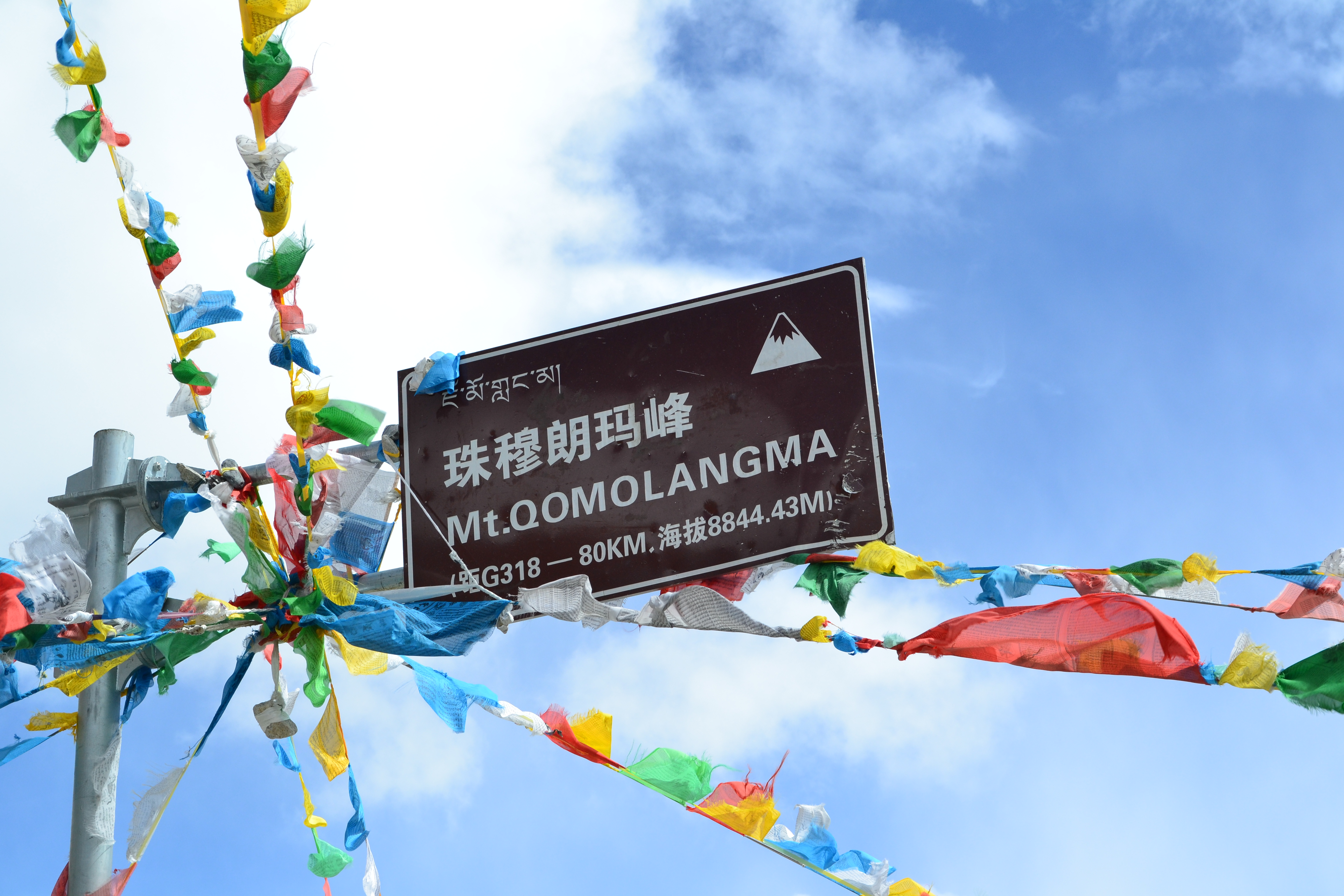
In addition to the vehicle tax, there is an individual entrance fee of approximately 180 RMB (about $25 USD) per person. However, the logistical costs don’t end at the park gates. To minimize carbon emissions near the mountain, the Chinese government has prohibited private tour vehicles from driving the final stretch to the actual Base Camp monument. Instead, all travelers must park at a designated staging area and board a mandatory electric eco-bus (shuttle). The round-trip ticket for this shuttle costs roughly 120 RMB ($17 USD) per person.
However, the logistical costs don’t end at the park gates. The Chinese government has banned private tour vehicles from driving the final stretch to the actual base camp monument to minimize carbon emissions near the mountain. Instead, all travelers must park at a designated staging area and board a mandatory electric eco-bus (shuttle). The round-trip ticket for this shuttle costs roughly 120 RMB ($17 USD).
Adding the vehicle tax, the individual entry fee, and the eco-bus ticket means all of these expenses add up to a “cost of admission” of over $60 to $80 USD for a single traveler in a small group. Understanding these specific line items is important for transparency. It means you know exactly where your money is going, supporting the preservation of the world’s highest peak, and it means you can vet your tour operator to ensure these mandatory environmental fees are fully covered before you arrive at the border of the world’s most famous mountain.
The Ultimate EBC Budget Breakdown: A Comprehensive Cost Checklist for You
To ensure your journey to the Roof of the World is as smooth as possible, it’s important to factor in all costs of the Everest Base Camp Tibet Tour, including travel costs, not just the upfront price of the tour. You want to start your budgeting with the Base Tour Package. For a small group this is usually between $850 and $1,100 USD. This is your biggest cost and should ideally cover your permits, guide, transport, and accommodation.
Next, include the cost of transportation to Lhasa, which is the most variable among the additional expenses. The total cost can vary significantly based on whether you choose to take the scenic train from Xining (approximately $100 to $150 round trip) or fly from a major Chinese hub like Chengdu (approximately $400 to $700 round trip).
Don’t forget the Chinese visa fees, which vary depending on nationality but are usually in the range of $30 to $140 USD. And make sure you have high-altitude travel insurance, usually around $50 to $100 USD for the length of the trip.
Your “daily pocket money” will take care of the essentials not covered by your tour contract once you land in Tibet. Allow about $200-$300 USD for meals and incidentals. Breakfast is usually included, but you will need to purchase lunches, dinners, and lots of bottled water or tea.
Also set aside a separate fund for gratuities (tips) for your Tibetan guide and driver. One good benchmark to keep in mind is around $70 to $100 USD total per traveler for a 10-day trip.
Lastly, it is wise to have an emergency buffer of $200 USD in cash for unexpected expenses like more oxygen canisters, hot shower fees in remote guesthouses, or small souvenirs such as prayer flags and Tibetan handicrafts.
A realistic “all-in” budget for a mid-range traveler generally adds up to $1,700 to $2,400 USD. Add them together, and you have a complete, safe, and life-changing experience at the foot of Mount Everest.
Final Tibet Everest Base Camp Tour Cost Checklist Summary
- Small Group Tour Package: $850 to $1,100
- Flights/Train to Lhasa (Round Trip): $400 to $700
- Chinese Visa & Admin Fees: $30 to $140
- Food & Daily Expenses: $200 to $300
- Guide & Driver Tips: $70 to $100
- High-Altitude Insurance: $50 to $100
- Emergency Buffer Cash: $200
- ESTIMATED TOTAL ALL-IN: $1,800 to $2,440 USD
In the end, the journey to Everest Base Camp in Tibet is more than a question of dollars and cents; it is an investment in altitude, silence, and perspective. Every permit, every twisting mile of plateau road, every cup of butter tea in the cold wind is part of a greater story that can’t be priced in isolation. But when the numbers are finally reduced to one, it’s not the cost that remains. It’s what it unlocks. Being face-to-face with the North Face of Everest. The earth feels older, the sky feels closer, and time stops just long enough for you to know that the real value was never in the budget; it was in the experience waiting just beyond it.