The Total Investment: What Does a Kailash Mansarovar Yatra Really Cost?
The total Kailash Yatra cost is rarely a fixed fee. It varies by nationality, route, and the evolving rules of the Tibet Tourism Bureau. Generally, a standard Kailash tour package runs from $2,800 up to well over $4,500, reflecting the logistics needed to keep you safe in the Ngari Prefecture: high-altitude transportation, specialized permits, and a support crew of sherpas and guides.
The overland route through Kerung is usually the cheapest way to travel, offering a slower immersion in the landscape. If you're short on time, the helicopter route via Simikot adds substantially to the price due to the cost of mountain aviation. Unseen costs also matter: at the trailhead for the 52km trek, a personal porter or pony (paid in cash on the spot) can add another $300 to $500.
Financial planning should also include a buffer for emergency evacuations and travel insurance covering high-altitude trekking above 5,000 meters. Booking with an experienced operator like Nepal Nomad means transparency on China-Tibet tourism fees and personal expenses, so every dollar spent on gear, oxygen, and guidance protects your ability to focus on the journey itself.
Route and Package Comparison at a Glance
Before diving into the details, here's how the three main routes stack up on price, duration, and who each is best suited for:
Route | Duration | Price Range (USD) | Best For | Trade-off |
Overland via Kerung | 13–14 days | $2,800 – $3,200 | Budget-conscious, gradual acclimatization | Longest, roughest road travel |
Helicopter via Simikot | 11–12 days | $4,300 – $4,800 | Time-limited, elderly, comfort-focused | Highest cost, weather-dependent flights |
Lhasa Route | 17–20 days | From $5,500 | Cultural immersion + Kailash pilgrimage | Longest duration, most expensive |
Kailash Mansarovar Yatra Packages from Nepal include details on routes, comfort levels, and price comparisons.
The total cost of this journey depends on two things: the route you select and the comfort level you want. These are the two frameworks that define every package: route-based pricing and comfort-based pricing, and understanding both keeps your Kailash Mansarovar Yatra package in sync with your budget and your spiritual intention.
Choosing by Route: The Way You Go
The Overland Route via Kerung is the most popular and cheapest option, taken by many foreign, Nepali, and Indian devotees. It runs by road from Kathmandu to the Nepal-Tibet border and into Tibet, normally taking 13 to 14 days and costing about $2,800 to $3,200 per person. The gradual climb aids acclimatization, and you travel in group coaches through dramatic scenery ideal for a grounded, immersive experience on a moderate budget.
The helicopter route via Simikot is faster and more upscale, usually costing $4,300 to $4,800 per person over 11 to 12 days. It combines a domestic flight from Kathmandu to Nepalgunj with a helicopter hop to Hilsa near the Tibet border, cutting down road travel considerably, ideal for elderly travelers or anyone short on time, at a higher price for comfort and efficiency.
The Lhasa Route is the most premium and immersive option, lasting 17 to 20 days and starting at $5,500. It includes time in Lhasa to see cultural sites like Potala Palace and Jokhang Temple before continuing to Mount Kailash, best for travelers wanting a slower, deeply cultural spiritual journey.
Choosing by Comfort: Experience Levels
Comfort level is the next major factor shaping your Kailash Mansarovar package price.
Basic Package: shared guesthouses, simple vegetarian food, and group transport for thrifty worshipers who prioritize devotion over comfort.
Standard Package: the most popular option, with better hotels, twin-sharing accommodation, improved meals, and organized group logistics—a reliable, balanced choice.
Luxury Package: premium hotels in Kathmandu or Lhasa, private or semi-private transport, upgraded meals, and quality guesthouses near pilgrimage sites for maximum comfort, safety, and personalized service.
Most operators include Tibet travel permits and the group visa process, vegetarian meals, licensed guides, transportation, and basic emergency oxygen care. Costs you cover yourself typically include international airfare, personal travel insurance (compulsory above 5,000 m / 16,404 ft), personal expenses and tips, porter or pony charges for the Parikrama, and any emergency evacuation upgrades. Please consider these factors when calculating your total cost.
Kailash Mansarovar Yatra Cost in Nepali Rupees (NPR) and Indian Rupees (INR)
While you start the financial planning for your Kailash Mansarovar tour cost, it is helpful to look at the costs in the regional currencies most used by the faithful in South Asia. Exchange rates are a big part of your total investment. The logistics of the Tibetan Plateau are priced in US dollars but paid to regional operators. For the seekers who are looking at the most popular choices, the cost differences between the overland and helicopter routes are rather significant when looked at in Indian Rupees (INR) and Nepali Rupees (NPR).
The traditional overland route through Kerung is the most affordable for the budget-conscious devotee; it is the best budget Kailash Mansarovar Yatra package from Nepal. A standard package usually costs between ₹185,000 and ₹215,000 per person in Indian Rupees (INR). For those paying in Nepali Rupees (NPR), this expedition will cost you about ₨ 295,000 to ₨ 345,000. This fee normally covers your group visa, basic to standard accommodation, and rough road travel across the border. It's a popular option for those who want to spend more on the religious experience than on transit speed.
If you take the helicopter route via Simikot, the price reflects the complexity of multiple flight segments. The heli-route costs around ₹280,000 to ₹315,000 in Indian Rupees (INR). If you are budgeting in Nepali Rupees (NPR), the total is about ₨ 450,000 to ₨ 510,000. The higher price point has been almost entirely driven by the expense of flying in and the logistics of getting supplies to the far corners of Western Nepal. For many worshippers, the extra budget is justified for the time saved and for lessening physical exhaustion before facing the high-altitude challenges of the mountain.
For a really premium celestial passage, like the Lhasa route or a top-end luxury level, the costs go up to allow for better comfort. These elite versions can be as much as ₹450,000 in INR or upwards of ₨ 720,000 in NPR. These figures are larger, but they also allow every part of the pilgrimage to be looked after by private SUVs, upgraded hotels, and a higher staff-to-pilgrim ratio. Just remember these prices are subject to change according to the annual rules of the Tibet Tourism Bureau, regardless of what currency you are using. With these figures in mind, you can plan your Kailash Yatra cost from Nepal with the financial clarity needed for a peaceful and focused journey.
Accommodation and Meals: What’s Included in a Standard Package?
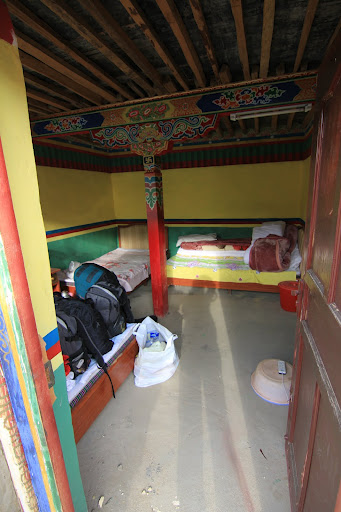
The main goal when you opt for a classic package is to provide a safe balance of physical recovery and cultural immersion, an essential factor to consider when planning the Kailash Mansarovar package price. You are generally housed in well-appointed 3-star hotels in the major staging cities such as Kathmandu or Lhasa, where you can enjoy private rooms, hot showers, and the necessary amenities to prepare for the road ahead. But the deeper into the remote Ngari Prefecture, where your holy yatra takes you, the more rugged the infrastructure becomes, reflecting the high-altitude terrain. Accommodation is usually the best available stone guesthouse or mud-brick lodge. These are often shared dormitory-style rooms (generally 3 to 6 people), but a standard package assures you thick mattresses, heavy blankets, and a wind-shielded environment to rest your body after a day of the trek.
More care: The culinary side receives more attention, as nutrition fuels a successful ascent. The culinary aspect receives more attention, as nutrition is essential for a successful ascent. In a normal package, you get three pure vegetarian (Sattvic) meals a day, often prepared by a special kitchen crew that travels with the group. These meals are meant for devotees traveling through the thin air of the Tibetan plateau and are a valuable inclusion in many Kailash Mansarovar Yatra packages with vegetarian meals. They are designed to be high in carbohydrates and simple to digest. The meal plan includes a substantial breakfast consisting of porridge, bread, and tea. The meal plan includes a substantial breakfast of porridge, bread, and tea, followed by hot soups, lentils, rice, and fresh vegetables for lunch and dinner. Hot drinks and soups with garlic: Expert guides often recommend hot drinks and soups with garlic in the expert guides' recommendations, a tactic that helps you naturally combat altitude symptoms.
The true professional standard package of the Kailash Mansarovar Tour costs the full range of hygiene and purity of spirit. Despite the primitive conditions, the kitchen staff is trained to keep the standards high so that you don’t get sick during the trip. You won’t be dining in luxury on the shores of Lake Mansarovar, but you will find the warmth of a freshly cooked meal and a safe place to lay your head. The package provides these vital comforts so that you can overlook the physical toll of the sacred expedition and concentrate exclusively on the transcendent expedition of the soul. Such a level of support ensures every mountain voyager has the best possible chance of reaching the Drolma La Pass with their health and their devotion intact.
The Invisible Support Team: Where Your Money Goes Behind the Scenes
It’s easy to look at the price tag of the Kailash Mansarovar Yatra cost and only focus on the hotels you see and the buses you sit on, but the real value of your investment is the massive, “invisible” infrastructure that works behind the scenes. A large portion of your fee goes to the complex bureaucracy of the Tibet Tourism Bureau and the Foreign Affairs Office. These authorities require special permits, liaison officers, and mandatory local Tibetan guides for every single group. This layer of administration legally sanctions your sacred journey and officially protects you while you travel through the highly sensitive Ngari Prefecture. Without this backstage coordination, spiritual travelers would find the gates to the Abode of Shiva firmly closed.
Your money funds a life-support system that accompanies you across the plateau, beyond the paperwork. A professional operator deploys a mobile kitchen team and a cadre of experienced Sherpas working 24/7 to make a successful tour. They’re bringing in the camps, carrying up heavy oxygen canisters, cooking you high-calorie meals so that you can keep going at 15,000 feet while you’re sleeping. They are the ones who check your oxygen levels with oximeters every evening and carry the emergency pressure bags (Gamow bags) that could save your life if you get altitude sickness. This level of support is a defining feature of the premium Kailash Mansarovar tour with Sherpa assistance. This invisible safety net is the most important aspect, one of the levels of security that enables you to walk with confidence.
Furthermore, some of your investment goes to the specialized logistics of high-altitude transportation. The vehicles used on the Tibetan highways are not just any coaches; they have to be maintained to withstand extreme cold and low-oxygen combustion, often requiring expensive parts and specialized fuel. Add in the cost of getting fresh vegetables, clean water, and medical-grade oxygen to one of the most remote places on Earth, and you start to realize that your holy transit is actually a high-stakes logistical feat. When you pay for this clandestine assistance, you are not simply purchasing a tour; you are purchasing the know-how and the equipment that convert a high-risk spiritual undertaking into a safe, life-changing transformative odyssey.
To Pony or Not to Pony? Budgeting for the Arduous 52km Parikrama
The 52-kilometer Kailash Parikrama, the sacred circuit around the base of Mount Kailash, is the most physically demanding part of the pilgrimage. At altitudes averaging over 15,000 feet (4,572 m), even a small backpack can become exhausting, and the decision to hire a pony or porter can determine whether you complete the journey to the Drolma La Pass at 18,200 feet (5,545 m).
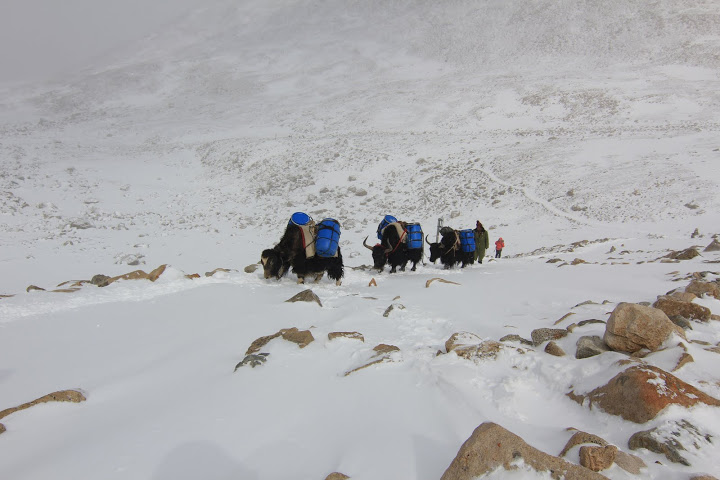
Pony and porter services are almost never part of standard tour packages and are paid in cash directly to local handlers. Budget $300 to $500 for a pony and handler for the three-day Parikrama (less for porter-only service). Arrange this at Yamadwar, the traditional starting point. Help becomes far harder to find once you're on the way to the North Face.
Hiring a pony isn't a sign of weakness; it's a strategic choice that keeps your focus on the spiritual significance of the pilgrimage rather than the physical toll.
Emergency Buffers: The Hidden Price of High-Altitude Insurance
One of the most overlooked but vital costs of your sacred mission is comprehensive high-altitude travel insurance. It may seem like a hidden price you don't need to pay, but this emergency buffer is the most important document you'll carry on your spiritual quest. Standard travel policies normally exclude anything over 3,000 meters, making them utterly irrelevant to the Tibetan plateau, where even the valleys are 4,500 meters high. If you are planning to cross Drolma La Pass (18,200 feet), you will need to get a special policy with a mountaineering rider or a high-altitude cover up to 6,000 meters. This particular insurance is there in case you need a helicopter evacuation, which can easily cost between $5,000 and $15,000 if you suffer from acute mountain sickness or other medical emergencies on your holy circuit.
An expert and authoritative perspective: This financial safety net is not just about money; it is about life-saving speed. A pre-verified insurance policy, particularly for emergency evacuation during the Kailash Mansarovar trek, allows your tour operator to trigger an immediate rescue (without waiting for proof of funds) in case of a medical emergency on your divine trek. It enables the faithful to be taken down to lower altitudes or better medical facilities in Kathmandu or Lhasa as quickly as possible.
You’ll want to budget an extra $150 to $250 for this specialized coverage when calculating your Kailash Yatra cost. While it increases the initial expense, it provides the spiritual peace of mind you need to be able to totally lose yourself on your transcendent journey. In the end, the insurance cost is a small price to pay for the security it provides, enabling devotees to walk the path to the Abode of Shiva with the confidence that they are insulated from the unpredictable nature of the high Himalayas.
Gear Up Without Going Broke: Renting vs. Buying Your Yatra Essentials
Getting ready for the extreme conditions of the Tibetan plateau can quickly become a huge financial burden, but a smart gear purchase plan can save you hundreds of dollars without compromising your safety. For many pilgrims, the most logical approach to gearing up is a hybrid model: buy the items that touch your skin, and rent the heavy-duty equipment that is only necessary for this particular high-altitude environment. High-quality down jackets rated for minus 20 degrees Celsius or professional sleeping bags can cost a small fortune to buy, but you can often find excellent Kailash Mansarovar Yatra gear rentals in Kathmandu, services that provide these essential items for just a few dollars per day. These are high-ticket items that you may never use again, so renting allows you to access top-tier gear from reputable mountaineering brands for a fraction of the retail price.
There are some things, however, where buying is a non-negotiable investment in your health and comfort. The most telling example is footwear; never attempt the 52-kilometer trek in rented boots. Good waterproof trekking shoes and time to break them in weeks ahead of your trip are essential to avoid debilitating blisters and foot injuries. Likewise, base layers, thermal underwear, and moisture-wicking socks should always be purchased new, for reasons of hygiene and to make sure they fit snugly against your skin. These intimate layers regulate your body temperature, and buying good-quality merino wool or high-tech synthetics will ensure you stay warm and dry during the cold nights at Lake Mansarovar.
One expert tip for the budget traveler: budget travelers should seek versatile equipment that serves multiple purposes. Look for equipment that is versatile and can serve multiple purposes. In the markets of Thamel, you can often find cheap but effective accessories, trekking poles, duffel bags, and even heavy fleece liners for rent, rather than buying expensive specialized mountain gear. You rent your heavy insulation and sleeping gear, and you spend your budget on high-quality boots and base layers. You are physically protected against the brutal Himalayan wind and cold. A balanced approach lets you walk the sacred path knowing you are well prepared, leaving your mind free to concentrate on the spiritual transformation the mountain provides.
FAQs
Can you do the Kailash Mansarovar Yatra on a budget?
Yes. Taking the overland route via Kerung instead of the helicopter route is the biggest lever, saving roughly 30 to 40 percent. Choosing a standard group package and renting heavy-duty gear in Kathmandu also help. Just don't cut corners on essential life-support items like medical-grade oxygen, experienced guides, or reliable vehicles; prioritize health and safety over unnecessary luxuries.
When do you have to make payments for your trip?
Expect a non-refundable booking deposit of 25 to 30 percent, three to six months before departure, so organizers can secure your Tibet travel permits and group visa in advance. The remaining balance is typically due about thirty days before departure or on arrival in Kathmandu.
Why should you go to a professional operator for this investment?
A transparent, experienced operator like Nepal Nomad protects your investment with proven logistics and safety records, so you won't face hidden fees once you're on the mountain, letting you focus on the journey rather than the paperwork.
What is the breakdown of the Kailash Mansarovar tour cost for permits?
Permit fees are fixed by Chinese authorities and managed through official channels such as the Tibet Tourism Bureau and Foreign Affairs Office. All international travelers need a Tibet Travel Permit and group visa invitation, usually included in your package price but adding roughly $200 to $400 to your total cost. These permits are non-transferable and tied to specific dates, which is why your deposit is required so far in advance.
How does the season affect the cost of your Yatra?
Prices peak during the Saga Dawa festival (May or June) and around full moon dates, when helicopter slots and hotel rooms are in high demand. For better value, consider the shoulder months of April or September. Core permit fees stay the same year-round, though luxury upgrades may be slightly cheaper outside peak periods.
What major out-of-pocket expenses should you carry cash for?
The biggest cash expense is a personal porter or pony for the Parikrama ($300 to $500, paid directly to local handlers). Carry extra for guide tips, monastery donations, and snacks or water along the trail; an additional buffer of $600 to $800 covers these comfortably.