Why Visit Lhasa?
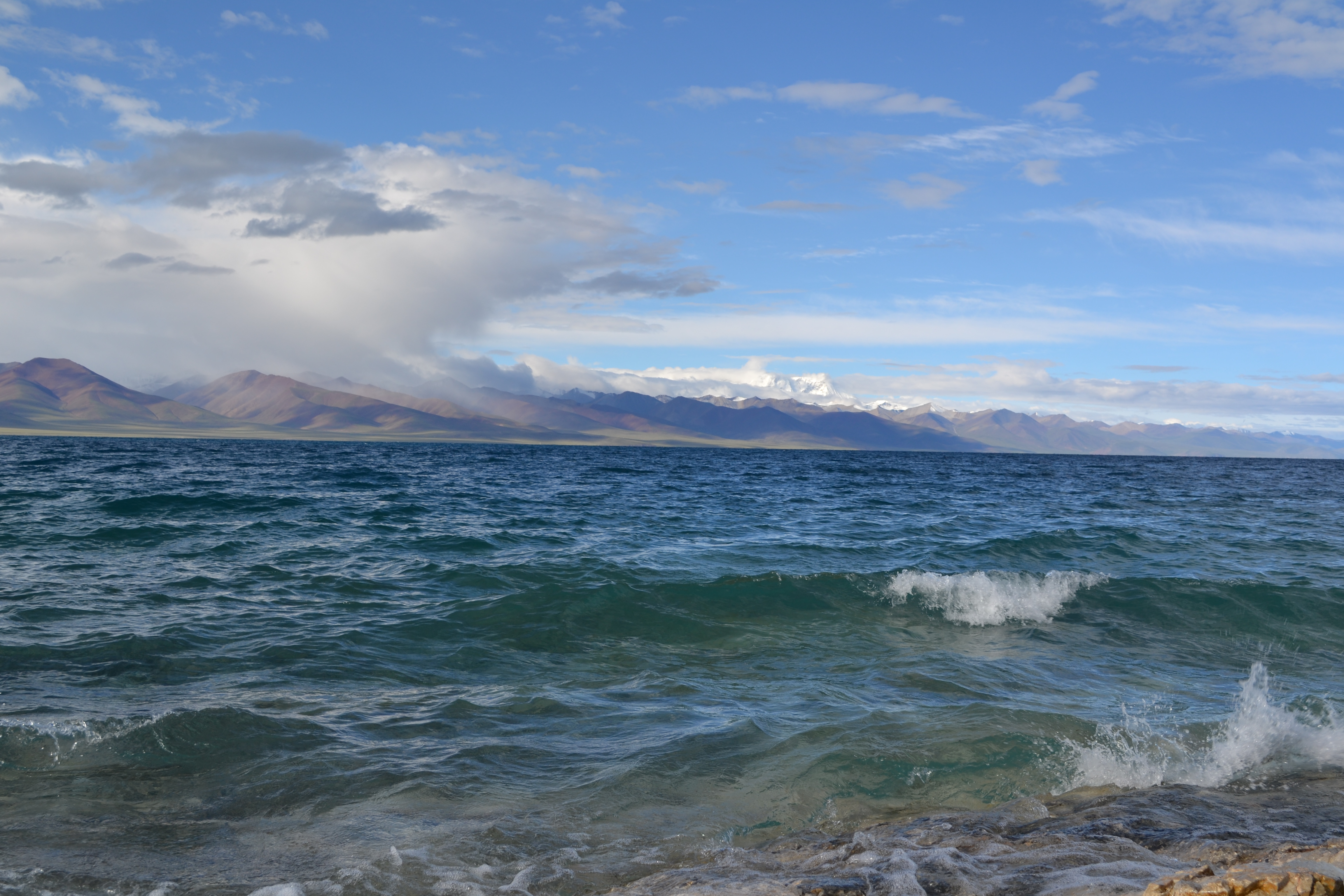
Lhasa, which literally translates to "Place of the Gods" in Tibetan, is one of the most geographically isolated and culturally distinct cities on the planet. Perched above 3,000m on the roof of the world, it is much more than just a travel destination; it is a profound journey into an ancient spiritual ecosystem.
Whether you’re an adventurer looking to make the ultimate trans-Himalayan crossing or a cultural enthusiast curious about history, here’s exactly why Lhasa deserves a spot on your bucket list.
1. The Living Heart of the Tibetan World
Lhasa's old heart is vibrantly alive, unlike some historic cities that feel like stagnant museums. The Kora, the sacred practice of walking clockwise around holy sites, sets the city’s pulse.
Every day, thousands of pilgrims from the far corners of the Tibetan Plateau arrive in Lhasa. Watching them walk along Barkhor Street, turning prayer wheels, reciting mantras, and doing full-body prostrations on the stone pavement provides a raw, unfiltered glimpse of an absolute devotion to faith that has not changed for over a thousand years.
2. The Most Impressive Monastic Architecture in the World
Lhasa has some of the most impressive architectural achievements ever crafted by human hands.
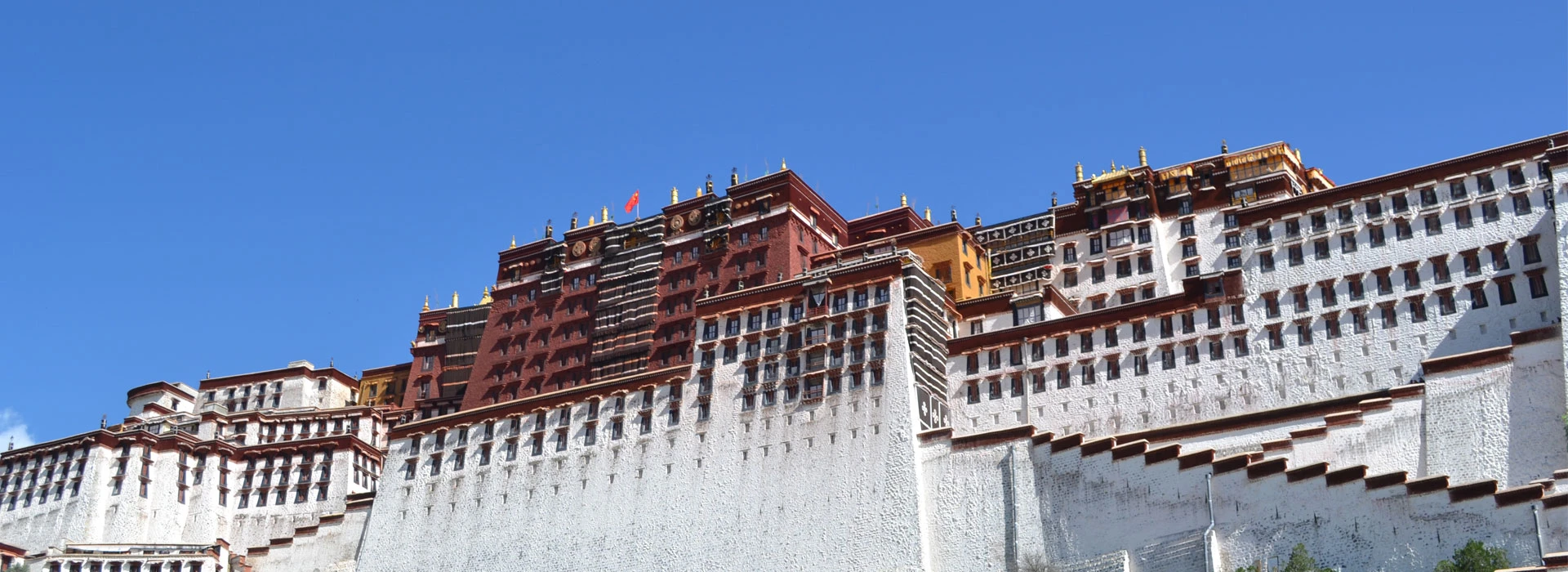
The Potala Palace: With a thousand rooms and thirteen stories high, this fortress is an engineering wonder that rises imperiously from Red Hill. It’s the historic Winter Palace of the Dalai Lamas, with its golden burial stupas, enormous prayer halls, and priceless Buddhist scripture.
Jokhang Temple: The supreme spiritual center of Tibet, built in the seventh century. Step inside its dark, incense-filled chapels and you’re face-to-face with the Jowo Shakyamuni, the most sacred Buddha statue in the world.
The Great Monasteries: Just outside the center are Sera and Drepung, monastic universities of historical significance that once held more than 10,000 monks each.
3. The Sensory Atmosphere: Tea, Juniper, and Devotion
Lhasa is an assault on the senses, in the most beautiful way. The ancient Tibetan quarter smells thickly sweet and perfumed with burning juniper incense and the unmistakable odor of yak-butter lamps warming dark shrines.
The vibrant sweet tea house culture of Lhasa is equally fascinating. Ducking into the local back-alley tea houses, you can sit shoulder-to-shoulder with locals, monks, and pilgrims who pass their afternoons socializing over endless thermoses of Tibetan sweet tea and bowls of steaming noodle soup.
4. The Gate of the Sky
Lhasa is the essential base for the ultimate in alpine adventure. You come not only to see the city but also to adjust your body to the very thin air before venturing further into the dramatic high-altitude landscapes of the Tibetan Plateau. From Lhasa you are ideally situated to make your way to the turquoise waters of Yamdrok Lake, the high-altitude shores of Namtso Lake, the northern approach to Everest Base Camp, or the legendary overland highway down to Kathmandu.
5. The Ideal Introduction to High-Altitude Tibet
At 3,656 meters (11,995 feet), Lhasa is one of the safest and most comfortable places to start exploring the Tibetan Plateau. Travelers can spend a few days in the city to slowly acclimatize before going to higher-altitude places, minimizing the risk of altitude-related discomfort.
This gradual acclimatization makes Lhasa an ideal gateway for those planning to visit Namtso Lake, Yamdrok Lake, Shigatse, the northern Everest Base Camp, or sacred Mount Kailash.
You go to Lhasa because it encourages you to slow down. It makes you breathe slowly. It makes you enter a world where time is not counted by clocks but by the turning of prayer wheels and the steady rhythm of footsteps on a sacred path.
Where is Lhasa? How to Get to the Lhasa (City of Sunshine) from Kathmandu, Nepal?
Lhasa is the spiritual, cultural, and political capital of the Tibet Autonomous Region. It sits in a sheltered river valley on the southern edge of the Tibetan Plateau, ringed by Himalayan peaks, at an elevation of 3,656 m (11,995 ft); high enough to make it one of the highest cities in the world and a place where the altitude makes itself known within your first few hours there.
Why Is It Called the "City of Sunshine"?
Lhasa's nickname isn't just marketing; it comes directly from its geography.
- 3,000+ hours of annual sunlight: The mountains ringing the city block most of the monsoon rain moving up from the south, leaving Lhasa with clear skies and roughly 3,000 hours of sunshine a year, about 8 hours of direct sun on an average day.
- A thin atmosphere: at 3,656 m, the air is thin, dry, and largely free of cloud cover, so there's far less atmosphere to filter incoming solar radiation. The sun here feels noticeably stronger than it does at sea level.
- Winters that feel warmer than they read: even when the thermometer drops, the sun is direct and strong enough that walking through the streets at midday can feel comfortable, even alongside the season's pilgrims bundled in heavy layers.
Travel note: pack real sunglasses, a wide-brimmed hat, and strong sunscreen. Without significant atmospheric filtering, the UV exposure here is genuinely intense and not merely a formality on a packing list.
How to Get to Lhasa from Kathmandu, Nepal?
Kathmandu is the main international gateway into Tibet, and getting from one capital to the other is a classic Himalayan journey with two very different ways to make it.
The Paperwork Barrier
You can't travel to Lhasa independently. Before booking anything, your trip has to run through a licensed travel agency, which secures two mandatory documents on your behalf:
- Tibet Travel Permit (TTP): issued by the Tibet Tourism Bureau.
- Chinese Group Visa: processed at the Chinese Embassy in Kathmandu, typically taking 3-4 working days; factor a few days in Kathmandu into your timeline to cover the visa.
Option 1: By Air (The Fastest Route)
Flying is the most direct option, crossing the Himalayas in about 1.5 hours.
- The route: At the time of writing, Himalaya Airlines operates the primary non-stop service between Kathmandu and Lhasa, although schedules and airlines may change seasonally, typically a few times a week. Other airlines list connections on this route, but those involve a layover, usually in Chengdu.
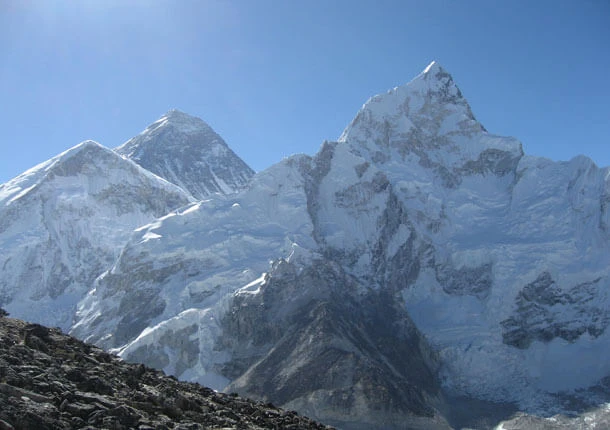
- The highlight: Grab a window seat on the left side of the plane, and you'll get a genuine bird's-eye view of the Himalayan range, including the north face of Mount Everest, on a clear day.
- The catch: going from Kathmandu (1,400 m) to Lhasa (3,656 m) in 90 minutes is a serious jump in altitude. Plan on 2-3 days of real rest in Lhasa afterwards to avoid acute mountain sickness (AMS).
Option 2: Overland via the Friendship Highway (The Scenic Adventure)
For a rugged, multi-day road trip across the roof of the world, the overland route typically takes seven to eight days.
- The route: a 4WD vehicle from Kathmandu to the Gyirong Port (Kerung) border crossing. Once through customs and met by your Tibetan guide, you continue along the Sino-Nepal Friendship Highway.
- The highlights: high mountain passes above 5,000 m, the turquoise waters of Yamdrok Lake, and often a stop at North Everest Base Camp on the Tibetan side.
- The advantage: climbing onto the plateau gradually gives your body a genuinely better chance to acclimatize compared to the sudden jump of flying.
Quick Comparison: Air vs. Overland
Feature | By Air | Overland (Drive) |
Travel Time | 1.5 hours | 7-8 days |
Altitude Adaptation | Harsh (sudden jump) | Smooth (gradual ascent) |
Scenery | Aerial views of Everest | Glaciers, valleys, lakes, and Everest Base Camp |
Arrangement | Flight tickets + permit package | Private vehicle + guide + permits |
11 Experiences That Define Lhasa
Lhasa's appeal lies in its diverse experiences. A pilgrim and a photographer can stand in the same courtyard and leave with entirely different memories; a grandparent and a ten-year-old can walk the same circuit and both come away glad they did. The city's sites are old enough, layered enough, and alive enough that they hold up under very different kinds of attention. Here's what's worth your time and why it tends to land differently depending on who's doing the looking.
1. Visit the Potala Palace.
The Potala Palace is the most iconic landmark in Lhasa and one of the world’s greatest architectural achievements; it is a must-see on any trip to the city. The thirteen-story Potala Palace, overlooking Marpo Ri (Red Hill), was the winter residence of the Dalai Lamas for hundreds of years. Today it is a UNESCO World Heritage site and the symbol of Tibet’s spiritual and political heritage.
Inside, ornate chapels, golden burial stupas, ancient murals, and priceless Buddhist scriptures tell the amazing story of Tibetan Buddhism. The ascent to the palace involves a couple of staircases at altitude, so you might want to take it easy. If you’re a photography buff, come early morning or stay until the golden hour when the palace glistens against the brilliant blue Lhasa sky.
Travel tip: Booking tickets in advance is highly recommended, especially during busy times of the year, due to the limited number of daily visitors. It is recommended to book tickets in advance, especially at busy times of the year.
2. Walk the Holy Barkhor Circuit
Barkhor Street, circling Jokhang Temple, is not only Lhasa’s oldest neighborhood but also the city’s spiritual pulse. From dawn until late evening, pilgrims, monks, shopkeepers, and visitors jostle together along the clockwise pilgrimage route, creating an atmosphere like nowhere else in Tibet.
Don’t hurry. Purchase handcrafted prayer wheels, colorful prayer flags, Tibetan jewelry, incense, and traditional handicrafts, then relax in a local teahouse and watch daily life unfold. The path is flat and easy to walk, making it one of the most fun experiences for visitors of all ages.
The best images for photographers often occur when you stop and let the rhythm of the street play out naturally around you rather than chasing moments.
3. Visit the holy Jokhang Temple.
For over 1,300 years pilgrims have been coming to the Jokhang Temple, the holiest temple of Tibetan Buddhism. Before entering to pay homage to the revered Jowo Shakyamuni statue, said to be Tibet’s most sacred image of the Buddha, worshippers make full-body prostrations at the entrance.
Inside, there is an atmosphere of deep devotion with dimly lit corridors, thousands of butter lamps, centuries-old murals, and prayer halls. Photography is not allowed in many of the interior rooms, but the temple’s rooftop provides one of the best views in Lhasa, overlooking Barkhor Street and the Potala Palace in the distance.
4. Watch the Monastic Debates at Sera Monastery.
One of the most fascinating cultural experiences in Lhasa is to attend the monks’ lively philosophical debates each afternoon at Sera Monastery, a tradition that has been an essential part of Tibetan Buddhist education for centuries.
The debates may appear theatrical at first, with dramatic hand claps, animated gestures, and rapid-fire questions, but they are an important teaching tradition that fosters critical thinking and a profound understanding of Buddhist philosophy. Even those who are not familiar with the religion often find themselves caught up in the energy and interaction.
For photographers, it is one of the best chances to capture authentic shots of monastic life.
5. Stroll around Drepung Monastery
Drepung Monastery was the largest monastery in the world, with over 10,000 monks. Its whitewashed buildings, built across a hillside that looks out over the Lhasa Valley, resemble a small city tumbling down the mountainside.
Drepung has a more relaxed vibe than Lhasa’s more frenetic sights, and visitors can potter around assembly halls and chapels and serene courtyards at a more leisurely pace. It's a bit of an uphill walk, but the panoramic views over the valley make it well worth the effort.
6. Go to Norbulingka, the Summer Palace.
The Potala Palace is impressive, but Norbulingka shows an entirely different side of Lhasa. The peaceful gardens, shaded walkways, ornamental ponds, and elegant pavilions surrounding this UNESCO-listed palace were once the summer residence of the Dalai Lamas.
One of the most relaxing attractions in the city, Dzongyab Lukhang Park offers a welcome change of pace after visiting monasteries and temples. Its tranquil atmosphere is ideal for families, photographers, or those looking for a quiet afternoon.
7. Chill out at Dzongyab Lukhang Park.
One of Lhasa's favorite local hangouts is Dzongyaba Lukhang Park, hidden behind the Potala Palace. The palace’s towering white walls are reflected in a placid lake, creating one of the most photographed scenes in the city.
Instead of rushing through, sit down and watch daily life. Locals do their tai chi, families walk through the park, and friends sit under trees talking. Sometimes the simplest moments give the most real insight into life in Lhasa.
8. Lose yourself in Lhasa's Old Town
Some of the most rewarding discoveries in Lhasa happen when you step away from the main attractions.
Many visitors don’t even glimpse the narrow lanes branching off Barkhor Street, where traditional homes, hidden temples, local bakeries, neighborhood markets, and family-run teahouses beckon. Wandering aimlessly is often the best part of the trip, as it lets you see Tibetan life in many ways.
9. Sample Some Authentic Tibetan Food
Another window into Tibetan culture is food. While you are here, you may try local favorites such as handmade momos, warming bowls of thukpa, yak meat dishes, and the famous yak butter tea, a drink that has sustained Tibetan communities for generations.
While you’re eating in a traditional family-run restaurant or a busy local teahouse, every meal is another chance to experience the hospitality and flavors of Tibet.
10. Check out the Tibet Museum.
You might want to spend a few hours at the Tibet Museum to learn more about the places you have seen. Its well-curated exhibits range from Tibetan history, religion, traditional art, archaeology, and cultural heritage, giving you useful context for the monasteries, temples, and landmarks you’ll come across throughout the city.
It’s also a great indoor activity on your first day in Lhasa as your body starts to acclimatize to the altitude.
11. Sunrise or Sunset at the Potala Palace
In Lhasa, some of the most memorable sights are those you see when you just stop and stare.
At sunrise, the first rays of light gradually light up the white walls and golden roofs of the Potala Palace. By sunset the palace is a warm glow against the deep blue Tibetan sky, and after dark it is beautifully lit up. The best way to start or end your time in Lhasa is by watching this daily transformation from a nearby viewpoint, rooftop café, or the shores of Dzongyab Lukhang park.
The best things in Lhasa are not determined by how many attractions you visit in a day. You see them in the quiet times between people, the gentle turning of prayer wheels, the aroma of juniper incense wafting over Barkhor Street, the conversation over cups of butter tea, and the slow rhythm of a city where traditions centuries old still shape daily life. And that is what makes Lhasa unforgettable long after the journey has ended.
The Soul of the Sunshine City: People, Devotion, and Living Festivals
Stone fortresses and gilded rooftops explain why Lhasa looks the way it does. They don't explain why it feels the way it does and for that, you have to look past the architecture and toward the people who move through it every day. Locals and the pilgrims who've crossed the plateau to reach them share quiet, unhurried warmth that shapes the entire city's atmosphere, visible in small moments most visitors almost miss: a shopkeeper murmuring a brief blessing before unlocking their doors, or a stranger stepping aside without a second thought to let an elder pass along the kora path.
What makes this especially striking is how naturally the old and new sit side by side. Smartphones and digital payment apps are everywhere, yet they exist alongside hand-carved prayer wheels and hand-stitched silk robes without any sense of contradiction. This is a modern city that never had to choose between its present and its past, it simply carries both, and does so with a kind of ease that's hard to find anywhere else on the plateau.
That same devotion, usually quiet and woven into the everyday, breaks fully into the open during Lhasa's major festivals. Time a visit around one of these dates, and the city shows you a different register entirely: louder, more colorful, and unmistakably alive.
Festival | When | What Happens |
Losar (Tibetan New Year) | February | Homes decorated with elaborate offerings, families sharing celebratory feasts, traditional dance in the streets, and doorways swept clean to welcome the new year in. |
Saga Dawa | May / June | The most sacred month on the Tibetan Buddhist calendar. Pilgrims circle the Barkhor and Lingkhor in far greater numbers than usual, and the air fills with the sound of collective chanting and turning prayer wheels. |
Shoton (Yogurt Festival) | August | A giant sacred thangka is unrolled on the hillside above Drepung Monastery at dawn, followed by days of Tibetan opera performances and open-air picnics across the city's parks. |
Bathing Festival | Late August / September | Families gather along the Kyichu River to wash themselves and their belongings, following a tradition tied to the appearance of a sacred star in the night sky: a quieter, more local celebration than the others. |
Losar transforms the old town into something closer to a citywide family gathering, with doorways decorated, feasts shared between neighbors, and dance filling streets that are usually given over to foot traffic and market stalls. Saga Dawa asks for something different; not celebration so much as devotion at scale, as thousands of pilgrims fold into the same circuits locals walk year-round, turning an ordinary pilgrimage route into a river of chanting and motion. Shoton flips the mood again, opening with the hush of a massive thangka unrolling at first light before giving way to days of opera, laughter, and picnics that spill out across the hillsides. Even the smaller Bathing Festival, largely unknown outside Tibet, offers something worth catching, families along the Kyichu River in a ritual that's changed very little over generations, observed rather than performed.
None of these festivals exist for visitors. That's precisely what makes them worth witnessing. Timing a trip around one doesn't just add a spectacle to your itinerary, it hands you a rare, unscripted view into a culture where devotion, community, and joy were never separate things to begin with, and never needed to be.
The Modern Pulse: High-Tech Infrastructure on the Roof of the World
Lhasa holds onto its ancient soul without letting that define the whole picture. The image many visitors still carry is an isolated, rustic outpost at the edge of the map has quietly stopped being accurate. Today, the Potala Palace looks out over a city moving on electric buses, smooth multi-lane roads, and, since 2021, its own high-speed rail line. The Qinghai-Tibet Railway, still the highest train route on earth, first opened this region to the rest of China by rail; the newer Lhasa-Nyingchi high-speed line, running at 160 km/h, cut what used to be a five-hour road trip down to roughly three and a half. Together, they've done more to open up the plateau than almost anything before them.
Category | What You'll Find |
Connectivity | The Lhasa-Nyingchi high-speed rail line and widespread 5G coverage across the city |
Lifestyle | Contemporary shopping centers, fashion boutiques, and international-standard hotels |
Digital Life | Near-universal cashless payment, even at small street food stalls |
High-Altitude Comfort | Select hotels offering oxygen-enriched rooms for a better first night's sleep |
Step outside the old quarter's narrow lanes and the shift becomes obvious fast. A downtown district of glass storefronts, trendy boutiques, and neon-lit avenues has grown up alongside the historic center, distinct enough that the two areas barely feel like the same city. The infrastructure underneath it all is just as current: 5G coverage reaches deep enough into the city that a street food vendor on a side lane can take a mobile payment as easily as a shop in the downtown core.
That same appetite for comfort has changed what high-altitude travel actually feels like here. A number of international hotels now build oxygen enrichment directly into their rooms, letting your body adjust to the thin air while you sleep instead of fighting it through your first restless night. None of this comes at the expense of what makes the city what it is: spend an afternoon on the Barkhor and you'll likely see a young local in streetwear checking their phone step aside without a glance to let a pilgrim pass, two versions of Lhasa moving through the same street without either one crowding out the other.
Best Season to Visit Lhasa
Lhasa welcomes visitors nearly all year, which sets it apart from Namtso or Kailash, where the season decides whether the road is even open. Still, the time of your visit determines what kind of Lhasa you will experience: a city bustling with the Saga Dawa crowds or one transitioning into its quieter, colder winter rhythm.
Spring (March to May): The City Wakes Up
As snow retreats from the surrounding hills, Lhasa shifts out of its winter stillness. Temperatures climb into a comfortable range for walking the Barkhor or climbing the Potala's staircases, and the light in late afternoon has a clarity that photographers chase all season. Saga Dawa, the most important date on the Tibetan Buddhist calendar, typically falls in late May or early June, and it's worth timing a visit around if witnessing genuine devotional intensity matters to you; expect the Barkhor and Jokhang to be at their most crowded during this window.
• Best for: comfortable temperatures, blooming valleys, and witnessing Saga Dawa.
Summer (June to August): Warm Days, Occasional Showers
Lhasa sits far enough behind the Himalayas' rain shadow that it escapes the worst of the monsoon soaking the rest of the subcontinent, but afternoon showers and cloud cover do turn up more often here than in spring or autumn. What summer offers instead is warmth, genuinely pleasant daytime temperatures, and long daylight hours that stretch your sightseeing window.
• Best for: warm weather, long days, and fewer altitude-related cold-weather concerns.
Autumn (September to November): The Clearest Skies
Once the summer clouds clear, Lhasa settles into what many operators and repeat visitors consider its finest stretch. Skies run crisp and blue for days at a stretch, visibility on the surrounding peaks is at its best, and the crowds that pack the Barkhor in spring have thinned out considerably. Early autumn still carries some summer warmth; by November, the cold starts creeping back in.
• Best for: clear skies, quieter sightseeing, and dependable weather without peak-season crowds.
Winter (December to February): A Quieter, Colder City
This is Lhasa at its most local. Daytime temperatures can still feel surprisingly mild in direct sun, thanks to the city's famous sunshine, but mornings and evenings turn genuinely cold, and some hotels outside the main tourist strip run limited heating. Fewer visitors mean shorter lines at the Potala and a more unhurried Barkhor circuit, and Losar, the Tibetan New Year, usually falls in February, bringing its own burst of local celebration if your dates align.
• Best for: budget travel, minimal crowds, and an unfiltered look at everyday city life.
Unlike Namtso or the Kailash route, there's no hard closure here: flights and hotels run year-round. The choice is less about access and more about which version of the city you'd rather encounter.
Sample Lhasa Itinerary: 4 Days
A well-paced four-day outline allows you enough time to see Lhasa's essential sites without rushing through them and enough acclimatisation built in to make the whole trip more comfortable.
Day 1: Arrival and Rest (Altitude: 3,656 m / 11,995 ft)
Land at Lhasa Gonggar Airport and transfer to your hotel in the old town. Keep the rest of the day deliberately light: a short walk if you're feeling fine; otherwise, simple rest. This first day does more for the rest of your trip than any single sightseeing stop.
Day 2: Potala Palace and Dzongyab Lukhang Park
Spend the morning at the Potala Palace, pacing the staircases slowly. In the afternoon, walk down to Dzongyab Lukhang Park to see the palace reflected across the lake and let your legs rest after the climb.
Day 3: Jokhang Temple, Barkhor Street, and Sera Monastery
Start at the Jokhang Temple, then join the clockwise flow of the Barkhor circuit outside. In the afternoon, head to Sera Monastery in time for the daily monk debates – one of the more memorable stops on any itinerary here.
Day 4: Drepung Monastery, Norbulingka, and Departure
Visit Drepung Monastery in the morning for the hillside views over the valley, then Norbulingka for a slower, garden-paced final stop before your onward flight or overland connection.
This four-day frame also works as the opening leg of a longer trip; many visitors use it as the acclimatisation base before continuing on to Namtso Lake, Everest Base Camp, or the long road to Kailash.
How Much Does a Lhasa Tour Package Cost?
Pricing for a Lhasa-only tour is more approachable than the longer Tibet routes, since there's no remote overland driving or helicopter charter involved: just permits, a flight, and city-based logistics.
Package Type | Typical Price (Per Person) | What Drives the Difference |
Small group, join-in tour | $1,300 - $1,800 USD | Shared permits, guide, and vehicle costs across the group |
Private tour (2-4 people) | $1,900 - $2,600 USD | Dedicated guide and vehicle for your group only |
Solo private tour | $2,800 - $3,400+ USD | All permit and vehicle costs absorbed by one traveler |
What's Typically Included
• 3 nights' hotel accommodation in Lhasa (usually 3-star, with upgrades available)
• Tibet Travel Permit and Chinese Group Visa processing
• Private ground transport and an English-speaking Tibetan guide
• Entrance fees for the Potala Palace, Jokhang Temple, Sera and Drepung Monasteries, and Norbulingka
• Daily breakfast
What's Usually Extra
• Kathmandu-Lhasa roundtrip flight: $700 - $1,100 USD, since Himalaya Airlines is the only carrier running true non-stop service on this route.
• Chinese Group Visa fee: roughly $120 - $220 USD, varying by nationality.
• Lunches and dinners: around $20 - $35 USD per day.
• Tips for your guide and driver: a standard expectation of $10 - $15 USD per day from the group.
A Lhasa Tour Package sits at the accessible end of the Tibet pricing spectrum; a useful way to experience the region's cultural core without committing to the extended budget and altitude demands of a Namtso or Kailash extension.
Note: Prices vary depending on travel season, hotel category, and whether you choose a private or shared tour
Know Before You Go: Practical Lhasa Travel Tips
Getting to Lhasa is the easy part. The overall experience of the trip, whether you arrive feeling relaxed or rushed, is influenced by several practical decisions made well in advance of departure: the necessary paperwork that must be submitted weeks ahead, your body's response to the altitude upon arrival, your accommodation and dining choices, the essential items to pack, and the presence of a policy that provides coverage in case of unforeseen issues. None of it is complicated on its own. Together, it's the difference between a trip that runs smoothly and one that doesn't.
Permits and Visa Requirements for Visiting Lhasa
There's no shortcut around the paperwork, and there's no version of this trip where you handle it yourself. Every foreign visitor to Tibet travels through a licensed agency, which takes on the entire application process on your behalf: you're not calling embassies or tracking down forms.
Two documents make the trip possible. The Chinese Group Visa comes from the Chinese Embassy in Kathmandu and typically takes 3–4 business days once submitted. The Tibet Travel Permit (TTP), issued by the Tibet Tourism Bureau, takes longer, 8 to 15 working days, and it's the one document that actually decides whether you're allowed to board your flight to Lhasa.
In this case, your operator, Nepal Nomad, is responsible for managing both the Group Visa and the Tibet Travel Permit. Hand over a passport scan and your confirmed itinerary, and they'll submit everything through the right channels: the group visa via the Kathmandu embassy and the TTP via the Tourism Bureau, without you ever needing to contact either office directly. What they'll need from you: a passport valid at least six months past your travel dates, a clear scan of your passport's photo page, and your finalized itinerary with international flight details. Please ensure the application is submitted 20–30 days in advance, so the slower-moving TTP does not delay your trip.
Altitude and Acclimatization in Lhasa
Somewhere in your first day at 3,656 meters, you'll probably feel it: stairs that wind you slightly more than they should, a dull headache, and legs that tire faster than they would at home. That's not a warning sign. For most visitors, it's just what altitude feels like, and it passes.
What makes Lhasa a smart place to start is the comparison: Namtso sits nearly 1,100 meters higher, and the Kailash route climbs well past that. Spending your first days acclimatizing here, before going anywhere higher, is a large part of what keeps the rest of a longer Tibet trip safe.
A few things help more than people expect. Keep your first afternoon quiet rather than ambitious. Drink more water than feels necessary; dehydration makes altitude symptoms worse, not just uncomfortable. Skip alcohol for the first day or two. Eat something even if your appetite has dipped, since that's common up here. And say something to your guide the moment symptoms shift, rather than waiting to see if they pass on their own.
Most mild headaches and fatigue resolve within a day or two without any intervention. The signs that actually matter: confusion, severe headache, and breathlessness while just sitting still are the ones your guide is trained to catch, and they'll know exactly where to take you if it comes to that.
Accommodation and Dining in Lhasa
If you've read about the guesthouses near Namtso or the basic lodges on the Kailash route, Lhasa will come as a relief. This is Tibet's most comfortable city by a wide margin, with everything from simple guesthouses to hotels that would be at home in any international capital.
Standard packages land you in a 3-star hotel near the old town with a private bathroom, hot water, heating, and Wi-Fi; nothing to complain about. If you want more, 4- and 5-star upgrades are easy to arrange, and a few of the higher-end properties even pump oxygen into the rooms, which genuinely helps on your first night or two.
Food follows the same pattern of abundance. Between Tibetan dishes, Sichuan cooking, noodle soups, and Western breakfasts at most hotels, Lhasa offers more variety than anywhere else you'll eat in Tibet. Still, the meal worth seeking is the simple one: momos, thukpa, yak meat, and a pot of butter tea at a small family-run place near Barkhor Street. Vegetarian food is easy to find and easy to arrange in advance; just flag any dietary needs before you arrive, and stick to bottled or boiled water for the whole trip.
What to Pack for Lhasa
Nothing here requires trekking gear. What it requires is respect for three things: sun that's stronger than it looks, air that's drier than you're used to, and evenings that turn cold fast once the sun drops.
The list is short. Bring your passport and permit documents; layered clothing you can add and remove through the day; real sun protection: sunglasses, SPF 50+, and a hat with a brim; and comfortable shoes for a lot of walking on stone. A reusable water bottle earns its space given how much you'll be drinking. Round it out with any regular medications, a power bank, a universal adapter, and moisturizer, which does more work here than it would almost anywhere else.
One warm layer for the evenings is truly sufficient. If you've packed for Namtso or a Kailash extension before, this list will feel like a relief by comparison.
Do You Need Travel Insurance for Lhasa?
Technically, no, nothing forces you to buy a policy before you land. Practically, it's still worth doing, mostly because of what isn't available once you're here: advanced medical care thins out fast outside the city center, and altitude adds a layer of risk that doesn't exist on a beach holiday.
A few things are worth checking before you buy anything. Make sure the policy actually covers emergency treatment, medical evacuation, and trip cancellation; the basics most people assume are included but should verify. Pay close attention to the altitude limit; many standard travel policies cease coverage above 3,500–4,000 meters, and Lhasa is well beyond that threshold. And declare anything pre-existing up front, since that's the single most common reason a claim gets denied later.
This trip carries less risk than Namtso or Kailash, so the coverage you need is lighter too. But lighter isn't the same as none; skipping insurance entirely just means absorbing whatever goes wrong yourself.
Should You Combine Lhasa With Namtso, Everest, or Kailash?
Lhasa holds up perfectly well as a standalone trip, but it's also the natural launch point for going further into Tibet. Here's how the options stack up.
Extension | Added Days | Added Altitude | Best For |
Lhasa only | 0 (3-4 day base trip) | None beyond 3,656 m | First-timers, limited time, or a Tibet-Nepal combo trip |
+ Namtso Lake | +2-3 days | Up to 4,718 m | Travelers wanting dramatic scenery without a multi-week commitment |
+ Everest Base Camp (North) | +4-5 days | Up to 5,200 m | Those prioritizing mountain views over cultural depth |
+ Mount Kailash | +10-12 days | Up to 5,630 m | Pilgrims and serious adventure travelers with the time and budget for it |
If you're unsure, Lhasa is the safer place to decide from, spend your first days here, see how your body handles the altitude, and extend from a position of actual experience rather than a guess made before you ever left home.
Frequently Asked Questions
Can you visit Lhasa without a guide?
No. Foreign visitors are required to travel with a licensed guide and pre-arranged permits throughout Tibet, including within Lhasa itself. Independent, unguided travel isn't permitted.
Is Lhasa safe for solo female visitors?
Yes, generally. Lhasa is a well-monitored city with a strong tourism infrastructure, and solo women regularly join both group and private tours without issue. Standard travel precautions apply, as they would anywhere.
How many days do you actually need in Lhasa?
Three to four days cover the essential sites comfortably, with enough built-in rest to acclimatize properly. Two days is possible but rushed; five or more gives you room for slower exploration or day trips to nearby sites like Ganden Monastery.
Can children or older travelers join a Lhasa tour?
Yes. Unlike Namtso or Kailash, Lhasa doesn't demand serious physical exertion — most sites involve walking and some stairs, but nothing approaching trekking difficulty. It's one of the more accessible high-altitude destinations in the world for a wide range of ages and fitness levels.
What currency should you bring?
Chinese Yuan (CNY) is the only currency accepted in Tibet. Bring cash, since foreign cards are not reliably accepted outside major hotels, and currency exchange is easier to arrange in Kathmandu before departure.
Your Journey to Lhasa Begins Here
Lhasa is a city that unfolds gradually. Beyond the renowned landmarks, there are centuries-old traditions, welcoming teahouses, tranquil monasteries, and a pace of life to slow down and experience Tibet beyond the guidebooks.
Whether you are planning a short cultural escape or continuing on to Namtso Lake, Everest Base Camp, or Mount Kailash, Lhasa is the perfect introduction to the Tibetan Plateau. With proper preparation and experienced local assistance, seeing this wonderful city is more accessible than most travelers think.
At Nepal Nomad, we believe that every trip to Tibet should hold as much significance as the destination itself. From securing permits and making travel arrangements to introducing the region’s history and culture through qualified local guides, we hope to ensure that you experience Lhasa with confidence and authenticity. When you are ready to begin your journey, we will be here to help make it happen.