Climbing Lobuche Peak raises a genuinely different set of questions than most Himalayan climbs, since it sits so close to the Everest Base Camp trail, yet carries its own technical demands, permit structure, and a false summit mystery most climbers never hear about until they're already researching the mountain. Before diving into training, cost, and logistics, it's worth reading our guide on where Lobuche Peak actually is if you haven't already, since understanding its location and what makes the climb unique sets up everything answered below. From difficulty and permits to safety, comfort, and the honest, human side of summit day, here's everything you're likely still wondering before you commit.
Before You Stand at 6,119 Meters: Lobuche Peak, Answered
Table of Contents
Difficulty and Experience
Will you find Lobuche Peak hard?
Yes, genuinely, and in a different way than you might expect. It's not one dramatic obstacle, but a mix of rock scrambling, glacier travel, and a narrow, exposed ridge, demanding constant attention rather than sustained physical punishment alone.
Do you need prior climbing experience?
Not mandatory, but it genuinely helps here more than on Mera Peak. The early rock scramble requires real scrambling technique, hands and feet both working, which feels unfamiliar if you've only ever walked trekking trails before.
Will you find Lobuche harder than Island Peak or easier?
Most climbers who've done both describe Lobuche as comparably demanding but more varied, combining Island Peak's fixed-rope ice climbing with an added rock-scrambling stage Island Peak doesn't really have.
Can complete beginners really reach the trekking summit?
Yes, provided you arrive genuinely fit and comfortable with some exposure. Guides run technical training before summit day specifically to prepare first-time climbers for the rock and ice sections ahead.
Will you need to rope up with other climbers?
Yes, for both the glacier crossing and the steep ice face below the summit ridge. Your guide leads the route, and fixed ropes carry you through the most exposed sections.
Does the rock scramble catch most climbers off guard?
Often, yes. Many climbers prepare mentally for ice and altitude but don't expect genuine hands-on scrambling in the dark during the early hours of summit day.
Training and Preparation
How should you train before attempting Lobuche Peak?
Build cardiovascular endurance and leg strength for several months beforehand, but don't skip grip and upper body conditioning entirely. The rock scramble and jumar sections demand more arm and core strength than most trekking-focused training plans account for.
Will you learn technical climbing skills on-site, or do you need them beforehand?
You'll learn them on-site, usually during a dedicated training session at Base Camp. Crampon use, ice axe technique, and jumar ascending all get covered before your actual summit attempt.
Should you practice scrambling or rock climbing before arriving?
It genuinely helps, even basic indoor climbing wall experience. The early rock section demands comfort moving over uneven terrain using your hands, something most standard trekking preparation never covers.
Do you need prior high-altitude trekking experience?
Strongly recommended. Climbers who've already spent time above 4,000 meters, even on a standard Everest Base Camp trek, acclimatize faster and handle summit night's combination of cold, exposure, and technical terrain with more confidence.
How physically fit do you actually need to be?
Very fit, with genuine comfort on technical terrain. Being able to trek six to eight hours daily matters, but so does staying composed while scrambling over rock in the dark with a headlamp.
What's one thing climbers wish they'd trained more for?
Hand and forearm strength specifically. Between rock scrambling and jumar ascending on the ice face, your arms work harder on this climb than most trekking peaks demand.
Cost and Permits
How much does it cost to climb Lobuche Peak?
A standard guided itinerary through a local Nepali operator typically costs around $2,955 USD, covering permits, guides, porters, accommodation, and meals. International agencies often charge $4,500 to $7,500 for the identical climb.
Why is there such a big price difference between local and international agencies?
Mostly overhead and markup. You're paying for the same guides, permits, and route either way, international agencies simply add significant margin on top of local operating costs.
What permits do you need for Lobuche Peak?
Three permits apply: the Sagarmatha National Park entry permit, the Khumbu Pasang Lhamu Rural Municipality permit, and a Nepal Mountaineering Association climbing permit specifically authorizing a Lobuche East ascent.
Does the permit cover Lobuche East, or do you need something separate for Lobuche West?
Standard climbing permits cover Lobuche East specifically. Lobuche West requires an entirely different expedition-level permit and falls outside what nearly every commercial agency, Nepal Nomad included, actually offers.
Can you arrange permits yourself, or does your agency handle them?
Most climbers let their agency handle it, since the NMA climbing permit specifically requires advance arrangement in Kathmandu well before departure.
Are there hidden costs beyond the advertised package price?
Yes, worth budgeting for. Hot showers, WiFi, device charging, and tips for your guide and porter team typically add a few hundred dollars beyond the base package cost.
Best Time and Weather
When should you climb Lobuche Peak?
Autumn, late September through November, and spring, March through May, offer the most stable weather and firmest conditions across both the rocky lower sections and the icier terrain higher up.
Can you climb Lobuche Peak in winter?
Technically yes, but it's considerably harsher. Cold temperatures make the rock scramble and exposed summit ridge noticeably more punishing, and fewer operators run winter departures given the added difficulty.
Is monsoon season ever a good time to climb?
No. Unpredictable snow and poor visibility between June and August make both the rock and ice sections dangerously unreliable, and most operators won't run trips during this window.
Does weather affect the rock scramble differently than the ice sections?
Yes, genuinely. Rain or fresh snow makes the rock scramble slippery and considerably more hazardous, while the ice face depends more on temperature and recent snowfall affecting crampon grip.
How much does weather affect your actual summit day?
Significantly. Guides often adjust timing based on overnight conditions, since fresh snow on the exposed ridge or unstable rock can make the technical sections genuinely unsafe.
Is there a specific month climbers recommend most?
October and April consistently get mentioned most often, sitting right in the middle of each favorable season with generally the most stable combination of temperature and visibility.
Gear and Equipment
What climbing gear do you actually need for Lobuche Peak?
You'll need crampons, an ice axe, a climbing harness, a helmet, and a jumar for the fixed rope sections, on top of standard high-altitude trekking gear like a down jacket and insulated boots.
Does your package provide the technical climbing gear, or do you bring your own?
Group climbing gear, ropes, and anchors usually come included in your package. Personal gear like your harness, crampons, and ice axe is typically your own responsibility, though it's rentable in Kathmandu.
Do you need special gloves for the rock scrambling section?
Yes, worth considering separately from your warm climbing gloves. A thinner pair with better grip and dexterity helps considerably during the hands-on rock scramble, where bulky insulated gloves make handholds harder to feel.
Do you need special mountaineering boots, or will standard trekking boots work?
You need proper mountaineering boots, stiffer and warmer than standard trekking boots, since they need to accept crampons securely and support you through both rock scrambling and ice climbing.
What's the one piece of gear climbers most often underestimate?
A climbing helmet suited for genuine use, not just a formality. Loose rock on the scramble section poses real fall-hazard risk, and a properly fitted helmet matters more here than on Mera Peak's purely glacier-based route.
Can you rent climbing equipment in Kathmandu instead of buying it?
Yes, and most climbers do exactly this. Numerous shops rent crampons, harnesses, helmets, and ice axes, saving you the cost and luggage weight of buying gear you'll likely use only once.
Safety and Health
Is Lobuche Peak dangerous?
It carries genuine risk, loose rock on the scramble, crevasses on the glacier, and real exposure along the summit ridge all demand respect, but fixed ropes, experienced guides, and proper training significantly reduce that risk for well-prepared climbers.
What's the altitude sickness risk like on this climb?
Genuine, given you're sleeping above 4,900 meters for several nights and summiting above 6,000 meters. Since Lobuche often gets combined with Everest Base Camp and Kala Patthar, proper pacing across the entire itinerary matters as much as the climb itself.
Is the rock scramble section actually dangerous, or just uncomfortable?
Genuinely risky if rushed or underestimated. Loose rock and darkness combine to create real fall hazard, which is exactly why a helmet and a guide's careful route-finding matter so much during this stage.
What happens if you can't complete the climb to the trekking summit?
Your guide will assess conditions and may turn you back if weather, exhaustion, or safety concerns make continuing unwise. Turning around isn't failure, it's your guide protecting you from unnecessary risk.
Do you need travel insurance that covers high-altitude climbing specifically?
Yes, essential. Confirm your policy covers activities above 6,000 meters and includes emergency helicopter evacuation, since Lobuche's technical terrain carries different risk than standard trekking.
What's the most common reason climbers don't reach the trekking summit?
Weather and fatigue more often than technical failure. The rock scramble's early demands combined with exposure near the top wear climbers down steadily before the final push even begins.
The False Summit Question
Will you actually reach the true summit of Lobuche East?
No, almost certainly not. Nearly every guided commercial expedition stops at what's called the trekking summit, still a few hours short of Lobuche East's true summit further along an increasingly technical ridge.
Why don't agencies take climbers to the real summit?
The terrain beyond the trekking summit escalates sharply into far more serious technical climbing, steep, exposed sections most standard trekking peak packages aren't equipped or licensed to guide clients through safely.
Does this mean your climb doesn't really count as summiting Lobuche East?
Not at all. The trekking summit represents a genuine, demanding achievement in its own right, and it's what virtually every climber, and every operator, Nepal Nomad included, means when they talk about summiting Lobuche East.
Why doesn't this get explained more clearly before people book?
Partly because the trekking summit already delivers an extraordinary payoff on its own, and partly because clarifying the distinction means admitting "summiting Lobuche" means different things depending on the operator and route.
If you specifically want the true summit, what would that require?
A considerably more serious, specialized expedition beyond what standard guided packages offer, involving technical climbing experience and route planning well beyond a typical trekking peak itinerary.
Does knowing about the false summit change how most climbers feel about their achievement?
Usually not negatively. Most climbers say understanding the distinction beforehand actually makes the climb feel more honest, they know exactly what they're attempting and why it's still a genuine, hard-earned summit.
Logistics
How many total days does a Lobuche Peak trip take?
Most itineraries run 15 to 18 days from Kathmandu arrival to departure, depending on whether it's combined with Everest Base Camp and Kala Patthar and how many acclimatization days are built in.
Can you combine Lobuche Peak with Everest Base Camp in one trip?
Yes, and most climbers do exactly this, since Lobuche sits directly along the standard Base Camp trail, letting you summit both destinations within a single extended journey without backtracking.
Do you need extra contingency days in your itinerary?
Yes, strongly recommended. Weather delays are common enough that most itineraries build in at least one buffer day to absorb a postponed summit attempt without affecting your flight home.
How do you get from Lobuche village to Base Camp for the climb itself?
A short trek of a few hours connects Lobuche village to Lobuche Base Camp, typically done after visiting Everest Base Camp and Kala Patthar first if your itinerary includes both.
What happens after you summit? Do you fly out directly?
No. After descending to Base Camp, most itineraries continue toward Pangboche, Namche Bazaar, and Lukla over several more days before flying back to Kathmandu.
Can you do Lobuche Peak as a standalone trip without Everest Base Camp?
Technically yes, though almost nobody does, since the approach trail is identical either way. Most climbers see little reason to skip Base Camp when it sits directly along the same route.
Life on the Mountain
Will you get a hot shower during the trek?
Yes, at most teahouses through Dingboche and Lobuche village, usually for a small extra fee. Once you're at Base Camp and High Camp, hot showers disappear entirely, and you'll rely on wet wipes instead.
Will you have WiFi or phone signal along the way?
WiFi is available at most teahouses through Namche Bazaar and Dingboche, often for a fee, but connectivity weakens considerably past Lobuche village and disappears almost entirely at Base Camp and High Camp.
What will the food actually be like?
Hearty and simple, think dal bhat, noodle soups, and basic breakfast options like porridge and eggs. Once you're camping at Base Camp and High Camp, your climbing team's cook staff takes over meal prep entirely.
Will you feel a communication gap with home during the trek?
To some degree, yes. Calls and messages become unreliable past Namche Bazaar, and you should expect to be largely offline during the climb itself, especially the summit night.
What wildlife or birds might you spot along the route?
Blue sheep and Himalayan tahr appear on rocky slopes lower down, while Tibetan snow cock and various high-altitude pheasants add movement to the stark terrain near Lobuche and Base Camp.
Will you encounter any festivals during your trek?
Possibly, depending on timing. Mani Rimdu, celebrated at Tengboche Monastery each autumn, is the region's largest festival, and trekking through during this window adds genuine cultural richness to your journey toward Lobuche.
Safety, Suitability, and Support
Is Lobuche Peak safe for solo women to climb?
Yes, generally. Nepal's mandatory guide requirement means you're never genuinely alone on the mountain, and solo women climbers attempt Lobuche regularly. Choosing a reputable agency with experienced guides adds further reassurance.
Is Lobuche Peak suitable for kids?
No. The rock scrambling, glacier travel, and exposed summit ridge make this climb unsuitable for children. Families seeking a Himalayan experience together typically choose a gentler trek like Everest Base Camp instead.
Is Lobuche Peak senior-friendly?
Fit, experienced seniors with strong cardiovascular health and prior high-altitude exposure can attempt it, though the technical variety, rock, ice, and exposure combined, makes it genuinely demanding even for younger, very fit climbers.
Will your guide speak good English?
Yes, licensed guides working with established agencies are required to demonstrate strong English proficiency, and most have years of experience communicating clearly with international climbers throughout the trek and climb.
What happens if there's a medical emergency during the climb?
Your guide carries a first-aid kit and satellite communication for exactly this situation, and helicopter evacuation remains available from Base Camp or lower points on the trail if symptoms become serious.
Is this a good climb for a couple or close friends to attempt together?
Many climbers do exactly this, and the shared technical challenge, rock scrambling, roped glacier travel, and the exposed final ridge, often becomes a genuinely bonding experience precisely because it demands mutual trust and support.
Things Nobody Tells You
What will you remember most about climbing Lobuche Peak?
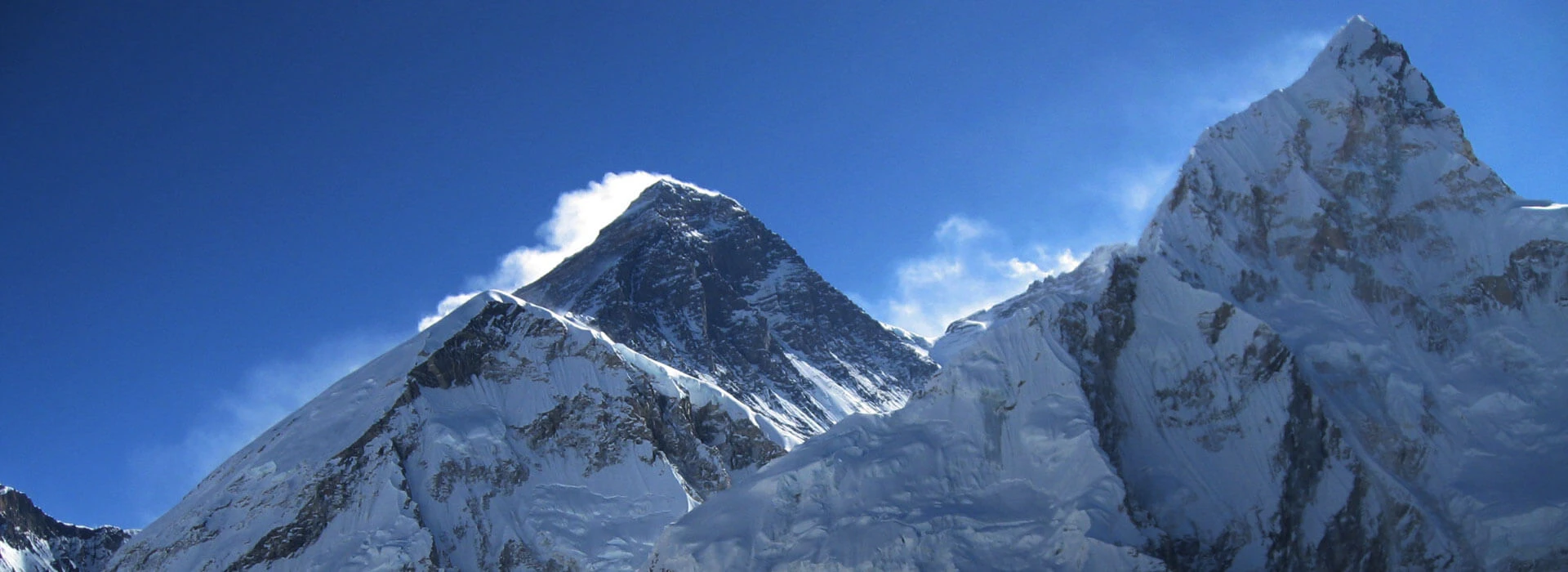
Most climbers say it's the moment the sky begins to lighten along the ridge, with Everest and Lhotse slowly emerging from the dark just a few kilometers away. After hours of scrambling and climbing in headlamp-lit silence, that first light feels almost unreal.
What might surprise you most on Lobuche Peak?
How much the rock scramble tests you before you ever reach the ice. Many climbers prepare for altitude and glacier travel but arrive unprepared for hours of hands-on climbing in the dark, which demands focus and quiet determination.
What thoughts might cross your mind at the Lobuche Peak summit?
Many climbers describe a strange mix of relief and disbelief, followed by a quiet realization of how close Everest actually looks from here. Standing on a genuine 6,000 meter summit, with the world's highest peaks filling the horizon, tends to put the whole journey into perspective.
Will you have moments when you want to turn back on Lobuche Peak?
Almost certainly, usually somewhere during the rock scramble or on the steep ice face when fatigue and cold hit hardest. Pushing through that stretch, with your guide's steady encouragement, is part of what makes the final summit view feel earned.
Can Lobuche Peak change how you see your own limits?
Many climbers say yes. Moving through rock, ice, and exposure on a mountain this close to Everest tends to recalibrate what people think they can handle, often in ways that stay with them long after the trip ends.
What do climbers wish someone had told them before summit night?
That the hardest part is often mental, not physical. Staying calm and focused through darkness, cold, and exposure, trusting your guide and your equipment, matters as much as fitness on this particular climb.
Is it true some climbers feel emotional at the trekking summit, even knowing it isn't the true summit?
Yes, more often than you'd expect. The false summit detail rarely diminishes the moment, since the achievement, the exposure, and the view of Everest rising so close make the trekking summit feel complete in its own right.
Every Answer, One Honest Summit: Your Lobuche Peak Climb Awaits
Every genuine question about Lobuche Peak, from the rock scramble and the false summit to cost, permits, safety, and the quiet moments nobody mentions, now has an honest answer behind it. What remains isn't more research, it's deciding whether this is the climb that takes you onto a real 6,000 meter summit, a few kilometers from Everest itself, without ever leaving the trail you're already planning to walk.
You don't need to be a seasoned mountaineer to stand at the trekking summit. You need steady fitness, comfort with a little exposure, and the willingness to trust your guide when the rock gets loose and the ice gets steep. Everything else, the technical training, the fixed ropes, the route-finding in the dark, gets handled by people who've guided this exact climb many times before. Knowing the false summit story beforehand only makes the achievement more honest, since you'll know exactly what you're attempting and why it still counts.
Nepal Nomad's experienced climbing guides manage every detail of your journey, from permits and acclimatization pacing to the fixed ropes that carry you safely up the ice face and across the summit ridge. Reach out to Nepal Nomad and let your questions turn into an itinerary, and the summit hiding beside Everest into the climb you'll remember for life.

Sarba: My soul finds its grace and pace in the embrace of the mountain.
Call us on WhatsApp+977 9851090112OrChat with us