The Short Version: Tihar in Five Lines
If you read only one section before you pack your marigolds, make it this one.
- What it is: a five-day Nepali festival of lights, flowers, animals, and siblings, celebrated by Hindu and Newar Buddhist communities across the country.
- When it is: 7 to 11 November 2026, with Laxmi Puja on the evening of 8 November on most calendars.
- Where to see it: Kathmandu, Patan, Bhaktapur, and Pokhara, though every neighborhood joins in with its own lamps and songs.
- What closes: a public holiday is reported for 8 to 12 November, so offices, banks, and many shops close and transport fills up.
- How to join: accept tika with a smile, tip the singers a small amount, and ask before photographing people.
Five Days, Five Characters
Each day of Tihar has a star, and the cast changes daily. Together, the five days run from rooftop offerings for the crows to the family gathering of Bhai Tika, and every day brings its own colors, foods, and small surprises.
Day 1: The Crow Gets Breakfast First (Kaag Tihar)
Kaag Tihar gives crows the one thing they rarely get: a warm welcome. In the morning, families set out grains, seeds, and sweets on rooftops and streets, and for one day, the birds usually shooed away find the rooftop set like a buffet. Crows and ravens are believed to be messengers of Yama, the god of death and justice, and their cawing is linked with sadness and grief in Hindu belief. By feeding them, families hope to appease the messengers and ward off sorrow in the coming year.
The same day carries a second, quite different theme. Many families observe Dhanteras, when Dhanvantari, the god of medicine, is honored, and it is considered auspicious to buy gold, silver, jewelry, or new utensils for the home. So while the rooftops host the birds, the shops host the shoppers. Look up for the offerings and look around for the busy jewelry counters, and you will see both sides of the day.
Respect note: the offering is solemn for many families, tied to death and justice, so smile and let them finish.
Day 2: The Best-Dressed Dog in Nepal (Kukur Tihar)
Kukur Tihar is the day when every dog, pet or stray, gets a red tika, a marigold garland, and a proper meal. Some wear the garland with the calm dignity of a celebrity who was warned in advance, and others shake it off within minutes, which is fair. The day celebrates the deep bond between people and dogs, and it recognizes their loyalty and companionship.
The tradition draws on old stories. In the Mahabharata, Yudhishthira refuses to enter heaven without his faithful dog, who turns out to be Yama himself. Yama is also said to keep two guard dogs, each with four eyes, at the gates of the underworld, and Bhairava, a fierce form of Shiva, is often shown with a dog as his companion. Because of the dogs at Yama's gates, the day is also known as Naraka Chaturdashi. Kukur Tihar went viral online, and an animal rights group in Mexico City adopted it in 2016.
Respect note: dogs are honored here as loyal companions and guardians, so admire the garlanded ones from a polite distance, since even festive strays prefer personal space.
Day 3: The Cow Opens the Night Shift for Laxmi (Gai Tihar and Laxmi Puja)
Gai Tihar and Laxmi Puja share one day, and the cow takes the morning shift. Cows are honored with tika, garlands, and treats because they give far more than they take, from milk and ghee to farm fertilizer. Few animals in the festival earn thanks so quietly or so completely.
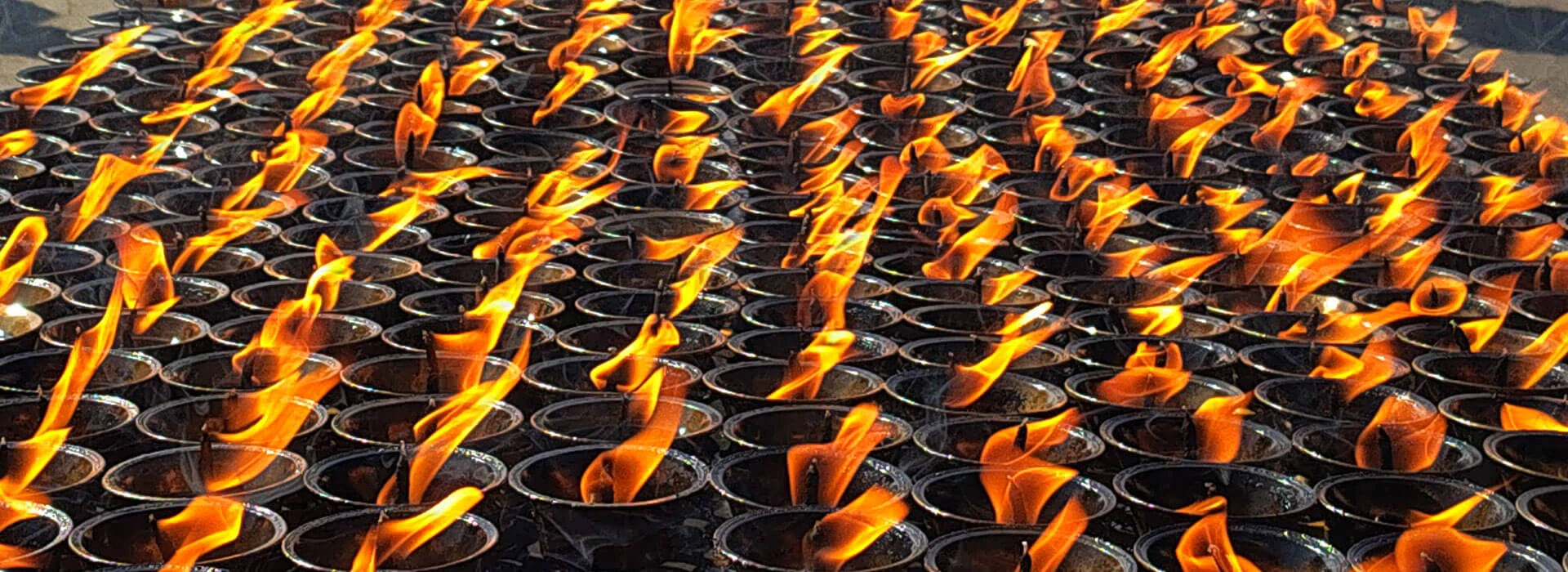
As night falls on the darkest night of the lunar month, Laxmi Puja begins. Homes get a deep clean, doorways fill with marigold garlands, and oil lamps line doors and windows, with electric lights draped over rooftops, because the goddess is said to skip dark houses. Rangoli patterns made of colored rice, flour, sand, or petals welcome her at the threshold. A special puja follows, with prayers for prosperity, wealth, and good health, and sel roti is a traditional offering.
Every street quietly competes to be the brightest, and nobody pretends not to compare. Once the lamps are lit, Bhailo singers begin their rounds, and the neighborhood fills with song.
Day 4: The Ox Gets Thanked While the Newars Celebrate Themselves (Goru Puja, Govardhan Puja, and Mha Puja)
Day four finally thanks the ox, the cow's hardworking partner in the fields. Valued for its role in farming and heavy labor, the animal who spends the year doing the heavy lifting gets worship, treats, and something close to a day off.
Many Vaishnav devotees also perform Govardhan Puja the same day, worshipping the sacred Govardhan Hill in honor of Krishna and his protection. The fourth day generally coincides with the first day of the Nepal Sambat calendar, the Newar new year, and the Newar community observes Mha Puja, a tradition in which the self and the soul within are worshipped. It is their way of saying the person inside deserves care too, which is a lovely idea to carry home.
Day 5: Brothers Sit Still While Sisters Take Charge (Bhai Tika)
Bhai Tika ends the festival with brothers, for once, told to sit still and follow instructions. According to legend, when Yamuna's brother fell mortally ill, Yama came to take his soul, and Yamuna asked him to wait until the tika on her brother's forehead faded, the oil dried, and the garlands wilted. She turned a single prayer into a long ceremony, and the story explains most of what happens today.
Sisters circle their brothers several times, sprinkling holy water and oil to form a protective barrier. They drape a garland of makhamali flowers around each brother's neck, since the flower is known for its long life, and they apply a tika made of seven different colors. Brothers then place a tika on their sisters' foreheads and touch their sisters' feet with their foreheads, a sign of love, respect, and devotion.
Gifts follow. Brothers receive cooked food such as sel roti, along with fruits and sweets, while sisters receive cash or presents such as clothing. The ceremony works whether the brother is older or younger, and cousins qualify too, so many families spend the day visiting each other in rotation.
The 2026 Calendar Plot Twist: When Dates Overlap and Calendars Argue
Nepal's festival dates follow lunar days, which never line up neatly with the clock, so 2026 brings a plot twist. Tihar begins on the thirteenth day of the waning moon in the month of Kartik and ends on the second day of the waxing moon, and Laxmi Puja falls on the new moon night. When a lunar day starts late or ends early, two observances can share one calendar date.
On most calendars, dog day and Laxmi night both land on 8 November, while some calendars list the cow's morning on 9 November. Some websites print 19 to 23 October, and others print 6 to 10 November, so the reliable span is 7 to 11 November. When in doubt, ask a Nepali friend or your hotel, since local calendars rule.
Day | Observance | 2026 date (most calendars) |
|---|
1 | Kaag Tihar | 7 November |
2 | Kukur Tihar | 8 November |
3 | Gai Tihar and Laxmi Puja | 8 November (some list the cow's morning on 9 November) |
4 | Goru Puja, Govardhan Puja, and Mha Puja | 10 November |
5 | Bhai Tika | 11 November |
Tihar vs Diwali: Same Festival Spirit, Different Traditions
Tihar and Diwali are closely related festivals celebrated in Nepal and India. Both follow the Hindu lunar calendar, feature beautiful lighting displays, and celebrate prosperity, happiness, and the triumph of light over darkness.
However, the traditions and stories behind them are not identical.
Diwali is widely associated with the return of Lord Rama to Ayodhya after defeating Ravana, as described in the Ramayana. Laxmi Puja is also a central part of the celebration.
Tihar, meanwhile, gives particular attention to Yama, his sister Yamuna, animals, and family relationships. Its distinctive five-day sequence includes offerings to crows, dogs, cows, and oxen, followed by the celebration of siblings.
Here is a closer comparison:
| | Tihar (Nepal) | Diwali (India) |
|---|
Story focus | Yama and his sister Yamuna, with Laxmi welcomed on the third night | The homecoming of Rama, with Laxmi also honored |
Animals | Crows, dogs, cows, and oxen each get a day | Not a defining feature |
Sibling day | Bhai Tika, with a seven-colored tika and makhamali garland | Bhai Dooj |
Names | Tihar, Yamapanchak, Swanti (Newar), Dipawali (Madheshi) | Diwali, Deepavali |
The dates of individual observances do not always match one-to-one. For example, Dhanteras is observed before the main Tihar sequence in Nepal, while Kukur Tihar and Laxmi Puja share a date in 2026.
Both celebrations express gratitude, family affection, and hope for a prosperous future. If you have celebrated Diwali before, Tihar will feel familiar in its lamps, sweets, and prayers, but wonderfully different when you see a street dog receiving a marigold garland or a crow being offered breakfast.
A Visitor's Survival Guide to Tihar
A visitor's guide to Tihar starts with one rule: say yes, and bring layers. Foreigners are welcome to observe and, in many cases, to take part, as long as they follow the lead of their hosts.
Tihar and Trekking: What Changes on the Trail
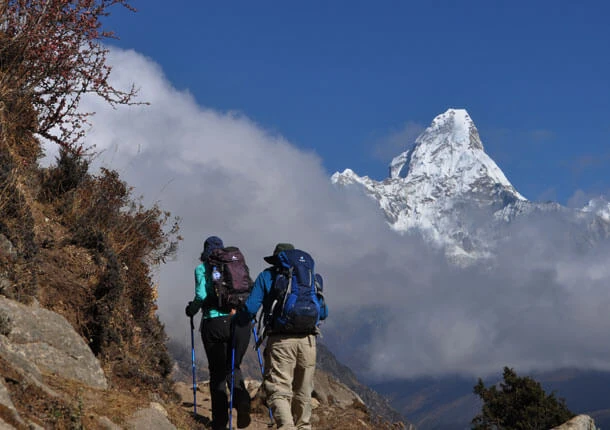
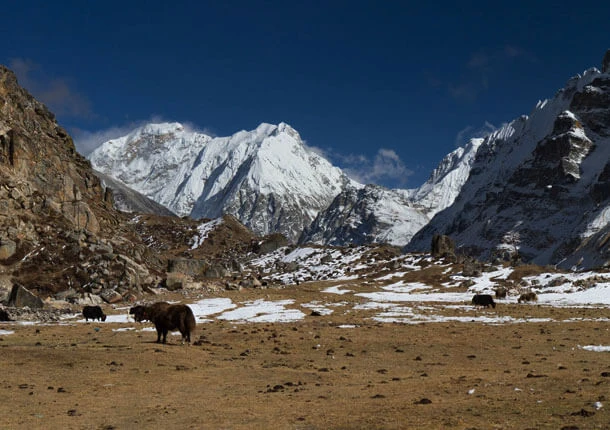
Tihar and trekking overlap because the festival lands in autumn, the best trekking season. The mountains stay calm, and the cities do the celebrating, so your trail days barely change while your Kathmandu days change a lot. Offices and many shops close, buses and flights fill with families heading home, and guides and drivers may want time with their own relatives, so ask early.
Book Lukla flights ahead, keep a spare day in Kathmandu, and carry cash. If you want the lights, plan one Kathmandu or Pokhara night around Laxmi Puja, then head for the hills. Ask your agency to place that night on your itinerary, and you will start your trek with a head full of lamps.
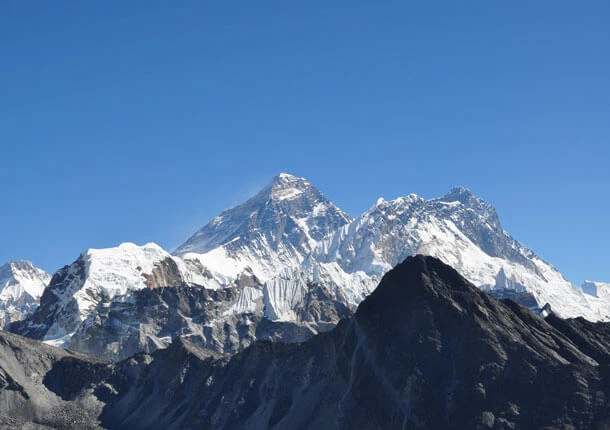
A short route such as the Everest View trek fits into a festival week, and the Everest Base Camp trek rewards autumn's clear skies. Culture lovers can follow the Mani Rimdu festival trek, timed for the masked dances at Tengboche, another autumn festival that follows the Tibetan lunar calendar.
The Food Map: Sel Roti and the Season's Sweets
If Tihar had an official festival food, sel roti would be a strong contender.
This traditional Nepali rice bread is shaped into a ring and deep-fried until its outside becomes golden and slightly crisp while the inside remains soft. It is made from ground rice, sugar, ghee or oil, and other household ingredients, with recipes varying between families.
Sel roti is more than a snack. It is part of the cultural identity of several Nepali festivals, including Tihar and Dashain.
During Tihar, families prepare it as an offering, serve it to visitors, and share it with relatives. Its shape makes it easy to recognize, and its ability to stay fresh for several days once made it especially convenient for family visits and long-distance sharing.
Other foods and sweets also appear on festive plates. Depending on the household and region, you may find:
- Anarsa: A traditional sweet made using rice flour and sesame seeds.
- Khajuri: A crispy, deep-fried sweet snack prepared in different household styles.
- Fruits and nuts: Commonly offered during prayers and shared with relatives.
- Homemade sweets: Different varieties of traditional sweets prepared for guests and family gatherings.
Food also plays an important role during Bhai Tika, when sisters prepare special meals and sweets for their brothers.
If you are invited into a Nepali home, accepting a little sel roti or another festive treat is a lovely way to participate. You might discover that one piece quickly becomes two.
Frequently Asked Questions About Tihar in Nepal
Why do Nepalis worship crows, dogs, cows, and oxen during Tihar?
Each animal has a cultural or religious association. Crows are regarded as messengers of Yama, dogs are honored for their loyalty and connection with Yama and Bhairava, cows symbolize nourishment and prosperity, and oxen represent the contribution of animals to traditional farming. Worshipping them expresses gratitude and respect for their roles in human life.
Can tourists participate in Tihar celebrations?
Yes. Visitors can enjoy the lights, observe animal worship, listen to Deusi and Bhailo songs, and participate in family celebrations when invited. Religious ceremonies should always be approached respectfully, and private rituals should not be interrupted for photographs.
Is Tihar the same as Diwali?
They share the festival of lights, Laxmi worship, and several Hindu traditions, but they are not identical. Tihar has distinctive observances dedicated to crows, dogs, cows, and oxen, along with Mha Puja in Newar communities and Bhai Tika for siblings.
What is the difference between Deusi and Bhailo?
Bhailo is traditionally performed by girls and women on Laxmi Puja night, while Deusi is traditionally associated with boys and men on the following evening. Both involve groups singing traditional songs from house to house in exchange for small gifts or offerings. Today, many groups include mixed participants.
How much money should you give Deusi and Bhailo singers?
There is no fixed amount. A small offering of a few hundred Nepali rupees is a reasonable gesture for visitors, depending on the group and local custom. Some households also offer fruit, sweets, rice, or sel roti.
Why is Bhai Tika celebrated?
Bhai Tika celebrates the bond between brothers and sisters. Sisters apply a colorful tika, offer prayers, and wish their brothers good health and long lives. Brothers return the affection through blessings and gifts. The ritual is traditionally associated with the story of Yamuna and Yama.
What is Mha Puja, and why is it important?
Mha Puja is a Newar ritual of self-worship celebrated on the fourth day of Tihar. It recognizes the spiritual importance of the body and soul and expresses wishes for health, strength, prosperity, and longevity. It also marks the beginning of Nepal Sambat, the traditional Newar calendar.
Are firecrackers allowed during Tihar in Nepal?
Firecrackers and other explosive materials are subject to legal restrictions and police enforcement in Nepal. Their use can cause injuries, fires, and disturbances to people and animals. Visitors should avoid purchasing or using them and enjoy the festival through its traditional lamps, decorations, and music instead.
Will shops, banks, and offices be open during Tihar 2026?
The government holiday runs from 8 to 12 November 2026. Government offices and many banks and businesses close or operate with limited services. Hotels and tourism businesses may remain open, but their schedules vary. It is best to arrange important payments, transport, and other services beforehand.
When is Tihar in 2027?
Tihar's dates change every year because the festival follows the lunar calendar. The exact 2027 dates should be confirmed using the Nepali calendar once the relevant annual festival and holiday schedules are published.
Light a Lamp, Share a Sweet, Say Yes to the Tika
Tihar asks very little of you and gives a great deal back. Light a lamp, share a sweet, and say yes when someone offers a tika, because five days of lights, flowers, and thank-yous teach more about Nepal than any guidebook. The crow, the dog, the cow, the ox, and your host's sister each get a day, and you are welcome to stand in the glow.
Along the way, you will notice how much of the festival is about gratitude. Families thank the animals who share their lives, the goddess who brings prosperity, and the siblings who share their childhood, and the thanks are cheerful, noisy, and wonderfully unembarrassed.
Nepal Nomad's guides know when the lights shine brightest and when everything closes, so your trek, your Kathmandu nights, and your festival days can be planned around each other. Reach out to Nepal Nomad, and let your next visit begin with a lamp in the window.