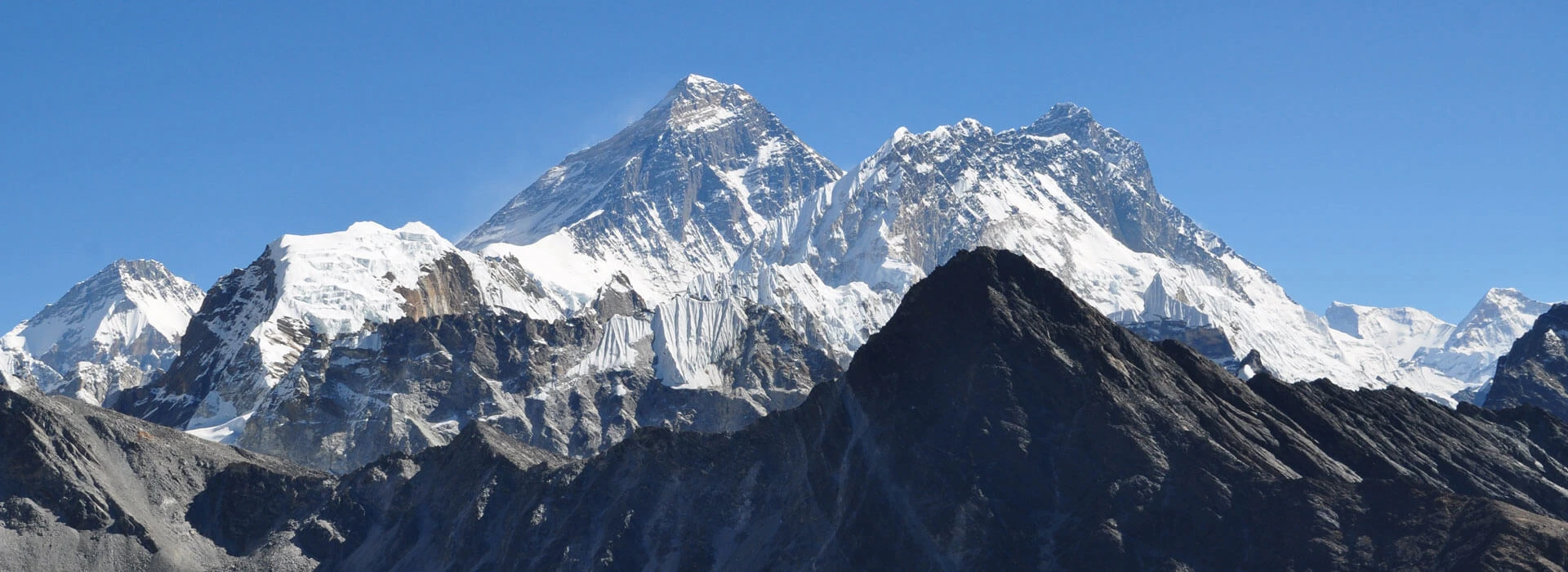
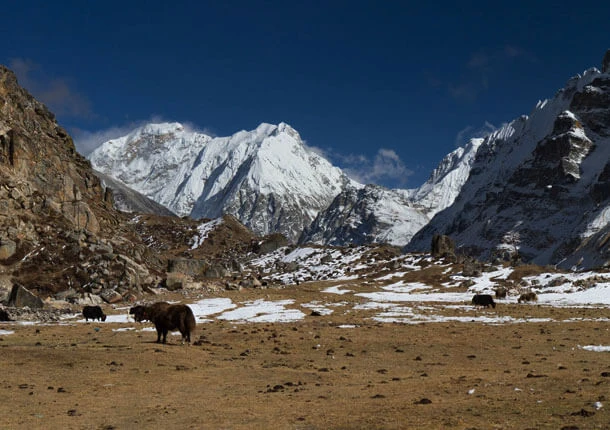
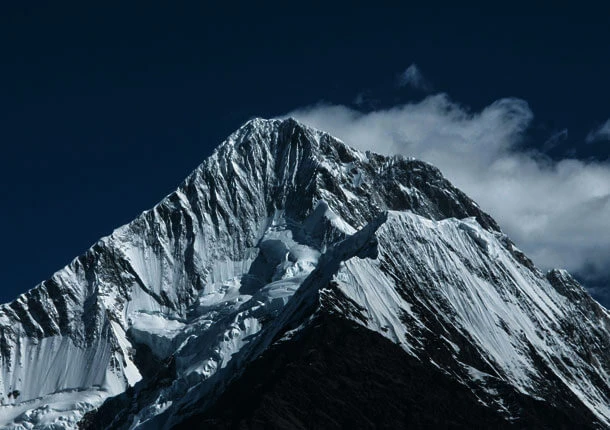
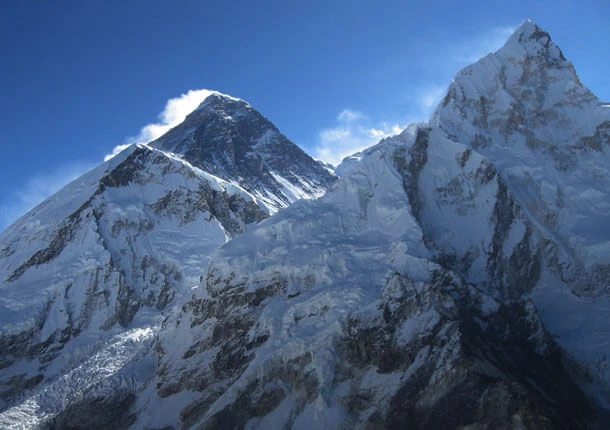
Which Everest region trek is right for you? The answer depends on four things: how many days you can spare, how high you want to sleep, how much you value quiet, and how you feel about flying into Lukla. The Khumbu offers more than a dozen ways to see Everest, from a one-day helicopter tour to a nineteen-day Cho La pass crossing, and choosing by name alone rarely works.
Base Camp itself comes in several shapes. Eleven days are enough on the short trek, while the classic route adds rest days for a gentler pace. Trekkers who dislike flying can drive in on the road route, and those with tired knees can fly home from Gorak Shep on the heli trek.
Quieter options leave the main trail altogether. Kongde View climbs a ridge above the Thame valley, Ama Dablam Base Camp reaches 4,570 meters beneath one of the Himalayas’ most photographed peaks, and the Gokyo Lakes trek leads to turquoise glacial water below Gokyo Ri.
Five questions below narrow your options to two or three routes, and a comparison table at the end shows lengths, altitudes, and starting prices side by side. Prices and details can change between seasons, so confirm them with your agency before you book. Whether you have one day or three weeks, a strong set of knees or a nervous stomach on mountain roads, the right Everest trek exists, and the quickest way to find it is to answer honestly.
QUICK EVEREST TREK
DECISION QUIZ
Find the trek that fits your time, altitude goals, travel style and comfort level.
1. How many days do you have? 1 day ☐ Everest Helicopter Tour 4–8 days ☐ Everest View Trek (Senior / Family versions) ☐ Kongde View Trek ☐ Ama Dablam Base Camp Trek 11–13 days ☐ Everest Base Camp (Classic / Short) ☐ Everest Base Camp Heli Return ☐ Gokyo Lakes Trek 15+ days ☐ Three Passes Trek ☐ Everest Base Camp via Cho La ☐ Gokyo & Renjo La |
2. How high do you want to go? Below 4,000 m ☐ Everest View Trek 4,000–5,000 m ☐ Kongde View Trek (4,250 m) ☐ Ama Dablam Base Camp Trek ☐ Gokyo Lakes Trek (highest lake approx. 4,790 m) Above 5,000 m ☐ Everest Base Camp (5,364 m) ☐ Gokyo Ri (approx. 5,357 m) ☐ Renjo La / Cho La / Three Passes Treks |
3. How do you feel about crowds? I prefer quieter trails ☐ Kongde View Trek ☐ Ama Dablam Base Camp Trek ☐ Gokyo Lakes Trek ☐ Three Passes Trek I'm comfortable sharing the trail ☐ Everest Base Camp ☐ Everest View Trek |
4. Flights: love them or avoid them? I'd rather avoid flights ☐ Everest Base Camp by Road I'm open to flying in and having an easier return ☐ Everest Base Camp Heli Return I want the helicopter experience ☐ Everest Helicopter Tour |
5. What level of comfort do you prefer? Standard teahouse comfort ☐ Most treks, including EBC, Gokyo and Three Passes Luxury lodges ☐ Luxury Kongde View Trek Senior- or family-friendly ☐ Everest View Trek (Senior / Family version) |
HOW TO USE THIS QUIZ
Tick the answer that best matches your preferences in each section. Look for treks that appear across several of your answers these are good options to explore first. Your answers are a starting point, not a final recommendation: consider your fitness, acclimatization needs, season and current trail conditions before booking.
Question 1: How many days do you have?
Your calendar narrows the field faster than any other question. Count from the day you land in Kathmandu to the day you fly home, and keep one spare day in case weather delays a flight.
- One day: the helicopter tour
- 10 to 12 days: the short trek and the heli trek (11 days each), or Kongde View (12 days)
- 13 to 16 days: Ama Dablam Base Camp (13), the Gokyo Lakes and Gokyo Renjo La treks (14), the standard Everest Base Camp trek (15), and the road route (16)
- 19 days or more: the Cho La pass trek (19) and the Three High Passes trek (20)
Fewer days mean longer walking hours and less margin for altitude, so shorter treks suit fitter trekkers who already handle high places well.
Question 2: How high do you want to go?
Altitude changes how you feel more than distance does, and the number to watch is where you sleep, not where you hike.
- Below 4,000 meters: the Everest View trek, which tops out near Tengboche at 3,860 meters
- Up to about 4,500 meters: Ama Dablam Base Camp reaches 4,570 meters on a day hike, and every night stays below 4,000
- About 5,000 meters: Kongde View sleeps at 4,250 meters, then hikes Farak Ri on Day 8
- 5,300 to 5,600 meters: Everest Base Camp (5,364), Kala Patthar (about 5,550), Gokyo Ri, and the three passes (Renjo La 5,360, Cho La 5,420, Kongma La 5,535), with nights at Gorak Shep near 5,100 meters
The helicopter tour touches 5,545 meters for minutes, with no acclimatization, so speak with a doctor first if you have heart or lung concerns.
Question 3: Do you want crowds or quiet?
The main trail to Base Camp buzzes in spring and autumn, with lodges full above Namche Bazaar. Quieter options leave the busy corridor early.
- Busiest: the standard Everest Base Camp trek, the short trek, and the heli trek
- Quiet from Namche onward: Kongde View turns west into the Thame valley, and Ama Dablam Base Camp leaves the main trail for Phortse
- Quiet in a different way: Gokyo Lakes and Renjo La follow the Gokyo valley, and the road route walks two quiet days through the lower Khumbu before joining the main trail at Chheplung
Winter trails are quieter on every route, though nights are far colder.
Question 4: Do flights or long descents worry you?
Two worries come up often, and both have an answer.
Flying into Lukla. Fog and wind ground flights for days, and the runway unsettles some trekkers. The road route skips the flight entirely, trading it for two long jeep days on rough roads.
Long descents. After Base Camp, the walk down takes several more days and tests tired knees. The heli trek flies you home from Gorak Shep, and the Kongde and Ama Dablam treks offer helicopter returns from Kongde and Tengboche.
Helicopters depend on weather too, and landing rules in the Khumbu have shifted in recent years, so keep a spare day in Kathmandu and ask your agency to confirm pickup points before you book.
Question 5: How much comfort do you want?
Standard trips use family-run teahouses with twin beds, shared bathrooms, unheated bedrooms, and dining rooms warmed by one stove. Most trekkers adapt within a night or two, and a sleeping bag and layers make the cold manageable.
If warm rooms matter, comfort lodges offer heated bedrooms, private bathrooms, and larger menus at a higher price. The Kongde route has a luxury lodge version, and the Everest Base Camp luxury trek and Thame luxury trek follow the same idea on other routes. Luxury trips cost far more than standard ones, so decide whether warmth or budget matters more to you.
Every Everest Region Trek Compared: Length and Starting Price for 2026/2027
Starting prices are per person and follow the packages listed on Nepal Nomad's Everest trek page in late October 2026. Prices and details can change between seasons, so confirm them with your agency before you book.
Trek | Length | From | Best for |
|---|
Everest Base Camp Helicopter Tour | 1 day | US$5,500* | Seeing Everest from the air with no walking |
Everest View Trek | 9 days | US$1,100 | An easy, short walk that stays below Base Camp altitude |
Short Everest Base Camp Trek | 11 days | US$1,500 | Fit trekkers with under two weeks |
Everest Base Camp Heli Trek | 11 days | US$3,500 | Base Camp on foot, then a flight home from Gorak Shep |
Everest Kongde View Trek | 11 days | US$2,100 | Fewer crowds, a quiet ridge, and lodge comfort |
Gokyo Renjo La Pass Trek | 12 days | US$1,500 | Turquoise lakes plus a high pass |
Ama Dablam Base Camp Trek | 13 days | US$1,500 | A lower altitude and one of the Himalaya's most photographed peaks |
Gokyo Lakes Trek | 14 days | US$1,600 | Glacial lakes and the view from Gokyo Ri |
Everest Base Camp Trek | 15 days | US$1,700 | The standard experience with rest days |
Everest Base Camp Trek by Road | 16 days | US$1,750 | Trekkers who prefer to avoid the Lukla flight |
Everest Base Camp Family Trek | 17 days | US$1,900 | Families walking at a shared pace |
Classic Everest Base Camp Trek | 17 days | US$1,900 | The traditional route at an unhurried pace |
Everest Cho La Pass Trek | 19 days | US$2,100 | A serious challenge: Base Camp, Gokyo Lakes, and a high pass |
Everest Base Camp Trek for Seniors | 20 days | US$2,500 | Older trekkers wanting extra acclimatization |
Everest Three High Passes Trek | 20 days | US$2,500 | The region's toughest circuit, crossing three passes |
Who Should Choose What
Seniors: the senior trek for slower pacing, the Everest View trek for a gentler walk, or Ama Dablam Base Camp, where every night stays below 4,000 meters
Families with children: the family trek, or Everest Base Camp with kids, which adjusts pacing for young legs
First-timers: the standard Everest Base Camp trek, with its rest days, or Ama Dablam Base Camp for a lower altitude
Photographers: Gokyo Lakes for turquoise water at dawn, Kongde View for wide ridgeline panoramas, and Ama Dablam for one of the Himalayas’ most photogenic peaks
Culture lovers: the Mani Rimdu festival trek, timed for the masked dances at Tengboche Monastery
Future climbers:Island Peak, Mera Peak, and Lobuche East build skills and altitude experience, and the Ama Dablam Expedition is the dream after them
The Master Table: Every Everest Region Trek Side by Side
Use the table to compare lengths, altitudes, and starting prices at a glance. Prices are per person in US dollars and can change between seasons, so confirm current figures with your agency before you book.
Trek | Days | Highest point | Price per person (USD) | Best for |
|---|
Everest Base Camp helicopter tour | 1 | Kala Patthar, about 5,545m (landing subject to current rules) | About 1,200 to 1,500 (shared flight) | One free day, limited mobility, first look at Everest |
Everest Base Camp short trek | 11 | Kala Patthar, about 5,550m | About 1,100 to 1,400 | Fit trekkers with limited vacation time |
Everest Base Camp heli trek | 11 | Kala Patthar, about 5,550m | About 1,900 to 2,600 | Base Camp without the walk down |
Everest Kongde View trek | 12 | Farak Ri hike, about 5,000m | From 2,100 | Quiet trails and wide views at a lower sleeping altitude |
Ama Dablam Base Camp trek | 13 | Ama Dablam Base Camp, 4,570m | From 1,500 | A gentler first Himalayan trek beneath a famous peak |
Gokyo Lakes trek | 14 | Gokyo Ri, about 5,400m | About 1,200 to 1,800 | Turquoise lakes and fewer crowds |
Gokyo Renjo La pass trek | 14 | Renjo La, 5,360m | About 1,200 to 1,900 | Lakes plus a high pass crossing |
Everest Base Camp trek | 15 | Kala Patthar, about 5,550m | From 1,700 | The standard route with rest days |
Everest Base Camp trek by road | 16 | Kala Patthar, about 5,550m | From 1,400 | Trekkers who prefer not to fly into Lukla |
Everest Cho La pass trek | 19 | Cho La, 5,420m | About 1,900 to 2,100 | Base Camp and Gokyo in one journey, with a glacier crossing |
Everest Three High Passes trek | 20 | Kongma La, 5,535m | From 2,500 | The full high-altitude circuit |
Everest View trek | Short | Below 4,000m | Ask us | An easy, short walk with Everest views |
Senior and family treks | Longer than standard | Base Camp, 5,364m | Ask us | Slower pacing and extra rest days |
Prices marked "From" are starting prices for standard departures. Ranges show typical costs, and group size, season, and comfort level move the final figure.
Still Unsure?
If two or three routes still tempt you, tell Nepal Nomad your days, your fitness, and your worries, and the company will shape a trip around them. The bespoke Everest Base Camp trek lets you set your own pace, rest days, and route, and a short chat often settles in minutes what a week of reading cannot.
Your Everest Is Already on the Map: Pick the Route That Fits You
Choosing an Everest trek is less about finding the best route and more about finding yours. Your days, your sleeping altitude, your appetite for crowds, and your feelings about flying each point toward a different valley, and the answers you gave above already narrowed the field.
Whichever you choose, you will walk through Sherpa villages, past prayer flags and monasteries, and beneath some of the tallest mountains on Earth. Nepal Nomad’s guides handle permits, acclimatization, pacing, and logistics, so your only job is to arrive fit and walk at a steady pace. Reach out to Nepal Nomad, and let the right Everest take shape.