Three Ways to Experience the Taste of Nepal: Tailored Cost Packages for Every Traveler
Nepal Nomad provides the Taste of Nepal Adventure through three tailored cost packages, carefully designed to suit every traveller's budget and style. With transparent pricing and thoughtfully curated intenerates, these packages allow you to plan your Nepal visit and Nepal Adventure Tour Cost with confidence, ensuring an immersive and unforgettable Nepal experience that matches your interests and budget.
The Budget Explorer (The Authentic Path): This package from $1900- $2100 focuses on the essential; you experience the entire journey, but with a practical and local touch. This tier offers you clean, cozy local guest houses, a Bed and Breakfast basis, giving you the freedom to explore local eateries for both lunch and dinner, and reliable non AC private vehicles. To keep the budget low, you may occasionally use connected/shared transport for shorter scenic hops between towns.
For adventures, you will join a group rafting session (sharing the raft with other travellers) and Standard group jeep safaris in Chitwan and guided walking tours on heritage sites. Note: The budget package does not include the Everest Mountain Flight.
The Standard Experience (The Balanced Legacy): This is from $2200- $3000 package is best for holiday makers and heritage lovers seeking the perfect Sweet Spot of comfort and value. This is the popular option that includes Luxury Boutique Hotels and Heritage Resorts (Non star rated but offering 4 star comfort), all three meals (curated menu of authentic Nepali and international dishes), and a comfortable Non AC private vehicle.
This tier includes an accessible aerial pilgrimage The Everest Mountain Flight, with a guaranteed window seat and a semi private experience in a raft with only 5 to 7 people.
The Luxury Odyssey (The Divine Sanctuary): The luxury package $3100- $4500 is for travellers seeking total indulgence and privacy, where every detail is elevated to provide a seamless, high end journey through the soul of Nepal. This package offers the country’s finest Star Rated Hotels and world class luxury jungle lodges, with anything from the à la carte menu, including premium local beverages, and travelling in a private Luxury AC Vehicle.
This tier also provides a private rafting with a dedicated raft and guide just for you on the Trishuli River, a premium mountain flight experience with private airport transfers, and personalised spiritual insights from the company's most senior cultural guides.
Feature | Budget Friendly | Standard Pricing | Luxury Odyssey |
Total Price | $1900 to $2100 | $2200 to $3000 | $3100 to $4500 |
Daily Average | $127 per day | $146- $206 per day | $213- $300 per day |
Accommodation | $900 to $1100 total | $130 to $1500 total | $1500 to $1900 total |
Meals and Drinks | B&B only | All three meals included | Unlimited menu and water |
Everest Flight | Not included | $297 included | $297 premium service |
Rafting | $75 (large group) | $105 (small group) | $175 (private boat) |
These tailored cost packages provide flexibility, transparency, and value, ensuring you can select the perfect 15 Days Nepal Adventure Tour Cost for your needs.
The Road to Resilience: Budgeting for a 1,000km Circuit
To truly experience Nepal via its taste of adventure journey, one must understand that the spine of the journey is the road itself. While the destinations are the ultimate prize, the 1,000km comprehensive loop is the thread that connects them. Budgeting 15 Days Nepal Adventure Tour Cost for the Road to Resilience means moving beyond simple ticket prices and understanding the logistics of navigating the rugged Mid Hills and the flat Low Region plains.
In a no trekking itinerary, your vehicle is your mobile sanctuary and budgeting for a private vehicle is the single most important investment in your journey. For a 15 days circuit, a private SUV (for 2–4 people) or a Hiace Van (for 6–10 people) typically costs between $2200 and $3100 total. Unlike public transport, a private car/bus tour allows for shuttle flexibility. You can stop for a sudden Himalayan view in Nagarkot, a roadside tea break in Dhulikhel, or a photo op of the Lakes of Pokhara without adhering to a rigid schedule.
Similarly, Nepal's geography is a vertical challenge as a 1,00km in the Himalayas is not same as 1,000 km on a flat highway and adding the fuel factor in your transport cost is important. Fuel in Nepal is imported and subject to price fluctuations, so expects to budget around $1000 of the total transport cost specifically for fuel. Winding mountain roads to Gorkha and Palpa require high torque vehicles and expert gear shifting, which consumes more fuel than the straight stretches of the Terai (Chitwan/Lumbini).
In this expedition, your driver is more than a chauffeur; they are your navigator, mechanic, and safety officer, and a standard daily rate for a professional tour driver ranges from $20 to $35 per day. Also, you also need to consider the small costs that can add up, such as parking and roask tools (heritage sites like Patan and Bhaktapur have vehicle entry fees) and a maintenance reserve as the operators always include them in their quotes to ensure the vehicle remains in top condition for your comfort.
Budgeting for the road in your Taste of Nepal tour price ensures that your adventure trip is not interrupted by breakdowns or logistical stress. It allows you and your family to focus on the journey, only knowing that the Road to Resilience is fully paved and prepared for your arrival.
Paying for the Past: A Guide to UNESCO and Heritage Entry Fees
In this Nepal heritage and adventure tour, you are not just visiting monuments; you are walking through living museums that have survived centuries of dynasties and natural shifts. To maintain these UNESCO World Heritage sites and sacred landmarks, the Nepalese government and local municipalities collect entry fees.
Listing prices for these in your Kathmandu Pokhara Chitwan package cost is like an investment in the preservation of the very history you have come to witness.
The UNESCO Triple Crown: Kathmandu, Lalitpur (Patan), and Bhaktapur are the historically rich cities you will explore in this tour. All three places are the Newari artistry that requires the most significant portion of your Heritage Budget.
- Kathmandu Durbar Square: 1,000 NPR ($7.50). Home to the Living Goddess (Kumari)
- Pashupatinath Temple: 1,000 NPR ($7.50). Nepal's most sacred Hindu shrine. (Note: Non Hindus pay to access the surrounding complex and view the Aarti).
- Boudhanath Stupa: 400 NPR ($3.00). The giant meditative "Eye" of the valley.
- Swayambhunath (Monkey Temple): 200 NPR ($1.50). A steep climb with a high reward, also a chance to meet mecheives monkeys along the way.
- Lalitpur (Patan Durbar Square): 1,000 NPR ($7.50). Famous for its City of Fine Arts status.
- Bhaktapur Durbar Square: 1,500 NPR ($11.50). The highest fee in the country, but it covers a sprawling, car free medieval city.
Wildlife and Spiritual Foundations: In the plains, Chitwan and Pokhara, your fees shift from architecture to the preservation of subtropical biodiversity and global peace. In Chitwan National Park, the permit fee is 2,000 NPR ($15.00) per day, which is compulsory for your private jeep safari and supports one horned rhino and tiger anti poaching units. Similarly, the price of Lumbini Sacred Garden: $500 to $700 NPR ($4.00 to $5.50) covers the Maya Devi Temple and the monastic zone.
Fortresses and Hidden Gems: The hills, Gorkha, Palpa (Tansen), and Pokhara offer a mix of historical military pride and natural wonders. Gorkha Durbar & Museum fee 100 to 250 NPR ($1.00 to $2.00) is a small fee for access to the ancestral home of the Shah Kings. Palpa (Tansen Durbar Museum)'s 100 NPR ($0.75) offers insight into the Magar and Newar history of the mid hills. Pokhara Attractions (Davis Falls/Gupteshwor Cave) costs 100 NPR ($0.75) each, and the International Mountain Museum costs 500 NPR ($4.00), which are essential for understanding both the beauty and depth of Pokhara.
By budgeting for these fees in your total Taste of Nepal Adventure Tour Cost, your journey becomes a part of Nepal’s resilience. You aren't just paying for the Past, you are ensuring that the beauty and history of Nepal are available for the next generation.
The Bill for the Banquet: Estimating Your Culinary Expenses
To truly savor A Taste of Nepal, you must consider a significant amount of money for the delectable foods in your Nepal Adventure Tour Cost that awaits. On this comprehensive 12 destination loop, your culinary expenses will fluctuate as you move from the high region Newari heartlands to the tropical Terai plains.
The Daily Breakdown: This is mainly for the travellers who are in the budget friendly packages. The Breakfast (usually eggs, toast with butter and jam, potato, sausage, tea or coffee) is includes, for lunch (typically covers a hearty Dal Bhat or a plate of Momo/Chowmin and a soda) the estimated price is $5 to $10 per person and dinner (Dal, Bhat, a multi course Newari platter or a lakeside fusion meal in Pokhara, including a beverage) can cost $8 to $18 per person. All in all, expect to spend $20 to $35 per person, per day.
Regional Menus: Each stop on this voyage offers a unique specialty with varying price points, and this is not included in any of the packages. Separate some cash for mouthwatering street foods in Kathmandu and Patan, a clay of Juju Dhau (King Curd) in Bhaktapur, a freshly fried river fish with local spices in Trishuli, a traditional Tharu set in Chitwan, Chukauni (yoghurt potato salad) and Batuk (lentil doughnuts) in Palpa and local Pokhara street food.
The "Liquid" Budget: Don't forget to add beverages to your 15 Days Nepal Adventure Tour Cost. A Himalayan Masala Chiya (Tea) can cost $0.50 to $1.50 per cup, bottled water: $0.50 to $1.00 per litre (included in your luxury package, Fresh Fruit Lassis: $2 to $4, and alcoholic drinks can cost between $4 to $6.
One of the best parts of this Nepal journey is its affordable rates for the menu given the quality and diversity of the food; every bite is a celebration of flavors, leaving your taste buds as rich as the memories you carry.
The Aerial Pilgrimage vs. The Jungle Odyssey: Comparing the Costs of the Everest Flight and Chitwan Safari
The two standard activities in this expedition are the Everest Mountain Flight and the Chitwan Jungle Safari: one takes you to the highest point on Earth, the other into the deep subtropical wild. These also represent the two biggest investments in your Taste of Nepal tour price.
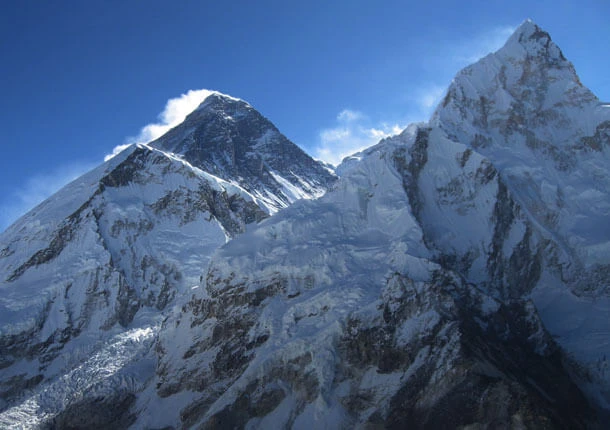
The Aerial Pilgrimage: Everest Mountain Flight is a high altitude, low effort experience for those who want to see the roof of the world without any trekking. The price tag for the flight is $200 to $250 USD per person. It is a fixed government regulated price for foreign nationals, which includes the flight ticket and typically the private van transfers to and from the Kathmandu domestic airport. For the Everest flight cost, you are paying for the guaranteed window seat on a pressurized aircraft and an hour journey where you get introduced to none other than Everest and other 8,000m giants like Lhotse and Makalu. More than anything, it is an investment in awe, being in the presence of the highest peaks on Earth.
The Jungle Odyssey: Chitwan Jungle Safari cost is more variable than the flight, as it involves permits and specialised guiding. The price tag is $150 to $225 for two days: National Park Permit ($20 per day), Private Jeep Safari ($200 per Jeep), Expert Naturalist Guide ($45 per day), Canoe and Cultural Dance ($20 per person).
Between the two, the hidden costs to consider are the flight's risk; if the weather condition is poor, you get a full refund, but lose the legacy moment, the extra spending on elephant breeding center visits or specialised bird watching guides.
Investing in the Intangible: Budgeting for Sacred Souvenirs
While travelling through Nepal, a souvenir from different places acts as a sacred anchor. Each item you bring home from this trip serves as a vessel for the culture, tradition, and religion you experienced on the road. Although it is not mandatory at all, planning for these intangibles in Kathmandu Pokhara Chitwan package cost is about creating a travel legacy that turns your living space into a sanctuary of memory from one of the diverse and culturally rich countries in the world, known as Nepal.
In the capital city, you can invest in a Thangka Painting, an intricate, sacred Tibetan Buddhist scroll featuring mandalas, deities, meditation, or spiritual instruction. These are not mere art, but considered roadmaps to enlightenment. In the nearby cities like Patan and Bhaktapur, you can buy Hand Hammered Singing Bowl, which are blessed by the vibration of seven metals and miniature Peacock Window, which are replicas of the 15th century masterpieces.
Similarly, in ridges like Nagarkot and Dhulikhel, the souvenirs are aromatic and tactile, which reflects the crisp mountain air. The places are famous for Wild "Mad" Honey and Orthodox Tea collected from high altitude cliffs. Mad Honey, available only in Nepal, is a type of honey that contains grayanotoxins produced from the nectar and pollen of the genus Rhododendron and is a legendary tonic for wellness. Orthodox Teas are traditional teas produced using hand processed methods such as plucking, withering, rolling, and oxidation.
Places like Gorkha, Palpa, and Pokhara are full of souvenirs representing bravery and the vibrant colours of the Nepali spirit. In Gorkha, you can buy a Khukuri Knife, which is not just a weapon, but a symbol of Gurkha bravery and heart. It is a national weapon of Nepal and is synonymous with the honour, courage and martial prowess of the Gurkha soldiers. In Palpa, secure a length of Palpali Dhaka Fabric, a hand loomed cloth which is the national textile of Nepal, perfect for a legacy shawl or waistcoat. Also, in Pokhara, you will find Shaligrams; an ancient ammonite fossils from the Kali Gandaki River, worshipped as a manifestation of the Hindu God Lord Vishnu.
Likewise, in low regions like Chitwan, invest in Dhakiya (Elephant Grass Baskets), made by Tharu women. Each pattern tells a story of the jungle, and buying them will directly help in women's empowerment. In Lumbini, you can purchase a Bodhi Seed Mala. These are prayer beads harvested near the Buddha's birthplace and are used for mantra recitation, meditation, and spiritual grounding.
The What If Fund: Insurance and Emergencies
The safety and peace of mind define a legacy focused holiday rooted in tradition, culture, and religion. While this form of Nepal Adventure does have a high altitude risk of a 6000m climb, a 1,000km road circuit across distinct terrain still requires a specialized safety net. The added What If Fund in your Taste of Nepal Adventure Tour Cost is your financial and logistical insurance policy against the unpredictable.
As your itinerary includes a jungle safari and river rafting, standard travel insurance may not be enough. For the proper safety net, your policy should include a medical evacuation that ensures coverage for both ground and air evacuation and an altitude clause that covers you up to 3,000m to include the ridges of Nagarkot and the Everest Flight.
Additionally, separate an emergency cash fund up to $1000, as even with top tier insurance, you need immediate access to cash in some emergencies, especially medical emergency and processing insurance might take a while. By establishing your What If fund, you transform a potentially stressful situation into a managed one. It allows you to focus on the journey, knowing that your well being is anchored in a solid financial and logistical foundation.
The Gratitude Guide: Decoding Tipping for Guides and Drivers
In Nepali culture, there is a profound saying: Atithi Devo Bhava, meaning the Guest is God. For 15 days on your comprehensive Nepal loop, your guides and drivers will treat you with this divine hospitality. Adding the gratitude guide is designed to help you navigate the delicate etiquette of returning that kindness through tipping.
It is very important to understand from the outset that Tipping in Nepal is not mandatory. It is not a legal requirement, nor is it automatically added to your contract. Considering and adding tipping amount in your budget plan for Kathmandu Pokhara Chitwan package cost is entirely a gesture of love and gratitude to the people who ensured your legacy journey was safe, spiritual, seamless and educational.
When you offer a tip, you are acknowledging the intangible value your team provided. The driver who navigated the Road to Resilience through the winding ridges, the guide who decoded the cultural, historical and religious harmony in each place, and an assistant who ensured your safety and comfort during rafting, canoeing and the jungle safari.
Tipping is a personal reflection, and to keep the experience dignified, it is best to tip your main guide and river on the final evening in Kathmandu or at the airport before departure. Place the cash in an envelope, which makes the gift feel less like a transaction and more like a ritual of gratitude. You can also make them more comfortable by giving them the envelope in private rather than in front of people, and when handing it, use your right hand with your left hand touching your right elbow, which is a sign of supreme respect in Nepal.
Remember, a tip in Nepal is a Thank You for a job well done. While the money is appreciated, a sincere thank you or a promise to recommend them to others is often valued just as much as the cash itself.
The Calendar Premium: How Seasonality Shifts the Bill
In the world of travel, the calendar is as much a financial tool as it is a weather map. For this cultural tour, the 15 Days Nepal Adventure Tour Cost varies along with the seasons. Understanding the Calendar Premium is essential for budgeting, as the prices of luxury hotels and private buses can shift significantly based on when you choose to go.
The peak seasons like autumn and spring, which are considered the Golden Windows of Nepal because of clear skies and manageable weather, often demands higher budget. Many heritage hotels in Pokhara, Nagarkot, and Dhulikel often apply a 15 to 25% "Peak Season" markup. Rooms with a direct Himalayan view must be booked months in advance. Also, with thousands of travelers arriving can lead to a scarcity of high quality private van which often causes higher daily rates for the most experienced drivers. The festival spike is also a huge factor. If your trip coincides with Dashain or Tihar (October/November), domestic flight prices and vehicle rentals can surge due to local holiday demand.
You can always opt for the winter discount, as it is the best kept secret for the budget conscious traveler. Since this is a non trekking holiday that stays in the mid hills and lowlands, the cold is manageable, and the savings are substantial. The off season Nepal discount can help you to have affordable luxury heritage stays and low occupancy travel perks.
Pro Tip: Avoid summer as it coincides with the rainy season. Driving all 15 days in the rainy season can be affected by possible flood and landslide scares.
Beyond Dollars: The Memories That Define the Journey
As you close the ledger on the Taste of Nepal tour price, a profound realisation emerges: the most significant part of the Nepal adventure tour cannot be found on a receipt. While you have meticulously calculated the calendar premium, the UNESCO entry fees, and the logistics of a private van tour in your Taste of Nepal tour price, these figures are just the scaffolding for a much deeper architecture, which is the construction of a lifelong Travel Legacy.
When you return home, your mind will not drift back to the price of a hotel in Pokhara or the cost of a meal in Chitwan. Instead, your internal spirit fund will be overflowing with intangible dividends that far outweigh the initial investment. For example, the $297 for an Everest Mountain Flight eventually fades into the background, replaced by the jaw dropping awe as you see the Mother of the World, also known as the mighty Mount Everest. The cost of a private chauffeur is forgotten the moment you find yourselves laughing together while navigating a winding ridge in Gorkha or watching a rhino emerge from the mist in Chitwan.
Whether you travel during the peak season premium or find the secret winter discount, the memories remain constant. This no trekking odyssey is a gift to your future self; an investment in a version of you that is calmer, more grounded, and deeply reconnected to your soul. From the literal taste of a spiced Dal Bhat in a Kathmandu kitchen to the vibration of a singing bowl in a Lalitpur workshop, every dollar spent was a seed planted in the fertile soil of your memory. Don't just count the cost but measure the meaning.
Your "Taste of Nepal" is priceless. Are you ready to take the first step?