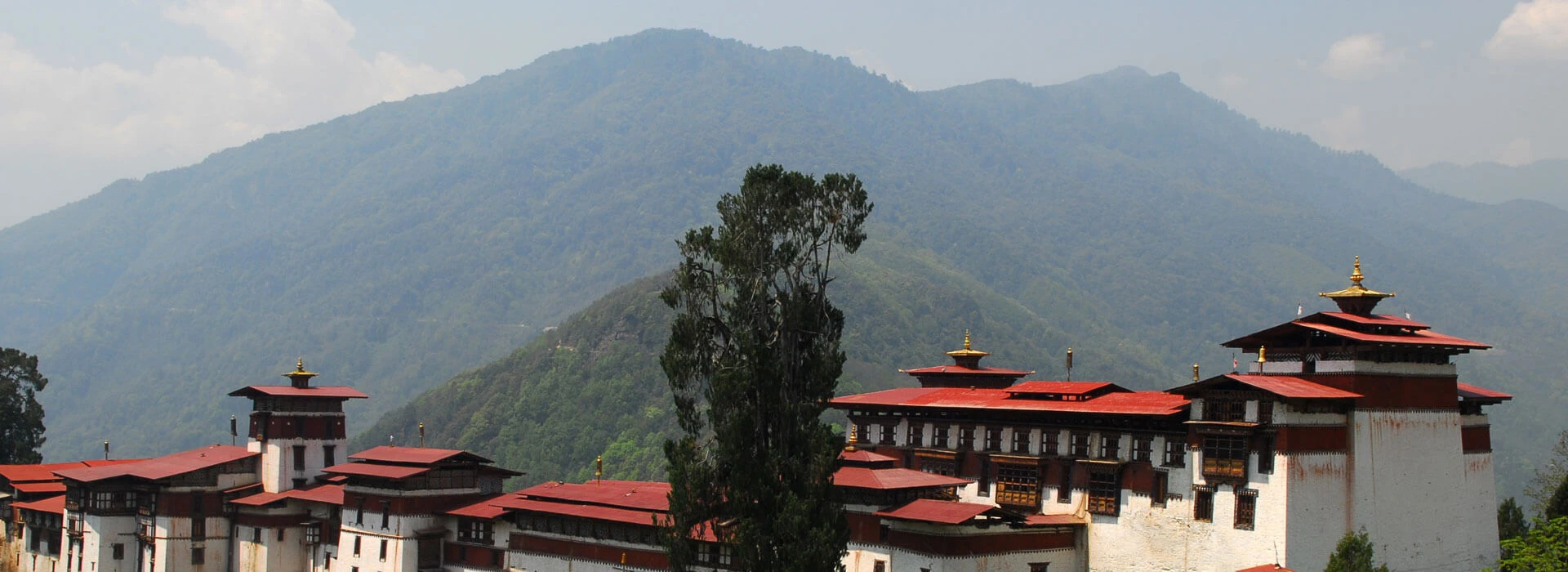
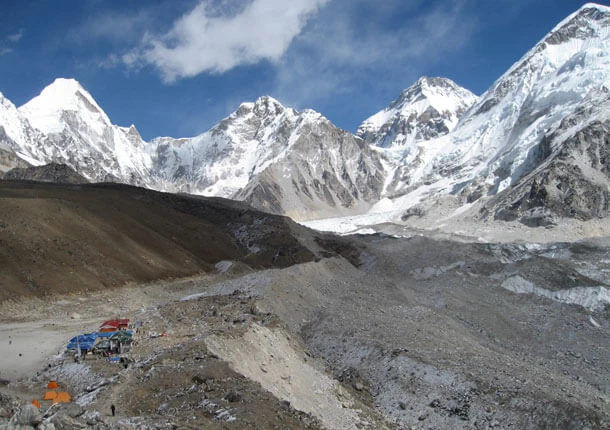
Bhutan in Spring: Blooming Valleys and Clear Himalayan Views
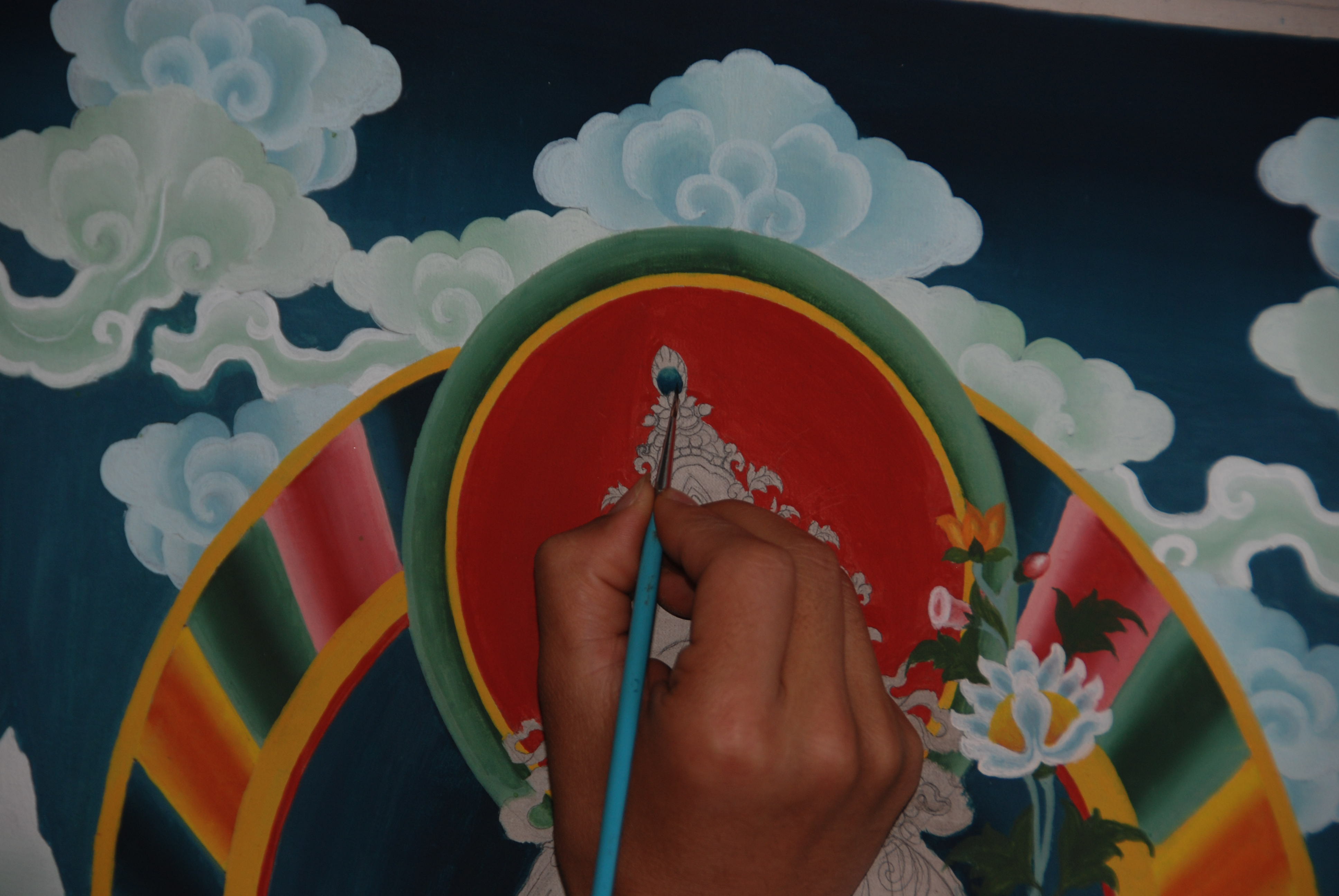
Few seasons capture Bhutan's charm quite like spring. As winter's chill fades between March and May, the kingdom wakes up in color: hillsides burst into bloom, mountain views sharpen under clear skies, and the valleys hum with festival life. It's no surprise spring is one of the most popular times to visit, offering a rare balance of comfortable weather, vivid scenery, and rich cultural experiences all at once.
Spring Weather in Bhutan: Temperatures and Rainfall
Spring weather in Bhutan is generally mild and forgiving. Daytime temperatures in Paro and Thimphu typically sit between 12 and 20°C, growing warmer as May approaches, while mornings and evenings stay cool, sometimes dipping to 4 or 7°C. Rainfall stays light through March and April, and the skies tend to remain clear, though by May occasional afternoon showers start creeping in as the season edges toward monsoon. For trekkers, this stretch of mild days, dry conditions, and open mountain views makes spring one of the most rewarding times of year to be on the trail.
Nature in Full Bloom
This is the season Bhutan's landscapes are best known for. Rhododendrons, the country's national flower, blanket entire hillsides in shades of pink, red, and white, while magnolias and wildflowers fill in the forest understory below. Valleys turn a deep, saturated green as rice paddies and farmland stir back to life after winter, and the trekking trails wind through forests that seem to grow a little fuller and more colorful with each passing week from March into May.
Best Places to Visit in Spring
- Paro for its blooming valleys and access to the Tiger's Nest hike
- Thimphu, Bhutan's capital, is easily accessible for spring festivals.
- Punakha, where jacaranda trees bloom around Punakha Dzong and rivers open up for rafting
- Phobjikha Valley, lush and quiet, a peaceful break from the busier western circuit
- Bumthang, Bhutan's spiritual heartland, particularly rewarding in late spring
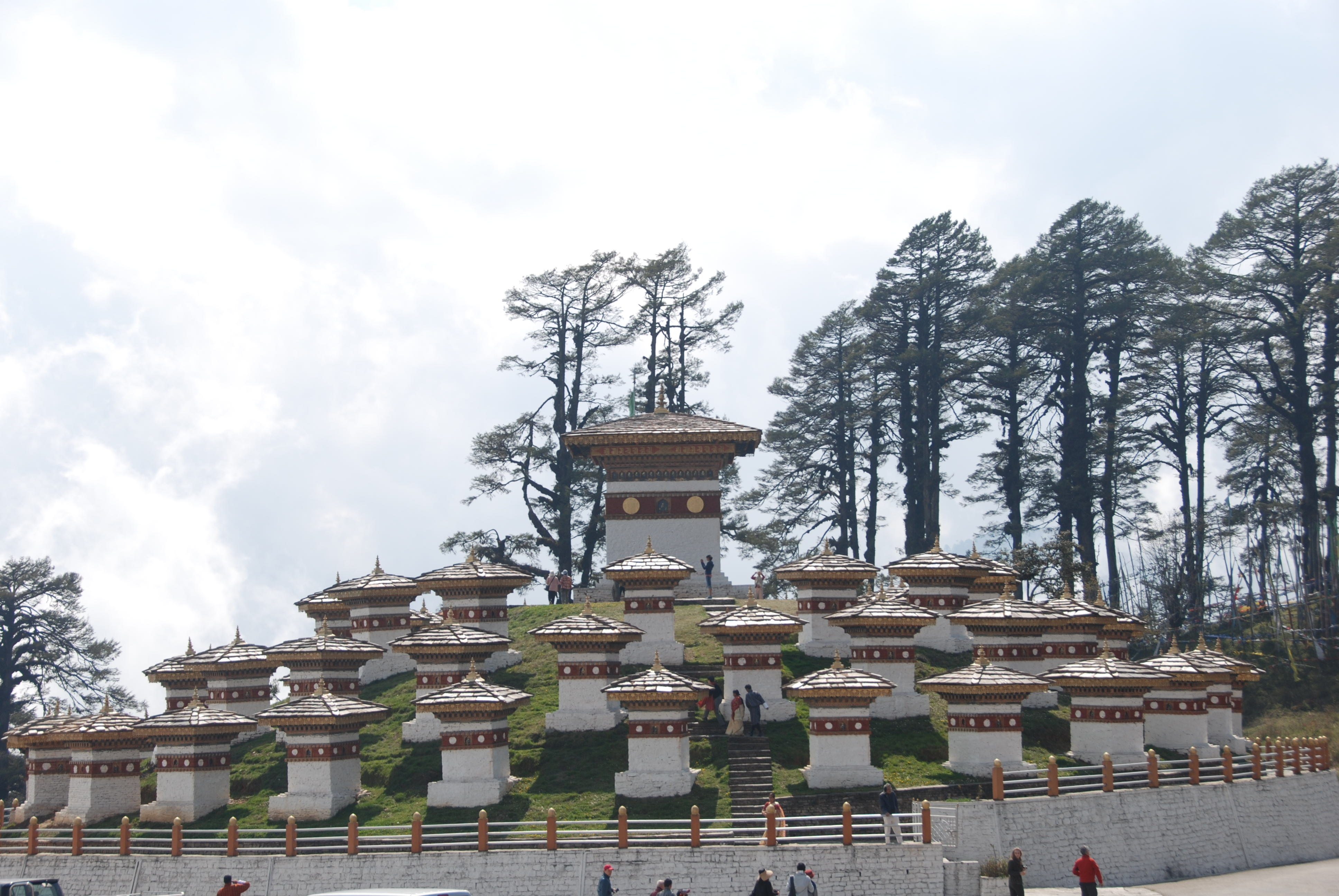
- Dochula Pass, for clear sky Himalayan views on a good day
Spring Festivals in Bhutan
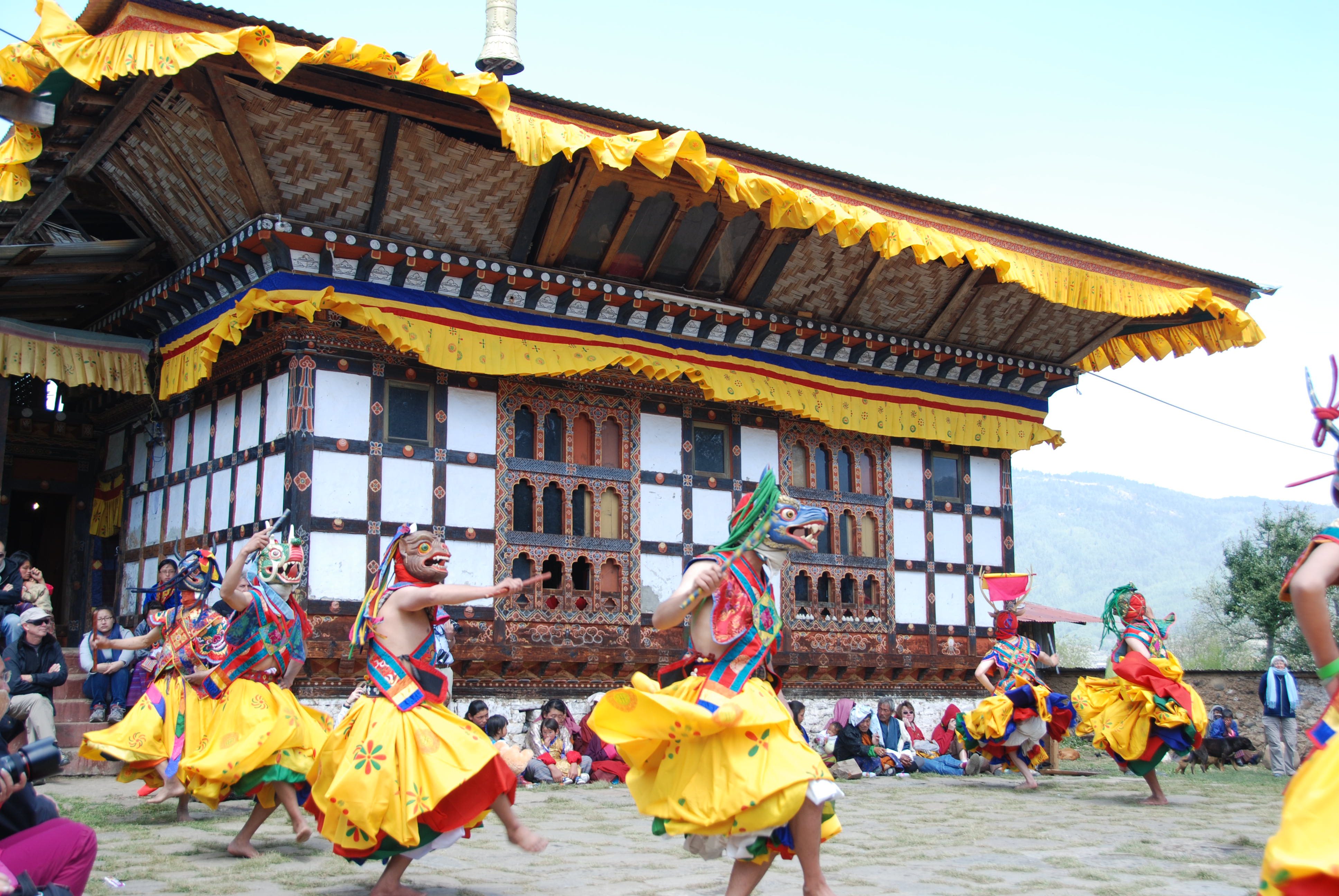
Spring is also festival season, and few events capture Bhutanese culture quite like Paro Tshechu, held in late March or early April. It's one of the country's most celebrated religious festivals, drawing crowds for its masked Cham dances, elaborate traditional dress, and the ceremonial unfurling of a giant thangka.
Later in spring, the Ura Yakchoe festival unfolds in the Bumthang region, typically between late April and early May, though its exact dates shift each year with the Bhutanese lunar calendar. It's a quieter, more traditional affair centered on a sacred relic blessing rather than tourist crowds and is worth seeking out for travelers who want a deeper, less commercial festival experience.
Visitors heading toward eastern Bhutan in early spring might also time their trip around Gomphu Kora, usually held in March near Trashigang, which commemorates the victory of good over evil through ritual and celebration.
If visiting in spring, consider planning the journey around Paro Tshechu, one of Bhutan's most celebrated religious festivals, where centuries old Cham dances, colorful traditional attire, and sacred ceremonies offer remarkable insight into Bhutanese culture. A dedicated Bhutan festival tours guide covers planning a trip around any of the country's Tshechus in more detail.
Best Things to Do in Spring
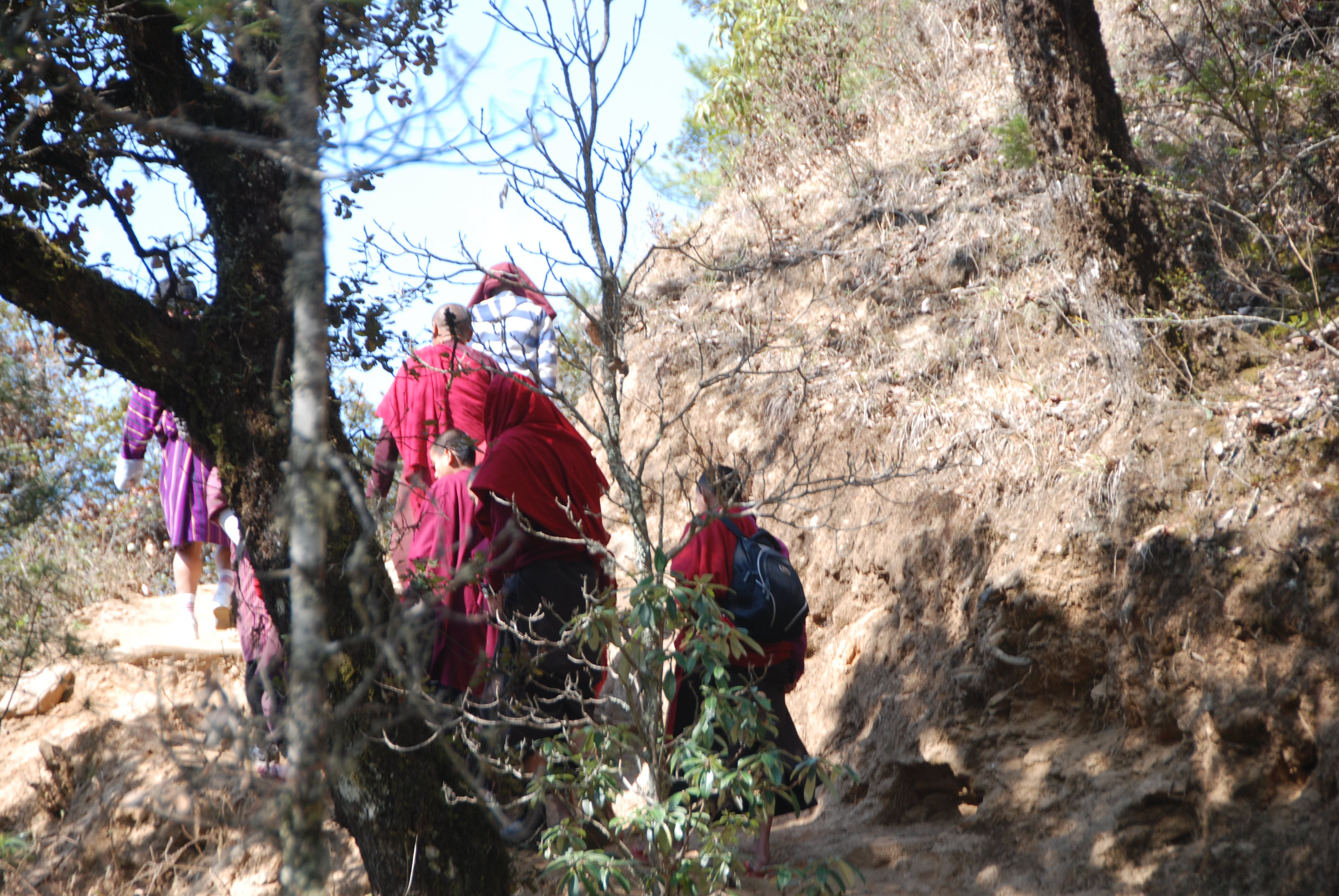
Spring rewards travelers who want to combine culture with the outdoors. The hike to Tiger's Nest Monastery is a natural highlight, especially with blooming hillsides along the route, and it pairs well with cultural sightseeing at dzongs and monasteries around Paro and Thimphu. The mild weather also makes it a wonderful time for gentle valley walks, photography, and short treks, with higher altitude routes becoming more accessible as the season progresses. A full Tiger's Nest guide covers the hike itself in more depth, from difficulty to timing.
Wildlife in Spring
The animals that live in the forests come back to life as the trees do. Spring is an excellent season for birdwatching, with migratory and resident species becoming noticeably more active alongside the blooming landscape. Butterflies emerge in large numbers too, adding another layer of color to an already vivid season and making the season a rewarding time for nature photographers as much as for birders.
Photography in Spring
Spring offers some of the richest photography conditions of the year, with clear Himalayan panoramas, blooming rhododendrons and magnolias, and the vibrant pageantry of festival season. Early morning and late afternoon light tends to be especially soft and golden, ideal for capturing both landscapes and portraits during festival gatherings.
Packing Tips for Spring
- Light layers for daytime warmth
- A warm jacket for cool mornings and evenings
- Sunscreen and sunglasses, since UV is strong at altitude
- Comfortable, broken in hiking shoes
Is Spring Right for You?
Spring tends to suit a wide range of travelers. It's especially well matched to first time visitors, festival lovers, photographers, and nature lovers, as well as families and anyone planning a short trek rather than a longer high altitude expedition.
Bhutan in Summer: Monsoon Rains, Lush Valleys, and Fewer Crowds
Is Bhutan even worth visiting during the monsoon? It's a fair question, and the honest answer is yes, just for a different kind of trip. Summer, running from June through August, trades clear mountain panoramas for something quieter: misty valleys, swollen rivers, and a version of the country that most travelers never see. The rain does shape the experience, but it doesn't ruin it. For the right traveler, it might actually be the best time to go.
Summer Weather in Bhutan: What the Monsoon Actually Looks Like
The monsoon arrives in stages rather than all at once. Early June still carries some of spring's dryness, with daytime temperatures reaching into the low 20s°C in central Bhutan and closer to 30°C in lower lying western valleys like Punakha. By late June, the rains intensify, and July becomes the warmest and wettest month of the year, with certain regions of the country recording hundreds of millimeters of rainfall.
The good news is that showers tend to cluster in the late afternoon and overnight, which means mornings are often clear enough for sightseeing before the clouds roll back in. August follows a similar pattern, slightly drier than July but still firmly within the monsoon season, before the rains begin to taper off in September.
A Landscape Transformed
Summer is when Bhutan turns fully green. Terraced rice fields deepen into vivid emerald, forests thicken, and waterfalls that barely trickle in drier months come rushing down the hillsides at full force. Wildflowers continue to bloom throughout the season, and low hanging mist drifts through the valleys, imparting an entirely different mood to even familiar places, like Punakha Dzong or the hills above Thimphu, than they have in spring or autumn. It's less a season for wide open mountain views and more one for atmosphere.
Best Places to Visit in Summer
- Punakha, where the rivers swell and the dzong sits beautifully against a backdrop of rain fed green hills
- Thimphu, still fully accessible for monasteries, museums, and local markets
- Paro, home to the Tiger's Nest and calm enough in summer to explore without the peak season crowds
- Bumthang, particularly atmospheric under monsoon cloud cover
- Phobjikha Valley, quiet and green, well suited to slower nature walks
Festivals and Cultural Life in Summer
Summer isn't festival season in the way spring and autumn are, but it isn't empty either. Nimalung Tshechu in June and Kurjey Tshechu in late June both bring color, music, and masked dance to central Bhutan, and neither draws the crowds that Paro's or Thimphu's tshechus do. Smaller local festivals also pop up in towns and villages throughout the season, often without much notice outside Bhutan, which makes stumbling onto one feel more like a discovery than a scheduled stop on a tour.
Best Things to Do in Summer
Long high altitude treks are not ideal during this season, as trails become muddy and higher passes may be unreliable. What summer does offer is slower, more immersive travel: valley walks, dzong and monastery visits, village and farmhouse experiences, and time spent simply absorbing daily Bhutanese life at a pace that busier seasons don't allow. Summer is also an excellent season for someone who wants to experience Bhutan's quieter side flying from Kathmandu. While occasional rain showers are expected, the country's monasteries, valleys, and cultural attractions remain rewarding to explore, especially for those planning their first visit to Bhutan.
Wildlife in Summer
The rains bring their kind of abundance. Rivers run high and fast, making the season a good stretch for fishing in permitted areas, while the extra moisture supports a burst of plant life, including rare high altitude medicinal herbs. It's a rewarding season for anyone interested in Bhutan's biodiversity beyond the more commonly spotted birds and mammals of drier months, though leeches are common in damp forest areas and worth planning around.
Photography in Summer
Monsoon light has a drama that clearer seasons don't offer. Shifting mist, heavy clouds, sudden breaks of sun after rain, and rivers and waterfalls at their fullest all create striking conditions for photographers willing to work around the weather rather than against it.
Packing Tips for Summer
- Waterproof jacket and a compact umbrella
- Quick dry clothing, since humidity makes things slow to air out
- Waterproof or well treated hiking shoes
- Insect repellent, particularly for lower valleys and forested areas
Is Summer Right for You?
Summer suits travelers more interested in culture and atmosphere than mountain panoramas: those chasing fewer crowds, better rates, immersive village experiences, or photography with a moodier edge. It's less suited to anyone whose main goal is a long high altitude trek or guaranteed clear sky views.
Bhutan in Autumn: Golden Valleys and Peak Festival Season
Autumn is Bhutan at its most confident. From September through November, the monsoon clouds clear out, the Himalayas reappear on the horizon, and the country's biggest cultural events take center stage. If there's one season built for a Bhutan culture tour, this is it, and it's exactly why autumn draws more visitors than any other time of year.
Autumn Weather in Bhutan: Clear Skies and Cool Temperatures
The shift happens fast. By early October, the monsoon has retreated, and the air turns crisp and clean. Daytime temperatures in the central valleys hold around 18 to 22°C through October, cooling into the mid teens by November. Nights are noticeably cold from the start of the season, and by late November they're properly cold, especially at higher elevations. What autumn delivers in exchange is reliability: dry trails, minimal rainfall, and mountain views that stay uncovered for days at a time. From high passes like Dochula, the eastern Himalayas often stretch across the entire horizon on a clear morning.
Why Autumn Is the Best Time to Visit Bhutan for Trekking
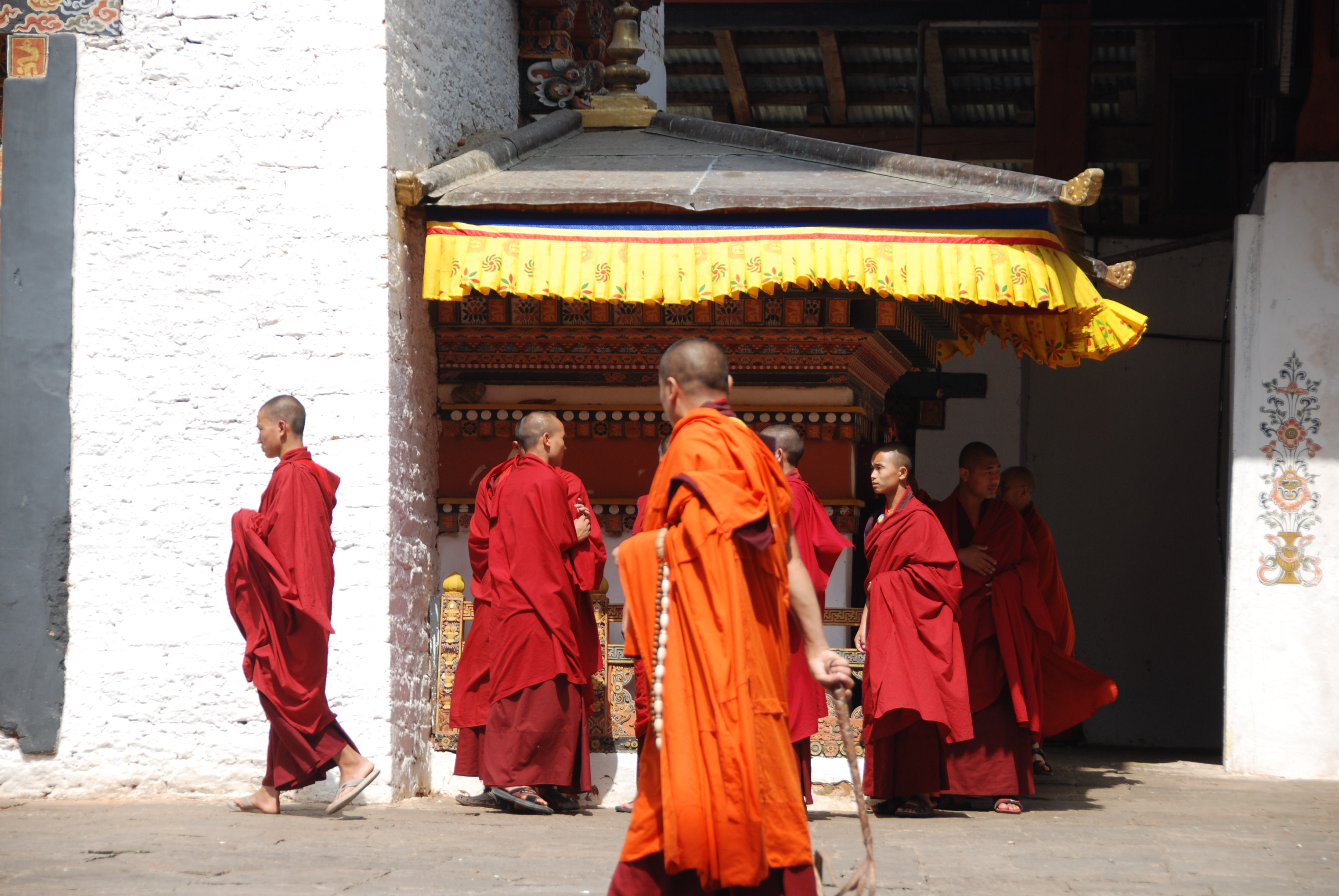
Dry ground. Clear skies. Stable weather that holds for weeks rather than shifting daily. This is why September through November ranks among the two best trekking windows of the year, alongside spring. Trails that turned to mud in the monsoon firm back up, visibility improves at altitude, and the light itself takes on a sharper, cleaner quality that photographers plan entire trips around.
Top Autumn Festivals in Bhutan
Autumn is when Bhutan's festival calendar peaks. Thimphu Tshechu, held in late September or early October, is the country's largest and most attended festival, filling the Tashichhodzong courtyard with masked cham dances, elaborate costumes, and days of communal celebration. Jambay Lhakhang Drup follows in late October or November at one of Bhutan's oldest temples, drawing both pilgrims and travelers for its sacred fire ceremony. And in Phobjikha Valley, the arrival of the endangered black necked cranes each November is marked by its own celebration, the Black Necked Crane Festival, blending conservation awareness with folk performance and even crane costumed dances by local schoolchildren.
Best Places to Visit in Autumn
- Thimphu, for Tshechu season and the busiest cultural calendar of the year
- Paro, with clear skies ideal for the Tiger's Nest hike
- Phobjikha Valley, home to the black necked cranes and their namesake festival
- Punakha, where rice fields turn gold at harvest time
- Bumthang, for Jambay Lhakhang Drup and its sacred fire ceremony
- Dochula Pass, at its most reliable for panoramic Himalayan views
Best Things to Do in Autumn
Trekking tops the list, but it's far from the only draw. Festival going alone justifies a trip in this season, and it pairs naturally with valley walks, dzong visits, and photography focused on the golden harvest landscape. For wildlife minded travelers, timing a visit around November puts Phobjikha's crane migration within easy reach.
Wildlife in Autumn
November belongs to the black necked cranes. Up to several hundred arrive in Phobjikha Valley to winter there, migrating over the Himalayas from Tibet, and their arrival is one of Bhutan's most distinctive wildlife events. Beyond the cranes, clearer skies and drier trails make autumn a strong season for spotting other birdlife and wildlife more broadly across the country's forests.
Photography in Autumn
Autumn light is often described as the sharpest of the year, and it's easy to see why once you're there. Golden rice fields, clear Himalayan backdrops, festival colors, and crisp air combine to make autumn the season most photographers point to as Bhutan's best.
Packing Tips for Autumn
- Layered clothing for warm days and cold nights
- A proper warm jacket for evenings and higher altitudes
- Sunglasses and sunscreen for high UV, clear sky days
- Sturdy trekking shoes broken in before the trip
Is Autumn Right for You?
Autumn suits trekkers, festival goers, photographers, and anyone who wants Bhutan's most reliable weather and its biggest cultural moments in the same trip. It's the busiest season, so it's less suited to travelers who prioritize solitude or flexible last minute booking.
Bhutan in Winter: Snow Dusted Peaks, Clear Skies, and a Country to Yourself
Winter is the season most travelers skip, and that's precisely its appeal. From December through February, Bhutan empties. Gone are the autumn crowds, prices drop, and the country settles into a slower, more personal pace. What's left behind is a version of Bhutan defined by cold, clear air, snow capped peaks, and long, uninterrupted views that the busier seasons rarely offer.
Winter Weather in Bhutan: Snow, Cold, and Clear Mountain Views
Winter temperatures vary sharply by location. In Paro and Thimphu, daytime highs typically sit between 10 and 15°C, but nights are cold, often dropping close to freezing and sometimes below it. Punakha, at a lower elevation, stays noticeably milder, with daytime temperatures that can reach the high teens or even 20°C, making it a comfortable base when the western valleys turn chilly.
Snowfall touches the higher passes and mountain regions, occasionally dusting Dochula Pass and the hills above Thimphu, but the valleys themselves rarely see much accumulation. What defines the season more than the cold is its clarity. Rainfall drops to near nothing, humidity disappears, and the skies stay reliably blue, delivering some of the sharpest Himalayan views of the entire year.
Winter Festivals and Cultural Experiences
Winter festivals trade scale for intimacy. Druk Wangyel Tshechu, held every December 13th at Dochula Pass, stands out for being performed not by monks but by the Royal Bhutan Army, set against a backdrop of stupas and snow dusted peaks. Later in the month, Trongsa Tshechu and Lhuentse Tshechu take place in central and eastern Bhutan, providing a much quieter and more local festival experience than the bustling crowds of autumn.
By February, the calendar shifts toward Punakha Drubchen and Punakha Tshechu, which reenact a 17th century military victory with masked dance and mock battle, and toward Losar, the Bhutanese lunar new year, celebrated with family gatherings and feasting across the country.
Wildlife Watching in Winter
Early winter still marks the end of the black necked crane season in Phobjikha Valley, providing December visitors with one last opportunity to observe them before they migrate. Beyond the cranes, winter's quieter trails and forests make it a rewarding time for broader wildlife spotting, and travelers heading toward Bhutan's southern parks may also have a chance at tiger territory, though sightings remain rare.
Best Places to Visit in Winter
- Punakha, the warmest and most comfortable base for winter travel
- Paro, cool but clear, still fully accessible for the Tiger's Nest hike
- Thimphu, quiet and uncrowded, ideal for unhurried cultural sightseeing
- Dochula Pass, at its most photogenic under snow and clear skies
- Phobjikha Valley, for late season black necked crane viewing
Is Winter a Good Time to Visit Bhutan? Weighing the Pros and Cons
The case for winter is strong: lower prices, fewer crowds, the clearest mountain views of the year, and a more personal, unhurried way to experience Bhutan's dzongs and monasteries. The trade offs are real too. High altitude trekking becomes limited or unsafe, daylight hours shrink, and some eastern regions can be harder to reach if passes see snow. For travelers prioritizing culture, photography, and solitude over long treks, though, winter often ends up being the most rewarding season of all.
Packing Tips for Winter
Heavy insulated jacket, plus warm layers underneath
Hat, gloves, and thermal base layers
Sturdy, warm footwear for cold mornings
Sunglasses, since the winter sun at altitude is deceptively strong
Is Winter Right for You?
Winter suits travelers who want a quieter, more affordable trip built around culture, photography, and clear sky views rather than trekking. It's a strong match for return visitors, photographers chasing snow capped panoramas, and anyone drawn to Bhutan's quieter, less touristed side.
Find the Best Time to Visit Bhutan for Your Travel Style
The best time to visit Bhutan depends on the experiences you're looking for. From trekking and festivals to wildlife, photography, and cultural exploration, each season offers something unique. Choosing the right time ensures a more rewarding and memorable journey through the Last Himalayan Kingdom.
Best Time for Trekking in Bhutan
Picture this. You have been walking since sunrise, your boots crunching over a trail that remains cool from the night, and around midmorning, the trees begin to thin out, revealing an expansive view. Snow capped peaks appear where there was only forest a moment ago, sharp against a sky so blue it looks unreal. This is autumn on the trail, when the monsoon has long since drained away, and the ground has firmed back into something trustworthy underfoot. Trekkers who time their trip for September through November experience this version of Bhutan: dry paths, dependable weather, and views that hold steady for hours instead of vanishing behind clouds.
Spring offers its version of the same magic, just painted in different colors. Trek in April and the trail itself becomes part of the scenery, rhododendron forests blazing pink and red on either side as you climb, the air carrying that particular freshness that only comes after a Himalayan winter has fully let go. Winter narrows the options considerably, rewarding only the hardiest with a handful of lower altitude routes through snow hushed valleys, while summer's monsoon turns most trails to mud and mist, better suited to slower, shorter walks than serious trekking ambitions.
Best Time for Festivals (Tshechus) in Bhutan
Imagine standing in the courtyard of Tashichhodzong as a masked dancer spins into view, his costume a whirl of silk and color, drums rolling beneath him while hundreds of Bhutanese families in their finest traditional dress look on, some praying quietly, others simply soaking in a celebration centuries in the making. This is the Thimphu Tshechu in early autumn, one of the largest and most electric festivals in the country, and it's easy to understand why travelers plan entire trips around it.
A few months earlier, in the courtyard of Paro Dzong, a similar scene plays out on a smaller, no less spellbinding scale, as Paro Tshechu draws crowds beneath crisp spring skies for its procession of Cham dances and the ceremonial unfurling of a giant sacred thangka. Travelers craving something quieter can find it too. Head to the Ura Valley in late spring or to Dochula Pass on a cold December morning to watch soldiers of the Royal Bhutan Army perform in place of monks, and you'll find the same devotion and color, just without the crowds pressing in around you.
Best Time for Photography in Bhutan
There's a particular kind of light that photographers chase across the world, soft, golden, and fleeting, and in Bhutan, autumn hands it to you almost daily. Stand at Dochula Pass on a clear October morning and watch the eastern Himalayas stretch across the horizon in impossibly sharp detail, prayer flags snapping in the breeze in the foreground, terraced fields turning gold in the valley below. It's the kind of frame that ends up printed and hung on a wall.
Winter offers a colder, quieter beauty instead, snow dusting the high passes while the valleys stay clear and sunlit, every shot rendered in crisp, clean air. Spring trades that clarity for color, with rhododendron blooms flooding the frame with pink and red against green hillsides. And then there's summer, unpredictable and moody, where mist rolls through the valleys and breaks apart just long enough to reveal a waterfall thundering down a hillside or a dzong emerging from clouds like something out of a dream, rewarding the photographer patient enough to wait for it.
Best Time for Wildlife Spotting in Bhutan
Late one November afternoon in Phobjikha Valley, if you're lucky, you'll hear it before you see it: a distant, echoing call carried across the marshland, and then, rising over the tree line, the black necked cranes arrive, circling once before dropping gracefully into the valley they'll call home for the winter. Local farmers still leave patches of their fields unharvested for them, a tradition that says as much about Bhutan's relationship with nature as any festival could. Watching that first arrival is one of the country's quiet, unforgettable moments.
Beyond the cranes, spring pulls migratory birds and fluttering clouds of butterflies back into forests that seem to wake up overnight, while summer's rain feeds a wilder, denser abundance of plant and animal life, rivers running full with trout for anyone patient enough to fish them. Bhutan rewards wildlife lovers in every season. It simply asks you to know what you're hoping to see and when it tends to show up.
Best Time to Visit Bhutan by Travel Interest
Travel Interest | Best Season |
|---|
Trekking | Spring & Autumn |
Festivals | Spring & Autumn |
Photography | Autumn & Winter |
Wildlife | Winter |
Budget Travel | Summer & Winter |
Honeymoon | Spring & Autumn |
Families | Spring |
Birdwatching | Winter |
Bhutan Seasons at a Glance: Pros and Cons
Not sure which season fits your trip? Here's a quick side by side comparison before diving into the month by month detail above.
Season | Pros | Cons |
Spring (Mar–May) | Mild weather, blooming rhododendrons, Paro Tshechu, strong trekking conditions | Increasingly crowded and pricier as the season progresses; afternoon showers by May |
Summer (Jun–Aug) | Lush green scenery, fewer crowds, lower prices, good for slow, immersive travel | Heavy monsoon rain, limited high altitude trekking, leeches in forested areas |
Autumn (Sep–Nov) | Clearest skies of the year, best trekking window, biggest festivals including Thimphu Tshechu | Most crowded and most expensive season; hotels and guides book out early |
Winter (Dec–Feb) | Lowest prices, fewest crowds, sharpest mountain views, unique festivals like Druk Wangyel Tshechu | Cold nights, limited high altitude trekking, shorter daylight hours |
Bhutan Seasons at a Glance: Pros and Cons
Not sure which season fits your trip? Here's a quick side by side comparison before diving into the month by month detail above.
Season | Pros | Cons |
Spring (Mar–May) | Mild weather, blooming rhododendrons, Paro Tshechu, strong trekking conditions | Increasingly crowded and pricier as the season progresses; afternoon showers by May |
Summer (Jun–Aug) | Lush green scenery, fewer crowds, lower prices, good for slow, immersive travel | Heavy monsoon rain, limited high altitude trekking, leeches in forested areas |
Autumn (Sep–Nov) | Clearest skies of the year, best trekking window, biggest festivals including Thimphu Tshechu | Most crowded and most expensive season; hotels and guides book out early |
Winter (Dec–Feb) | Lowest prices, fewest crowds, sharpest mountain views, unique festivals like Druk Wangyel Tshechu | Cold nights, limited high altitude trekking, shorter daylight hours |
Bhutan Weather Guide: Month by Month Summary
Bhutan's weather changes throughout the year, with each month offering different landscapes, activities, and travel experiences. This month by month summary provides a quick overview to help you choose the best time for your visit.
Month | Avg. Daytime Temp | Avg. Nighttime Temp | Rainfall | Crowd Level | Best For |
|---|
January | 10–14°C | Near freezing, colder at altitude | Light | Low | Photography, peaceful culture |
February | 14–20°C (warmer in Punakha) | Cold, milder in Punakha | Light | Low–Medium | Festivals, culture, late crane viewing |
March | 14–20°C | 5–7°C | Light | Medium | Trekking, festivals, photography |
April | 16–20°C | ~7°C | Light | High | Trekking, festivals, photography |
May | 17–20°C, rising | 10–14°C | Light–Moderate | Medium | Trekking (early), festivals |
June | 22–30°C | High teens | Heavy | Low | Culture, off peak value |
July | 25–31°C | 19–23°C | Heavy (peak) | Low | Lush scenery, moody photography |
August | 24–28°C | High teens | Heavy | Low | Waterfalls, cultural touring |
September | 18–22°C, cooling | Cooling steadily | Moderate, clearing later | Medium–High | Trekking, festivals |
October | 18–22°C | 8–10°C | Light | High (peak) | Trekking, photography, festivals |
November | Mid teens, cooling | Cold, near freezing at altitude | Light | High | Wildlife, trekking, photography |
December | 10–15°C (warmer in Punakha) | Near freezing to -1°C | Very Light | Low | Photography, culture, low season value |
Note: Most Bhutanese festivals follow the lunar calendar, so exact dates shift year to year. Please check current year festival calendars before booking travel. Also, weather in Bhutan can vary considerably by altitude. While valleys such as Punakha remain relatively warm throughout the year, higher regions like Bumthang and mountain passes experience much colder temperatures, particularly during winter.
Bhutan Seasons: Frequently Asked Questions
What is the single best month to visit Bhutan?
October is generally considered the strongest all around month, combining clear skies, dry trails, comfortable temperatures, and major festival season, though it's also the most crowded and expensive time to travel.
Is monsoon season worth avoiding entirely?
Not necessarily. Summer trades clear mountain views for lush scenery, lower prices, and far fewer crowds, and mornings are often clear enough for sightseeing before afternoon rain sets in. It's a poor fit for high altitude trekking but works well for culture focused, unhurried travel.
When should a Bhutan festival tour be booked?
Ideally several months ahead, especially for Paro Tshechu or Thimphu Tshechu, since exact dates follow the lunar calendar and are confirmed only months in advance while hotel and guide availability tightens quickly once dates are announced.
Can travelers trek in Bhutan during winter?
Higher altitude treks become limited or unsafe in winter, but a handful of lower elevation routes remain open through snow hushed valleys. Spring and autumn remain the two most reliable trekking windows overall.
How crowded does Bhutan get during peak season?
Spring and especially autumn see the heaviest visitor numbers, with hotels and guides booking out well in advance around major festivals. Summer and winter feel noticeably quieter, with far fewer travelers at the same sites.
Does Bhutan have a rainy season to plan around?
Yes, the monsoon runs roughly June through August, with July typically the wettest month. Rain tends to cluster in the afternoons and overnight, often leaving mornings clear enough for sightseeing.
What is the coldest month to visit Bhutan?
January is typically the coldest month, with nighttime temperatures dropping near or below freezing in Paro and Thimphu, though daytime skies usually stay clear and sunny even at the coldest point of the year.
When can travelers see the black necked cranes in Phobjikha Valley?
The cranes typically arrive in November and remain through the winter before migrating back to Tibet by early spring, making November through February the best window for sighting them.
Is spring or autumn better for a first trip to Bhutan?
Both are strong choices. Autumn edges ahead for the most reliable weather and the biggest festivals, while spring offers similar conditions with blooming landscapes and slightly thinner crowds earlier in the season.
Does the Sustainable Development Fee change with the season?
No, the Sustainable Development Fee stays the same year round regardless of season. Seasonal cost differences instead come from hotel rates and flight prices, which rise during peak spring and autumn travel.
What is the cheapest time of year to visit Bhutan?
Winter and summer generally offer the lowest hotel and flight prices, since demand drops outside the peak spring and autumn festival months.
How far in advance should peak season travel be booked?
For spring or autumn departures, especially around major festivals, booking three to six months ahead is a reasonable buffer to secure preferred hotels, flights, and guide availability before the busiest windows fill up.
Choosing Your Bhutan Season
There's no wrong time to visit Bhutan, only a better or worse match for what a trip is actually built around. Spring and autumn deliver the clearest skies, the best trekking conditions, and the country's biggest festivals, making them the strongest all around choice for a first visit. Summer trades that clarity for lush, quiet landscapes and noticeably lower prices, rewarding travelers more interested in culture and atmosphere than mountain panoramas. Winter asks for a bit more tolerance for cold mornings in exchange for the sharpest Himalayan views of the year, the lowest costs, and a country with noticeably fewer visitors in it.
The right approach is to start with what matters most, whether that's trekking, festivals, photography, wildlife, or simply a quieter, more affordable trip, and let that priority point toward the season rather than the other way around. Once the season is settled, the next step is turning that timing into an actual itinerary.
Whether planning a short cultural escape or a longer Himalayan journey, Nepal Nomad designs Bhutan itineraries around the season that best matches each traveler's interests, ensuring every trip makes the most of the country's changing landscapes, festivals, and experiences.