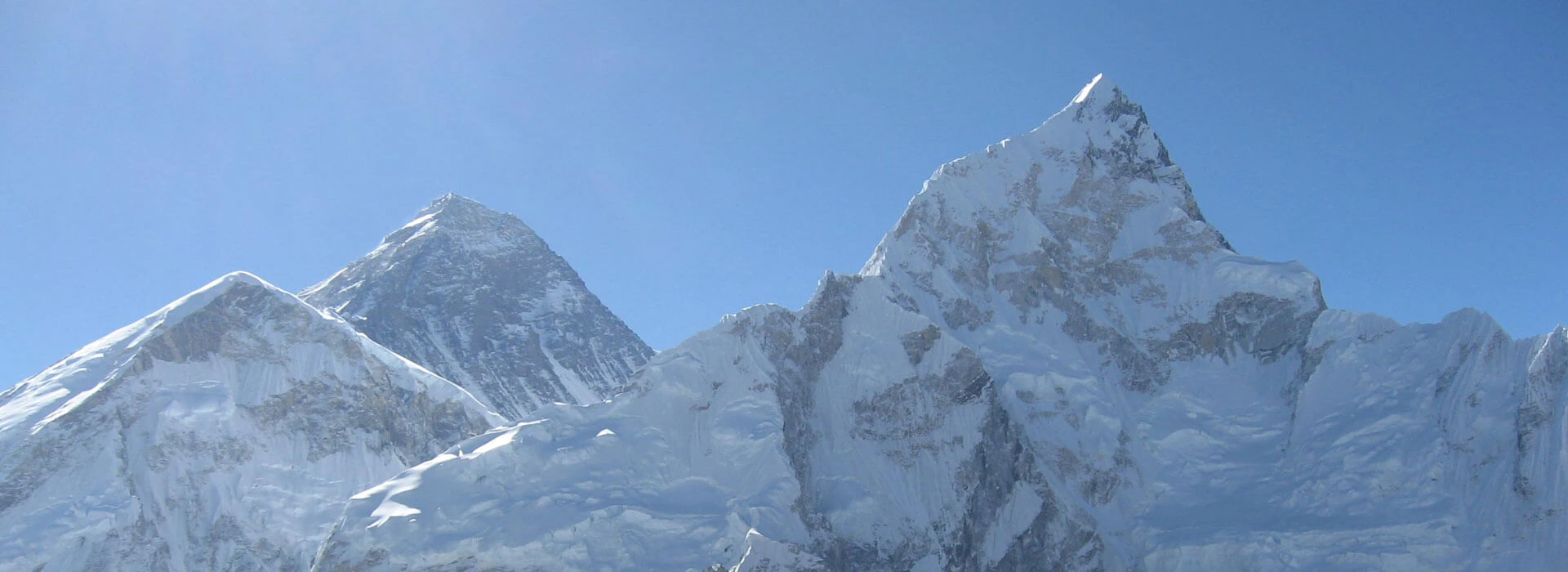
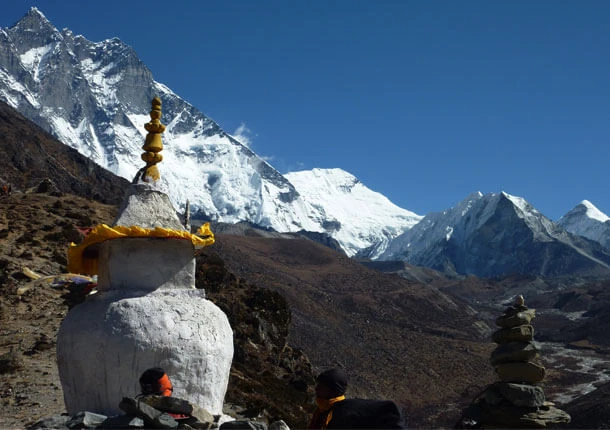
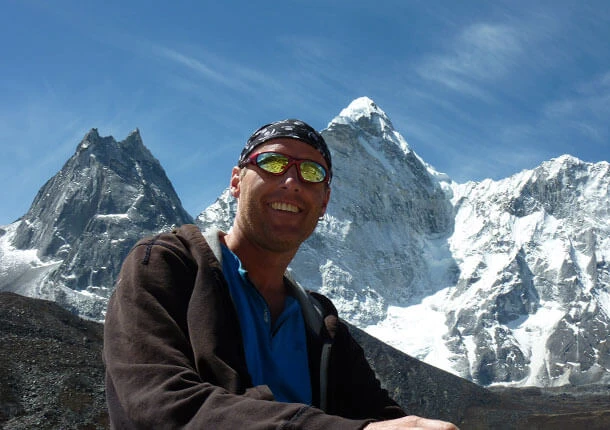
Can Kids and Seniors Really Trek Everest Base Camp Together?
It's a fair question, and one worth answering honestly rather than glossing over with marketing enthusiasm. Yes, a grandchild and a grandparent can genuinely walk the same Everest Base Camp for Kids and Seniors journey together, but success depends entirely on how the trip gets planned, not on hopeful assumptions about either generation's stamina.
The short answer comes down to shared pacing built into a single, coordinated itinerary rather than two separate trips forced into alignment. Nepal Nomad's combined departures assign guides experienced with both age groups, professionals who understand exactly why a nine year old and a seventy year old might struggle with completely different parts of the same day, a child needing more frequent snack and play breaks, an older trekker needing steadier, more deliberate walking rhythms and longer rest stops. Managing both within one group calls for real skill, and it's a large part of why a properly guided multigenerational Everest Base Camp trek works so much better than an informal attempt to combine ages without dedicated planning.
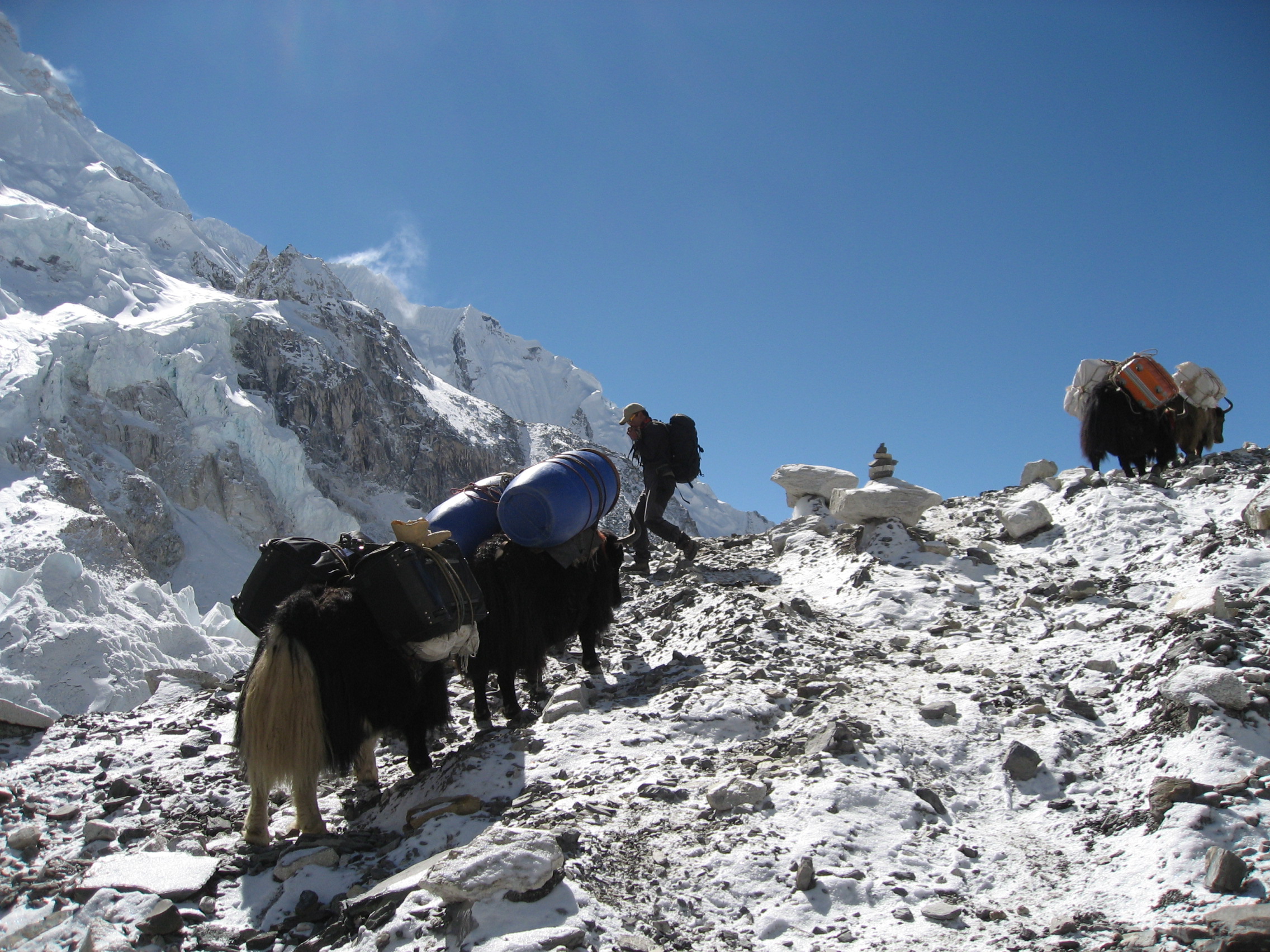
What makes it genuinely possible comes down to a shared truth both generations bring to the trail: neither the youngest member of the family nor its most senior trekker is walking at peak physical capacity by design. Families trekking with kids already build in shorter daily distances, frequent breaks, and extra acclimatization days. Families trekking with seniors follow a nearly identical philosophy: a gentler pace, built in rest, and genuine patience with the mountain. Because a family trek for kids and a family trek for seniors already share so much of the same underlying pacing logic, bringing them together on one combined itinerary is less of a compromise and more of a natural fit.
None of it happens automatically, though. Success on a combined trek depends on open conversation before departure, with every generation in the family being honest about energy levels, physical limits, and what each genuinely wants from the experience, along with a guide willing to adjust the day's plan in real time rather than sticking rigidly to a fixed schedule. With proper planning, an experienced guide, and a willingness to move at whatever pace the day calls for, kids and seniors don't just tolerate walking the same trail together; they often bring out patience and encouragement in each other that neither generation quite offers when trekking alone.
How the Itinerary Balances a Shared Pace for Every Generation
Building a single itinerary around two very different energy profiles takes real planning, and it starts with something both age groups already need independently: a slower, more deliberate daily rhythm. Nepal Nomad structures its multigenerational Everest Base Camp trek around shorter walking distances, frequent breaks, and generous acclimatization days, a foundation already familiar to families trekking with little explorers or senior adventurers separately, now brought together into one coordinated plan.
Daily distances stay noticeably shorter than a standard adult itinerary, giving both the youngest members of the group and mature trekkers plenty of room to move comfortably without racing the clock. Mornings typically start early and cover the more demanding sections while energy runs highest across the whole family, leaving gentler afternoon stretches for when younger legs and older joints both tend to tire.
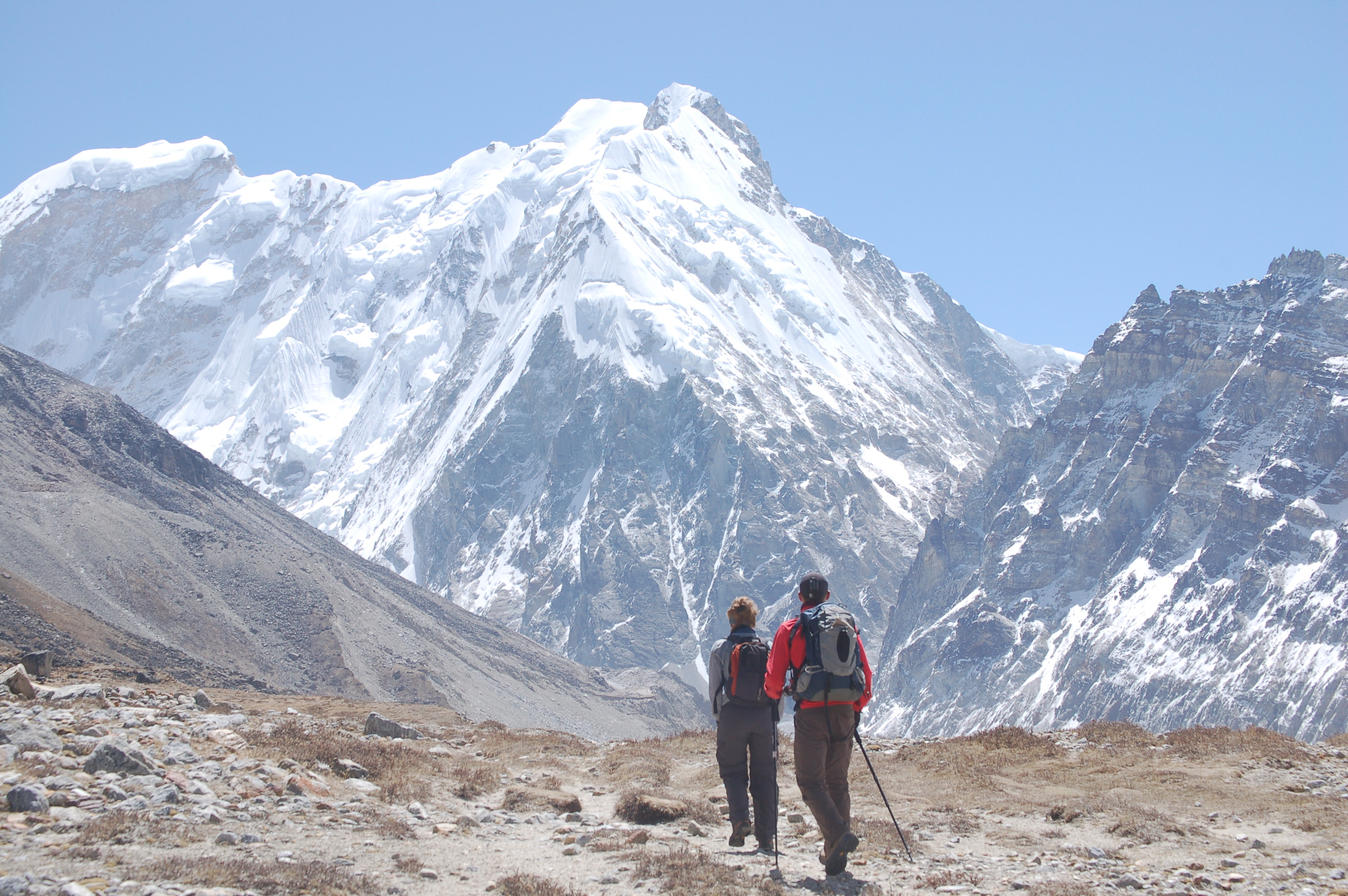
Breaks come often, and for good reason. A grandparent may need a longer pause to catch breath and steady footing on a rocky climb, while a grandchild might need a shorter, more frequent stop to refuel with a snack or simply reset attention span. Guides experienced with multigenerational groups read both signals fluently, building natural rest points into the day rather than sticking rigidly to a fixed schedule.
Acclimatization days carry extra weight on a combined trek, since altitude affects veteran trekkers and youngest trekkers differently, and neither group's adjustment can be rushed. Extra rest stops at Namche Bazaar and Dingboche give every family member, regardless of age, real time to adapt before pushing higher, turning what could feel like downtime into shared exploration instead.
Guide to family ratios matter enormously here too. A properly staffed Everest Base Camp for all ages departure includes enough support to keep an eye on everyone simultaneously; one guide watching for altitude symptoms in an older trekker doesn't mean losing track of a young explorer's energy levels a few steps ahead. Porter support scales accordingly as well, keeping daypacks light for every generation on the trail.
What ultimately makes the itinerary work isn't forcing two paces into one; it's building a single, flexible pace generous enough for both from the very first day. A family trek across generations in Nepal succeeds precisely because the itinerary was designed around patience rather than performance, letting every family member, from grandchild to grandparent, arrive at each stop together, rather than one age group waiting on the other.
What Grandparents and Grandchildren Discover Together on the Trail
Some of the trek's most memorable moments happen not at Base Camp itself, but in the quiet exchanges along the way, a grandparent explaining why prayer flags flutter outside every village, a grandchild pointing out a yak grazing on a hillside neither generation expected to find so charming. Everest Base Camp for Kids and Seniors creates space for exactly these unscripted, shared discoveries, moments no solo trek or single generation group quite replicates.
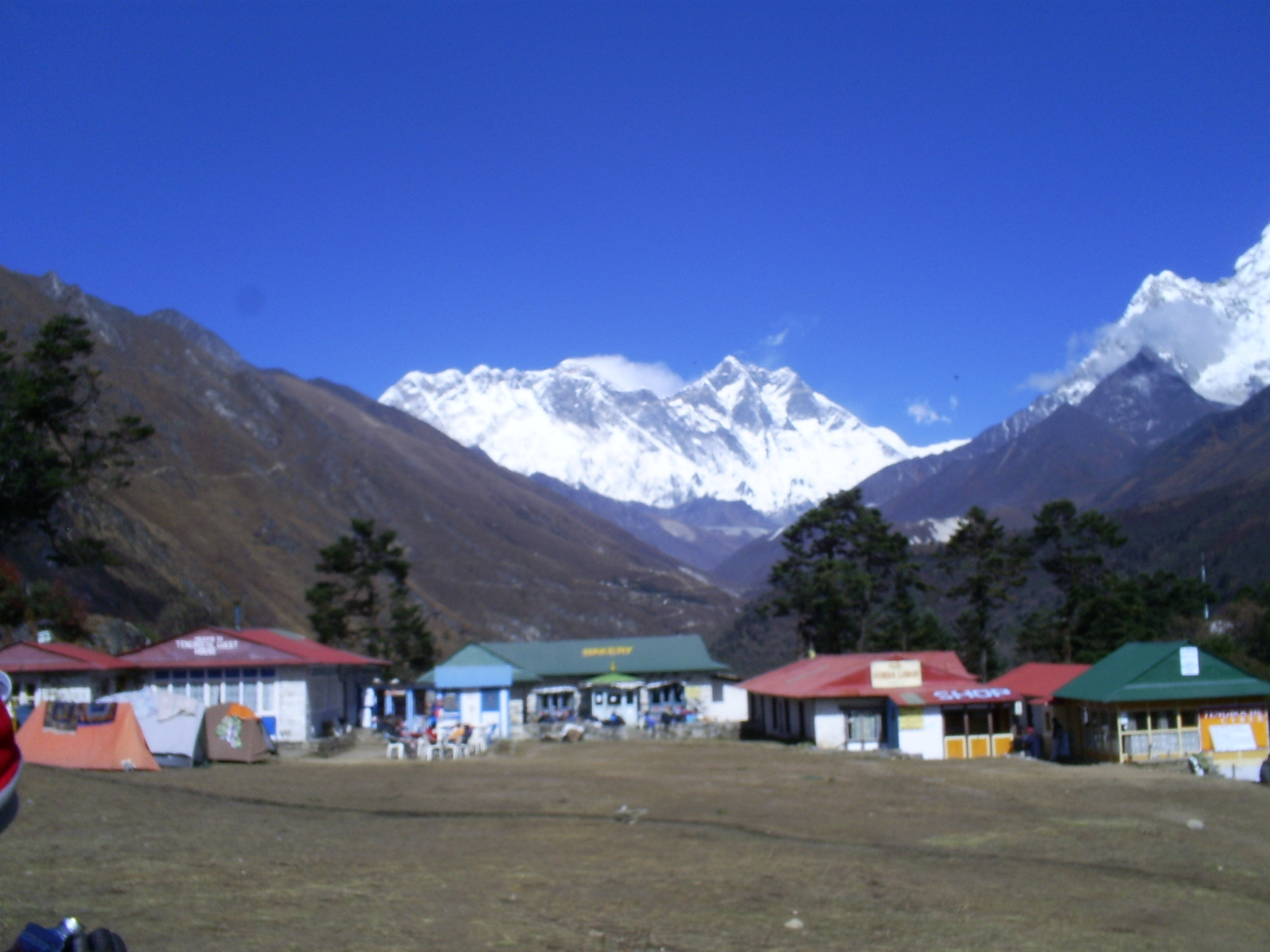
Namche Bazaar's market streets tend to captivate both ends of the family for entirely different reasons. A young explorer gravitates toward the bakeries and colorful shopfronts, wide eyed at a mountain town unlike anything back home, while a mature trekker often finds quiet joy watching daily Sherpa life unfold, honoring decades of curiosity about a culture finally experienced firsthand rather than read about.
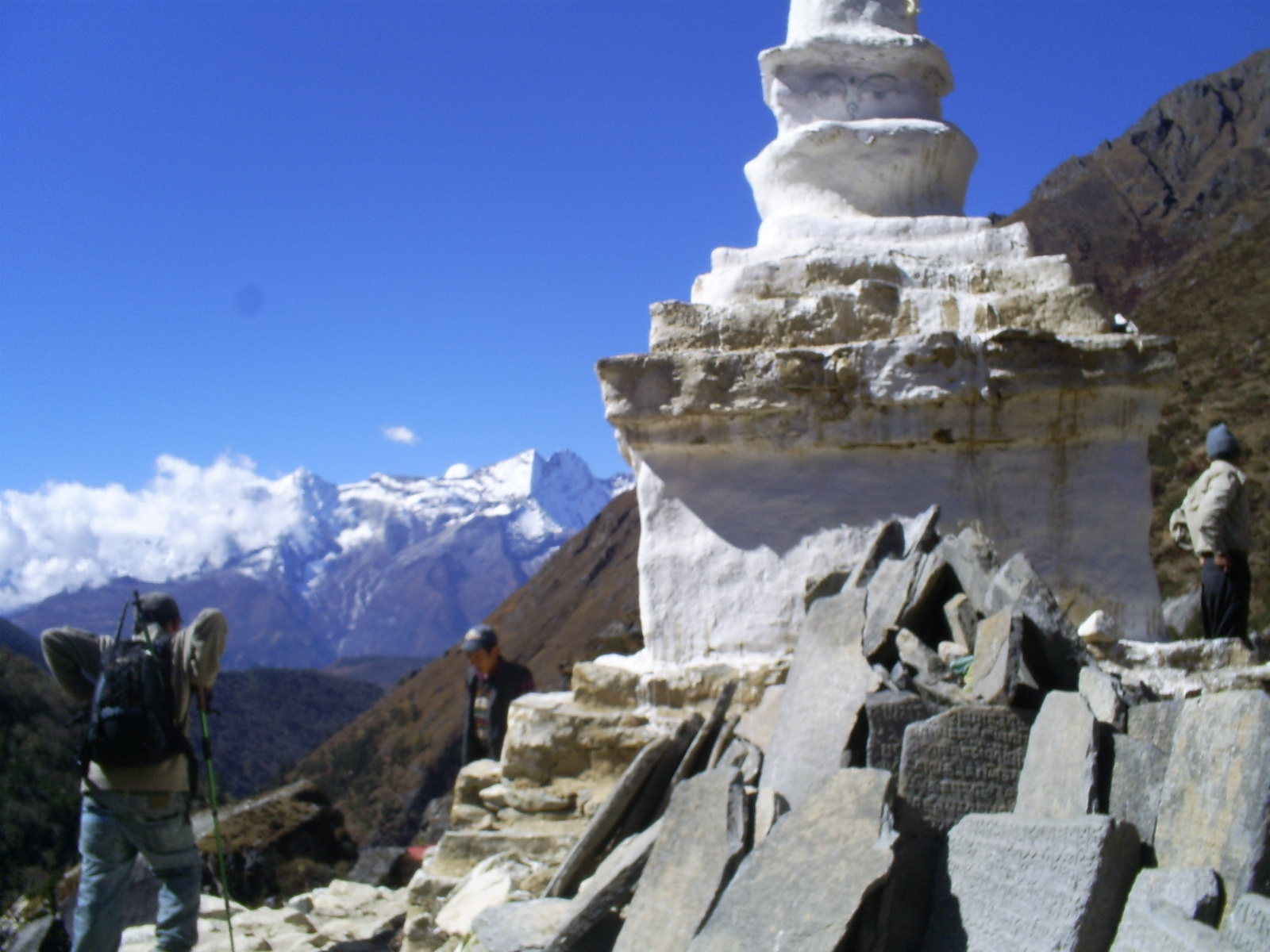
Tengboche Monastery offers another shared touchstone. Monks chanting against a wall of Himalayan peaks tends to land differently depending on age: a child fascinated by the ritual and sound itself, an elder often moved by decades of accumulated perspective meeting a tradition older than either generation. Watching both reactions unfold side by side, without either overshadowing the other, becomes its own quiet highlight for many families.
Conversations along the trail carry weight too; stretches of walking naturally invite storytelling in a way daily life rarely allows. A grandparent recalling their own childhood adventures, a grandchild asking endless questions about mountains, weather, or wildlife, builds a kind of closeness that a shared screen or a rushed weekend visit simply can't offer. Guides leading a genuine family trek across generations in Nepal often note how naturally patience flows from older trekkers toward younger ones, while energy and enthusiasm flow just as naturally in return.
Reaching Everest Base Camp together delivers a payoff distinctly different from doing it alone. Standing at 5,364 meters beside a grandchild, or watching an elder family member complete a milestone many assume belongs only to younger, fitter travelers, reframes what achievement actually looks like across a lifetime. Neither generation walks away with just a summit photo; both carry home proof that curiosity, patience, and determination genuinely have no expiration date.
Ultimately, a multigenerational Everest Base Camp trek offers something neither a solo trip nor a single generation group can fully capture: two very different life stages meeting on entirely equal footing, one mountain, one trail, and a shared story every family member carries home differently, yet just as vividly.
Planning a Combined Trek: What Families Should Discuss Beforehand
A successful Everest Base Camp for all ages trip starts well before anyone steps onto the trail, with honest conversation among every family member about expectations, comfort levels, and what each generation genuinely wants from the experience. Skipping over hard questions in favor of excitement alone tends to surface problems mid trek instead, exactly where they're hardest to resolve.
Flexibility deserves an upfront conversation, since a combined family trek across generations in Nepal rarely goes exactly according to plan. Families benefit from agreeing early on how decisions get made if one member needs to slow down, rest an extra day, or even turn back partway through, ideally settled calmly at home rather than negotiated under stress on a mountainside. Guides can offer professional judgment, but a family aligned beforehand on its own values around safety and pace avoids unnecessary friction later.
Comfort expectations are worth addressing honestly too. A grandparent accustomed to certain routines and a grandchild used to regular screen time both bring different baseline expectations into teahouse life, limited electricity, shared bathrooms, and basic accommodation. Talking through what daily life on the trail will actually involve, rather than letting either generation discover it in real time, softens the adjustment considerably for everyone.
Roles within the family group matter as well. Some families find it helpful to designate who checks in on whom throughout the day, an older trekker keeping an eye on a younger one's energy and mood, a grandchild perhaps fetching water or snacks for a grandparent needing a moment to rest. Small, agreed upon responsibilities give every generation a sense of purpose beyond simply following along.
Health and communication history belong in the conversation too, not left for a medical form filled out at the last minute. Families benefit from discussing any known health sensitivities, prior travel experiences, or personal concerns openly among themselves before ever mentioning them to a guide, since a family already comfortable talking about limitations tends to communicate more honestly on the mountain when it actually matters.
Finally, agreeing on the trip's real purpose helps everyone move through inevitable hard moments with perspective intact. Whether the goal centers on reaching Base Camp together, spending genuine time as a family, or simply seeing whether generations raised worlds apart can share a single extraordinary journey, naming a shared purpose beforehand gives a combined trek something steady to return to whenever the trail gets difficult.
Health and Altitude: What Every Generation Needs to Know
Altitude doesn't discriminate by age; a fit child and a strong senior trekker can both develop symptoms just as easily as anyone else in the group, while a less athletic member of either generation might adjust without difficulty. Assuming age alone predicts how someone handles elevation is exactly the kind of thinking a well run multigenerational Everest Base Camp trek avoids from the outset.
Acclimatization sits at the center of managing altitude well. As the trail climbs, the body genuinely needs time to adjust, which is why the itinerary builds in gradual elevation gains alongside dedicated rest days rather than pushing straight upward on a fixed schedule. Progress happens slowly and deliberately, not because slower trekkers require it but because thin air asks it of everyone.
Different generations do call for different kinds of attention, though, and recognizing that difference matters more than treating either group as fragile. A young trekker may struggle to describe exactly how they're feeling; a headache might come out as crankiness, and reduced appetite might just look like fussiness at dinner, so guides and family members watch behavior closely rather than waiting for a clear verbal report. Older trekkers, meanwhile, often carry existing health considerations worth monitoring proactively, alongside close attention to energy, breathing, and sleep quality each day.
Warning signs are worth knowing well before departure: persistent headache, unusual fatigue, dizziness, nausea, loss of appetite, and difficulty sleeping all deserve attention rather than dismissal. Ordinary tiredness after a long walking day is normal for every generation, but symptoms that worsen or persist should never get written off as simple exhaustion.
Hydration and nutrition support every trekker's ability to manage long days well; regular water intake, balanced meals, and energy rich snacks help maintain steady energy across a group spanning decades in age. Pace matters more than speed too, since the goal was never keeping up with the fastest walker in the family; a steady, comfortable rhythm with regular breaks gives every generation genuine room to adjust.
Health groundwork belongs in the planning stage as well. Seniors and anyone with existing medical concerns benefit from discussing high altitude trekking with a healthcare professional beforehand, and young trekkers deserve a similarly honest assessment of readiness for the demands ahead, a step worth taking seriously on any best Everest trek for seniors over 60, just as it matters on family friendly Everest region treks for kids. Carrying necessary personal medication and making sure the guide holds relevant medical information for every family member rounds out solid preparation.
Above all, reaching base camp should never outrank a family member's well being. A flexible itinerary, one willing to rest, descend, or seek medical help without hesitation, protects what actually matters most on the trail.
The real strength of trekking across generations was never about everyone performing at the same level. It comes from building enough patience, flexibility, and mutual support into the journey so that every family member, regardless of age, gets to experience the mountain safely, together.
When Generations See the Same Mountain Differently
One mountain, walked by one family, rarely means one experience. A grandchild, a parent, and a grandparent can stand in the same spot on the trail and come away with three entirely different stories, and it's precisely that difference that gives an Everest Base Camp for Kids and Seniors trek its real depth.
For a child, the trek unfolds as pure discovery. Suspension bridges become thrilling crossings rather than obstacles, yaks become fascinating new creatures worth pointing out to anyone nearby, and Sherpa villages offer a glimpse of a world entirely unlike home. Trying momos for the first time or spotting snow on a mountain up close carries the kind of wide eyed wonder only childhood really offers.
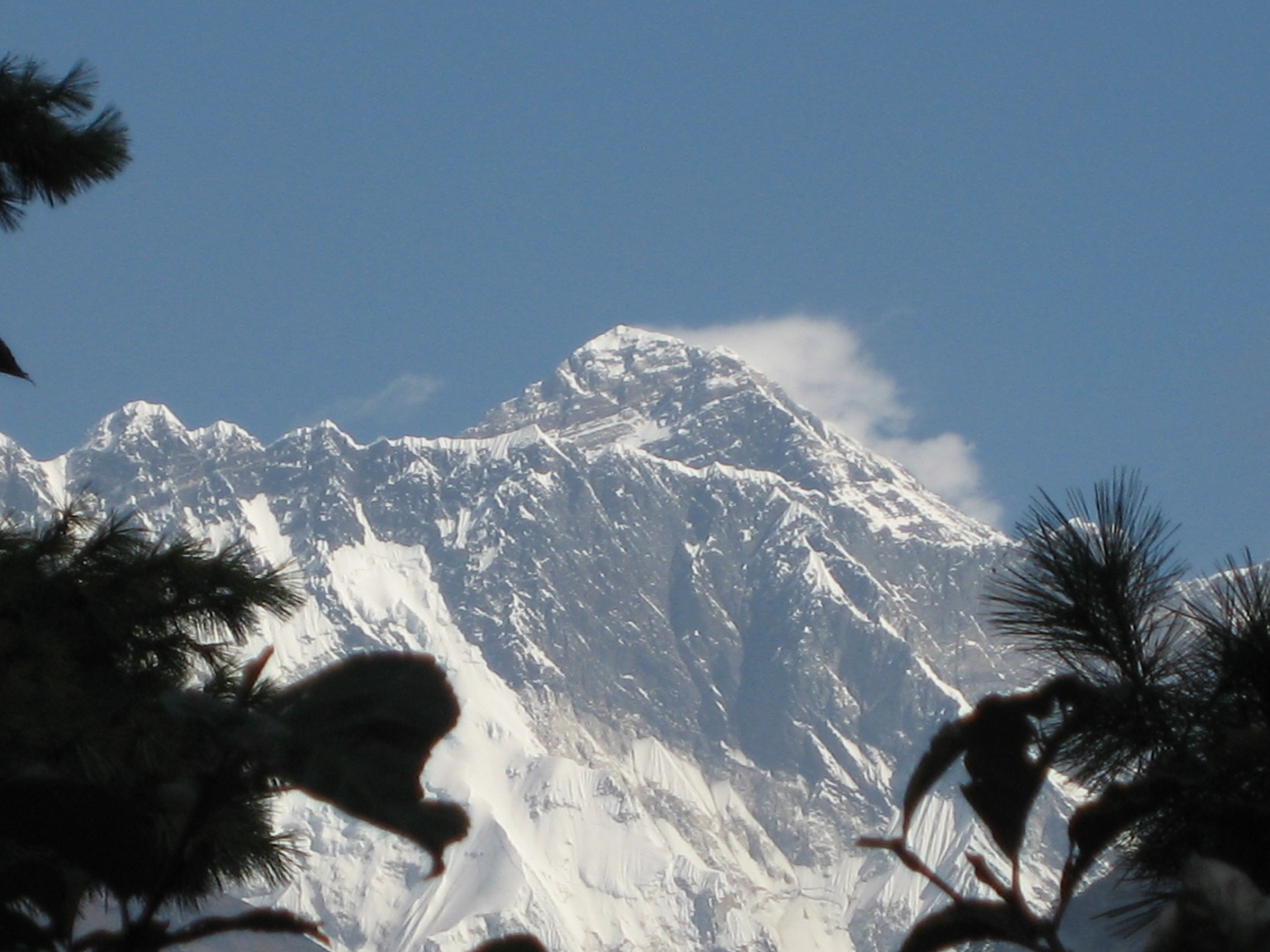
A grandparent standing in the same spot often experiences something quieter, but no less powerful. Reaching a Himalayan viewpoint later in life can feel like a genuine personal milestone, proof that curiosity and physical capability haven't expired with age, and a moment worth pausing on rather than rushing past. Where a child sees adventure, an elder often sees reflection, a chance to measure the present moment against a lifetime of experiences that led here.
Holding both perspectives together, quietly, is usually a parent or adult child in the middle of the group, watching a young trekker's energy while checking in on an older family member's pace, managing the emotional and physical rhythm of the whole trip without ever needing the spotlight. Their experience blends responsibility with genuine enjoyment, less about personal discovery, more about making sure everyone else gets to have theirs.
Cultural moments reveal these differences beautifully too. A monastery courtyard might spark a child's curiosity about the monks and their chanting, while the same courtyard stirs something more reflective in a grandparent, an appreciation for tradition and permanence built over decades of living. Neither reaction is more valuable than the other; together, they simply reveal how many ways one place can be experienced at once.
Long walking days become natural conversation starters across the age gap. A grandparent's old stories fill quiet stretches of trail, a child's endless questions about mountains, animals, and Nepal keep things lively, and somewhere in between, everyone learns a little more about each other than daily life back home usually allows.
Each generation brings something different to the group, and the trek works precisely because those differences complement rather than compete. Youthful energy pulls the group forward; a grandparent's hard earned patience keeps everyone grounded; a parent's steady attentiveness holds the whole rhythm together. What starts as a physical journey slowly becomes a lesson in understanding how someone else, decades older or younger, experiences challenge, excitement, and discomfort.
Achievement itself means something different to everyone by the time Base Camp comes into view. For a child, it might be the thrill of finally arriving somewhere so talked about. For a grandparent, it might be quiet proof of what's still possible later in life. For a parent, achievement might simply mean watching a whole family make it, together, safely.
And yet, despite three very different internal experiences, everyone walks home with the same shared story. Three generations climbed the same trail, breathed the same thin mountain air, and stood beneath the same Himalayan peaks, creating a memory none of them could have made quite the same way, in quite the same place, alone.
When One Person Struggles: Keeping the Journey Together
A child, a parent, and a grandparent rarely move through a trekking day at the same speed, and expecting otherwise sets a family up for frustration before the trail even gets difficult. Different bodies carry different limits, different recovery times, and different thresholds for a hard afternoon, and none of it reflects weakness.
Slowing down deserves reframing from the very start of the trip. A family member needing extra breaks or a gentler pace isn't holding anyone back; genuine progress on a multigenerational trek was never measured by speed. Letting the slowest comfortable pace set the rhythm keeps the group together without piling unnecessary pressure onto whoever needs a little more time.
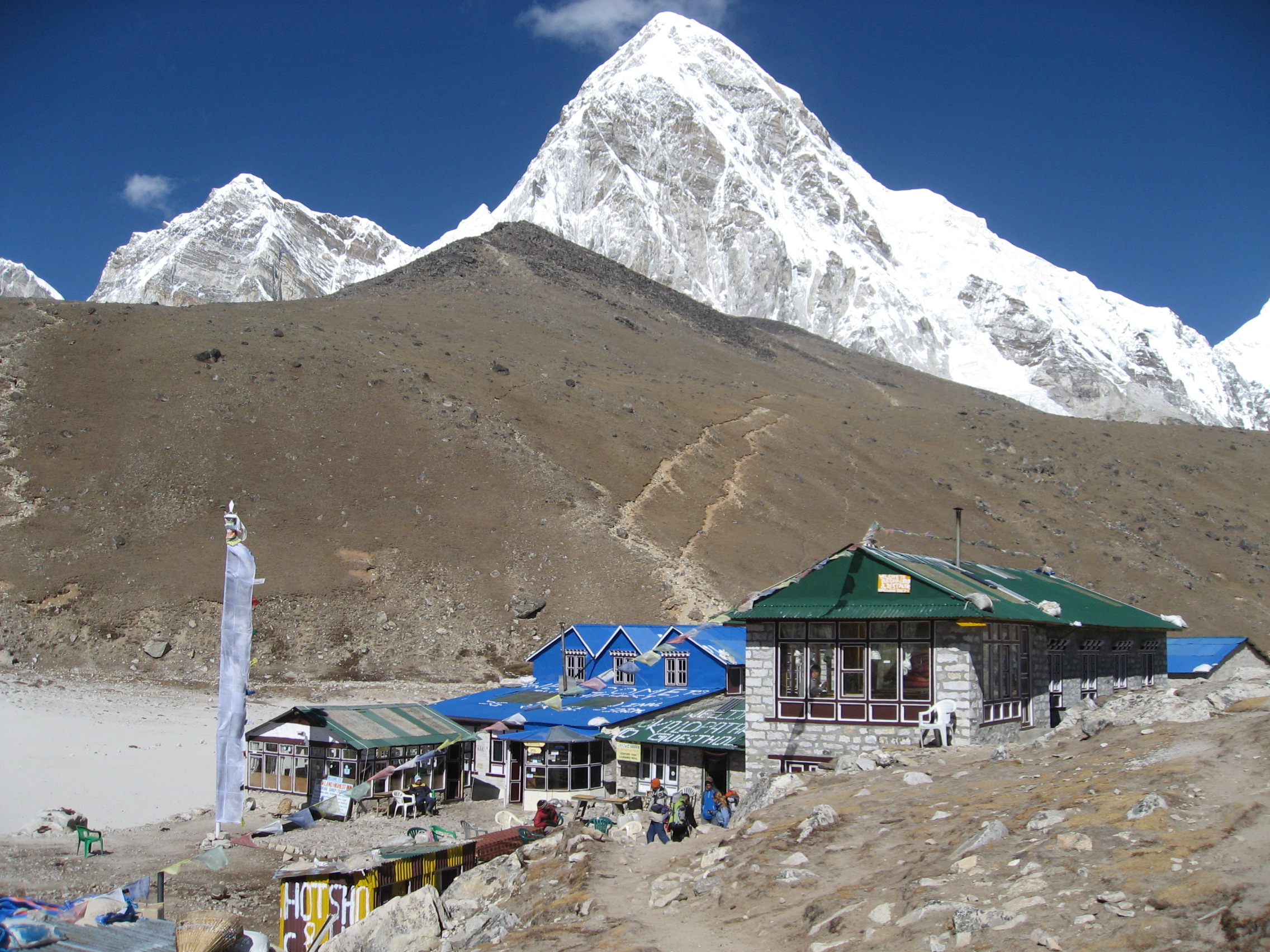
Recognizing a real need for rest takes attention rather than assumption. Persistent tiredness, mounting frustration, fading motivation, or visible difficulty keeping up all signal a moment to adjust rather than push through. Building flexibility into the plan well before departure, agreeing together what happens if someone needs an extra rest day, a shorter walking stretch, or a change to the itinerary, keeps a hard moment from turning into a family crisis mid trail.
Giving every generation a role helps too. Grandparents offer stories and hard earned perspective, children bring energy and enthusiasm nobody else quite matches, and adults handle the practical coordination keeping everyone comfortable and on track. A trek works best when every family member feels like an active participant in the journey, never simply along for someone else's ride.
An experienced guide becomes genuinely invaluable in moments like these, reading trail conditions, pace, and rest needs with a clarity families rarely have mid trek themselves, and helping decide honestly whether continuing forward or adjusting the plan makes the most sense. Reaching 5,364 meters carries real meaning, but it should never come at the cost of someone's wellbeing; a family choosing safety over a summit push loses nothing worth keeping.
Even a setback can become a genuine highlight rather than a disappointment. An unplanned rest day might open space for a slower afternoon exploring a village, playing a game with the youngest member of the group, or simply sitting together taking in mountain views nobody had time to appreciate the day before.
In the end, a successful multigenerational trek was never about everyone performing at the same level. Real success looks like every family member finding enough space, support, and patience to experience the journey together, whatever pace the day calls for.
The Practical Comforts That Matter More on a Multigenerational Trek
Small comforts carry more weight on a trek shared across three generations than they might on a solo trip, simply because recovery needs differ so much from one family member to the next. A warm, reasonably comfortable room to return to each evening becomes less about luxury and more about giving every generation genuine space to recover before the next day's walk begins.
Room arrangements matter more here too. Attached or private rooms, where available, offer real value for grandparents and families traveling with children, a little more privacy and ease after a long day, though mountain accommodation naturally varies by village and altitude, and expectations are worth setting honestly from the start. Higher up the route, warmth becomes its own small luxury; electric blankets or other heating options at select teahouses can make a genuinely noticeable difference on the coldest nights, particularly for family members more sensitive to cold.
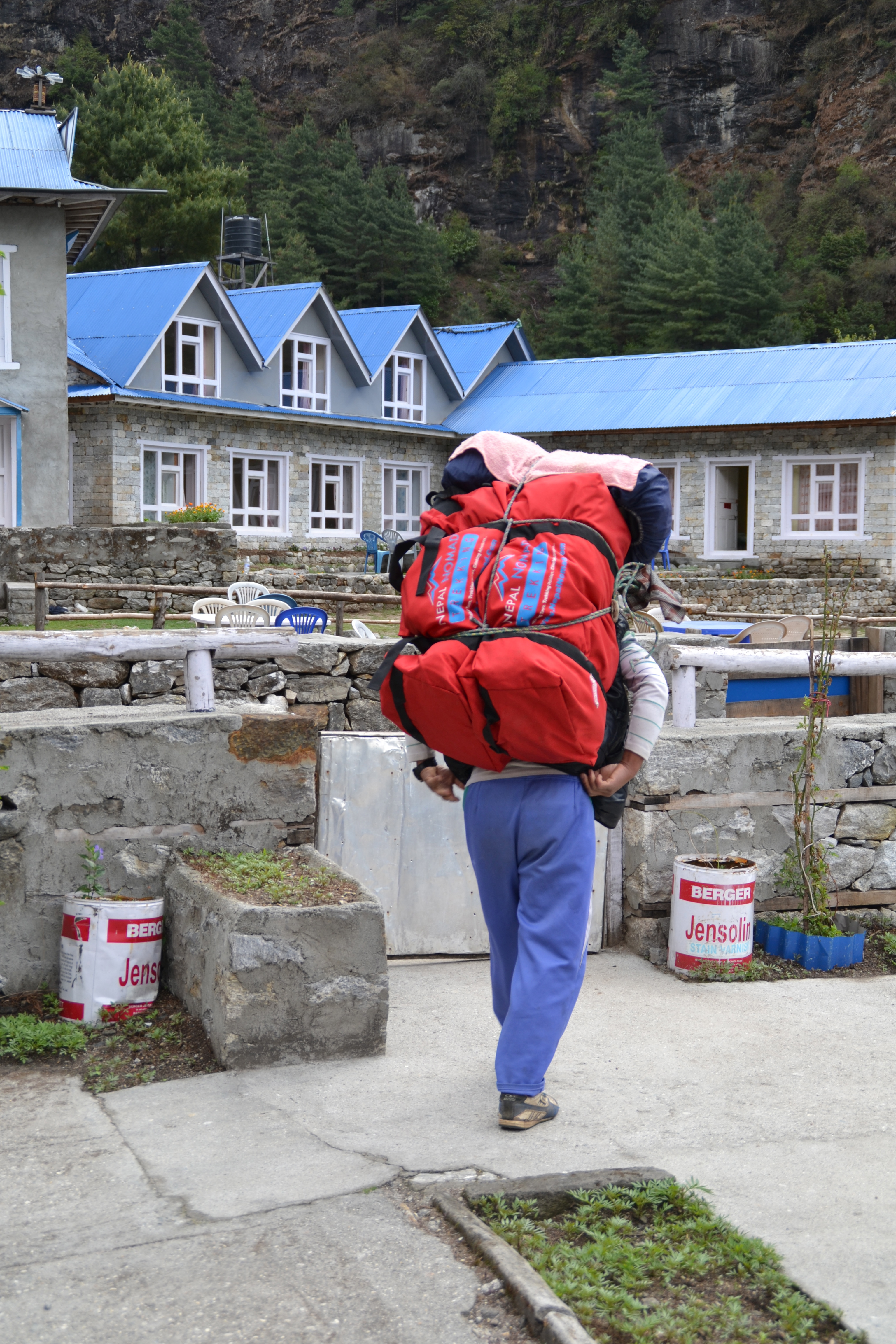
Few small pleasures land as well as a hot shower after a demanding walking day, a simple comfort, but a meaningful one, especially for children winding down after hours on the trail and older trekkers easing tired joints before sleep.
Food plays a similar role in keeping everyone comfortable. Having familiar, nutritious options available alongside local Nepali and Himalayan dishes lets both younger and older trekkers eat well without pressure to adapt overnight to unfamiliar flavors. Easy access to reliably boiled drinking water matters just as much, keeping hydration simple across a group where several generations are managing long trekking days together.
Keeping physical loads light benefits the whole family, but especially its youngest and oldest members. Porter support removes the burden of unnecessarily heavy backpacks from children and seniors alike, and where the package allows, an assistant guide offers valuable extra coverage on days when the group naturally spreads out due to differing walking speeds.
Comfort looks a little different for each generation, too. Children tend to do best with regular snacks, simple entertainment for quieter moments, reliable charging access, and enough rest built into the day to stay genuinely engaged rather than worn down. Seniors often benefit most from trekking poles, warm layering options, easy access to personal medication, well timed rest, and steady availability of food and water throughout the day.
None of it should be mistaken for hotel level luxury, though, and setting honest expectations matters. Mountain teahouses remain simple by nature, and comfort levels shift with altitude, availability, and season small conveniences here and there, not five star amenities.
Ultimately, comfort on a multigenerational trek was never really about indulgence. Removing small, unnecessary difficulties along the way keeps age differences from becoming bigger obstacles than they need to be, letting every generation focus on the journey itself rather than how uncomfortable the day has become.
Frequently Asked Questions: Trekking Everest Base Camp with Kids and Seniors
Does the whole family need to book together, or can grandparents and grandchildren join at different points?
A combined departure works best when the whole family travels together from the start, since guides plan pacing and support around the group as a single unit. Joining partway through is possible in some circumstances, but it's worth discussing directly with your operator well in advance, since coordinating a mid rek arrival adds real logistical complexity in a remote setting.
What happens if one generation wants to continue and another needs to turn back?
A guide's priority stays with whoever needs to descend, arranging a safe, supported return while keeping the rest of the family informed and involved in the decision. On larger combined departures, an assistant guide often accompanies the descending family member, allowing the remaining group to continue without splitting attention unsafely.
Is there a minimum or maximum age gap that works best for a combined trek?
No fixed rule determines an ideal gap; success depends far more on each family member's individual readiness than on the number of years separating generations. Families with a wide range, young grandchildren alongside grandparents in their seventies, complete combined treks successfully every season, provided the itinerary and pace genuinely account for everyone involved.
Can part of the family do a shorter itinerary while others continue further?
Yes, in many cases. A grandparent or young trekker who reaches a personal limit can descend early while the rest of the family continues toward Base Camp, supported by additional guide staff. Discussing this possibility with your operator during planning helps build flexibility into the itinerary from the outset, rather than improvising mid trek.
Does everyone share the same guide, or can support be split across the group?
Combined departures typically include a lead guide overseeing the whole family, supported by an assistant guide or additional porter staff on larger or more varied pace groups. Support scales to match family size and needs, ensuring no single guide is stretched too thin across widely different walking speeds.
Is a combined departure available on fixed dates, or only as a private booking?
Most families traveling across generations choose a private departure, since it allows the itinerary, pace, and rest schedule to be built entirely around their own group rather than shared with unrelated trekkers. Fixed date group departures aren't typically structured for multigenerational needs, so a private booking remains the more practical option for most families.
One Trail, Every Generation
Some journeys are measured in kilometers walked or meters climbed. This one is measured differently: in a grandparent's story shared on a quiet stretch of trail, a grandchild's wide eyed first glimpse of Everest, a family standing together at 5,364 meters having each earned that moment in their own way.
Everest Base Camp for Kids and Seniors was never really about proving age doesn't matter. It's about discovering what happens when it simply doesn't get in the way, when patience meets curiosity, when a slower pace becomes a gift rather than a compromise, and when three generations, walking the same mountain, come home with one shared story told through entirely different eyes.
Whether your family is still deciding whether a multigenerational Everest Base Camp trek fits, or already picturing grandparent and grandchild standing together beneath the Himalayas, the invitation stays the same: the mountain doesn't ask how old you are. It only asks that you come ready to walk it together.