The Short Answer: What Are Toilets Like in the Khumbu?
Most trekking villages have toilets available in their teahouses and lodges. Standard accommodation generally provides shared bathrooms, while some comfort and luxury lodges offer private or attached facilities.
The type of toilet depends on the village, accommodation standard, and altitude.
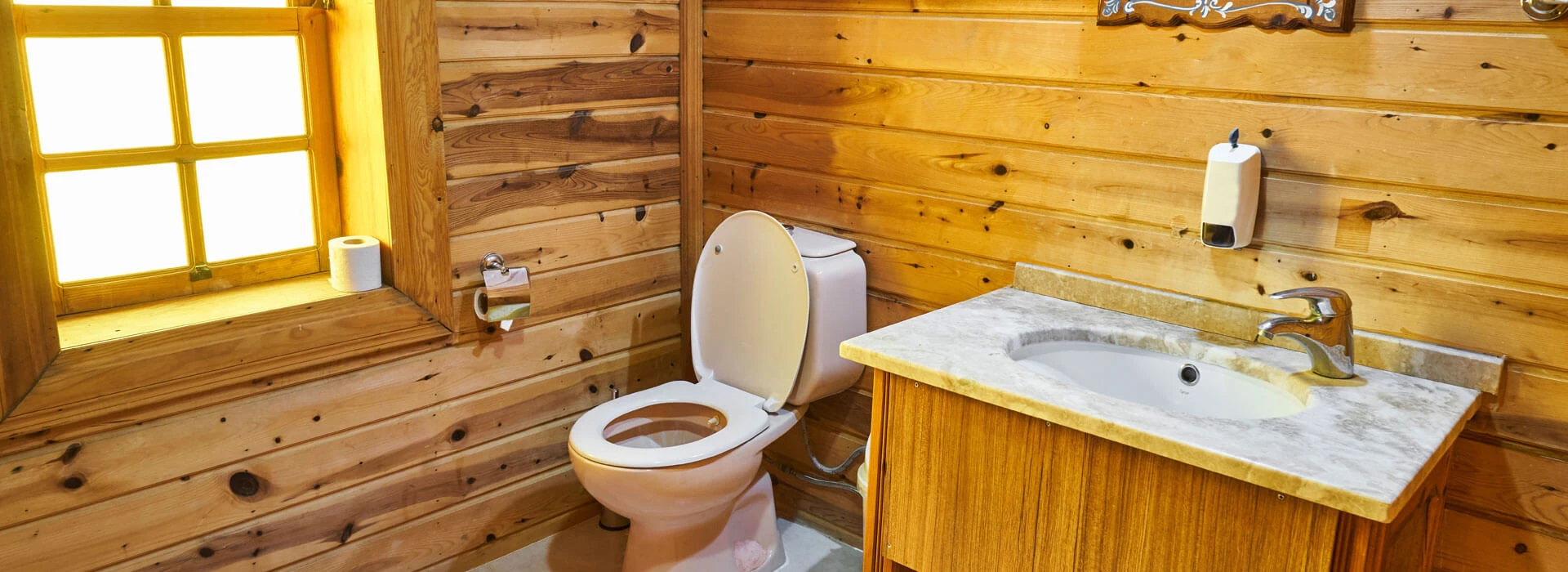
- Lower Khumbu: Sit-down toilets are relatively common in better-equipped lodges, although shared bathrooms are standard in many properties.
- Middle Khumbu: You will find a mixture of sit-down and squat toilets, with hot water and showers becoming less dependable.
- Upper Khumbu: Basic squat toilets and bucket-flush systems become more common. Running water may be limited or unavailable during freezing conditions.
- Remote viewpoints: Do not expect public toilets at places such as Kala Patthar or Gokyo Ri. Plan before leaving your lodge.
One important rule applies throughout the region: bring your own toilet paper and put used paper in the designated bin rather than flushing it.
Think of it as one small adjustment to mountain life. The mountains provide the views; you bring the toilet paper.
Toilet Facilities Along the Khumbu Trekking Routes
The facilities change as the trail climbs. A bathroom in Lukla is not necessarily the same experience as one in Gorak Shep, and the difference becomes more noticeable as the altitude increases.
Here is what to expect along the main trekking corridors.
Lukla: A Comfortable Start to Mountain Life
At approximately 2,860 metres (9,383 ft), Lukla is the gateway to the Khumbu trekking region. It is also where most trekkers begin adjusting to the practical side of mountain accommodation.
The village has a selection of teahouses, lodges, and hotels. Better-equipped properties generally offer sit-down toilets, while standard accommodation may have shared bathroom facilities.
You can usually expect:
- Sit-down toilets in many better-equipped lodges.
- Shared bathrooms in standard teahouses.
- Running water in many properties.
- Hot showers, sometimes available for an additional charge.
It is a relatively comfortable introduction to trekking accommodation. However, do not assume that every lodge offers the same facilities.
Nepal Nomad tip: Use Lukla to organise your personal hygiene kit. Toilet paper, sanitiser, tissues, and other essentials are generally easier to arrange before heading farther into the mountains.
Phakding: Your First Teahouse Bathroom Experience
Phakding, at approximately 2,610 metres (8,563 ft), is a popular first overnight stop after flying into Lukla.
The village has several trekking lodges along the Dudh Koshi River. Bathroom arrangements depend on the property, but shared facilities are common.
You may find:
- Sit down at toilets in some lodges.
- Basic shared bathroom facilities.
- Bucket-flush arrangements in certain properties.
- Hot showers, usually for an additional fee.
This is a good place to become familiar with the bathroom routine before reaching higher villages.
Remember to keep your toiletries together in a small waterproof bag. Carrying shampoo, soap, and toilet paper separately in a dark shared bathroom is not the sort of treasure hunt most trekkers signed up for.
Namche Bazaar: The Last Major Comfort Stop Before Higher Khumbu
Namche Bazaar, approximately 3,440 metres (11,286 ft), is the commercial heart of the Khumbu Region.
It has a much wider selection of accommodation than the smaller settlements farther up the trail. You will find standard teahouses, comfortable lodges, bakeries, restaurants, and better-equipped hotels.
Toilet facilities are generally more varied here.
- Sit-down toilets are available in many established lodges.
- Shared bathrooms are common in standard accommodation.
- Better-equipped properties may offer private bathrooms.
- Hot showers are widely available in comparison with higher villages, although they may cost extra.
Namche is also an important acclimatisation stop on the Everest Base Camp route. Many trekkers spend an additional day here, exploring the village or hiking toward Hotel Everest View.
If bathroom comfort is important to you, this is a good place to discuss accommodation preferences with your trekking guide.
Tengboche: Where the Monastery Is Grand and the Facilities Become Simpler
At approximately 3,860 metres (12,664 ft), Tengboche is famous for its monastery and magnificent views of Everest, Ama Dablam, and the surrounding mountains. The village is an important overnight stop on several Khumbu trekking itineraries.
Bathroom facilities are generally more basic than those in Namche Bazaar. Standard teahouses commonly have shared toilets, and you may encounter both sit-down and squat-style arrangements. Hot showers may be available in some lodges, but they are not something to depend on.
The colder weather also changes the experience. Water can become difficult to manage on freezing mornings, and a bathroom that seemed perfectly ordinary the previous evening may feel considerably less welcoming before sunrise.
Still, the scenery makes up for many small inconveniences. After all, not every bathroom break comes with a view of Ama Dablam.
Dingboche: The Squat Toilet Becomes More Familiar
Dingboche sits at approximately 4,410 metres (14,469 ft) and is another important acclimatisation stop on the Everest Base Camp route.
As the trail climbs above 4,000 metres, accommodation becomes more basic. Shared squat toilets become increasingly common, although some lodges still offer sit-down facilities.
Expect:
- Shared toilets in standard teahouses.
- A mixture of squat and sit-down arrangements.
- Bucket-flush systems in some properties.
- Limited hot water and showers.
- Water that may freeze during particularly cold nights.
Dingboche is also where many trekkers begin to notice how much the altitude affects everyday activities. Walking upstairs, changing clothes, and even getting ready for bed can require more effort.
A squat toilet might not be what you imagined when booking an Everest adventure, but a little preparation makes the experience manageable.
Lobuche: Basic Facilities in a High-Altitude Settlement
At approximately 4,940 metres (16,207 ft), Lobuche is one of the final overnight settlements before Gorak Shep and Everest Base Camp.
Bathroom facilities here are basic. Squat toilets and bucket-flush arrangements are common, and shared bathrooms are the usual arrangement in standard teahouses.
You should prepare for:
- Basic toilet structures.
- Limited water availability.
- Cold bathroom floors and freezing conditions.
- Few opportunities for comfortable showers.
- Shared facilities with other trekkers.
At this altitude, even washing your hands can require a little planning. Keep the sanitiser accessible, and do not rely on finding warm running water whenever you need it.
Lobuche is a good reminder that comfort becomes increasingly relative as you climb higher. A working toilet with a door and a bucket of water can feel like a small luxury.
Gorak Shep: The Final Stop Before Everest Base Camp
Gorak Shep, at approximately 5,164 meters (16,942 ft), is the final overnight settlement for most trekkers heading to Everest Base Camp.
The facilities are among the most basic on the standard route. Expect shared toilets, mainly squat-style arrangements, and bucket flushing where water is available.
The cold can make bathroom visits particularly uncomfortable. Water supplies may be limited, and freezing conditions can affect how facilities operate.
Keep in mind:
- Bring your own toilet paper.
- Carry hand sanitiser.
- Do not expect reliable hot showers.
- Keep your headlamp nearby for nighttime visits.
- Ask your lodge about the bathroom arrangement when checking in.
Gorak Shep is also the place where trekkers prepare for the early-morning walk to Kala Patthar or the hike to Everest Base Camp.
Use the lodge facilities before leaving. No convenient public bathrooms are available at the next viewpoint.
Everest Base Camp: Great Views, No Public Toilets
Everest Base Camp, at approximately 5,364 meters (17,598 ft), is one of the most famous destinations in the Khumbu Region.
However, there is an important distinction between the facilities used by climbing expeditions and those available to ordinary trekkers.
During climbing seasons, expedition teams establish toilet facilities within their camps. These are organised for expedition members and their support teams, not general public facilities for visiting trekkers. Ordinary trekkers should not expect public toilets at Everest Base Camp.
The practical arrangement is simple: use the lodge toilet in Gorak Shep before departing and again after returning.
If you are trekking with a guide, discuss the arrangements before setting out, particularly if you have specific bathroom or medical needs.
Kala Patthar: A Summit Without a Bathroom
Kala Patthar, approximately 5,545 metres (18,192 ft), is one of the most rewarding viewpoints on the Everest Base Camp route.
Trekkers usually begin the climb early in the morning to enjoy the sunrise over Everest and the surrounding peaks. But there is one thing you should not expect at the top: a toilet.
There are no regular public toilet facilities at the Kala Patthar viewpoint. The best approach is to use the bathroom before leaving Gorak Shep, carry your personal supplies, and plan the return accordingly.
The summit is a place for photographs, mountain views, and a moment of achievement. It is not the place to discover that you forgot to plan ahead.
What About Toilets in the Gokyo Valley?
The Gokyo Valley offers a different trekking experience from the busy Everest Base Camp corridor. Instead of following the main route all the way to Gorak Shep, trekkers turn toward Dole and Machhermo before reaching the beautiful Gokyo Lakes.
But does the quieter route mean better bathroom facilities? Not necessarily.
Dole and Machhermo: Basic Teahouse Facilities
Dole and Machhermo are important overnight settlements on the way to Gokyo. Both villages offer teahouse accommodation, but bathroom facilities are generally basic compared with Namche Bazaar.
You should be prepared for shared toilets, limited hot water, and simple washing arrangements. As with the main Everest route, the availability of sit-down toilets depends on the individual lodge.
Gokyo Village: Basic Facilities Beside the Turquoise Lakes
Gokyo Village, approximately 4,790 meters (15,715 ft), sits beside the beautiful glacial lakes beneath Gokyo Ri. The village has several teahouses, and bathroom facilities vary between properties.
Some lower sections of the village may have sit-down toilets, while squat toilets and bucket-flush arrangements are common in more basic accommodation. Hot showers and running water should not be taken for granted.
Since Gokyo is a major overnight stop, it is worth asking about bathroom arrangements when choosing a lodge.
Gokyo Ri: No Toilet at the Viewpoint
Gokyo Ri, approximately 5,357 meters (17,575 ft), offers one of the finest panoramic views in the Everest region.
Many trekkers leave Gokyo Village before sunrise to reach the viewpoint in the early morning. There are no regular public toilet facilities at the summit.
Use the lodge bathroom before beginning the climb, carry tissues and sanitizer, and plan for several hours away from your accommodation.
The climb is demanding enough without adding an avoidable bathroom emergency to the itinerary.
The Golden Rule: Toilet Paper Goes in the Bin
This is one of the most important things to understand before trekking in the Khumbu.
In many mountain lodges, toilet paper should not be flushed down the toilet. The plumbing and waste systems are not designed to handle it.
Instead, place used toilet paper in the designated waste bin beside the toilet. A few useful habits:
- Carry your own toilet paper.
- Never assume a lodge will provide it.
- Use the designated waste bin.
- Avoid flushing wet wipes, sanitary products, or other waste.
- Carry a small sealable bag if a suitable bin is unavailable.
- Follow local waste-management instructions.
Wet wipes should also go into the waste bin, even when marketed as biodegradable.
It is a small habit, but it helps protect the fragile mountain environment and keeps shared facilities usable for everyone.
The 2 AM Problem: When Nature Calls in Freezing Weather
A nighttime toilet visit sounds simple at home. In the Khumbu, it can involve putting on a jacket, finding your headlamp, locating your boots, and stepping into a freezing corridor.
Bedrooms in many standard teahouses are not heated, and bathrooms may be outside the sleeping room or down a corridor.
At higher elevations, cold temperatures can make the experience particularly uncomfortable. Here are a few ways to make nighttime visits easier:
- Keep your headlamp beside your pillow. Do not leave it buried in your backpack.
- Keep warm clothes within reach. A fleece, insulated jacket, warm socks, and slippers make a difference.
- Know where the bathroom is before bedtime. A quick look around the lodge is better than navigating an unfamiliar building half-asleep.
- Keep your water bottle inside your sleeping bag. This helps prevent drinking water from freezing overnight.
Consider a separate wide-mouth pee bottle if appropriate. Some trekkers find this useful for nighttime urination, especially when the bathroom is outside. It must be clearly labelled, kept separate from drinking bottles, and emptied and cleaned each morning hygienically. Use a suitable device if needed and comfortable for your circumstances.
One more thing: drinking enough water remains important at altitude. Do not deliberately dehydrate yourself just to avoid a nighttime bathroom visit.
Squat Toilets: Your Unexpected Leg Workout
If you have never used a squat toilet, your first encounter in the Khumbu might be memorable. Unlike a conventional sit-down toilet, a squat toilet requires you to position yourself over a floor-level opening. What If You Need the Toilet While Walking?
Not every toilet emergency waits for a village. During long trekking days, you may occasionally need to stop between settlements, particularly on remote trails or viewpoints without facilities.
If this happens, speak to your guide. They can help identify a suitable private location away from walking paths, water sources, and campsites.
Follow these basic principles:
- Move away from streams, rivers, and lakes.
- Stay away from the main trail and other trekkers.
- Never leave toilet paper or sanitary products behind.
- Carry waste in a sealable bag when no appropriate disposal facility is available.
- Follow your guide's instructions and local waste-management rules.
The Khumbu is a fragile mountain environment. Its beauty depends partly on how responsibly visitors behave. A mountain view should be the only thing you leave behind.
How to Maintain Hygiene in the Khumbu Region
Basic facilities do not mean you need to compromise on personal hygiene. A few simple habits can help you stay comfortable throughout the trek.
Use hand sanitizer.
Carry a small bottle and use it after every toilet visit and before meals, especially when soap and running water are unavailable.
Wash your hands whenever possible.
When water is available, wash your hands with soap. Sanitizer is useful when proper handwashing facilities are unavailable, but it should not replace washing when you can do it.
Drink treated water.
Use properly treated or boiled drinking water. Avoid drinking untreated water from streams and taps.
4. Keep personal toiletries separate.
Use a small waterproof bag for toilet paper, soap, toothbrushes, and other hygiene supplies.
Manage menstrual hygiene responsibly
Trekkers who menstruate should carry enough menstrual products for the entire trek, together with small sealable waste bags. Disposal options can be limited at higher elevations, so do not assume products can be discarded in toilets.
Do not rely on daily hot showers
Hot showers become less available as you climb higher. Wet wipes, a small towel, and clean clothing can help you manage between proper washes.
Can You Get Luxury Toilet Facilities in the Khumbu?
Yes, but comfort depends on the route and accommodation. The lower Khumbu has a wider selection of comfortable lodges, including properties with private bathrooms and hot showers.
However, luxury accommodation does not guarantee the same facilities at every altitude. For example, Nepal Nomad Trekking's Everest Kongde View Trek reaches Kongde at approximately 4,250 meters (13,944 ft), where the lodge offers en-suite bathroom facilities.
This provides a more comfortable option for trekkers who want to explore the Everest region without following the standard Base Camp route.
However, above approximately 4,500 meters, bathroom facilities become increasingly basic, even for trekkers staying in better accommodation.
A private bathroom in one village does not mean every overnight stop will offer the same standard.
The best approach is to discuss your comfort requirements with Nepal Nomad before departure so accommodation expectations can be planned realistically.
The Khumbu Toilet Kit: What Should You Pack?
You do not need to carry an entire bathroom in your backpack. A small, organized hygiene kit is enough for most trekkers.
Here is what Nepal Nomad recommends preparing before leaving Kathmandu.
- Two or three rolls of toilet paper.
- Hand sanitizer.
- Biodegradable wet wipes.
- Small sealable waste bags.
- Pocket tissues.
- A small quick-drying towel.
- Personal menstrual hygiene products, if required.
- A wide-mouth bottle for nighttime use, if appropriate.
- A headlamp with spare batteries.
- A small toiletry bag.
- A little cash for hot showers and additional supplies.
Buy most essentials in Kathmandu or Lukla rather than waiting until Gorak Shep. Supplies generally become more expensive and less readily available farther up the trail.
Frequently Asked Questions About Toilets in the Khumbu Region
Are toilets available throughout the Everest Base Camp trek?
Most overnight villages along the main Everest Base Camp route have toilet facilities in their teahouses. However, facilities become increasingly basic at higher elevations. Viewpoints such as Kala Patthar do not have regular public toilets.
Are toilets in Namche Bazaar clean?
Many established lodges in Namche offer reasonably comfortable bathroom facilities. However, cleanliness varies between properties and depends on how frequently shared bathrooms are maintained.
Are squat toilets common in the Khumbu Region?
Yes. Squat toilets are increasingly common in standard teahouses as you travel above Namche Bazaar, particularly in higher settlements such as Dingboche, Lobuche, and Gorak Shep.
Can you find Western style sit down toilets on the Everest Base Camp route?
Yes. They are available in some lodges, particularly in lower villages and better-equipped accommodation. However, availability is not guaranteed throughout the route.
Are there public toilets at Everest Base Camp?
No regular public toilets are provided for ordinary trekkers at Everest Base Camp. Expedition camps have their own arrangements, but these are intended for expedition teams.
Are there toilets at Gokyo Ri?
There are no regular public toilet facilities at the Gokyo Ri viewpoint. Use the bathroom in Gokyo Village before starting the climb.
Do teahouses provide toilet paper?
You should not rely on it. Bring your own toilet paper and keep it in a waterproof bag.
Can you flush toilet paper in mountain lodges?
Generally, no. Put used paper in the designated bin beside the toilet. Follow the instructions provided by the lodge.
Are hot showers available in the Khumbu?
Hot showers are available in many lower villages, usually for an additional charge. They become increasingly limited at higher elevations, particularly above Dingboche.
What should you do if you need the toilet during a long trekking day?
Tell your guide and ask for a suitable private stopping place away from trails and water sources. Carry any waste that cannot be disposed of responsibly until you reach an appropriate bin.
The Mountains Are Worth It, Even When the Bathrooms Are Not
The Khumbu Region is full of unforgettable moments: the first glimpse of Everest, the bells of Tengboche Monastery, the turquoise waters of Gokyo, and the sunrise from Kala Patthar.
But a successful trek is not made entirely of spectacular views. It also depends on knowing how to handle the small practical details that come with spending days in the mountains.
A shared bathroom, a bucket of water, a cold morning, and a missing roll of toilet paper might not make it into your favorite trekking photographs. They are simply part of the experience.
Prepare your hygiene kit, respect the local facilities, follow your guide's advice, and keep your expectations realistic.
After all, the Khumbu has plenty of breathtaking things to offer. Perfect bathroom facilities are not necessarily among them. It is not particularly complicated, but it can feel unfamiliar, especially after several hours of walking uphill.
If you have knee problems, mobility limitations, or difficulty squatting, tell your trekking operator before departure. Ask about accommodation with sit-down toilet facilities, particularly in lower villages.
A little preparation before the trek can also help. Practicing ordinary bodyweight squats and strengthening your legs may make the position more comfortable.