Why Autumn Is the Best Season for Everest Region Trekking
Stable weather defines everything about trekking in the Khumbu, and autumn delivers it more consistently than any other stretch of the year. Once monsoon rains clear through September, a settled high-pressure pattern typically takes hold across the region, bringing crisp, dry air and mountain visibility that stays sharp day after day rather than shifting unpredictably.
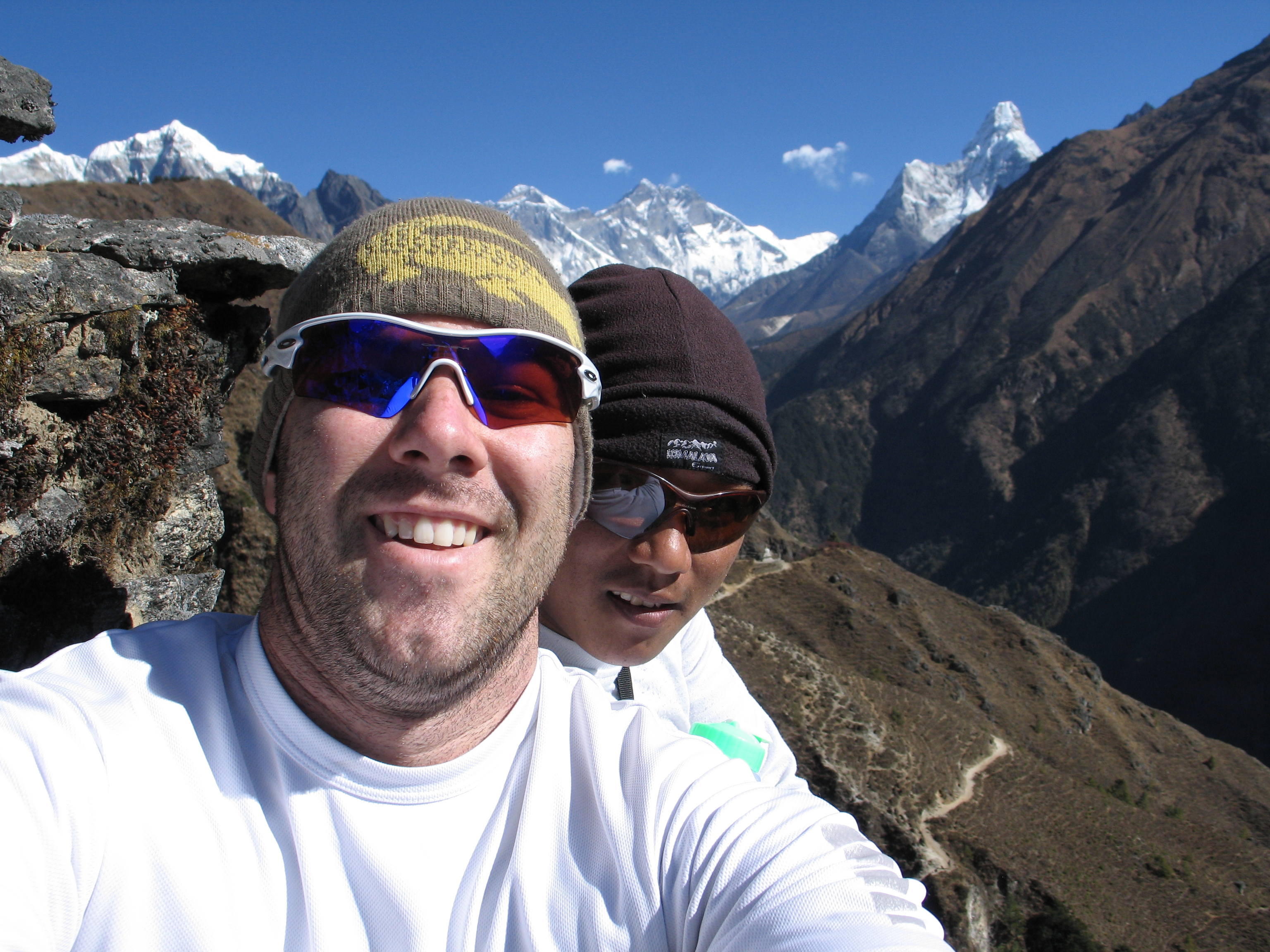
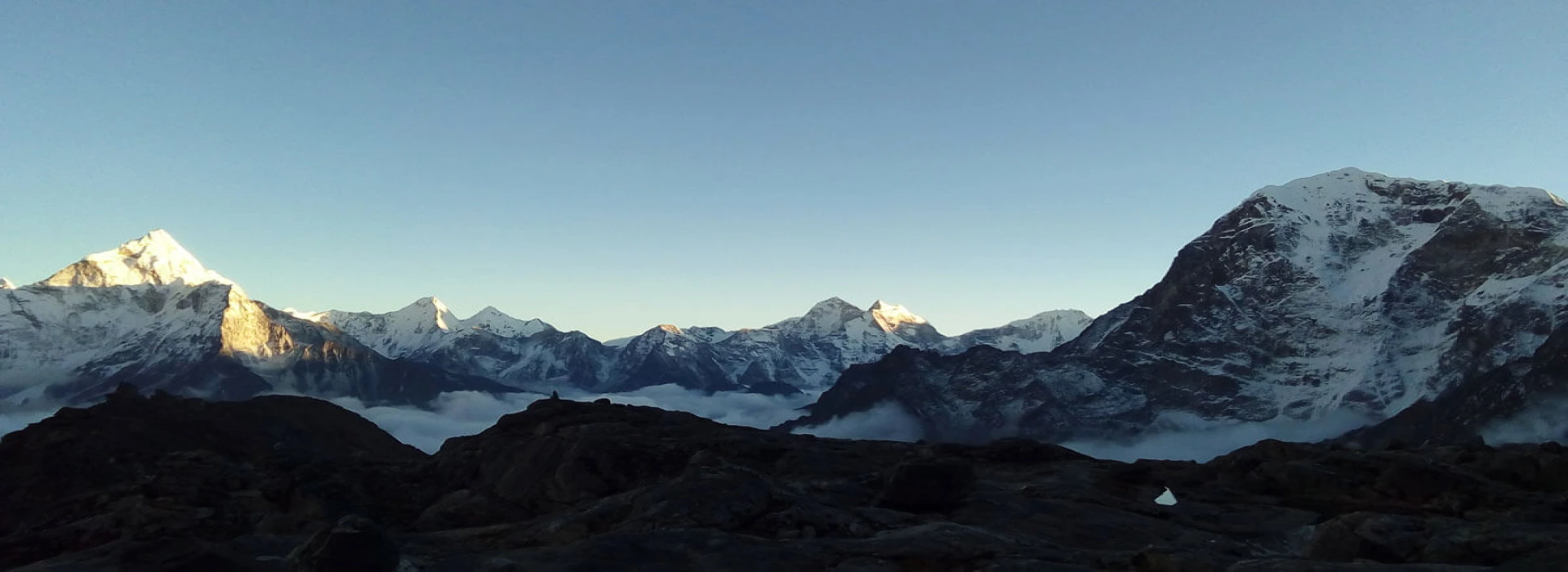
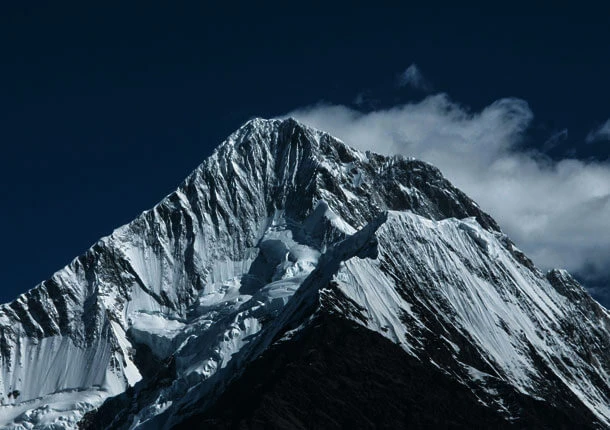
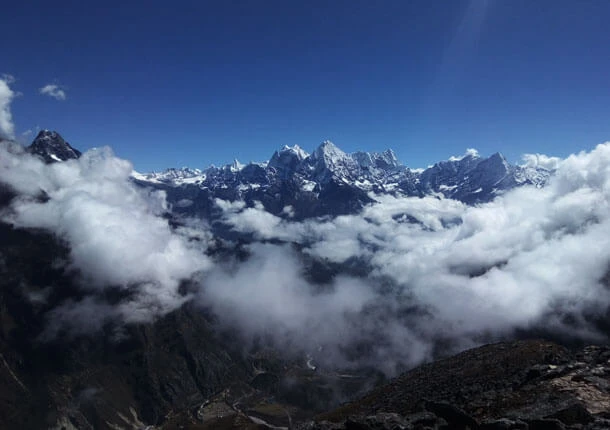
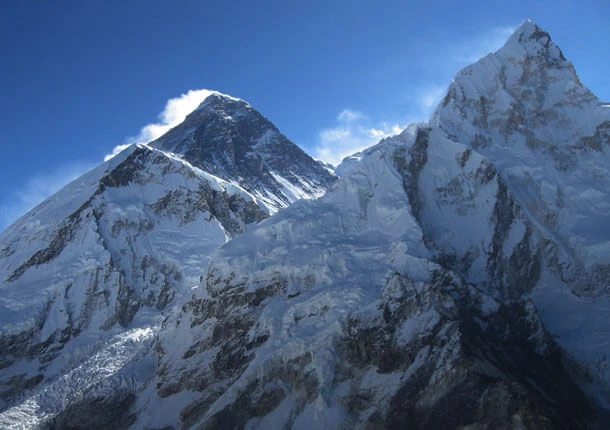
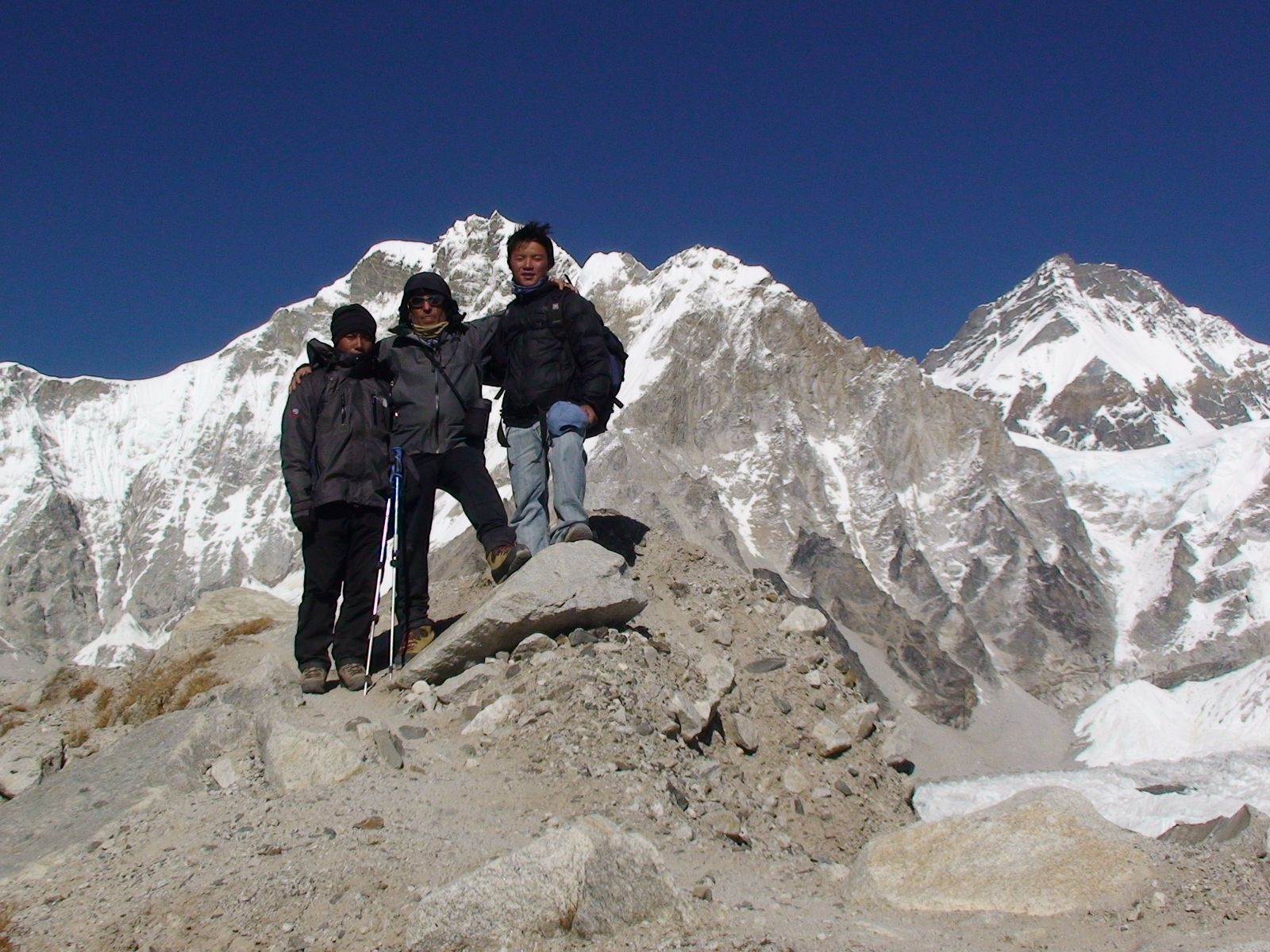
Skies stay noticeably clearer during autumn than in spring, when afternoon haze and occasional dust can soften distant views. Everest, Lhotse, Ama Dablam, and the surrounding peaks appear in sharp, well-defined detail against a deep blue sky, ideal conditions whether standing at Kala Patthar, summiting Gokyo Ri, or simply walking the trail toward Namche Bazaar.
Temperatures during autumn stay genuinely comfortable for trekking too, cool enough at higher elevations to avoid overheating on steep climbs, yet mild enough at lower altitudes that layering stays manageable rather than essential from the very first day. Nights grow progressively colder as the season advances into November, though daytime conditions remain pleasant throughout most of the window.
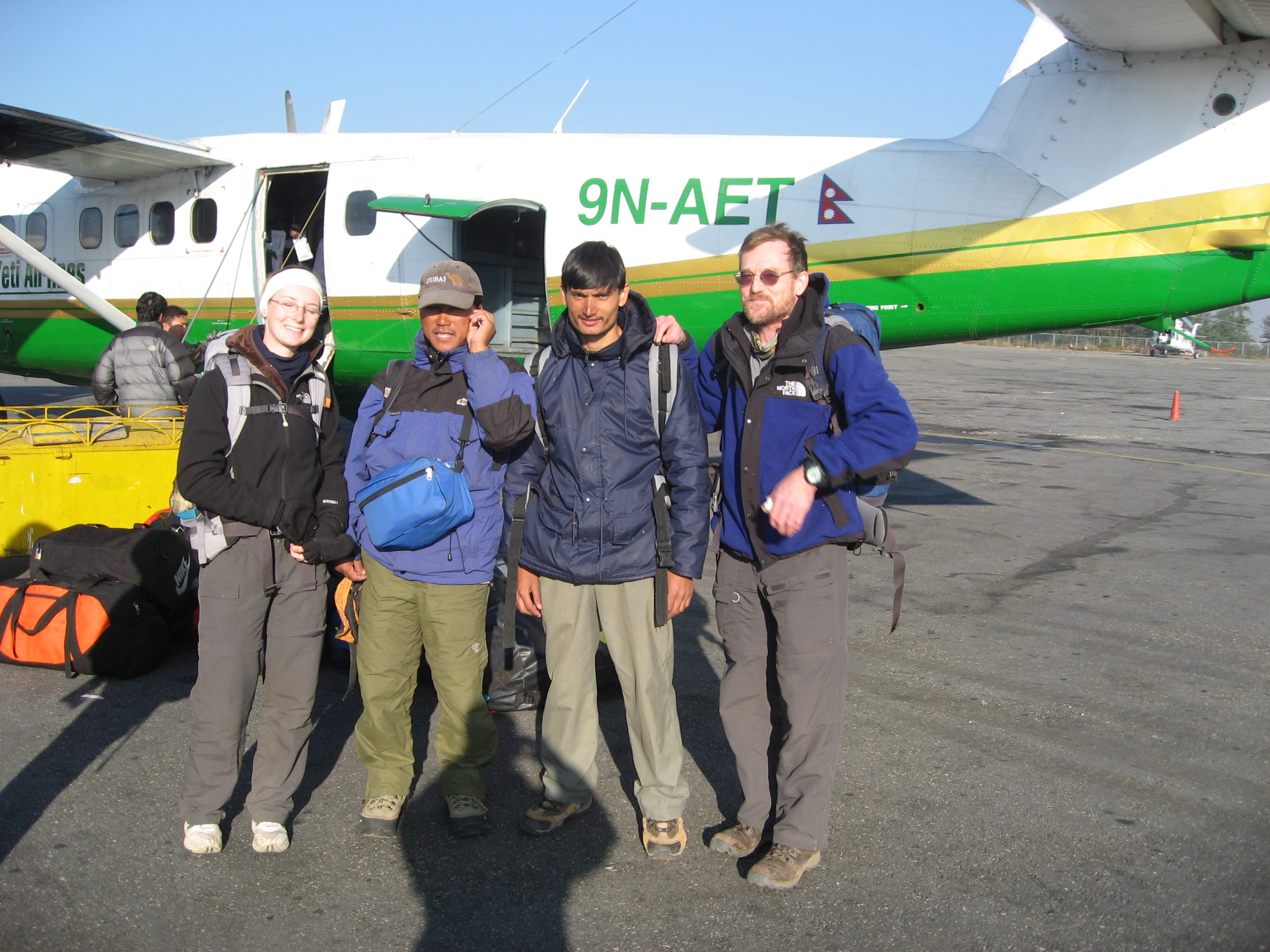
Flight reliability improves considerably during autumn as well. Lukla's short, weather-dependent airstrip sees far fewer delays and cancellations compared with the monsoon season's persistent cloud cover, meaning itineraries stay far more likely to run on schedule from the very first day of the journey.
Trail conditions benefit just as much as visibility does. Paths that turn muddy and slippery during monsoon dry out completely by early autumn, and any lingering winter snow from the previous season has generally melted off exposed sections at lower and mid elevations, leaving firm, dependable footing across most of the standard trekking routes.
None of this means autumn stays free of challenges entirely. Peak-season crowding builds noticeably along popular routes during October and November specifically, and teahouses in high-demand villages like Namche Bazaar and Dingboche can fill up quickly without booking. Even so, the tradeoff of dependable weather, sharp visibility, and reliable logistics makes autumn the season most experienced guides and repeat visitors recommend above all others for a genuinely rewarding Everest region trek.
Everest Trekking in September, October, and November: Month-by-Month Guide
Every month of autumn in the Everest region has its own unique characteristics, and knowing the differences can help you time your trek to the best month for your interests, whether that's sunshine, quietness, or flexibility with your own travel plans.
Early September is still under monsoon influence, with possible rain and cloudiness during the first half of September. The weather gets better and better towards the end of the month, and by the end of September, most of the trails are dry, and the visibility starts to improve significantly. September can be a good option for hikers who don't mind a bit of early-season uncertainty, especially on less-touristy routes such as the Gokyo Renjo La Pass trek, where the solitude can enhance the experience.
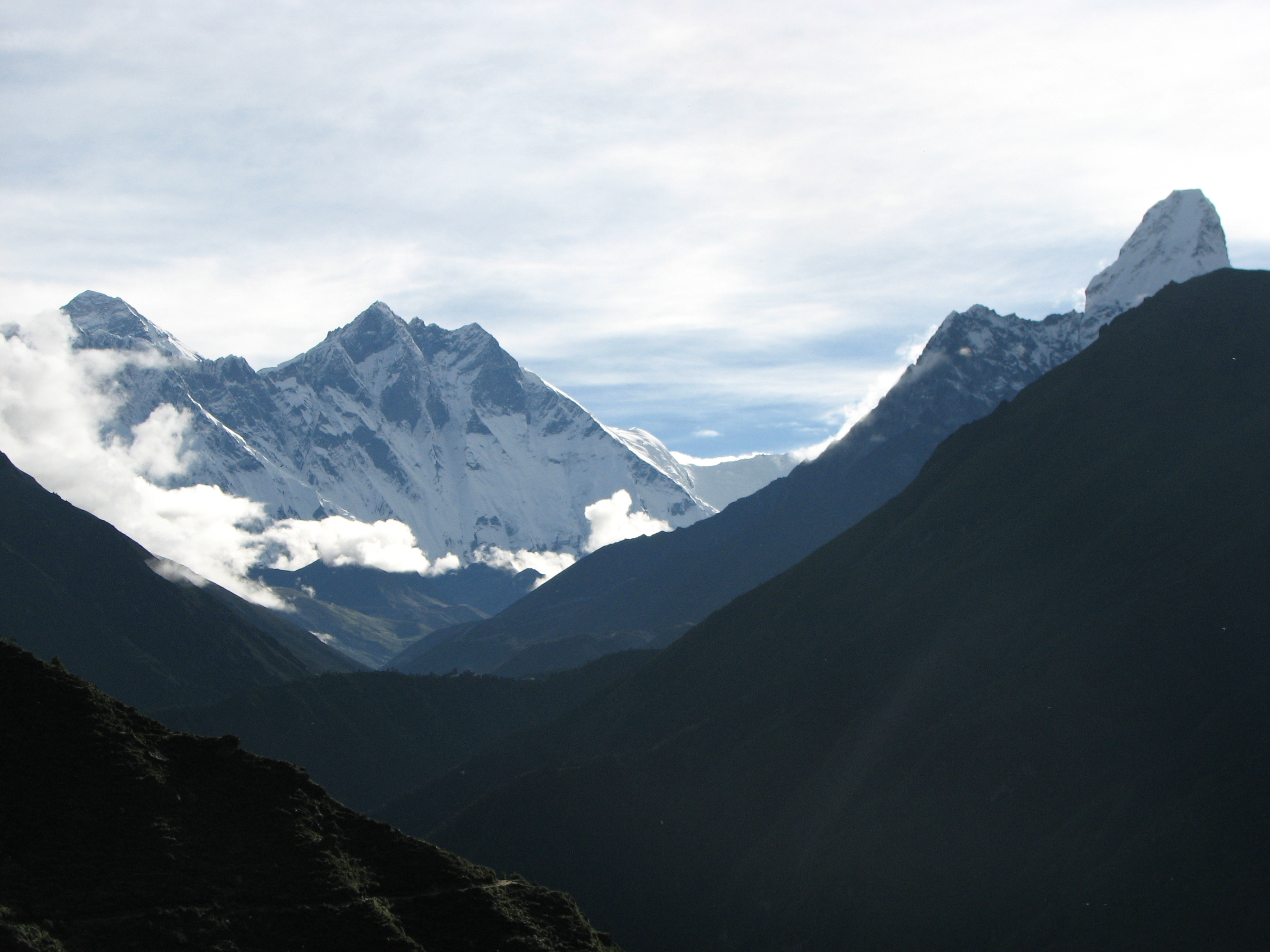
October is the most popular month of the entire Everest trekking season, and the logic is very understandable from the very beginning of the trek. The skies are clear and dry, the daytime and nighttime temperatures are fine for trekking, and flights to Lukla are much more regular than at any other time of the year. However, demand goes up as well: It's not uncommon to see teahouses, such as on the typical Everest Base Camp trek, sold out during busy weeks; booking is a must if you want to travel during that time.
November carries over a lot of what made October so reliable, but there are some changes. As the month goes on, temperatures will definitely cool down, especially at higher elevations, but the skies will remain fairly clear, and even sharper as the air becomes drier and drier. Some trekkers who go up to the challenging routes with technical terrain, such as the Everest Chola Pass trek, prefer to go in November in particular because the snow stability and settled conditions by this stage of the season make pass crossings much more predictable than earlier in autumn.
Each month has its own merits and demerits for every traveller. October is usually the best time to hike, when the weather is generally clear and logistics are more reliable, but people who don't mind a bit more noise and are willing to sacrifice a few degrees of warmth tend to favor September or November. When thinking of the best month to travel, it is important to consider your own tolerance for crowds, cold weather, and flexible schedules as much as it is to know which month is "autumn".
What to Expect: Weather, Temperature, and Visibility in Autumn
Being aware of the reality of the season, not just that “autumn is best,” can help you pack appropriately and also help you have reasonable expectations before you leave. There are significant changes in temperature, visibility, and weather patterns through September, October, and November.
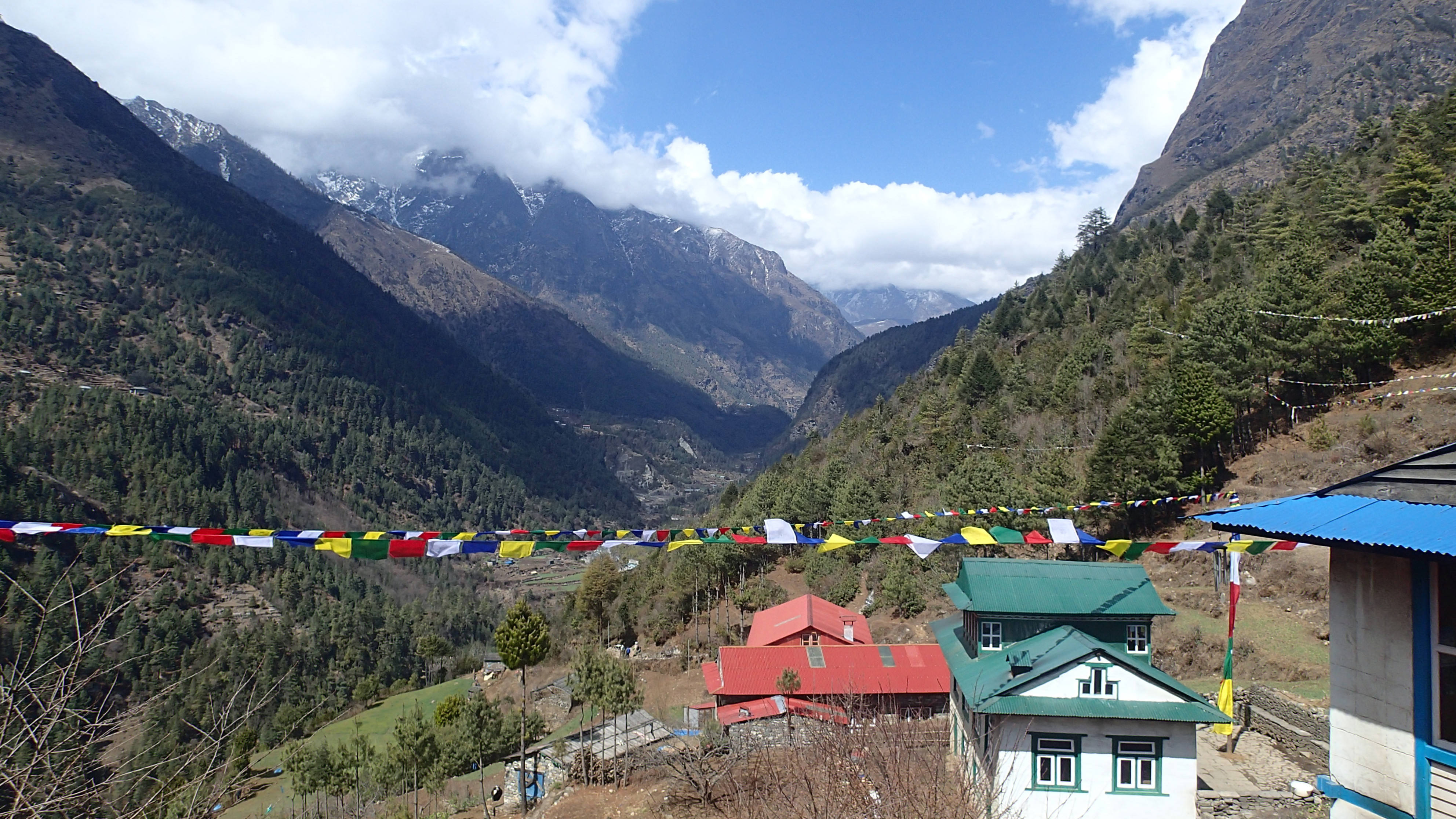
Temperature ranges as a function of altitude.
Daytime temperatures in the autumn in and around Lukla and Phakding are usually in the 15-20 degrees Celsius range, suitable for light layers during trekking hours. At these lower altitudes, nights are far colder, sometimes 5 or 10 degrees.
The daytime temperature is generally somewhere between 10-15 degrees higher up towards Namche Bazaar and Tengboche, with nighttime temperatures hovering near freezing as the days start getting into the autumn months and it gets nearer to November. The temperature near Everest Base Camp and Kala Patthar seldom exceeds 0 to 5 degrees during the day and regularly dips below freezing at night, sometimes to negative 15 to negative 20 degrees by late November.
Visibility Patterns
The early morning hours consistently produce the best visibility during the fall, with skies frequently being clear from dawn until late morning. Clouds will increase in the afternoon but are likely to be light, except around higher summits; the cover during the monsoon season is much greater. The best time to take any difficult viewpoint such as Kala Patthar or Gokyo Ri is early in the morning, and that's something to be built into your daily routine.
How the conditions change during the season
September is still a monsoon month with high humidity in the atmosphere and some afternoon showers, especially in the first two weeks. As the month goes by, the conditions dry out gradually, and by the beginning of October humidity significantly decreases, and dry, crisp autumn air begins to dominate. At the same time, November arrives with the coldest nights of the year, and with the lowest amount of atmospheric moisture, it can sometimes be the best month of the year to see the clearest visibility.
Wind and Weather Stability
Autumn is a more settled time for wind, with it becoming more noticeable at lower and mid elevations close to high passes and exposed ridgelines, especially in the afternoon. In terms of weather leveling, there's no doubt that autumn is weather's best asset, and sudden storms and extended periods of bad weather are significantly less frequent than during the monsoon or winter, giving hikers a more reliable window for planning difficult days on the trail with less contingency-planning padding.
Packing Implications
With these variables, layering is a must, no matter what autumn month you select. Most of the day will be spent in a moisture-wicking base layer and an insulating mid-layer, but a good down jacket and a warm sleeping bag will be required as you head up to Dingboche, Lobuche, and above. If you're traveling in early or late autumn, September and November, you will need a bit heavier an outfit than during the October peak season.
Which Everest Region Trek Suits Autumn Best
Autumn's stable weather and clear visibility benefit every route through the Khumbu, but certain treks make particularly strong use of the season's specific advantages, whether that means glacier conditions, viewpoint clarity, or simply avoiding the heaviest crowds.
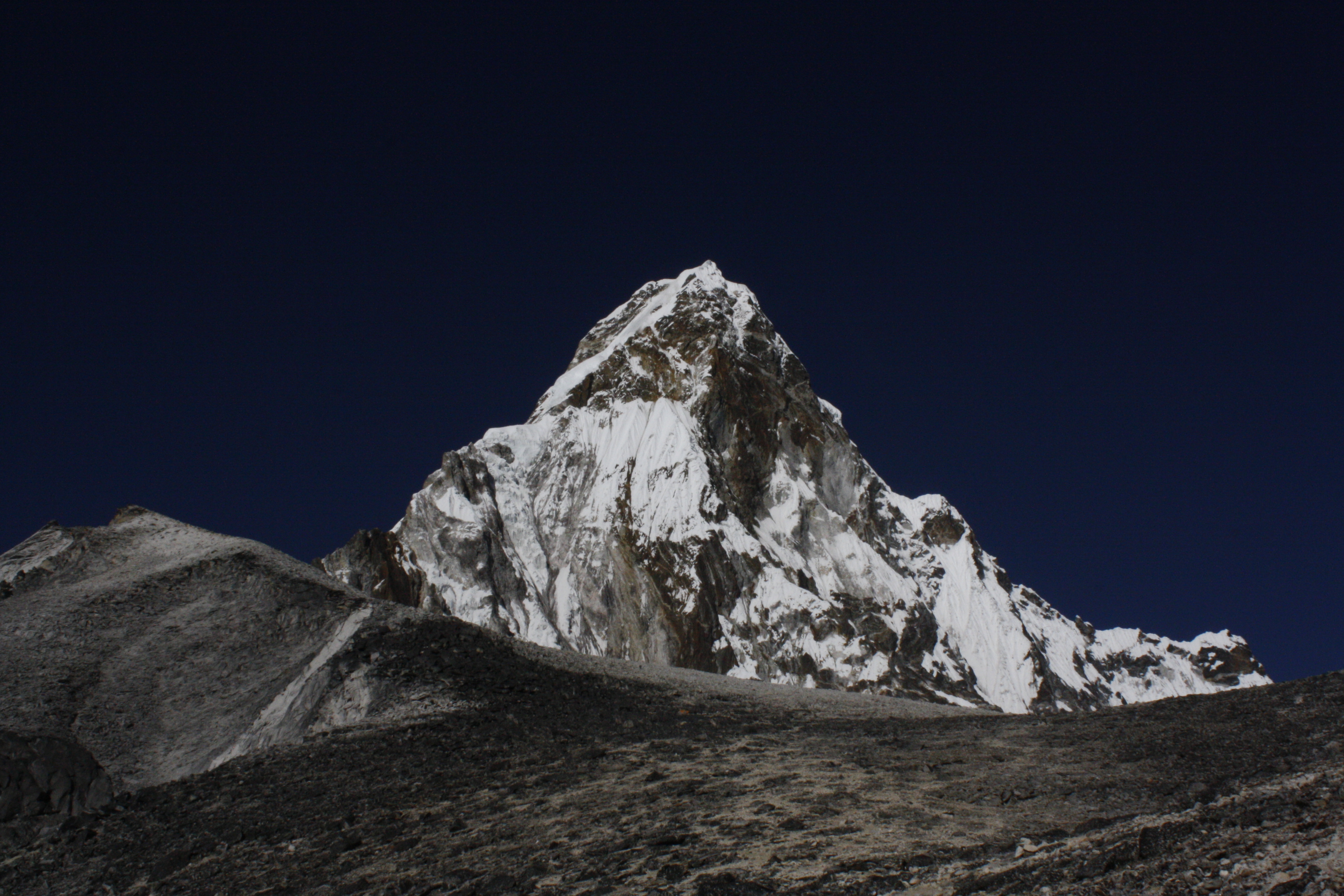
Hikers seeking the classic, most iconic experience naturally gravitate toward the standard Everest Base Camp trek during autumn, when Lukla flights run reliably, and Kala Patthar delivers its sharpest possible sunrise views of Everest. For travelers wanting the same destination with greater comfort along the way, the Everest Base Camp luxury trek pairs premium lodges with autumn's dependable weather, ensuring upgraded accommodation doesn't get undermined by unpredictable flight delays or poor visibility. Those short on time can consider the Everest Base Camp heli trek, which benefits enormously from autumn's stable flying conditions, since helicopter operations depend heavily on clear skies and calm winds.
Travelers wanting a fully personalized pace might prefer the bespoke Everest Base Camp trek, which allows flexible scheduling around autumn's peak-demand weeks, useful for avoiding the heaviest crowds without sacrificing prime-season weather.
For hikers seeking technical challenge, autumn offers genuine safety advantages on routes like the Everest Chola Pass trek, since settled snow conditions by October and November make the glacier crossing considerably more predictable than earlier or later in the year. The Everest Three Passes trek benefits even more from autumn timing, given the extended time spent above 5,000 meters across three separate high-altitude crossings, where stable weather genuinely matters for both safety and morale across such a demanding itinerary.
Hikers prioritizing quieter trails without sacrificing scenery often find the Gokyo Renjo La Pass trek particularly rewarding during autumn, since the route already sees considerably less traffic than the standard Base Camp corridor, and autumn's clear skies make the Gokyo Ri sunrise and Renjo La panorama especially worthwhile.
Matching the right trek to autumn ultimately comes down to personal priorities: iconic status and reliability favor the standard Base Camp route, technical ambition favors Chola Pass or the Three Passes circuit, and those seeking solitude alongside genuine reward find real value in the Gokyo Renjo La route instead.
Clear Mountain Views and Autumn Photography in the Khumbu
Few seasons reward a camera as generously as autumn does across the Everest region. Dry air, little haze, and always clear skies mean that the conditions for the best mountain photography in the trekking season are the clearest and most saturated in October and November.
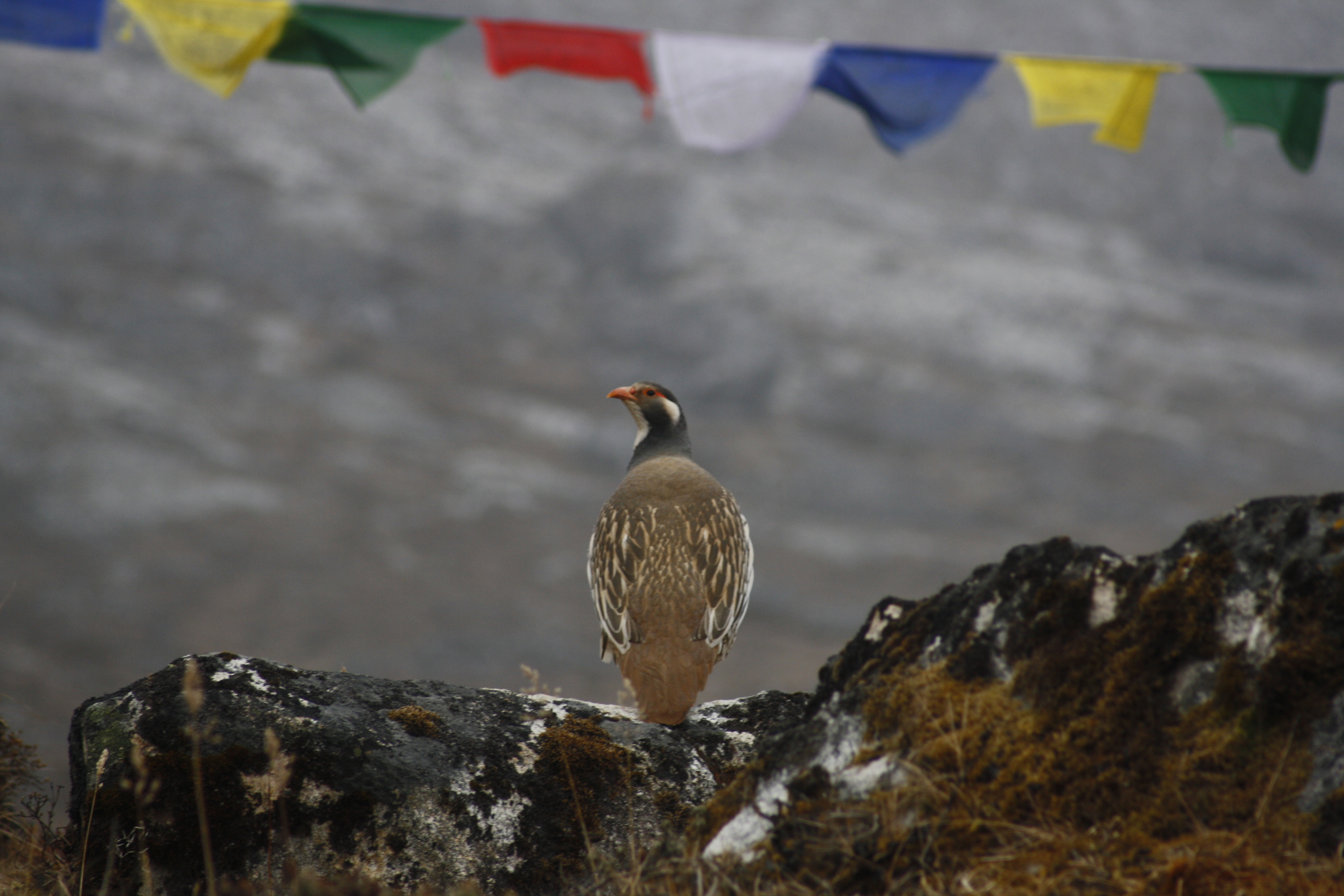
The morning light almost always has the greatest effect throughout the region. At sunrise, peaks are bathed in the early rays of the Sun and are in true contrast, without the haze of the early morning or the cloud of the distant summits. Photographers can be particularly rewarded at places such as Kala Patthar or Gokyo Ri, as they can capture the peaks of Everest, Lhotse, Makalu and Cho Oyu in sharp detail against a deep blue sky, which autumn offers more often than any other season.
Far away peaks remain clearly visible in the fall as well, which is very important for wide-angle views. The characteristic silhouette of Ama Dablam is particularly sharp in the sky during the months of October and November, often accentuated by the whimsical haze that can be expected in the spring, and peaks and other distant summits are visible from vantage points where they may be out of view during other seasons.
Another great element to add to autumn photo shoots in the Khumbu is golden hour light. Prayer flags catch the light of the late afternoon sun, monastery roofs reflect the sun, and the terraced village fields are bathed in warm, low angle sunlight, and early morning frost occasionally covers the stones along the walking trails and the roofs, creating texture and detail less frequently during the warmer seasons. Villages such as Namche Bazaar and Tengboche are especially picture perfect during these transitional light times, and their stone architecture and mountain backdrop are enhanced by autumn's clear air.
There are also seasonal changes in meaning for foreground components. The fall has come and gone, and spring colors are now a distant memory, offering a different, more austere aspect to compositions instead, as in the case of golden grasses, bare branches, and bare alpine terrain. In the autumn months, the glacial lakes on paths such as the Gokyo Renjo La Pass trek are especially colorful with clear skies, especially when compared to hazier days of the year.
Having a proper time is as important as season selection for people who value photography the most. Major viewpoints accessed in the morning (before midday) produce the best results consistently, even in the best weeks of the autumn season, when clouds are sometimes found around higher peaks in the afternoon. Extra batteries are also important; battery life on high peaks is significantly reduced in very cold conditions, which seems obvious until you take out your camera in a blaze of glory at an ideal vantage point while it is dead.
For photographers weighing when to visit specifically for image quality, autumn stands out as the season most experienced guides and repeat visitors recommend without hesitation, a rare stretch of the year where nearly every day offers genuine potential for the kind of clear, dramatic Himalayan photography that draws so many hikers to the region in the first place.
Autumn Festivals in the Khumbu: Mani Rimdu and Beyond
Autumn brings more than clear skies and stable weather to the Everest region. It also coincides with one of the most significant cultural events in the entire Khumbu calendar, adding a genuine reason to time a trek around the season beyond weather alone.
The most famous festival is Mani Rimdu, which is generally celebrated at Tengboche Monastery in October/November each year, with the exact dates changing each year based on the Tibetan lunar calendar. The festival is held over a few days, with elaborate masked dances being performed by monks, representing the victory of Buddhism over the older regional beliefs, as well as chanting, ritual, and community celebration that brings together Sherpa families from villages across the area.
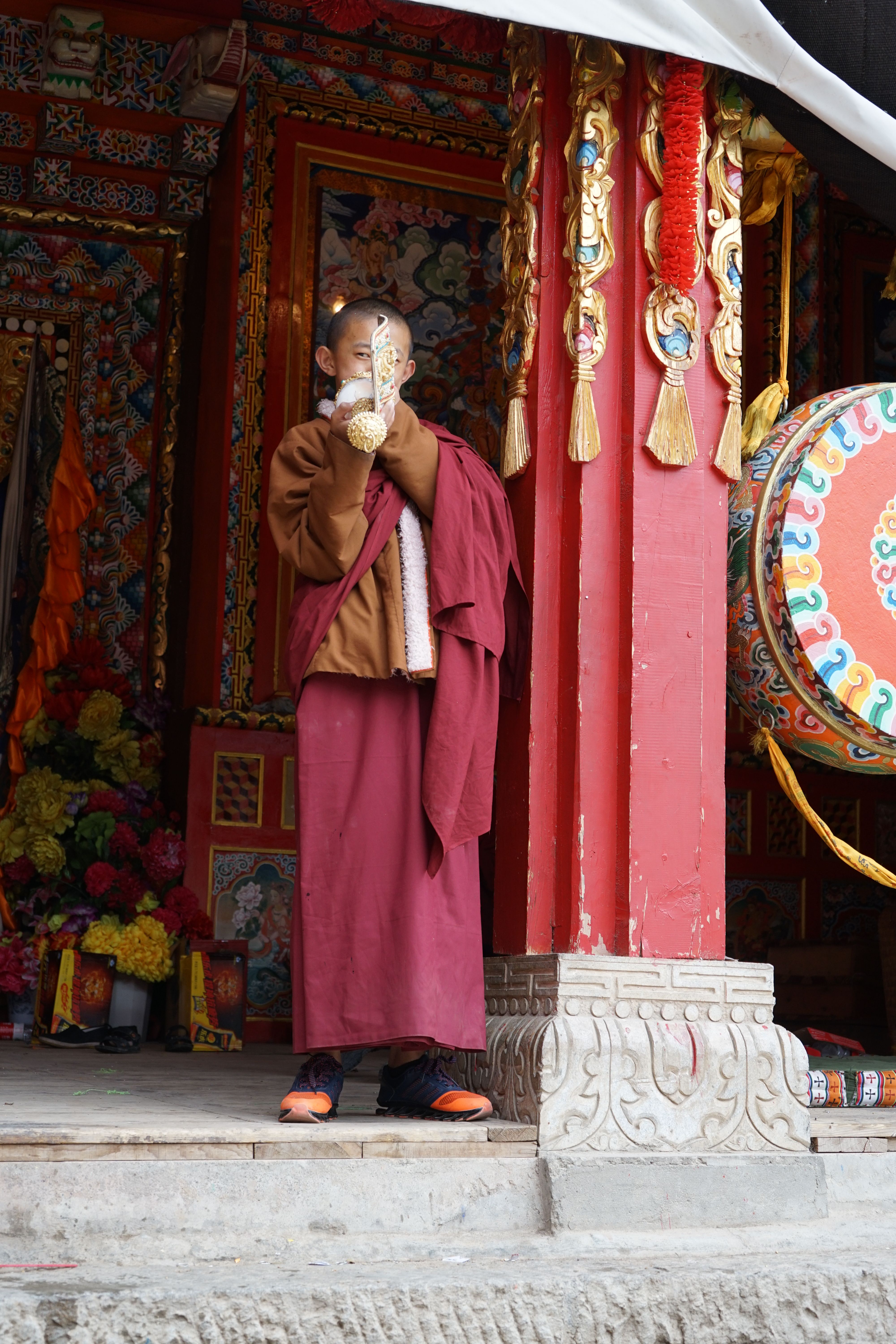
The opportunity to experience Mani Rimdu first-hand is a great addition to the normal trek itinerary that makes it much more memorable than just one night's stay at Tengboche. Colorful masks, traditional costumes, and centuries old ritual dance sequences are performed along with the same dramatic backdrop of mountains that attracts the hiker to this area in the first place, with Ama Dablam rising above the monastery courtyard as the monks perform dances handed down from generation to generation.
It is wise to plan a festival trek, especially if you are keen to see the festival, as exact days vary from year to year and it can be quite difficult to confirm the dates far ahead of time. Trekking operators in this area usually have an accurate idea of the dates of Mani Rimdu each season and can adjust their schedules as necessary to accommodate their clients' travel dates so that they do not miss out on or arrive a day or two too early for the festival.
But the smaller celebration takes place throughout Sherpa villages in the autumn period, as well, around harvest times and local Buddhist events, but not on the same scale or visibility as Mani Rimdu itself. Autumn is also a time when monasteries in the Khumbu tend to be more active, with monks getting ready for the seasonal events, and villages with a slightly more spring in their step than during the rest of the year, due to the timing.
For hikers drawn to cultural immersion alongside mountain scenery, building a trek around Mani Rimdu's dates adds a dimension absent from spring or winter itineraries, a rare opportunity to witness centuries-old Buddhist tradition unfold in one of the most dramatic settings anywhere in the Himalayas.
Crowds and Booking: Navigating Peak Autumn Season
Autumn's reliable weather draws more hikers to the Everest region than any other season, and that popularity carries real practical consequences worth planning around well before departure.
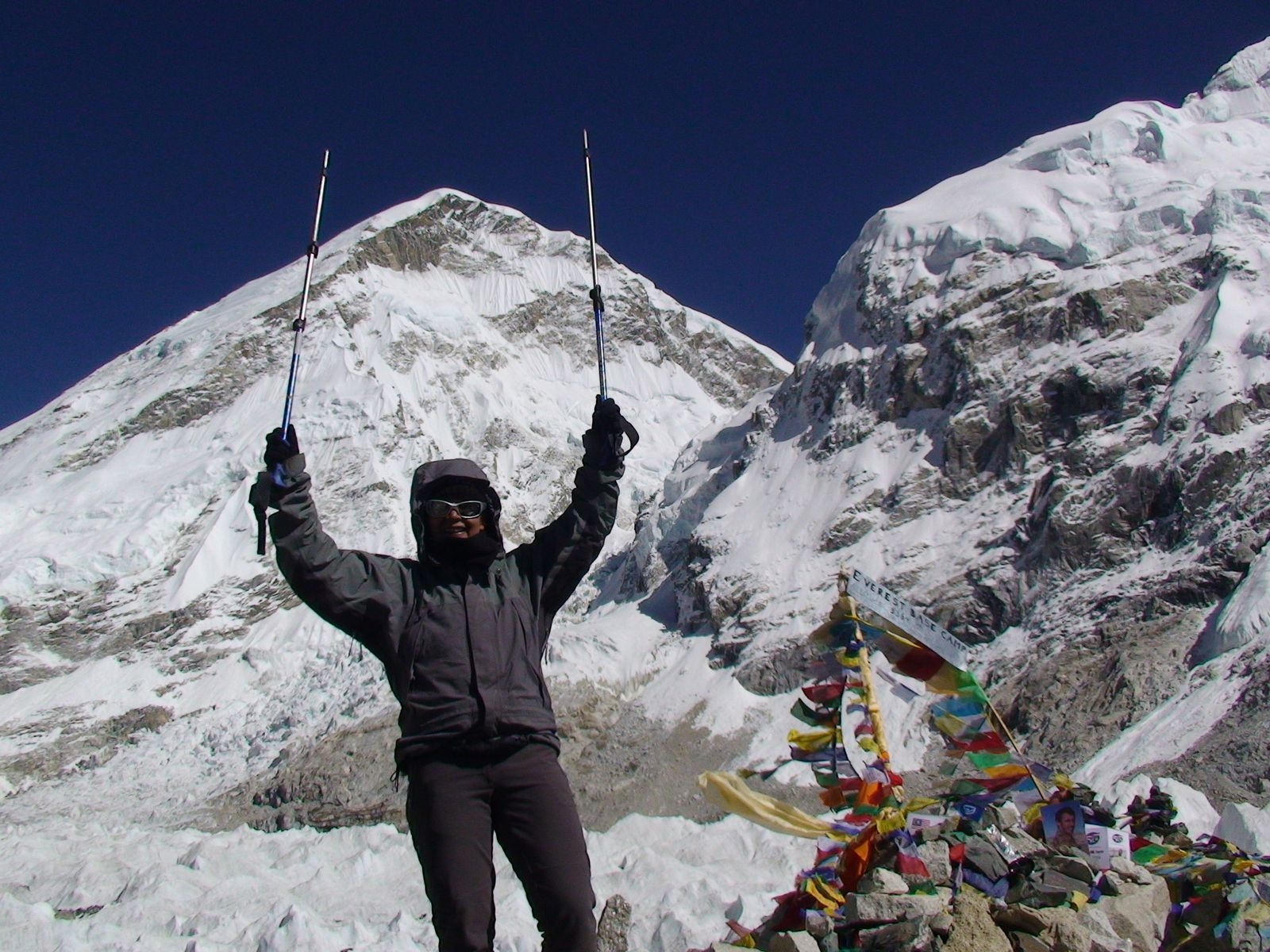
October is the busiest month of the trekking year. In high-traffic weeks, particularly in Namche Bazaar, Tengboche and Dingboche, teahouses get booked up fast, and booking a room without a reservation really means you could end up with a room you didn't want. Lukla flights are under comparable pressure, as there is a limited capacity of flights per day, which can be booked at considerable earlier booking time than in the rest of the year.
For those who like to travel in the peak autumn season, booking becomes an issue of significant importance. Making reservations at least two to three months in advance of an October trip provides a lot more flexibility than waiting until the last minute to book a flight and confirm your trekking package, when popular times and preferred lodges can fill up quickly. Outside of the peak October season, hikes in September and November are also worthwhile alternatives, as there is a definite decrease in the number of people out hiking.
But it is not only accommodation that is affected by trail congestion. Popular spots, such as Kala Patthar or Everest Base Camp itself, can get quite busy in the peak weeks, with groups arriving around the same time in the morning to witness the light of sunrise. Departing earlier or later by thirty minutes or so in each case can often make a significant difference to the level of crowding at certain viewpoints at the time of arrival.
Quieter routes offer a genuine alternative for hikers specifically seeking to avoid autumn's busiest corridors. The Gokyo Renjo La Pass trek sees considerably less traffic than the standard Base Camp route even during peak season, since fewer hikers choose the Gokyo valley over the more famous Base Camp destination. Similarly, the bespoke Everest Base Camp trek allows travelers to adjust timing and pacing around personal preference, useful for shifting a departure slightly outside the most congested peak-season dates.
Booking through an established operator well ahead of an autumn departure removes much of the uncertainty around availability, since experienced companies typically secure teahouse reservations and flight allocations in advance based on confirmed group numbers. For hikers set on trekking specifically during October's peak window, early planning matters just as much as choosing the right season in the first place.
Everest Trekking Cost in Autumn: Budget and Package Guide
The price of trekking in the Everest region is highly variable, depending on the route, duration, and level of service, and the peak season of autumn brings a small premium on most options over shoulder seasons.
Guided packages to Everest Base Camp on the classic route usually cost between US$1,300 and US$1,900 per person, and last 12 to 16 days, including teahouse accommodation, guide and porter support, and basic permits. Generally, premium or luxury versions of the same route will raise the cost to US$2,000 or higher, especially during the busiest weeks in October.
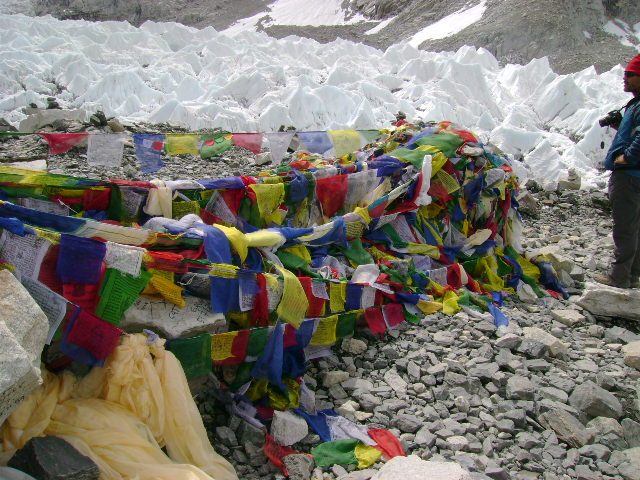
There are technical routes with high pass crossings, and they have a different pricing system. The Everest Chola Pass trek is available for anywhere from 13 to 18 days, with a typical cost of US$1,300 to US$1,900, depending on the group size and inclusions. The Everest Three Passes trek is a more comprehensive trek which covers all three major high passes and Base Camp and is generally more expensive at around US$1,600 to US$2,000, depending on the group size and inclusions, and the duration of the trek is around 18 to 21 days.
There are numerous ways to achieve significant savings while providing a truly unique experience, and they don't necessarily involve the Base Camp corridor. The trek from the Gokyo Lakes to the Gokyo Renjo La Pass is usually priced at US$1,200 to US$1,900 per person, depending on the package level, and may cost as low as US$700 to US$1,100 for those who are looking for more basic accommodation and group packages. This is a less-travelled path than the main Base Camp trail in the busiest weeks of autumn, so one can sometimes find better prices and availability of teahouses than in the more popular Base Camp corridor.
October sees a slight premium for domestic flights between Kathmandu and Lukla, as well as all domestic routes, regardless of the trek. Flights are best booked at least two or three months before the date of departure in October to help avoid price increases at the last minute and to obtain better rates.
The cost of teahouse accommodation is fairly uniform on most routes throughout the year, although if you book on a popular route in the height of the autumn season, it may be more of a necessity than a convenience to make an advance booking. Sometimes day rates are higher for guides and porters, especially those with technical experience on routes such as Chola Pass or on the Three Passes circuit, as the demand is high during the entire season.
September or November are also good months to travel if you want to save money but don't mind the weather conditions, as they have most of the same features as October with lower demand on all routes in the region. If you're looking to trim the fat on your trip, but still want to enjoy the reliable weather of autumn, you can opt for a quieter route such as the Gokyo Renjo La Pass trek rather than the more popular Base Camp corridor, whichever month you choose to travel.
Essential Tips for a Safe Everest Autumn Trek
Autumn's stable weather reduces many of the unpredictable risks found during monsoon or winter trekking, but genuine altitude and mountain conditions still demand careful preparation regardless of season.
Proper acclimatization remains essential no matter how favorable the weather looks on a given day. Dedicated rest days built into a well-structured itinerary, typically at Namche Bazaar and Dingboche, give your body genuine time to adjust to reduced oxygen levels as elevation increases, and skipping these days significantly raises the risk of altitude sickness regardless of how clear the skies appear.
Layering appropriately matters considerably given autumn's wide temperature swings between day and night. Daytime trekking often stays comfortable in moderate layers, but temperatures can drop sharply after sunset, particularly at higher elevations near Dingboche, Lobuche, and Gorak Shep, making a proper down jacket and warm sleeping bag genuinely necessary rather than optional extras.
Booking through a reputable, licensed operator adds a meaningful layer of safety throughout an autumn trek. Experienced guides monitor group members for early signs of altitude sickness, adjust pacing appropriately, and carry the local knowledge needed to make sound decisions if weather or health concerns arise unexpectedly during the journey.
Comprehensive travel insurance covering high-altitude trekking and emergency evacuation deserves serious attention before departure, regardless of how stable autumn weather typically proves. Confirming that your policy covers activities up to at least 6,000 meters, along with helicopter evacuation from remote locations, removes considerable uncertainty should a genuine emergency occur.
Staying well hydrated throughout each trekking day supports both acclimatization and general endurance, with three to four liters of water daily commonly recommended by experienced guides operating throughout the region. Listening closely to your own body and reporting any concerning symptoms early rather than pushing through them remains sound advice regardless of season, since altitude affects individuals differently and unpredictably even under otherwise ideal autumn conditions.
Finally, booking flights and teahouse accommodation well in advance, particularly for an October departure, removes considerable stress from the logistics side of the journey, letting you focus fully on the trek itself rather than last-minute availability concerns once already on the ground in Nepal.
Autumn vs Spring: Which Everest Trekking Season Is Better?
The best seasons to visit the Everest region are the autumn and spring seasons, but it's not necessarily that one season is better than the other;r it depends on the individual.
The air is drier, the haze is less, and the visibility is generally sharper and more consistent throughout the season, making mountain photography and summit views ideal during this season. The visibility is less consistent during the spring season (March-May), but the afternoon haze often reduces visibility of farther distances, while mornings tend to have good visibility for much of the season.
The difference in temperature between the two seasons remains fairly consistent, but spring is a little bit cooler at lower elevations, and fall is a little bit cooler at higher elevations, especially in November. Layering and cold weather gear are needed during both seasons as elevation increases above 4,000 meters.
One thing that fall is never able to compete with spring: rhododendron flowers turn the lower forested parts of the trail into a palette of red, pink, and white, providing a whole new look to the trail in contrast to autumn's more subdued, gold-toned hue. Unlike in spring, autumn trekkers can enjoy Mani Rimdu, the significant festival of the Buddhists at Tengboche monastery in October or November, and have a real cultural experience.
The number of people tends to be similar for both seasons' busiest weeks, with October of the fall season usually surpassing the spring week as the busiest month of the year. Shoulder weeks, typically late March or early May, may be a bit less busy than the autumn shoulder weeks, in September or November, for those who want to avoid the busiest time of the year.
Overall, the fall offers a slightly better opportunity for those who want the best possible mountain vistas and cultural experiences. If you're in love with colorful gardens and slightly cooler lowland air, then spring is an attractive option. Neither season represents a clearly wrong choice, and many experienced guides ultimately recommend choosing based on personal scheduling flexibility and specific priorities rather than treating one season as definitively superior to the other.
Frequently Asked Questions
Is it really the best time to trek in the Everest region in the fall?
Autumn is generally the best season of the year to visit Lukla, with the clearest skies, more consistent weather, and more consistent flights. Spring comes in a close second, but in general, autumn is better for visibility and predictability.
Which month of the autumn season should I go? September, October, or November?
October offers the best weather and the most crowds. There's a quieter, but still somewhat unpredictable, alternative to September early in the season, and November brings great visibility and noticeably fewer crowds as the chill sets in.
What is the temperature like at Everest Base Camp in the fall?
The temperature at Base Camp is usually in the range of 0 to 5 degrees Celsius during the day, and below freezing at night, often to negative 15 to negative 20 degrees by late November.
Will you have to make the trek well in advance and travel in October?
Yes. October is the busiest month of the year, so make your flights and teahouse reservations at least two or three months in advance to have a lot more flexibility than booking nearer to departure.
What is Mani Rimdu and can you time your walk around it?
Mani Rimdu is a major Buddhist festival at Tengboche Monastery usually observed in October or November, which includes masked dances and ritual celebration. The exact dates vary by year based on the Tibetan calendar, and it is important for those who wish to experience the festival firsthand to confirm dates well in advance of their travel.
What are the most suitable times of the year to go on a trek in the Khumbu?
Yes, definitely the best time of the year! In the fall, the weather is dry, and there is little haze, which provides great conditions for taking photos of Everest, Lhotse,se and the surrounding peaks, especially in the early morning hours.
In which regions of Everest is autumn the best time to trek?
While these are all good for every route, the settled snow in autumn can really benefit technical ones such as the Everest Chola Pass trek and Everest Three Passes trek, and there are other quieter routes like the Gokyo Renjo La Pass trek which are great alternatives for those who want to avoid the peak season crowds.
Will helicopter flights and heli trek options be impacted by fall weather?
Yes, favorably. Helicopter operations are more reliable than in the monsoon or winter seasons, with the stable and clear weather conditions in the fall season providing a better environment for flights to and from routes such as the Everest Base Camp heli trek.
Is fall a good time for first timers to climb high?
Yes. The consistent weather patterns and trail conditions during Autumn make it a great time for first timers to make a high-altitude hike. There is less uncertainty in the weather and conditions during this time of year.
The Season the Mountains Choose to Speak
Every season in the Khumbu has its own voice, but autumn speaks the clearest. Monsoon clouds lift, dust settles, and the peaks that hide for months finally step forward, sharp-edged against a sky scrubbed clean by weeks of dry wind. This is the Everest region at its most honest, nothing softened by haze, nothing hidden behind cloud, just Everest, Lhotse, Makalu, and Cho Oyu standing exactly as they are.
Walk into Namche Bazaar in October, and the whole valley hums with quiet certainty, trekkers moving with purpose, prayer flags snapping crisp in cold morning air, teahouse fires lit early against the chill. Push on toward Tengboche during Mani Rimdu, and centuries-old dance and ritual unfold beneath Ama Dablam's silhouette, a reminder that these mountains have always been more than scenery; they are lived in, prayed to, and celebrated by the people who call them home.
Autumn asks something of you too: patience with the crowds, planning ahead of the season's demand, respect for the altitude no clear sky can soften. What it gives back is generous: sunrise at Kala Patthar with nothing between you and Everest, turquoise lakes at Gokyo mirroring a sky without a single cloud, a high pass crossed exactly when conditions allow it to be crossed safely.
Nepal has many seasons worth visiting. Autumn is the one where the Everest region finally shows you everything it has been holding all year, clear, unhurried, and entirely worth the wait.