Why Nepal Is the Ultimate Adventure Destination
Few countries pack in quite what Nepal does within a single trip. Himalayan landscapes, deeply rooted cultures, dense jungle wildlife, whitewater rivers, and centuries old cities all sit within a few hours' drive of one another, which is part of why Nepal keeps showing up on lists of the world's most complete adventure destinations. It's rare to find a country where the range of adventure activities in Nepal covers everything from mountain flights to jungle safaris without ever feeling like separate trips stitched together.
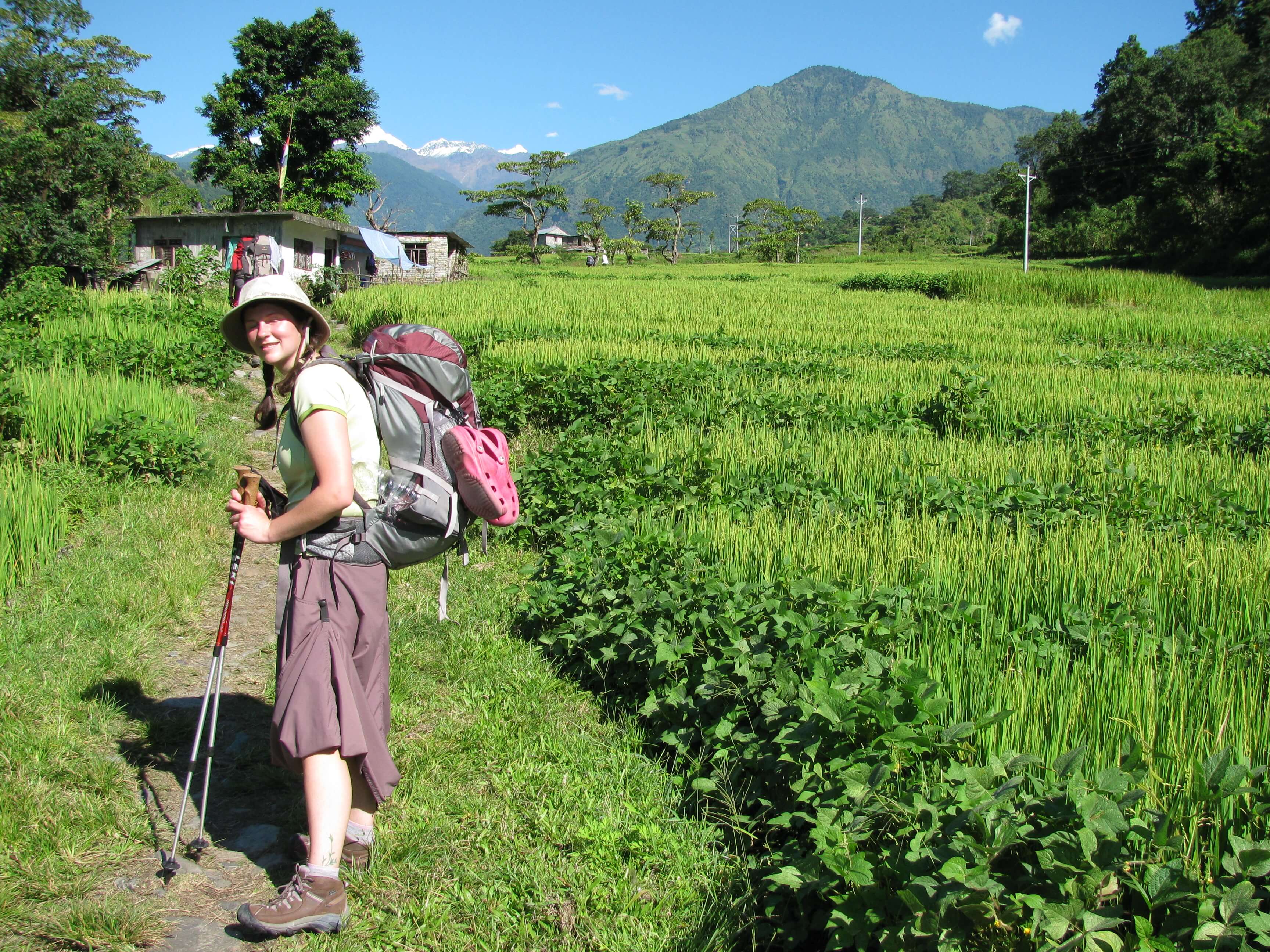
What makes Nepal distinct is that adventure here was never limited to trekking or mountaineering, even though those are what the country is best known for. A mountain flight over Everest offers Himalayan scale without a single day of walking. Jungle safaris through Chitwan or Bardia bring wildlife encounters that have nothing to do with altitude at all. River rafting on the Trishuli or Seti adds a fast paced, physical thrill for a single afternoon, while Pokhara's lakeside setting offers boating and sightseeing at a far gentler pace, ideal for travelers looking for adventure without the intensity. Layered through all of it are Nepal's cultural and heritage tours, Kathmandu's Durbar Squares, ancient temples, and living traditions that turn sightseeing into something closer to time travel.
This range is exactly what allows Nepal to work for such different kinds of travelers. A single journey here can combine genuine adventure with time in nature, cultural immersion, and real relaxation, without forcing a choice between them, something increasingly popular on a Nepal soft adventure tour, where lighter activities like boating, sightseeing, and short scenic flights sit alongside the occasional adrenaline rush.
Each region of Nepal offers its own version of this balance. What follows is a closer look at how Kathmandu, Pokhara, Chitwan, and beyond each deliver a different mix of thrill, culture, and nature, so you can figure out which combination fits the trip you're after.
Exploring Kathmandu's Heritage and Living Culture
If Nepal's landscapes are its adventure, Kathmandu Valley is its soul. As the cultural and historical heart of the country, it's less a single city than a dense cluster of ancient towns, Kathmandu, Patan, and Bhaktapur, each built around centuries old temples, stupas, and palace courtyards that still function as living spaces rather than museum pieces. This is where many Nepal adventure tours begin, not because the valley offers thrills in the traditional sense, but because it sets the cultural context for everything that follows in the mountains, jungles, and rivers beyond it.
Four sites capture the valley's depth best. Kathmandu Durbar Square, once the seat of the old Malla kings, is packed with intricately carved temples and palace architecture found nowhere else in the world. Pashupatinath Temple, one of the holiest Hindu sites dedicated to Shiva, sits on the banks of the Bagmati River, where cremation rituals and daily worship unfold openly along the ghats. Boudhanath Stupa, one of the largest Buddhist stupas on earth, draws a steady flow of pilgrims circling its base, prayer wheels turning under strings of fluttering flags. And Swayambhunath, the hillside stupa long nicknamed the “Monkey Temple,” offers sweeping views over the valley alongside centuries of Buddhist history carved into its stone.
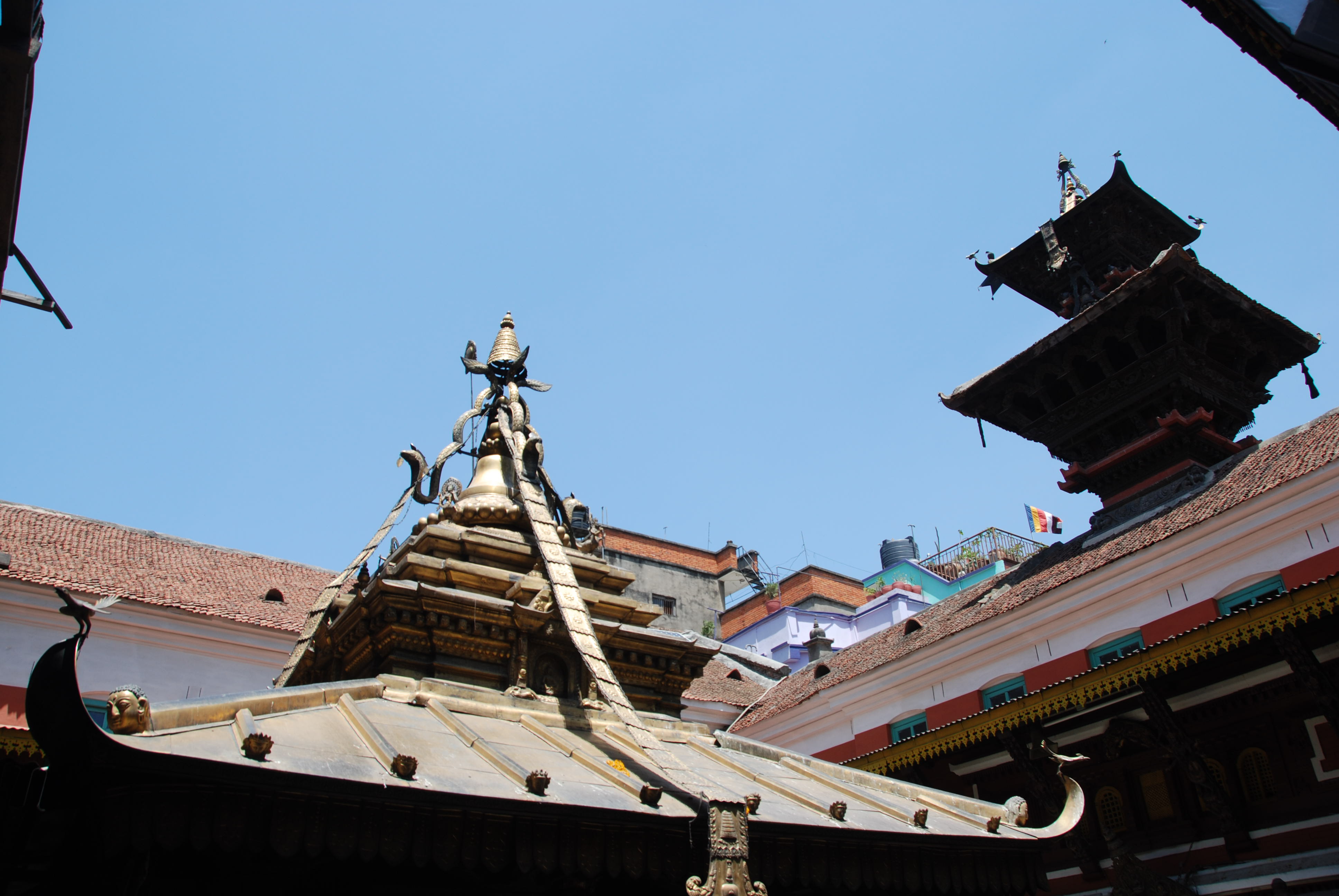
What's striking across all four is how naturally Hindu and Buddhist traditions coexist here, often within the same courtyard or even the same shrine, a reflection of a living Hindu Buddhist heritage in the Kathmandu Valley that has shaped Nepali identity for centuries rather than kept the two traditions separate.
One tradition captures this blending especially well: the worship of the Kumari, a young girl chosen through a rigorous selection process and revered as a living goddess. Housed in the Kumari Ghar just off Kathmandu Durbar Square, she appears briefly at her window to bless crowds and plays a central ceremonial role during festivals like Indra Jatra, a practice that exists nowhere else in the world and captures just how alive Kathmandu's traditions still are.
That sense of a living culture runs through the rest of the valley too. Festivals like Indra Jatra, Dashain, and Holi transform the streets into something closer to theater than tourism, while Newari traditions, distinctive architecture, food, and craftsmanship still shape daily life in Kathmandu, Patan, and Bhaktapur. A day or two is enough to see the highlights, but three days gives room to add Patan and Bhaktapur properly rather than rushing between the two. This depth is precisely why a well planned Nepal Discovery Tour typically builds in real time here rather than treating Kathmandu as a one day stopover before heading to the mountains.
Kathmandu, in that sense, is where adventure and culture first meet on a Nepal trip, not through altitude or adrenaline but through the weight of history still being lived out in temple courtyards and city streets. From here, the next stops carry that same spirit of discovery into the Himalayas and beyond.
Mountain Flights: The Himalayas Without the Trek
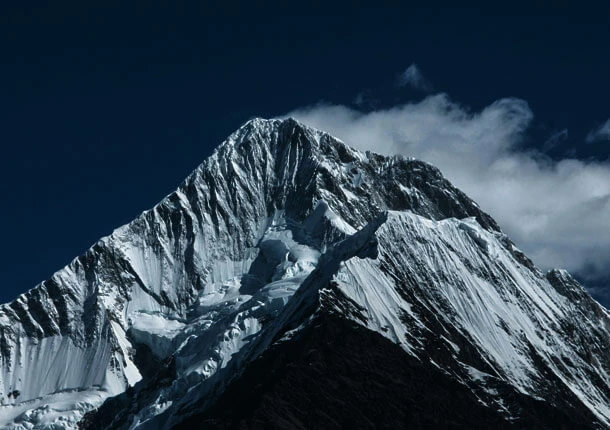
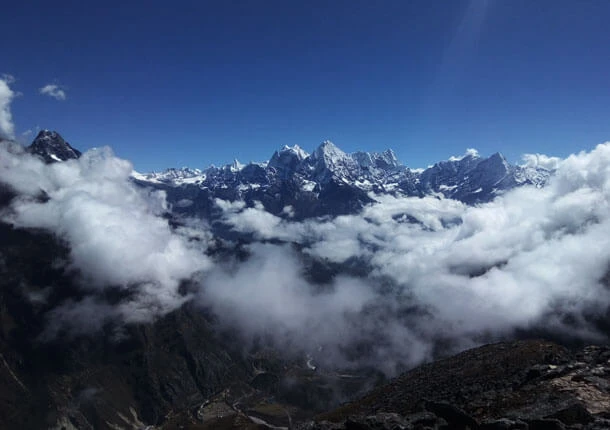
For travelers who want the Himalayas without committing weeks to reach them, a mountain flight is Nepal's most efficient answer. It's one of the most popular things to do in Nepal for exactly that reason: a single scenic flight out of Kathmandu delivers close up views of Everest, Annapurna, and Langtang in under an hour, no trekking boots or acclimatization required.
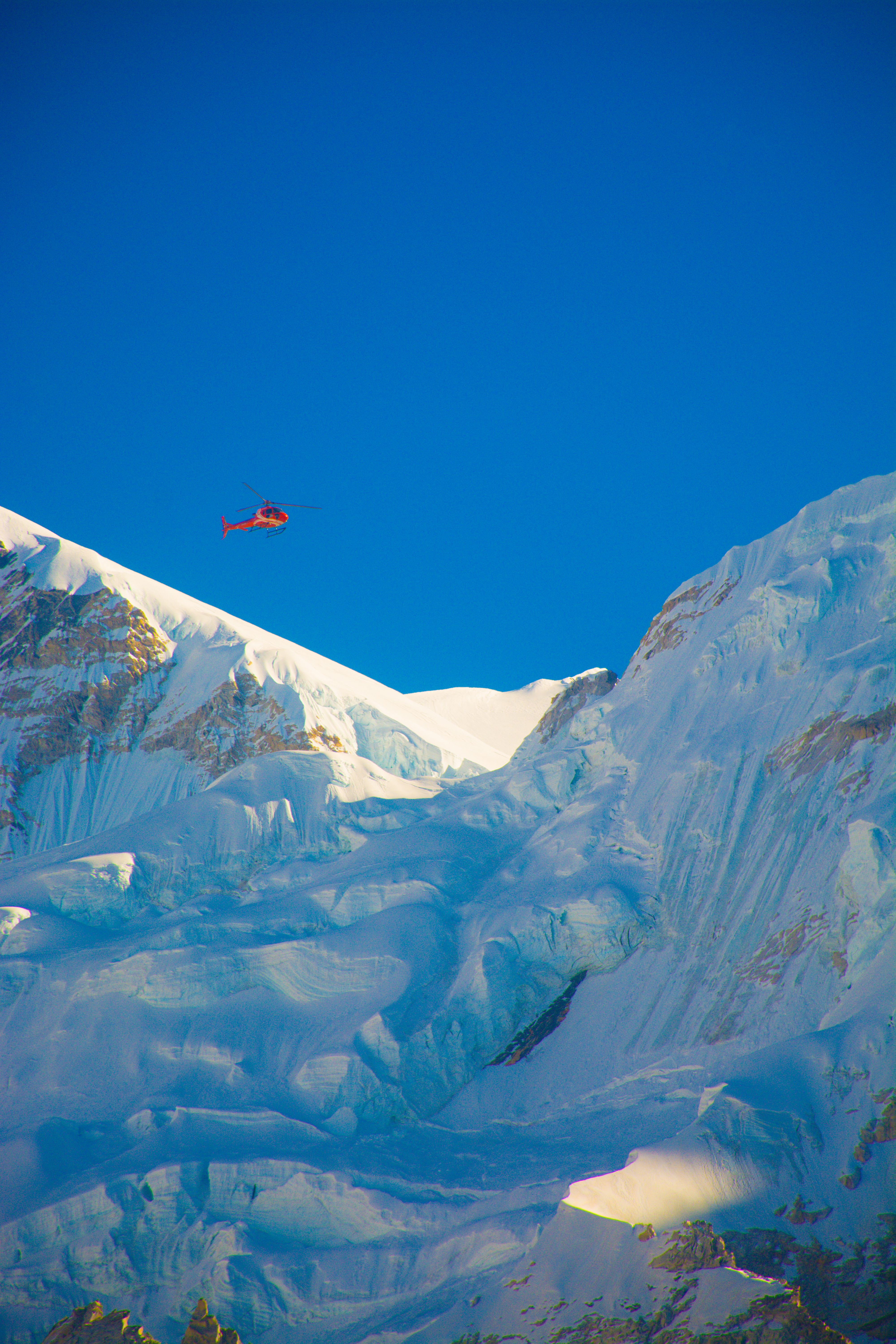
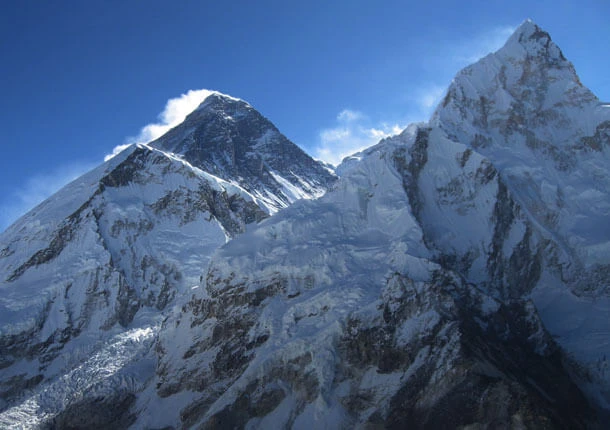
The experience itself is simple but genuinely dramatic. Small aircraft climb out of the Kathmandu valley and track along the Himalayan range, giving every passenger a window seat and, on the popular Everest flight, a rotation through the cockpit for an unobstructed view as the plane passes Everest, Lhotse, and the surrounding giants at close range. The flight itself runs about 45 to 60 minutes, typically departing early in the morning when skies are clearest, and it operates most reliably from September through May; the summer monsoon months bring enough cloud cover that flights are more likely to be delayed or cancelled.
What makes mountain flights especially valuable is who they open the Himalayas up to. Travelers with limited time, physical limitations, or simply no interest in a multi day trek still get a genuine, unforgettable encounter with the world's highest mountains. It pairs naturally with the rest of a Kathmandu based itinerary too, easy to slot in alongside a morning at Boudhanath or Pashupatinath, without reshaping the whole trip around it.
For travelers who do want to go deeper into the mountains on foot, trekking remains the other route, but that's a longer journey in its own right. As a standalone adventure, the mountain flight earns its place for one simple reason: it turns the Himalayas from a distant backdrop into something you've actually seen, up close, in a single morning.
From the thin air of the high Himalayas, Nepal's adventure landscape shifts entirely next, down into the warm, dense jungles of the Terai, where wildlife safaris offer a completely different kind of encounter.
Adventure on the Water: Rafting and River Experiences in Nepal
Nepal's rivers offer a completely different register of adventure from its mountains, less about scale and stillness, more about speed, sound, and momentum. Rafting is one of the most energetic adventure activities in Nepal, and it's also one of the most accessible, requiring no prior experience and no more than a day carved out of an itinerary otherwise built around temples and mountain views.
The Trishuli River is where most travelers start, and for good reason. Just a few hours from Kathmandu, it's become the country's most popular rafting river, with rapids generally rated Grade II to III, manageable for first timers while still offering real bursts of whitewater. Most trips run as a single day, though multi day options exist for travelers wanting to combine rafting with camping along the riverbank. The rhythm of a Trishuli rafting trip alternates between short bursts of adrenaline through the rapids and quieter drifts where the valley itself takes over, terraced hillsides, small riverside villages, and forest running right down to the water's edge.
For travelers wanting something more intense, Nepal's rivers scale up considerably. The Bhote Koshi, fed by glacial meltwater and dropping fast through a narrow gorge close to the Tibetan border, reaches Grade IV and V in places, some of the most technical whitewater in the country, built for those chasing a more serious adventure rather than a scenic introduction. The Seti offers a gentler Grade II to III middle ground near Pokhara, well suited to families and first timers, while the Kali Gandaki carves through one of the deepest gorges on earth, adding real geological drama to the rafting itself. Between these options, a Nepal river trip can be as relaxed or as intense as a traveler wants it to be.
What ties all of these rivers together is the landscape they move through. Rafting in Nepal rarely feels separate from the country's culture and geography, since every stretch of river cuts past hillside farms, small settlements, and forest, offering a completely different vantage point on rural Nepal than a road or trekking trail ever could.
Something is fitting about the contrast, too. Where the Himalayas ask for patience and slow, deliberate movement, Nepal's rivers move fast and demand a different kind of attention, quick reflexes, teamwork with a raft full of strangers, and a willingness to get thoroughly soaked. It's the same country, but a completely different pulse, and it's exactly that range, between mountain stillness and river energy, that makes Nepal such a complete adventure destination.
Into the Wild: Nepal's Jungle Safari Experience
Drop down from the Himalayas, and Nepal changes entirely. The Terai lowlands, flat, humid, and thick with forest and grassland, offer one of the sharpest contrasts anywhere in the country, trading snow capped peaks for dense jungle and river plains within just a few hours' travel. It's here that Nepal culture and nature come together in a completely different way than in the mountains, through wildlife, forest, and the traditions of the communities who've lived alongside them for generations.
Chitwan National Park is where this experience is at its best. As one of Nepal's premier wildlife destinations, Chitwan is home to a genuinely impressive range of species, including the endangered one horned rhinoceros, spotted deer, marsh crocodiles, wild elephants, and, for the fortunate few, the elusive Bengal tiger. Add in over 500 recorded bird species, and Chitwan holds its own against far better known safari destinations elsewhere in the world. Most visitors spend two to three days here, enough time for a couple of safari activities without feeling rushed, and the dry season from October to March offers the best wildlife visibility, since animals gather more predictably around rivers and waterholes.
Exploring the park comes in several forms, each offering a different pace and perspective. Jeep safaris cover the most ground, pushing deeper into the park's forest and grassland in search of rhinos and, with luck, elephants. Canoe rides along the Rapti River offer a quieter approach, gliding past sunbathing crocodiles and riverside birdlife at eye level with the water. Guided nature walks, led by experienced local trackers, bring a slower, more attentive kind of encounter, reading footprints and signs of movement on foot rather than from a vehicle. Together, these different ways of exploring the jungle give travelers a rounded sense of Chitwan's ecosystem rather than a single quick drive through.
The landscape itself is part of the draw. Dense sal forest gives way to open grassland and winding river channels, and on clear days, the Himalayas are still visible on the horizon, a striking reminder of just how much variety sits within Nepal's relatively small footprint.
Beyond the wildlife, Chitwan carries a strong cultural layer too. The Tharu people, indigenous to the Terai, have lived alongside this landscape for centuries, and a visit to a Tharu village offers a window into their traditions, distinctive stilted architecture, farming practices shaped by the floodplain, and cultural performances that are as much a part of the Chitwan experience as the wildlife itself.
It's this combination, wildlife, landscape, and culture together, that makes Chitwan such a clear example of why Nepal's adventure experiences extend so far beyond trekking and mountains. A well rounded Nepal Classic Tour typically includes time here for exactly that reason, pairing the mountains with an entirely different side of the country.
From the jungle's heat and density, the next stop shifts again, this time to Pokhara, where lakes, mountain viewpoints, and a far more relaxed pace of travel await.
Pokhara: Lakeside Calm Beneath the Himalayas
If Kathmandu is Nepal's cultural heart and the Terai its wild edge, Pokhara is where the country exhales. Set against a backdrop of the Annapurna range, it's a place where Nepal Adventure Experiences shift into a slower gear, without losing any of the scenery or excitement that draws travelers here in the first place. Most travelers spend two to four days in Pokhara, long enough to combine the lake, a sunrise viewpoint, and at least one adventure activity without feeling rushed.
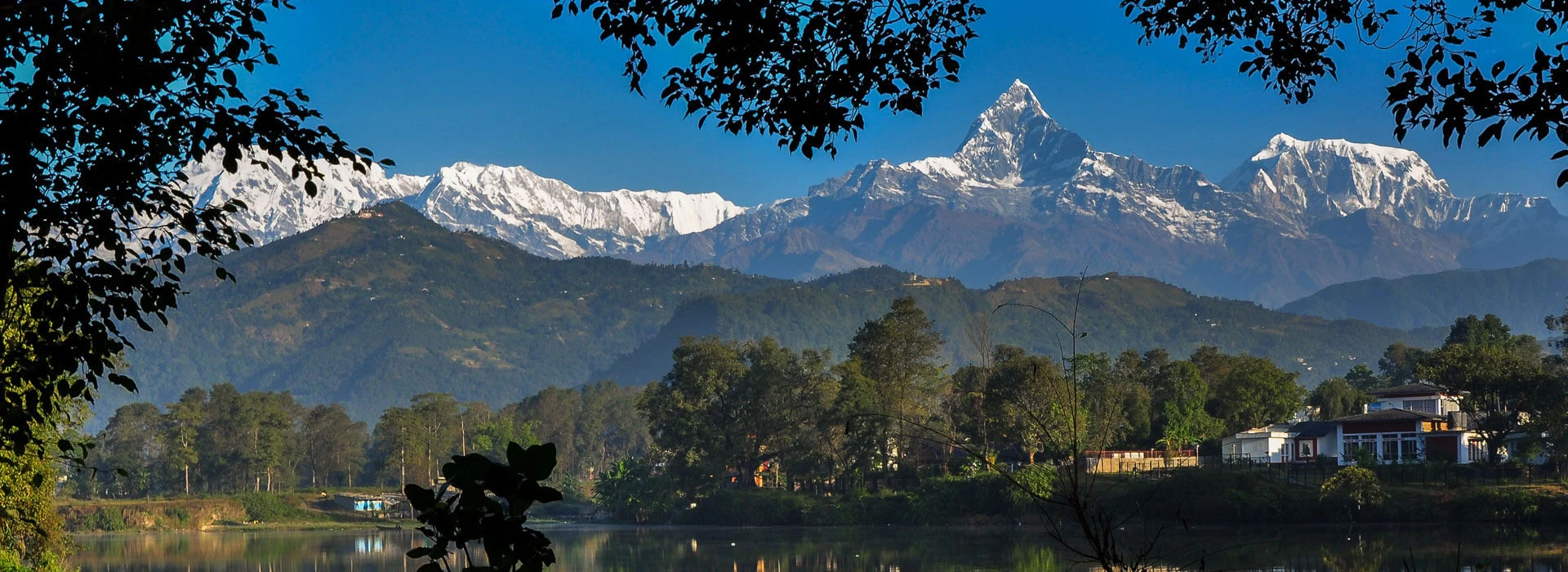
Phewa Lake sits at the center of it all. A slow boat ride across the water, with the Annapurna range reflected on its surface and the small Tal Barahi Temple perched on its own little island, is one of the most quietly memorable experiences in Nepal, adventure measured in stillness rather than adrenaline. It's the kind of thing that's easy to underestimate on paper and hard to forget once you've actually done it.
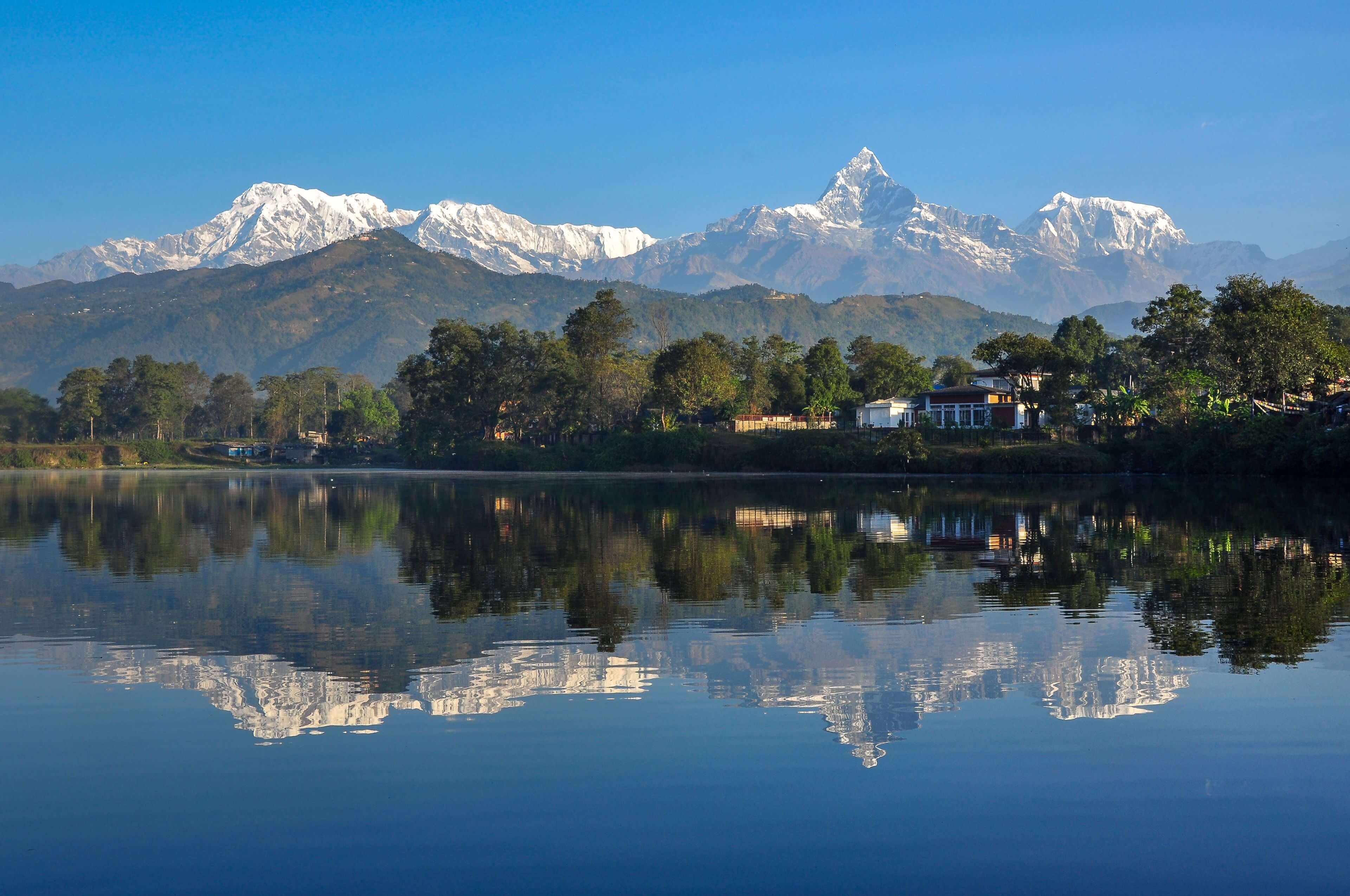
Just above the lake, Sarangkot delivers the opposite mood entirely. A short drive or hike up to its viewpoint rewards early risers with sunrise over the Annapurna and Machhapuchhre ranges, the peaks catching the first light while the valley below is still in shadow, and it's just as striking at sunset. A little further afield, Devi's Fall and the adjoining Gupteshwor Cave add a quick, easy detour for travelers curious about Pokhara's other natural features, while the International Mountain Museum offers a worthwhile stop for anyone wanting context on the peaks they've been looking at all week.
Pokhara isn't only about slowing down, though. It's also one of Nepal's best bases for a quick adrenaline fix, paragliding off Sarangkot with the lake and mountains spread out below (best flown September to December and February to May, when winds are calmer), ziplining down one of the longest and steepest lines in the world, bungee jumping for an exhilarating free fall experience, or a short half day hike into the surrounding hills for those wanting to move without committing to a full trek. That contrast, a calm lakeside town that's also home to some of Nepal's biggest adrenaline activities, is really what defines Pokhara's character.
It's exactly this range that makes Pokhara work so well for such different kinds of travelers. For those coming off a trek, it's the natural place to slow down and recover without leaving the mountains behind entirely. For others, it's a chance to pair genuine relaxation with a burst of adventure in the same afternoon, something the Nepal Heritage Tour leans into well, combining Pokhara's lakeside pace with the cultural depth found elsewhere on the itinerary. Few places in Nepal manage that particular balance of calm and thrill quite as naturally as Pokhara does.
Beyond Adventure: Experiencing Nepal's Culture and Traditions
Nepal's appeal was never only about landscapes. Threaded through the mountains, rivers, and jungle is a depth of culture that gives the entire country its texture, and it's arguably as central to Nepal culture and nature as any physical adventure covered so far.
Much of that depth comes from Nepal's ethnic diversity, visible in the more than 120 languages spoken across the country and in traditions that shift noticeably from one region to the next. The Newar communities of the Kathmandu Valley are known for centuries of craftsmanship, woodcarving, metalwork, and thangka painting that still shapes the valley's architecture and daily life. In the hills around Pokhara and further west, Gurung and Magar communities carry their own distinct traditions, languages, and connection to the land, often visible in traditional dress still worn during festivals and ceremonies, much of it tied to a long history of Gurkha service and mountain village life. Sherpa communities, concentrated in the high Everest region, bring a culture shaped directly by altitude and Tibetan Buddhism, recognizable in part through the traditional chuba still worn during festivals, while Tamang communities across the hills surrounding Kathmandu and Langtang hold their own strong Buddhist traditions and distinct festivals. To the south, Tharu communities in the Terai, already part of the Chitwan experience, add yet another layer entirely, one shaped by the floodplains rather than the mountains.
Festivals bring much of this to life beyond what's already visible in Kathmandu's temples and courtyards. Losar, the Tibetan New Year, is celebrated with particular energy in Sherpa and Tamang communities, marked by dancing, feasting, and monastery ceremonies, while Tihar, the festival of lights, extends its blessings even to animals, crows, dogs, and cows among them, in a way few other cultures do. Beyond these larger celebrations, countless smaller community festivals happen year round across Nepal's villages and towns, each one a genuine, unstaged window into local life rather than something arranged for visitors.
Bhaktapur and Patan carry this living heritage particularly well. Both cities function as open air museums of medieval Newari architecture, but unlike a museum, their squares are still full of daily life, potters at work, temple rituals in progress, locals crossing the same courtyards their families have used for generations. Wandering through either city offers a slower, more textured version of what Kathmandu's Durbar Square hints at, without the same crowds.
What ties all of it together, monasteries, temples, festivals, and the countless small traditions woven into everyday life, is that Nepal's culture rarely presents itself as a performance for travelers. It's simply what's happening anyway, and visitors are invited to witness or take part in it. That's what turns a trip through Nepal into something closer to a real cultural encounter than a checklist of sights. That same spirit carries through into something even more universal: Nepal's food, covered next, tells its own version of this same story.
Taken together with the mountains, rivers, and jungle already covered, this is really the heart of what makes Nepal such a complete journey: nature and adventure on one side, and a living, diverse culture on the other, neither one complete without the other.
The Flavors of Nepal: Food, Hospitality and Everyday Life
Nepal's temples and festivals show its history, its food shows its everyday warmth, and it's one of the simplest, most reliable ways travelers connect with Nepal culture and nature on any trip through the country. Meals here are rarely rushed, and being invited to share one, even briefly, tends to say more about Nepali hospitality than any single sight on an itinerary.
Dal bhat is the backbone of it all, rice, lentil soup, vegetable curry, and often a side of pickle or greens, eaten daily across most of the country and usually served with a genuine, no-questions-asked offer of seconds. It's less a dish than a rhythm of life, especially in the hills and mountain regions, where it fuels everything from farm work to long trekking days. Momos, Nepal's beloved steamed or fried dumplings, carry a slightly different story, rooted in Tibetan and Newari influence and now found everywhere from street stalls to proper restaurants, filled with anything from buffalo and chicken to potato and cheese depending on the region.
Newari cuisine deserves its own mention, given how closely it's tied to the Kathmandu Valley culture already explored earlier. Dishes like yomari, a sweet steamed rice flour dumpling, and Choila, spiced grilled meat, reflect a culinary tradition as old and specific as the valley's architecture, often served during festivals as much as daily meals. Further into the hills and mountains, Sherpa and Tamang communities bring their own dishes shaped by altitude and Tibetan influence, hearty noodle soups like thukpa, and tsampa, roasted barley flour eaten as a staple in colder, higher regions where little else grows easily.
What ties all of this together, more than any single dish, is Nepali hospitality itself. Being offered tea, milk tea brewed strong and sweet, is often the first gesture in any home, teahouse, or village encounter, and turning it down is rarely simple, since offering food and drink to a guest is treated as a matter of genuine warmth rather than formality. Travelers who spend time in teahouses along a trekking route or in a Tharu or Gurung village often find that a shared meal opens up conversations and connections that sightseeing alone rarely does.
In that sense, food in Nepal isn't a separate experience from its culture and nature, it's one of the clearest expressions of both, shaped by geography, ethnicity, and generations of tradition, and offered to travelers with a warmth that's hard to overstate. Along with the temples, festivals, and landscapes already covered, it rounds out the fuller picture of what makes a journey through Nepal feel like so much more than a checklist of adventures.
Finding Adventure Beyond the Main Tourist Trails
Everything covered so far, Kathmandu's temples, Himalayan flights, jungle safaris, Pokhara's lake, Nepal's food and festivals, sits on the country's well worn path, and for good reason: it's well worn because it's genuinely worth experiencing. But Nepal holds another layer for travelers willing to step slightly off that path, quieter, slower, and less rehearsed.
That layer lives in the hill villages that don't make it onto most itineraries, the trails that see a handful of travelers a week rather than a steady stream, and remote valleys where daily life continues largely unchanged by tourism. Here, a village walk isn't a curated stop but an actual glimpse into how people farm, cook, and gather, and a short hike between settlements often says as much about Nepal as a longer, more famous trek. Community based tourism has opened up more of this in recent years too, homestays, locally guided walks, and small scale cultural exchanges that put money directly into the villages themselves rather than routing it elsewhere.
What travelers tend to find here is less about ticking off another landmark and more about a shift in pace, conversations that unfold naturally, landscapes without a crowd gathered to photograph them, and a sense of having arrived somewhere on its own terms rather than a well marked itinerary. It's a different kind of reward than a mountain flight or a rafting run, quieter, slower to unfold, but no less memorable for it.
Frequently Asked Questions
How many days do you need for a Nepal adventure trip?
It depends on how many experiences you want to combine. A focused 5 to 7 day trip is enough to cover Kathmandu, a mountain flight, and either Pokhara or Chitwan. A more complete 10 to 14 day trip comfortably fits Kathmandu, Pokhara, Chitwan, and a rafting day without feeling rushed. Trips longer than two weeks usually add a multi day trek itinerary or deeper time in off the beaten path regions.
What is the best time to visit Nepal for adventure activities?
September to November and March to May are the two strongest windows, offering the clearest skies for mountain flights, the most reliable rafting conditions, and comfortable temperatures for sightseeing and safaris. December to February brings colder, drier weather that still works well for Chitwan and Kathmandu but is less ideal for high altitude flights and paragliding. June to August, the monsoon season, brings heavier rain, more flight delays, and higher river levels that can close some rafting routes.
Do you need to be very fit for Nepal's adventure activities?
No. Most of the activities covered here, mountain flights, boating, Chitwan safaris, sightseeing, and standard Grade II to III rafting, require no special fitness or prior experience. Only the more intense options, like Grade IV+ rafting, longer treks, or multi day wilderness routes, call for a reasonable baseline of fitness and, in some cases, prior experience.
Can adventure activities be combined with cultural sightseeing in one trip?
Yes, and this is genuinely how most well planned Nepal itineraries work. A typical trip pairs a few days of Kathmandu sightseeing with a mountain flight or rafting day, then either Pokhara or Chitwan, rather than treating adventure and culture as separate trips. Most of the tour options linked throughout this guide are built around that same combination.
Is Nepal safe for first time adventure travelers?
Nepal is a well established adventure travel destination with experienced local operators, licensed guides, and decades of tourism infrastructure supporting activities like rafting, jungle safaris, and mountain flights. As with any adventure activity, choosing a reputable, licensed operator and following your guide's safety instructions matters more than any specific activity being inherently risky.
Can you visit Everest Base Camp without trekking?
Yes. A mountain flight is the most common way to see Everest without trekking, offering close up aerial views in under an hour. For travelers who want to actually stand near the mountain without a multi week trek, a helicopter tour to Everest Base Camp or Kala Patthar is also available as a day trip from Kathmandu.
Where the Mountains Meet the Morning
There's a moment, somewhere between a mountain flight's window seat and a boatman's oar cutting quietly across Phewa Lake, when Nepal stops feeling like a destination and starts feeling like a rhythm, one built from prayer flags and river spray, dal bhat shared at a stranger's table, and sunrise breaking gold over Annapurna while the valley below still sleeps. This is a country that doesn't separate its adventure from its soul; the two were never meant to be pulled apart.
To come here is to be handed a choice that isn't really a choice at all, thrill or stillness, mountain or river, temple bell or rushing rapidly, because Nepal offers all of it in the same breath, one landscape folding into the next until the line between adventure and belonging quietly disappears. You leave not just with photographs of what you saw, but with the quieter, harder to name sense of having moved through a place that asked something of you and gave back twice as much in return.
That's the real invitation at the heart of it all. Nepal doesn't just show you the Himalayas, it shows you what it feels like to stand small and grateful beneath them, and that feeling, more than any single summit or sunrise, is the one you carry home.