Before Pilgrims, There Were Nomads
Centuries before the first pilgrim ever laid eyes on Kailash's snow capped summit, the Tibetan Plateau was already home to people who had learned to live inside its extremes. The Drokpa, as these highland herders are known in Tibetan, trace their presence in the region back well over a thousand years, long before any organized pilgrimage carried outsiders to the mountain's base. Theirs was never a passing visit. It was a life built entirely around this unforgiving terrain, one that shaped how the rest of the world would eventually come to understand the sacred landscape at all.
The land itself explains why they stayed. Western Tibet sits at elevations most places on earth can't sustain human life at, yet the grasslands ringing Kailash and Mansarovar offered something rare at that altitude: grazing ground fertile enough to support herds through the short, fierce summer. For pastoralist communities whose entire economy rode on the backs of their animals, that made the region worth the hardship. Where the land could feed a herd, people found a way to follow.
That following took the shape of seasonal migration, a rhythm so old it predates any written record of the region. Highland families moved with the calendar rather than against it, driving their animals to lower valleys as winter closed in and returning to the high pastures once the snow retreated, tracing routes memorized across generations rather than written down. It was less a journey than a heartbeat, steady and recurring, the same paths walked by parents and grandparents stretching back further than anyone could say.
Yak, sheep, and goat herding formed the backbone of that life. Yaks in particular were built for exactly this world, thick coated and sure footed at altitudes that would break most livestock, providing meat, milk, wool, and transport in a single animal. Sheep and goats filled in what the yak couldn't, supplying wool for the tents and clothing that kept families alive through nights when temperatures dropped far below freezing. Nothing about this life left room for waste. Every animal, every skill, every route across the plateau had to earn its place.
Surviving the Tibetan Plateau demanded more than hardiness; it demanded a kind of fluency with the land itself. These herding communities learned to read weather in the shift of wind off the mountain, to find water where none seemed to exist, and to build shelter from little more than yak hair and stone. Over time, that fluency hardened into something closer to devotion. Kailash and Mansarovar weren't distant landmarks to these families; they were neighbors, watched over daily, woven into the stories told around fires that kept the cold at bay.
It's that closeness that made highland pastoralists the region's first guides long before pilgrimage ever formalized into ritual. They knew which passes held snow too late into the season, which streams ran clean, and which paths a stranger should never attempt alone. When outsiders finally began arriving in search of the sacred, it was these communities who led them, who translated the mountain's moods into something a traveler could survive, and who passed down the legends that would come to define Kailash and Mansarovar for everyone who followed. Before there was pilgrimage, there was this: people who had already spent a thousand years learning how to belong to a landscape most others could only pass through.
Where the Sacred Mountain Meets the Eternal Lake
In the far western reaches of Tibet's Ngari Prefecture, on a stretch of the Tibetan Plateau so high it ranks among the most elevated inhabited regions on earth, two landmarks sit close enough to share a single horizon. They have been spoken of together for thousands of years, not as separate stops on a map but as two halves of the same sacred whole, each incomplete without the other.
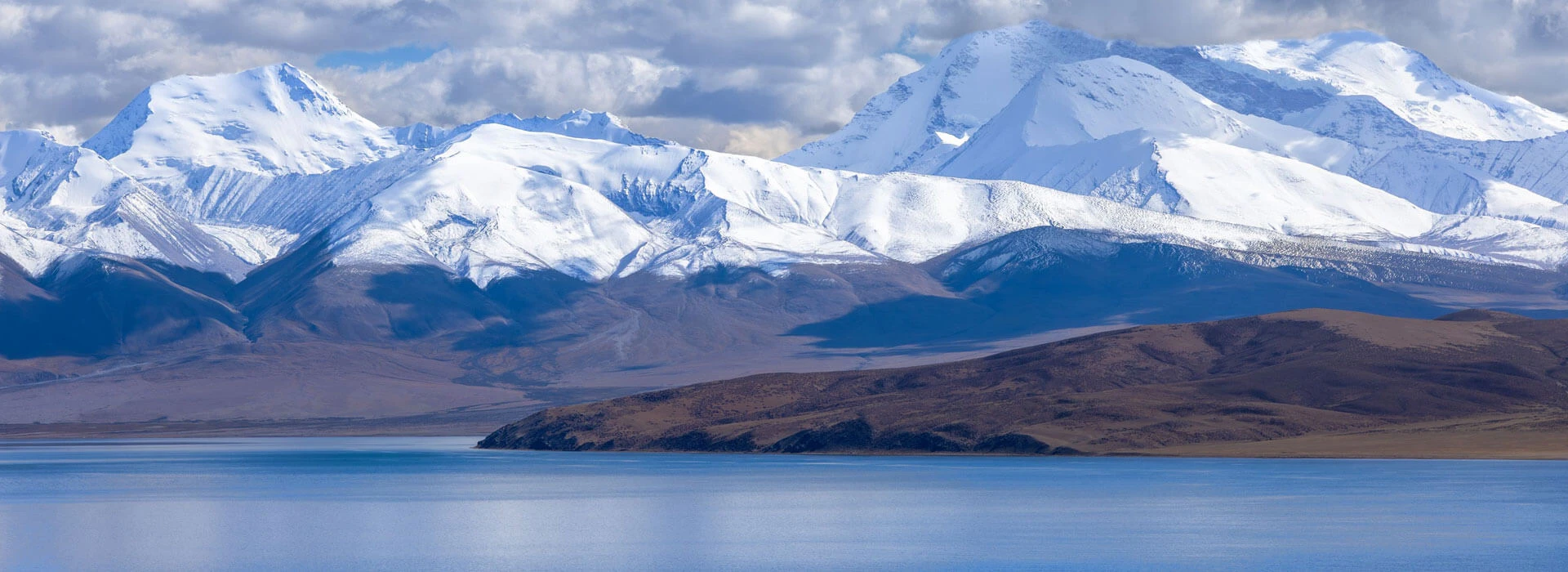
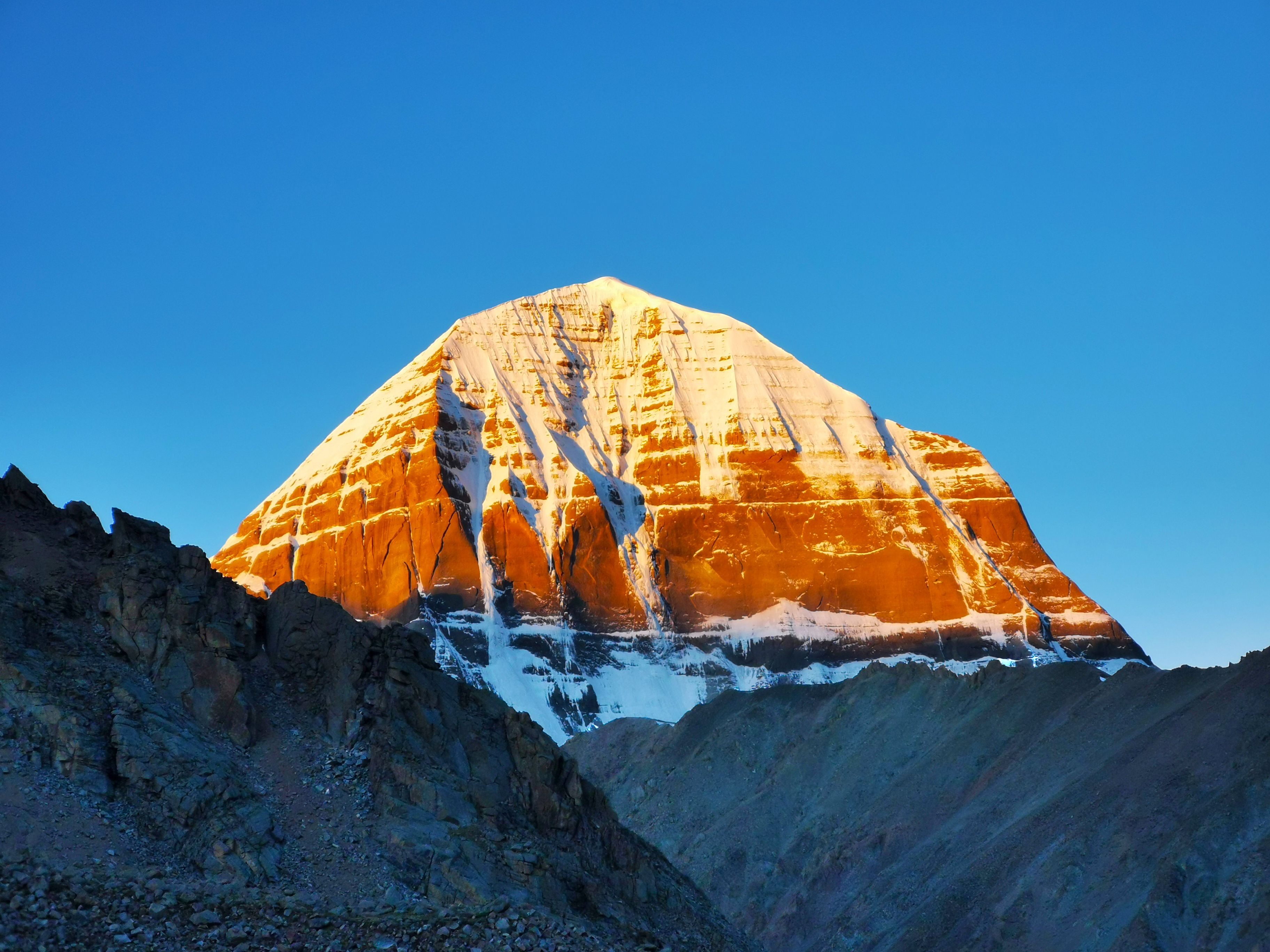
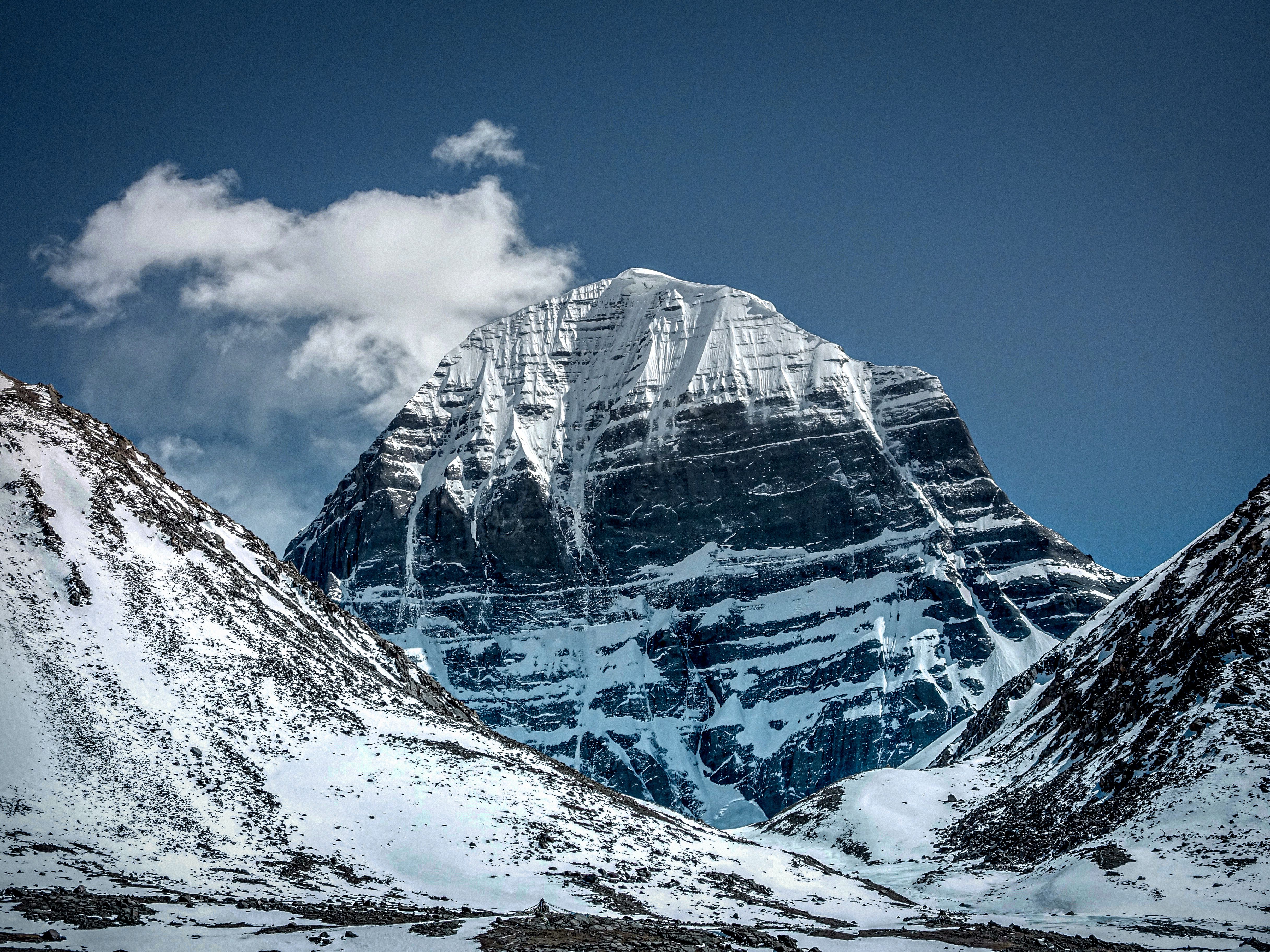
The first is Kang Rinpoche, the snow capped summit known to most of the world as Mount Kailash. Rising to 6,638 meters, its near perfect pyramid shape sets it apart from every other peak in the surrounding range, distinct enough that travelers often say they can pick it out before anyone points it out to them. Four of Asia's great rivers, the Indus, the Sutlej, the Brahmaputra, and the Karnali, trace their beginnings to the glaciers around its base, feeding water to hundreds of millions of people long before it reaches any ocean. No one has ever stood on its summit. The mountain has never been climbed, protected by both its sacred status and its own unforgiving terrain, and devotees circle its base instead, completing the Kora, or Parikrama, on foot rather than attempting to conquer what was never meant to be conquered.
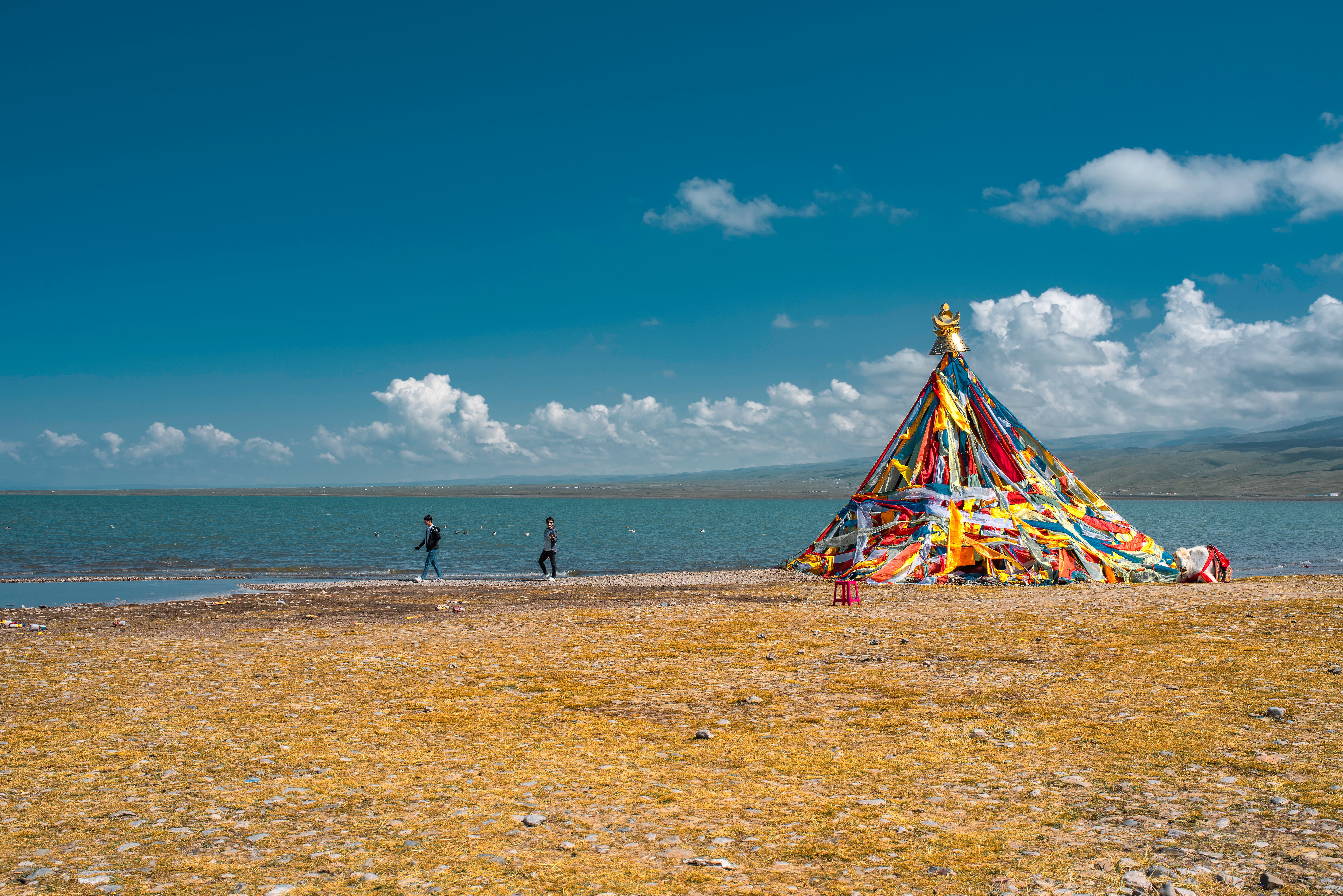
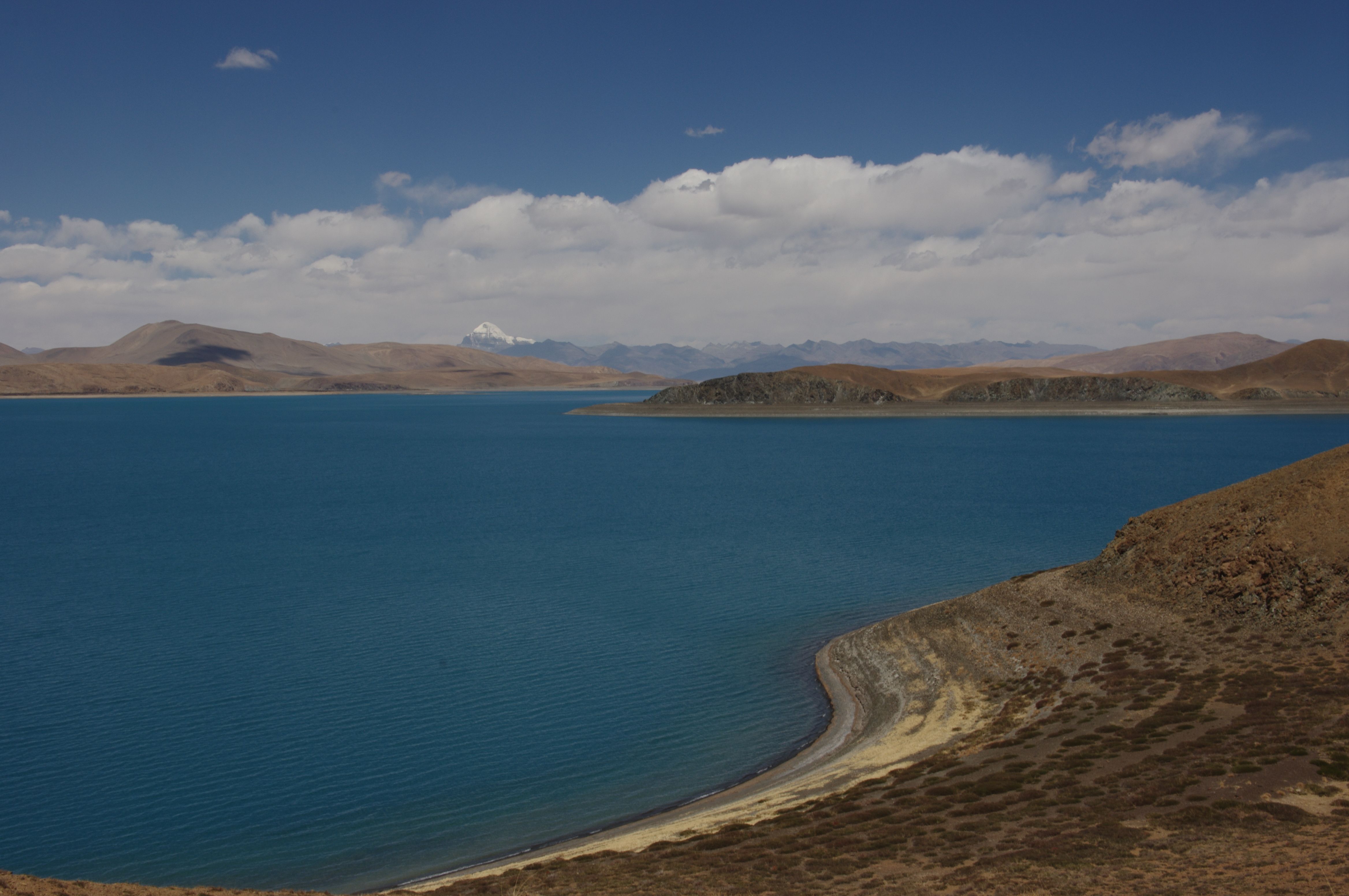
To its south lies the second half of that whole: Lake Mansarovar, one of the highest freshwater lakes anywhere in the world, sits at 4,590 meters. Its waters run so clear that, on a still morning, the sacred peak appears to float on its reflection, and for the devotees who reach its shore, that clarity carries meaning far beyond geology. Hindu and Buddhist tradition alike hold the lake as a place of purification, its waters said to wash away not dust but the weight pilgrims carry with them. Nearby sits Rakshastal, a saltwater lake often described as the sacred lake's shadow self, dark where Mansarovar is bright.
Together, the two form a kind of spiritual axis: the holy mountain standing as the fixed point around which the world turns, the sacred waters offering the cleansing that prepares a traveler to approach it. Neither is typically visited alone. A completed yatra traditionally includes both, the mountain circled, and the lake's waters touched or bathed in, as though the pilgrimage itself were incomplete without honoring each half of the pairing.
The surrounding landscape completes the picture. Vast grasslands stretch out from the lake's edge before giving way to a high altitude desert, broken by glacial streams running down from the peaks and, in the brief window of summer, scattered wildflowers pushing up through thin soil. The sky here feels wider than it does almost anywhere else, and the wind rarely stops, sweeping unbroken across a terrain that offers little in the way of shelter. Wild asses and grazing gazelles move across the plains in the distance, part of a landscape that feels less like scenery and more like a presence in its own right.
It is into this same landscape that Tibetan nomads have long led their yak herds, following the grasslands through their seasonal migration and living alongside the sacred peak and its waters for centuries before either name meant anything to the outside world. Their presence is a reminder that this ground was inhabited long before it was consecrated. The story turns next to what made the mountain and lake a destination for devotees across four different faiths and what those faiths came to believe about the ground the nomads had always called home.
Why Four Religions Revere Kailash and Mansarovar
Very few places on earth are claimed as sacred ground by more than one faith, let alone four. Kailash and Mansarovar are the rare exception: a single mountain and a single lake, revered simultaneously by Hindus, Buddhists, Jains, and followers of Bon, each tradition arriving at its explanation for why this particular corner of the Tibetan Plateau deserves such devotion. What unites them isn't doctrine but destination. Whatever a devotee believes about the mountain's origin, they tend to come seeking the same things: blessing, purification, and a step closer to enlightenment.
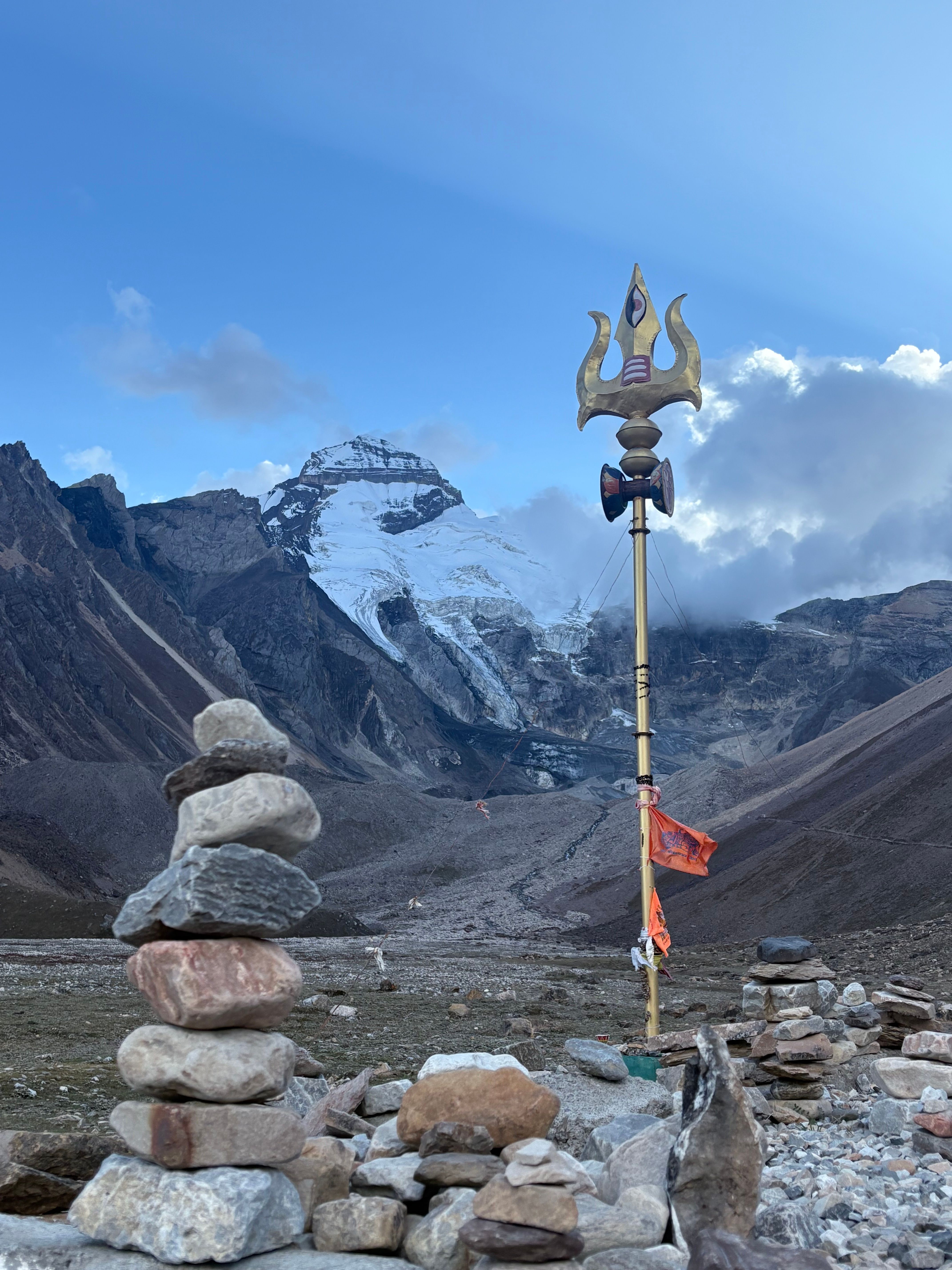
In Hinduism, Kailash is held as the eternal abode of Lord Shiva, who is said to sit here in perpetual meditation with his consort, Goddess Parvati, at his side. Lake Mansarovar carries its divine origin story, believed to have been created by Lord Brahma; its very name is built from "manas," meaning "mind," and "sarovar," meaning "lake." Hindu, yatris perform the Parikrama around the mountain and bathe in the lake's waters, an act understood to cleanse the soul rather than the body, drawing pilgrims toward moksha, the liberation from the cycle of rebirth that stands at the center of Hindu spiritual life.
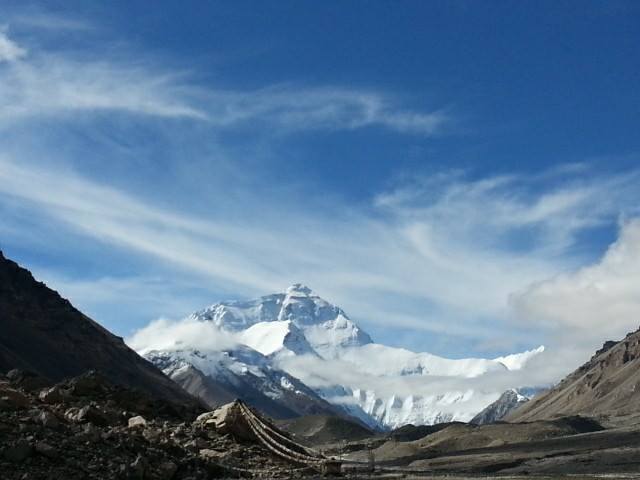
Tibetan Buddhists know the same peak as Kang Rinpoche, the "Precious Snow Mountain," and hold it as the sacred residence of Demchok, or Chakrasamvara, a deity embodying supreme bliss. Buddhist pilgrims walk the Kora for reasons closely tied to Hindu practice, yet framed through a different lens: not purification alone, but a physical expression of the path toward compassion and enlightenment, each step around the mountain understood as a step further along that path. The mountain also carries a personal legacy for Tibetan Buddhists through Milarepa, the eleventh century yogi still revered as one of Tibet's greatest spiritual masters, whose legendary contest at Kailash against a rival Bon practitioner remains one of the most retold stories associated with the mountain.
The lake carries its own place in Buddhist belief as Mapam Yumtso, the "Invincible Lake," identified with the mythical Anavatapta where Queen Maya is said to have bathed and dreamed of conceiving the Buddha. Buddhist pilgrims circumambulate its shores on foot rather than entering the water, treating the lake as a maternal counterpart to the mountain's paternal presence.
Jain tradition identifies the same peak by an entirely different name: Mount Ashtapada. Here, the mountain holds a singular place in Jain cosmology as the site where Rishabhadeva, known also as Adinath and revered as the first Tirthankara, is believed to have attained moksha. For a faith built around the pursuit of liberation through spiritual discipline, a mountain marking that exact achievement carries a weight distinct from either Hindu or Buddhist reverence, even as the destination remains the same.
Lake Manasarovar holds its own place in this tradition too, associated with Rishabhanatha in the same breath as the mountain, its still waters folded into the same narrative of liberation that draws Jain devotees to Ashtapada.
Long before any of these traditions arrived, Bon, Tibet's indigenous spiritual tradition, already held the mountain as sacred. Bon followers know it as Yungdrung Gutseg, the Nine Storey Swastika Mountain, envisioned as the very axis of the world. One detail sets their pilgrimage apart from every other tradition circling the same peak: Bon devotees walk the kora counterclockwise, moving against the direction every other faith takes, a quiet but visible marker of a reverence that predates Buddhism's spread into Tibet by centuries.
Bon tradition ties the lake directly to its founder: Tonpa Shenrab is said to have bathed in its waters on his first arrival in Tibet, and Bon practitioners circle the lake counterclockwise just as they do the mountain, extending the same reversed devotion to both halves of the sacred landscape.
Set side by side, the differences between these four traditions are real. Shiva's meditation seat, Demchok's residence, Adinath's liberation, and the axis mundi of an older, indigenous faith are not the same story told four ways. Yet they converge on the exact same ground, held by every tradition as sacred, transformative, and worth the hardship of reaching; a shared pilgrimage destination; and a shared symbol of spiritual renewal, even where the belief behind that renewal diverges completely.
That convergence didn't happen by accident. Long before four faiths formalized their claims on this landscape, the stories that gave the mountain and lake their meaning were already taking shape, legends passed down long enough to explain why this ground, above all others, came to be considered sacred at all.
The Legends That Shaped a Sacred Landscape
A place becomes sacred through more than geography alone. Elevation and rivers explain why Kailash and Mansarovar are remarkable; they don't explain why generations of devotees have wept at their first sight of the mountain, or why nomadic families still speak of it with the same hushed reverence their ancestors did centuries ago. That comes from the stories, the myths and sacred narratives layered onto this landscape over thousands of years, carried forward not in any single text but through the voices of pilgrims, monks, herders, and the communities who never stopped calling this place home.
Hindu tradition holds that Shiva does not simply reside at Kailash; he sits there in eternal meditation, motionless at the summit, so deep in cosmic stillness that the mountain itself is said to vibrate with his presence. Devotees who complete the Parikrama often describe a stillness of their own settling in as they circle the base, a feeling many attribute directly to the meditating god above them. In this telling, the peak isn't merely associated with divinity; it is divinity, a fixed point of cosmic energy at the center of the world, with Parvati beside him completing a presence pilgrims believe they can still feel in the thin mountain air.
Mansarovar's own mythology runs deeper than its role as Brahma's creation. Tibetan Buddhists identify the lake with Anavatapta, a legendary lake said to lie at the world's spiritual center, and hold that Queen Maya bathed in these very waters before conceiving the Buddha in a dream, an origin story that makes the lake not merely a place of cleansing but one bound up with birth itself. Its Tibetan name, Mapam Yumtso, translates to the Invincible Lake, a title tradition holds it earned by remaining forever unconquered, its waters undefeated by whatever darkness might threaten them. That darkness has a face of its own close by: Rakshastal, the crescent shaped saltwater lake just west of Mansarovar, where local folklore recounts nothing grows and nothing thrives. Where Mansarovar is round as the sun and sweet as blessing, Rakshastal curves like the moon and carries salt instead, two lakes read for centuries as a single pair, light beside dark, held only apart by the width of a narrow isthmus.
Few tales attached to the mountain are told as often as the contest between Milarepa and Naro Bönchung, a legend explaining how Kailash came under Buddhist spiritual claim. As Buddhist legend tells it, Naro Bönchung, a powerful Bon practitioner, challenged the yogi Milarepa for dominion over the sacred peak, and the two agreed on a race to the summit to settle it. Naro climbed astride his ritual drum, confident and fast. Milarepa simply waited below in meditation until the first light of sunrise, then rode a beam of that very sunlight straight to the top, arriving before his rival had even reached the halfway point. As a final gesture, tradition holds that Milarepa flung a handful of snow onto a neighboring peak, still known today as Bönri, leaving Kailash to Buddhist devotion while conceding a smaller mountain to the Bon faith he had just outpaced. It's worth holding this story for what it is: a traditional legend passed down through generations of Buddhist teaching, not a historical record of events.
Geography and myth meet most directly in the belief that Kang Rinpoche is the spiritual source of four of Asia's great rivers: the Indus, the Sutlej, the Karnali, and the Brahmaputra. Local folklore recounts that each river pours from the mountain through the mouth of a different sacred animal, a lion, a peacock, a horse, and an elephant, one for each cardinal direction, sending life giving water out toward the four corners of the world. That the mountain does, in verifiable fact, sit near the headwaters of all four rivers only deepens the legend's hold; symbolic belief and geographical reality point toward the very same source.
Not every account tied to this landscape comes from formal religious teaching. Long before organized pilgrimage arrived, nomadic communities were already passing down their own oral traditions around fires at the edge of the plateau, stories of mountain spirits believed to guard specific ridgelines, of sacred springs said to heal whoever drank from them, of certain valleys no herder would enter after dark. These weren't legends borrowed from any single faith; they were cultural memory, built from a thousand years of living inside this terrain. Many devotees who reach Kailash today first hear these local stories not from scripture but from the herding families still grazing their yaks across the same grasslands their ancestors did, oral history passed hand to hand rather than page to page.
What keeps all of these accounts alive isn't nostalgia. Each retelling still shapes how a devotee experiences the climb, the bathing ritual, the long walk around the base. They preserve a cultural identity that predates every formal religion now claiming this ground, and they tie faith directly to landscape in a way no map or elevation chart ever could. Whether inherited through Hindu scripture, Buddhist hagiography, or a nomadic grandmother's fireside account, these traditions remain part of the living heritage of western Tibet, evidence that a sacred place is never finished being told.
Pilgrims, Saints, and Sages Through the Ages
Few destinations on earth have drawn spiritual seekers across as many centuries, cultures, and belief systems as Kailash and Mansarovar. For thousands of years, people have made their way to this remote corner of the Tibetan Plateau, and no two came for quite the same reason. Some sought liberation, others meditation or enlightenment, others simply the pull of a landscape rumored to be unlike anywhere else on earth. What they shared was distance covered and hardship endured, a devotion measured less in belief than in the willingness to actually make the journey.
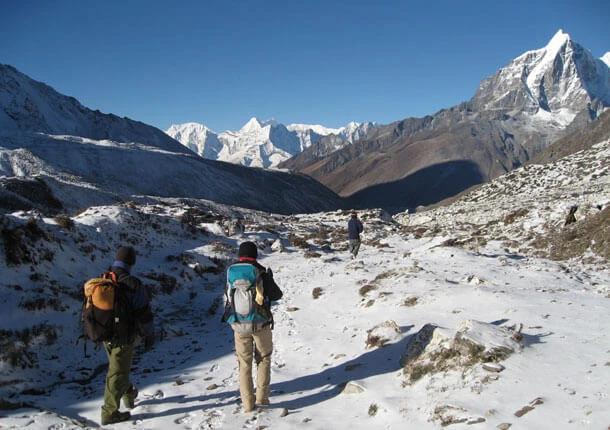
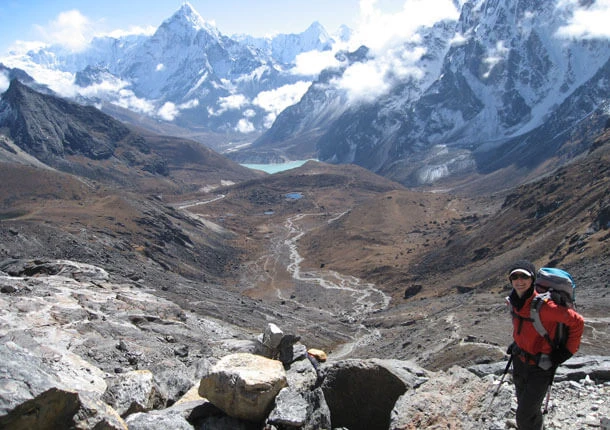
Long before roads or permits existed, reaching this landscape meant crossing some of the most punishing terrain in the Himalayas on foot, on horseback, or alongside yak caravans hauling supplies across passes that offered no margin for error. These early pilgrimages weren't weekend excursions; they stretched across weeks or months, through weather that could turn without warning and altitude that tested even the most prepared traveler. Endurance itself became a form of devotion, the journey as spiritually meaningful as arrival, since only those willing to suffer for it were thought to earn the blessing waiting at the end.
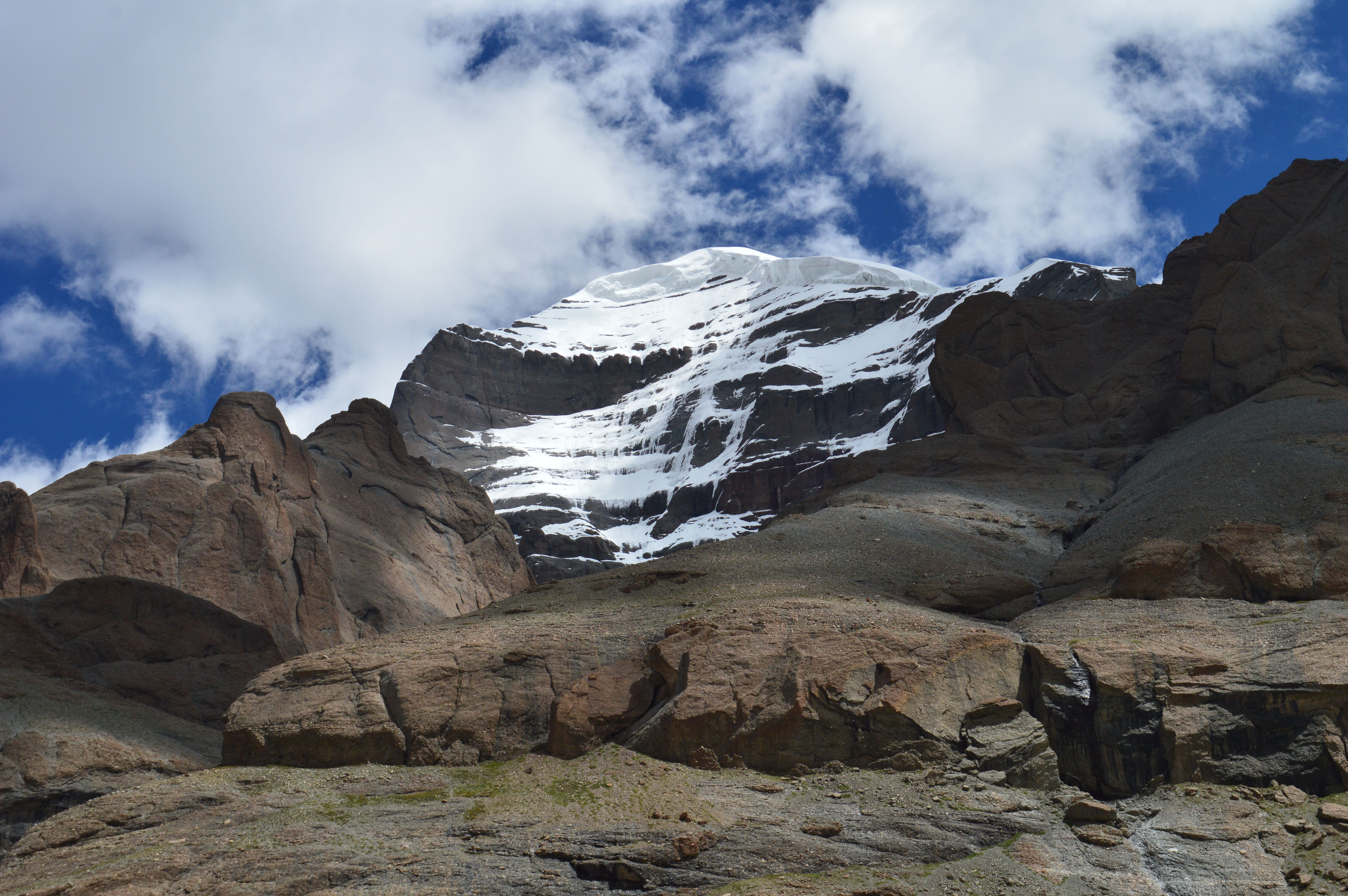
Saints and sages from every tradition claiming this ground have left their mark on its story. Hindu tradition holds a traditional association between the mountain and Adi Shankaracharya, the philosopher saint said to have traveled these heights among the ascetics and sadhus who still make the pilgrimage today. Buddhist history remembers both Milarepa and Guru Padmasambhava, known as Guru Rinpoche, the tantric master credited with carrying Buddhism across the Himalayas and into Tibet itself, his legacy carried forward by generations of Tibetan monks. Jain tradition holds Rishabhadeva, or Adinath, as the figure whose liberation here gives the mountain its deepest meaning in that faith, while Bon masters and practitioners maintained their own unbroken line of reverence for the peak long before either Buddhism or organized Hinduism arrived.
Scattered across the surrounding hills and valleys, hermit caves and monastic retreats turned this landscape into more than a pilgrimage route; it became a place people came to stay, not just pass through. Monks settled into meditation retreats for months or years at a stretch, drawn by an isolation that made spiritual focus easier to sustain than almost anywhere else. Sacred teachings passed from master to student inside these caves and monasteries, a tradition of spiritual learning that turned the region into a living school as much as a shrine.
None of this would have been survivable without the people who already called this terrain home. Tibetan nomads guided travelers unfamiliar with the plateau's hazards, offering food and shelter to pilgrims who arrived exhausted and unprepared for its altitude and cold. They shared knowledge accumulated over generations, which passes stayed clear longest, where clean water could be found, which routes to avoid entirely, help that made the difference between a completed pilgrimage and a fatal one. In the process, they passed down oral traditions that shaped how outsiders understood the sacred ground they were crossing, stories a devotee was as likely to hear from a herding family's fire as from any monastery.
By the early twentieth century, the region had also begun drawing a different kind of traveler: explorers and scholars intent on mapping what pilgrims had navigated by faith alone. The Swedish explorer Sven Hedin spent years charting the area between 1907 and 1909, becoming the first European known to have circled the mountain and tracing what he believed to be the sources of its great rivers. Decades later, the Indian ascetic and geographer Swami Pranavananda arrived and, through more than twenty circuits of the mountain and twenty five of the lake itself, corrected several of Hedin's conclusions, bringing a scholar's rigor to a landscape long described mostly in legend. Their work, without displacing the region's spiritual weight, brought its geography into modern understanding for the first time.
Today, thousands of devotees still make this journey every year, and the pull that drew ascetics on foot centuries ago hasn't weakened, even as the means of reaching it have changed entirely. Modern transport has replaced much of the old hardship, roads and vehicles covering in days what once took weeks, yet the spiritual purpose driving each traveler forward remain exactly what it always was. Ancient tradition and modern convenience now share the same route, proof that the destination mattered more than the difficulty of reaching it ever did.
That same route, worn down by monks, nomads, and explorers alike, was never just a pilgrimage path. Long before it carried devotees toward liberation, it carried salt, wool, and grain between Tibet and its neighbors, part of a trade network every bit as old as the faith that eventually grew up around it.
The Ancient Nomadic Routes Across the Tibetan Plateau
Long before any road reached the Tibetan Highlands, the ground beneath Kailash and Mansarovar was already threaded with paths, invisible to a map but etched into memory by generations who walked them. This is one of the highest inhabited regions on earth, and for centuries the only way across it was on foot or by caravan, following corridors shaped entirely by seasonal migration rather than engineering. Long before pilgrims, traders, or explorers ever set out for the sacred peak, these were simply the routes nomadic families used to survive, and it was along these same paths that everyone who came after them would eventually travel.
Tibetan nomads didn't wander at random. Every migration followed fresh grazing land, tracked the turn of the seasons, and moved toward water sources as older ones ran dry or froze over, a cycle repeated closely enough each year that families could plan their winters around it while still bending to whatever the plateau threw at them. It was less a lifestyle chosen than a rhythm inherited, one small piece of a far larger story: the movement of people across the Tibetan Plateau that had already shaped this landscape for a thousand years before it shaped a pilgrimage.
What that movement built, over centuries, was commerce. Tibet had salt in near inexhaustible supply, drawn from ancient lake beds across the highlands, while its neighbors to the south had grain, rice, and barley that the high plateau could never grow at altitude. Nomadic families became the connective tissue between the two economies, driving yak and sheep caravans loaded with salt and wool down through Himalayan passes into Nepal and India, returning north with rice and grain slung across the same animals. Wool moved through this network too, along with tea carried up from China, a barter economy where salt itself functioned as currency and trust mattered more than any coin. None of it moved by chance. Every caravan followed a route someone's family had walked a hundred times before them.
It's along these same caravan routes that pilgrimage eventually took root. Long before any dedicated pilgrim trail existed, devotees making their way toward Kailash and Mansarovar simply followed the paths nomadic families had already worn into the landscape, the ones that knew where the water was reliable and where a campsite could survive a storm. Highland herders passed on what they knew almost as a matter of course, sharing water sources, safe stopping points, and warnings about which stretches turned deadly in bad weather. Sacred routes, in other words, weren't laid out by any religious authority. They grew organically out of trade corridors that already existed, shaped by necessity long before they carried any spiritual weight at all.
None of this came easily. The Tibetan Highlands offer little forgiveness: altitude thin enough to slow a trained traveler to a crawl, cold that can turn lethal within hours, winds strong enough to flatten a tent, and snowstorms that arrive with almost no warning across open terrain offering nowhere to hide. Pastoral nomads adapted to these extremes over centuries, reading weather in the shift of the wind and building shelter from little more than yak hair tents and stone. Travelers crossing this same ground, whether traders, pilgrims, or explorers, depended entirely on that adaptation, since knowledge earned over generations was the only real defense the plateau allowed.
Some of these ancient passages are still walked today, worn into the earth by centuries of caravans long before any vehicle could reach this altitude. Modern roads have replaced much of the old hardship, cutting a journey that once took weeks down to a matter of days, and the wool and salt caravans that built the region's earliest economy have largely faded from daily life. Yet nomadic tradition hasn't disappeared from western Tibet; in the more remote stretches of the plateau, families still move with the seasons much as their ancestors did. And the ancient paths themselves remain woven into the Kailash pilgrimage experience today, proof that a route born from trade and survival became, over time, something closer to a pilgrimage all its own.
Life Around Kailash and Mansarovar Today
Even now, with roads cutting through terrain that once took weeks to cross on foot, Kailash and Mansarovar remain a place where the modern world only partly arrives. Access has undoubtedly improved, yet daily life across this stretch of the Tibetan Plateau is still shaped by the same harsh environment and centuries old customs that have always governed it here, tradition and modernity occupying the same ground rather than one replacing the other.
Tibetan nomads still move with the seasons much as their ancestors did, driving yak, sheep, and goat herds across the same high pastures that have sustained pastoral families for generations. Black yak hair tents still dot the grasslands each summer, though they now stand alongside more permanent settlements that weren't part of nomadic life a century ago. What's remarkable isn't that modernization has reached these communities; it's how much of the old rhythm they've managed to hold onto despite it, seasonal pastoralism continuing largely on its own terms in one of the few places on earth still shaped more by weather than by calendar.
Pilgrimage, too, continues at a scale that would surprise anyone who imagines this as a forgotten corner of the world. Thousands of devotees still make the journey each year, and the Kailash Kora remains one of the most physically demanding spiritual walks anywhere on earth, despite every improvement to roads and infrastructure along the way. At Lake Mansarovar, pilgrims still enter the water for ritual bathing, still perform the same purification rites practiced here for centuries, proof that improved access has changed how people arrive far more than it has changed what they do once they're here.
Monasteries scattered across the region continue to welcome the steady flow of devotees passing through, functioning as living spiritual communities rather than historical sites preserved for visitors. Buddhist monks and Bon practitioners alike maintain the same daily rhythm of prayer, meditation, and ceremony their predecessors kept, unbroken lines of practice that access to the outside world has done little to interrupt.
The region's wildlife is as much a part of this landscape as its shrines and monasteries. Bar headed geese, among the highest flying birds on earth, gather along Mansarovar's shores in numbers that make the lake a genuine destination for birdwatchers, while black-necked cranes, considered sacred across Tibetan Buddhist culture, pass through the surrounding wetlands on their seasonal migrations. Herds of kiang, the wild Tibetan ass, roam the open grasslands around Kailash with a boldness that often surprises travelers, unbothered by passing vehicles in a landscape with few natural predators left to fear. Tibetan antelope move more cautiously across the same plains, their pale coats blending into the terrain so completely that spotting one often takes real patience. Overhead, the wider skies of the plateau host a broader cast of Himalayan birds, ravens, choughs, and mountain finches among them, completing a high-altitude ecosystem every bit as fragile as it is remarkable.
None of this fragile balance survives by accident. The high altitude ecosystem surrounding Kailash and Mansarovar is as delicate as it is dramatic, and growing visitor numbers have made responsible tourism less a suggestion than a necessity, respecting sacred sites, protecting wildlife, and preserving the local culture that has sustained this landscape for so long. Protecting that wildlife, the kiang and antelope herds, the migratory geese and cranes that depend on Mansarovar's wetlands, is as much a part of responsible travel here as respecting any shrine. Every devotee who reaches the region today inherits some responsibility for making sure it remains recognizable to the next generation of pilgrims.
Access itself has changed considerably, and not always in a straight line. After years of intermittent border closures, the routes into the region have reopened in recent seasons, organized pilgrimage groups now moving through improved facilities and better maintained roads than pilgrims of even a generation ago could have counted on. Yet for all that infrastructure, the landscape itself still feels remote in a way that resists convenience, vast and largely untouched the moment the road runs out.
That's the quiet truth at the center of this place: nothing essential about it has really changed. Nomads still follow rhythms set by the seasons rather than the clock. Monks still offer the same prayers their teachers once offered. Devotees still walk the same sacred circuit their predecessors walked centuries ago, chasing the same peace, the same faith, the same hope for personal transformation. Roads and permits have made the journey easier, but they haven't touched what draws people here in the first place, which is exactly why, after thousands of years, Kailash and Mansarovar remain among the most meaningful pilgrimage destinations anywhere on earth.
Planning Your Own Journey to Kailash and Mansarovar
Reaching this landscape today still asks something of the traveler, even with roads and permits smoothing over what nomads and early pilgrims once crossed on foot. A little preparation goes a long way here, and understanding both the practical requirements and the country this pilgrimage passes through makes the journey far more meaningful once you arrive.
Understanding Tibet Itself
The Tibet Autonomous Region, known to its own people as Bod, sits at the heart of the Tibetan Plateau, the largest and highest plateau on earth, with an average elevation exceeding 4,000 meters. Often called the Roof of the World, the region spans well over a million square kilometers, yet is home to fewer than four million people, a population thinned out by terrain too extreme for most of it to sustain permanent settlement.
Lhasa, the capital, sits at roughly 3,650 meters and has served as Tibet's religious and political heart for well over a thousand years, its Potala Palace and Jokhang Temple standing among the most sacred sites in Tibetan Buddhism. Tibet came under the administration of the People's Republic of China in the 1950s and was formally established as an autonomous region in 1965, a political reality that still shapes how the area is accessed today. For travelers heading toward Kailash and Mansarovar, Lhasa is often the gateway, a city worth appreciating in its own right before the journey continues west into the emptier reaches of Ngari Prefecture.
Permits and Access
Independent travel to Tibet isn't possible, and it never has been for foreign visitors. Every journey into the region requires a Tibet Travel Permit at a minimum, along with additional clearances, including an Alien's Travel Permit and, for the restricted zone around Kailash and Mansarovar, a Foreign Affairs and Military Permit, required specifically for the Ngari Prefecture. None of these can be arranged independently; they're processed entirely through a licensed Tibetan travel agency like Nepal Nomad, working alongside a group visa when entering via Nepal or the appropriate documentation when entering through India's designated routes.
Access to the region has evolved considerably over the past few years, and that evolution is worth understanding before setting a date. Border routes into the region were paused for extended periods in the early 2020s, shaped by a mix of public health measures and periodic regional restrictions, with some crossings closed for several years at a stretch. Good news: access has since reopened, though it remains structured and closely managed rather than fully unrestricted. India's government-organized route currently operates through two designated border crossings on a defined seasonal quota, while the Nepal crossing used by most private operators has had its own separate, weather-related disruption, with regional flooding temporarily affecting travel through the area.
None of this makes the journey any less achievable, and thousands of pilgrims complete it successfully each season. What it does mean is that conditions can shift from one year to the next in ways a single guide can't fully predict months in advance. Confirming current permit rules, quotas, and border status directly with a licensed operator before booking flights isn't just a formality here, it's a genuinely useful first step toward a smooth trip. The process is paperwork-heavy by design, so travelers should plan to start several months ahead of departure rather than leave it for the final weeks.
When to Go
Most pilgrims and travelers time their journey for spring through early autumn, when the harsh winter closures ease and the high passes become passable. Among the most significant windows on the calendar is Saga Dawa, the full moon of the fourth month in the Tibetan lunar calendar, typically falling in late spring. The entire month is considered one of merit, but the full moon day itself, Saga Dawa Düchen, marks the birth, enlightenment, and passing of the Buddha, and pilgrims believe that acts of devotion performed during this period, including completing the kora, carry far greater spiritual weight than at any other time of year. Thousands gather near Darchen for the raising of the Tarboche flagpole, turning what is already a demanding pilgrimage into one of the most concentrated expressions of devotion anywhere on the plateau.
Altitude and Health
This is not a landscape that forgives poor preparation. Lake Mansarovar sits above 4,500 meters, and the Kailash Kora itself crosses Dolma La Pass at well over 5,600 meters, elevations high enough that altitude sickness is a genuine risk regardless of a traveler's fitness level. Acclimatization matters more than conditioning here; a gradual ascent, adequate hydration, and a willingness to rest rather than push through symptoms make far more difference than physical training ever could. Most organized pilgrimages build in acclimatization days for exactly this reason, and travelers should take them seriously rather than treat them as time lost.
Getting There
Reaching Tibet is far easier today than many travelers imagine. With well established flights, trains, and scenic overland routes, the "Roof of the World" is now more accessible than ever, allowing pilgrims and adventurers to begin their journey to Mount Kailash and Lake Mansarovar from several convenient gateways.
For most international travelers, entering Tibet from Kathmandu via the Kerung (Gyirong) Border is one of the most popular and rewarding options. Traveling along the Pasang Lhamu Highway, this overland route offers a gradual ascent into the Tibetan Plateau, helping with acclimatization while treating travelers to dramatic Himalayan landscapes, deep river valleys, and traditional Tibetan settlements. It is also the preferred route for most Kailash Mansarovar Yatra groups departing from Nepal.
If you prefer to fly, Lhasa Gonggar International Airport is Tibet's primary gateway. Direct flights from Kathmandu and major Chinese cities such as Chengdu, Chongqing, Beijing, Shanghai, and Xi'an provide quick and convenient access to Lhasa, where many travelers spend a few days acclimatizing before continuing overland to Mount Kailash and Lake Mansarovar.
For those seeking a truly unforgettable experience, the Qinghai Tibet Railway offers one of the world's most spectacular train journeys. Running from mainland China to Lhasa across the vast Tibetan Plateau, the railway passes snow capped mountains, alpine grasslands, shimmering lakes, and remote nomadic settlements, making the journey itself an integral part of the adventure.
What to Pack
Layered clothing matters more here than almost anywhere else, since temperatures can swing dramatically between a sunlit afternoon and a wind cut evening at altitude. A good sleeping bag rated for cold conditions, sturdy waterproof footwear, sun protection strong enough for high altitude UV exposure, and any personal medications are essentials rather than suggestions. Cash matters too. Facilities along the route remain limited, and while the Chinese yuan is the region's currency, travelers should carry enough on hand well before departure, since ATMs and card payment options are scarce once the journey moves beyond Lhasa.
With the practical groundwork in place, what remains is simply the journey itself, one that, despite every permit and preparation, still asks travelers to meet it on its own terms.
The Mountain and Lake Remain, As They Always Have
There is a version of this story that could be told entirely in facts: an elevation, a river system, a population count, a list of permits required to stand at the base of a mountain no one has ever climbed. All of it is true, and none of it explains why people have kept coming back for thousands of years.
What explains it is closer to what the nomads understood before anyone else did. Long before Kailash had a name that meant anything to the wider world, it was simply where the grazing was good and the water ran clean, a place worth staying rather than a place worth visiting. That relationship, more than any single legend or ritual, is the thread running through everything this landscape has become: a mountain no faith invented, only recognized, and a lake that reflects back exactly what a traveler brings to its shore.
Every figure who has crossed this ground since, the sadhus and yogis, Milarepa and his rival on the mountain, Sven Hedin with his surveys and Swami Pranavananda correcting them, the thousands of devotees walking the kora each spring, has added something to the story without changing what was already here. Four religions found four different meanings in the same peak, and none of them were wrong, because the mountain was never trying to say only one thing.
That's still true today, permits and roads and organized itineraries notwithstanding. A pilgrim walking the kora during Saga Dawa is doing something that would be recognizable to a devotee from a thousand years ago. A nomadic family moving their herd across the plateau each season is living a rhythm their ancestors would recognize just as easily. The mountain hasn't gotten any easier to reach, not really, and the lake still asks the same thing of everyone who bathes in it that it always has.
Whatever brings a traveler here, faith, curiosity, or the simple pull of a landscape unlike anywhere else on earth, the ground itself has never asked for an explanation. It has only ever asked for the journey. Long before it was sacred to anyone, this was just the plateau, wide and unclaimed and utterly indifferent to who found their way across it. That it became something else entirely says less about the mountain and lake than it does about everyone who ever needed them to.