The Six Lakes of Gokyo Valley Explained
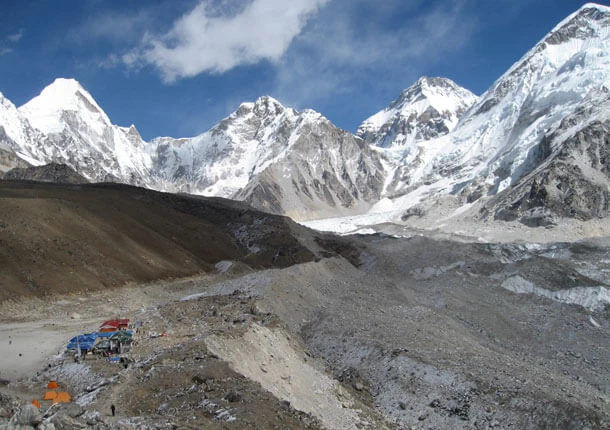
The six lakes of Gokyo Valley form a chain along the upper reaches of the Ngozumpa Glacier, each with its own name, character, and elevation, making up the world's highest freshwater lake network.
Longpanga (First Lake)
Longpanga is the first lake in the Gokyo lake system and serves as a sweet start to the trail, at the lowest elevation of the six. The first of these lakes is small and less frequented than the others ahead of it, and trekkers tend to rush through it to get to Gokyo village, but the placid waters give an early look at the turquoise colour that dominates the valley.
Taujung (Second Lake)
Taujung is located just after Longpanga, a little higher and a little smaller in size. The track usually follows the edge of this lake without making any significant stopovers as it climbs steadily to the next lake, but the surrounding scenery begins to show the dramatic glacial landscape that dominates the upper valley.
Gokyo Cho / Dudh Pokhari (Third Lake)
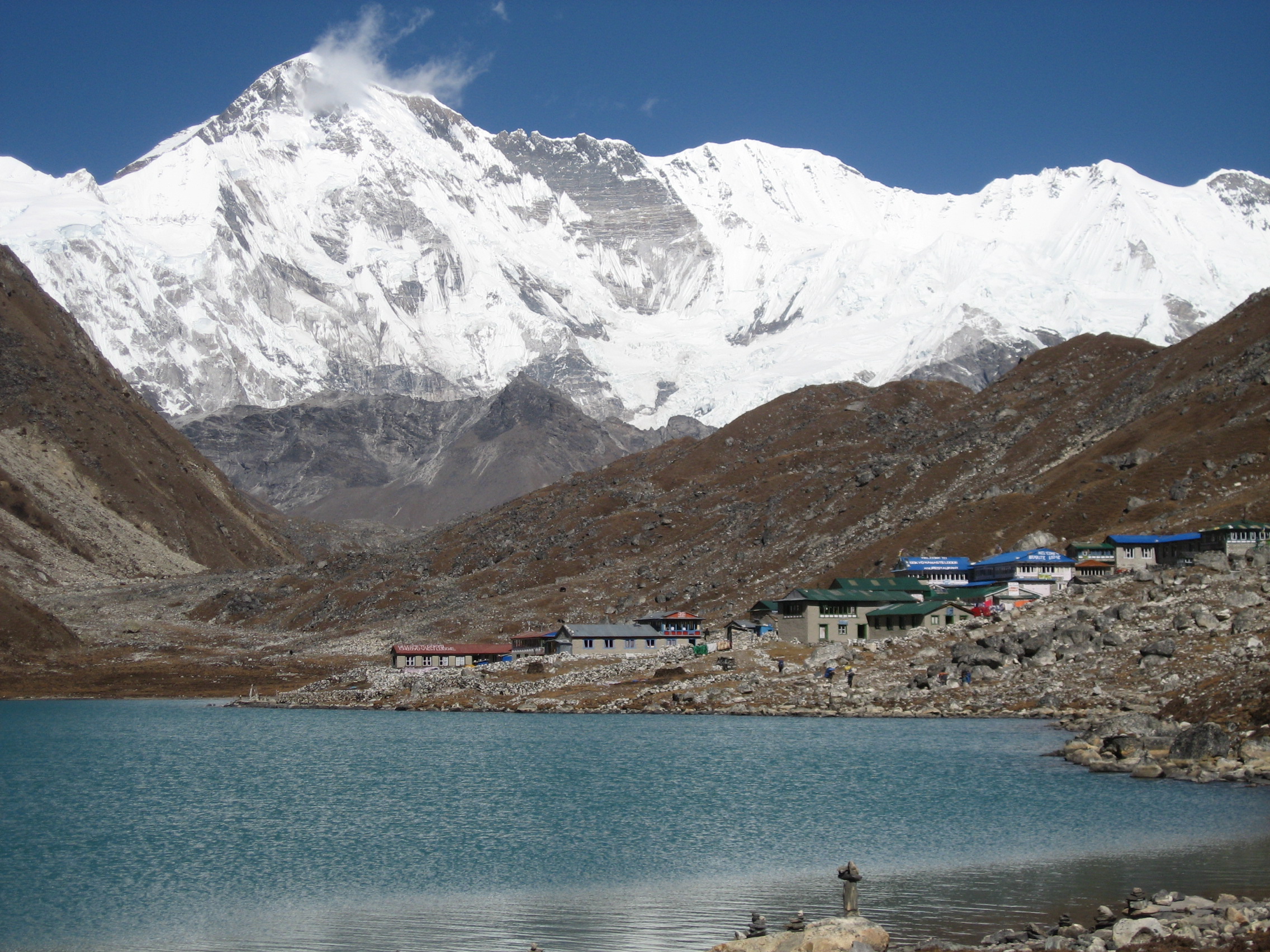
Gokyo Cho or Dudh Pokhari is the most famous and popular lake in the entire system, located at 4,790m, right next to the village of Gokyo. The remarkable milky turquoise color is due to the fine glacial silt which is suspended in the water, thus giving the region the postcard-like appearance that most travelers associate with it. Almost all trekkers on the main trail pass by this lake at least once before they head for Gokyo Ri.
Thonak Cho (4th Lake)
Thonak Cho is the largest and deepest lake in the whole Gokyo system, with a surface area greater than any of the other lakes and a depth of over 62m at its deepest point. Fewer trekkers venture this far, given the additional walking distance beyond Gokyo village, though those who do get rewarded with a noticeably quieter, more dramatic setting framed by towering peaks on nearly every side.
Ngozumpa Cho (Fifth Lake)
Ngozumpa Cho is the nearest to the glacier's snout among the six lakes; its altitude is almost 4,950 m, and it receives direct meltwater inputs. It is one of the more scenic places for trekkers who continue their trek into the valley, but its location is remote and rugged, making it difficult to reach the shores of this elongated lake.
Gyazumpa (Sixth Lake)
Gyazumpa completes the chain as the highest and most remote lake within the immediate Gokyo trekking route. Few trekkers venture this far, as it requires significant additional time and effort from the standard trails of the Everest region, but those who are willing to push the boundaries of the trek and are looking for a sense of solitude that is hard to find elsewhere experience it firsthand.
The third lake is the focus of most basic tours, with Gokyo village as the base for visiting the surrounding viewpoints and, for the more adventurous, the Gokyo Ri summit climb; the fourth, fifth, and sixth lakes are visited by the more adventurous trekker who wishes to find a deeper, quieter experience in the valley.
How to Reach the Gokyo Lakes from Kathmandu
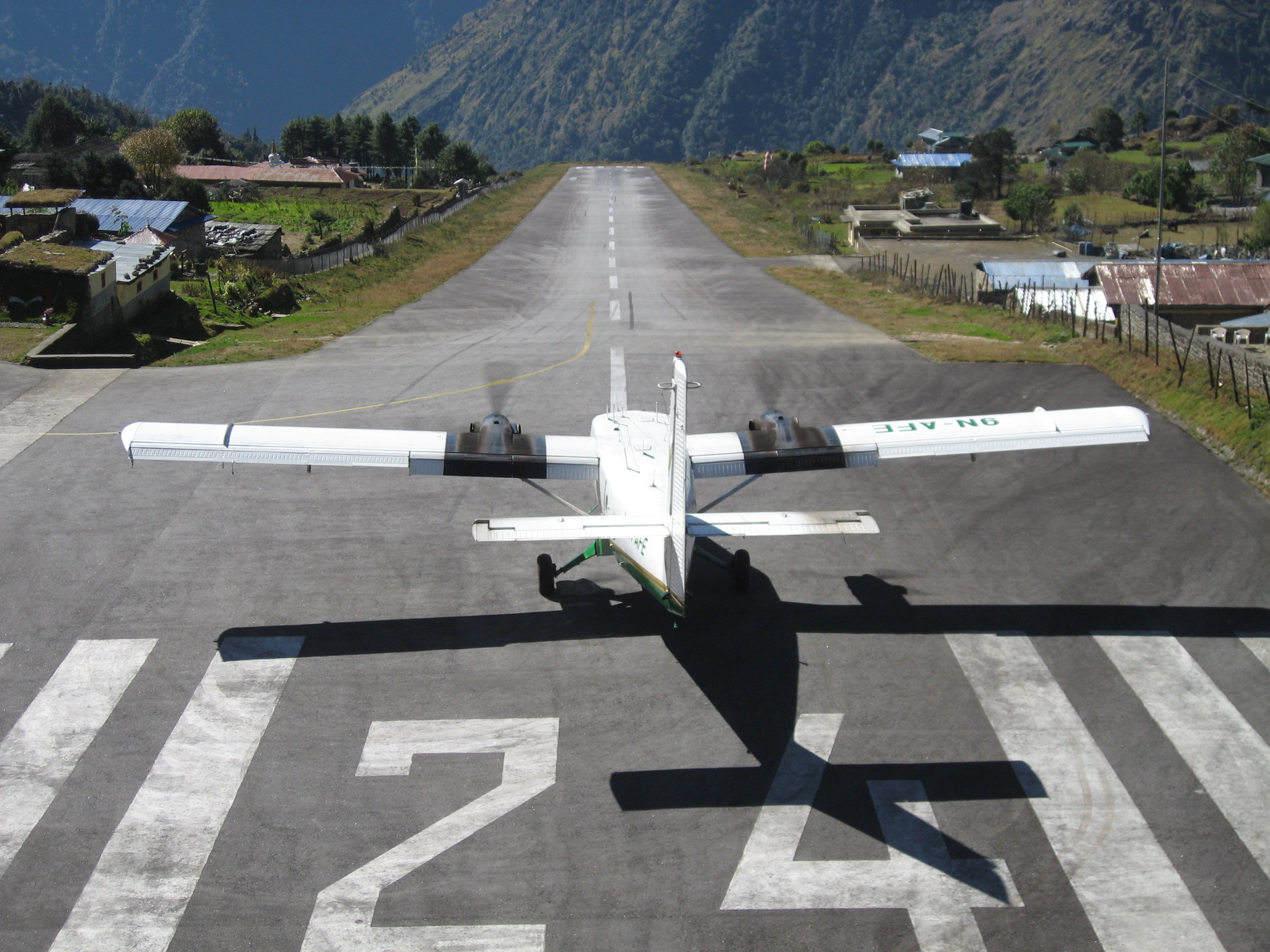
The route to the Gokyo Lakes from Kathmandu is the same short mountain flight from Kathmandu that is used for most treks in the Everest region, as there is no road access into this remote corner of the Khumbu. The journey starts with a 30-40 minute flight from Kathmandu to Lukla, and then you start on foot from Lukla.
The path from Lukla is well known, and passes through the village of Phakding and the village of Namche Bazaar before ascending slowly as you acclimatize to the rising altitude. After Namche, the trail forks from the main trail to Everest Base Camp near Sanasa, heading towards Dole and Machhermo, which are far less popular than the trail to Tengboche and Dingboche.
From Machhermo, you trek along the upper tributary of the Dudh Koshi River with a great view of the Ngozumpa Glacier, and finally reach Gokyo village after about 7-8 days of steady trekking from Lukla, by the third lake. There is a rest day at Machhermo or Dole to acclimatise, as most tours will be climbing up to Gokyo's 4,790m. This route is also famous for connecting two popular trekking trails, Everest Three Peaks and Everest Three Passes.
Some trekkers opt to include both worlds, and take Cho La Pass and then follow the trail of the Gokyo Valley right back to the old Everest Base Camp track, thus making a longer circuit that incorporates both locations in a single extended trek through the Khumbu region, while others choose to go back to Thame via the reverse side of Renjo La (as explored along this route).
Gokyo Lakes Elevation and Distance from Kathmandu
The six lakes of Gokyo have a range of elevations from about 4700 m to 4990 m, with the third lake next to Gokyo village being at about 4790 m, the elevation most trekkers reach and stay at overnight. The summit viewpoint, Gokyo Ri, is just under the height of 5,357m, which is the same as Everest Base Camp, but on a completely different route.
Geographically, the Gokyo Lakes are located approximately 130 kilometers northeast of Kathmandu by straight line distance, but the trek to reach the lakes is much longer when the winding mountain roads are taken into consideration. The walking distance from Lukla is around 60- 65 km one way from Lukla along the Dudh Koshi Valley and then heading off to Dole, Machhermo, and finally Gokyo village itself.
Elevation gain is just as important as horizontal distance in planning your hike. From Lukla at 2,860m, you ascend almost 1,900m in total over the seven or eight days of the trek to reach Gokyo village, a climb which is done gradually to ensure adequate acclimatisation. The summit of Gokyo Ri is another steep ascent of more than 500m above the village, which is usually attempted early in the morning when the weather is clear enough to spot the summit before the clouds gather in the afternoon.
The two routes require similar levels of fitness, and both pass through the Khumbu region, though the Gokyo Lakes route is quieter and less busy, and reaches almost the same height as the more popular route to Everest Base Camp.
Why the Gokyo Lakes Are Considered Sacred
The significance of the Gokyo Lakes as sacred places goes back to the centuries-old Hindu and Buddhist beliefs which make the trek much more than a scenic mountain adventure. The third and most visited lake, Gokyo Cho, is sacred to both religions and is thought to be the home of Naga, serpent deities that protect the water sources and regulate the surrounding weather patterns, according to Sherpa Buddhist tradition.
During Janai Purnima, a full moon day that is usually in August, thousands of Hindu pilgrims come from all over Nepal and India to dip in the cold waters of the lake. The devotees consider this ritual cleansing to be a cleansing of sin and a means of achieving spiritual liberation; it is also believed that Gokyo is directly linked to a network of other sacred lakes in the Himalayas, including Gosaikunda, which is located near the Langtang region. Tibetan Buddhist communities, scattered throughout the Khumbu region, also have a deep respect for the lakes, seeing them as a symbol of Dorje Phagmo, a revered female deity in Tibetan Buddhist lore.
The sanctity is reflected in local customs, such as the protection of animals, which are not allowed to be killed, and of the water, which is not allowed to be disturbed, in the area surrounding the lake. Sherpas believe that disturbing the lakes or the spirits of the lakes would bring about natural consequences such as sudden flooding and poor harvests in the nearby villages, which is still respected by the local people and trekking guides today.
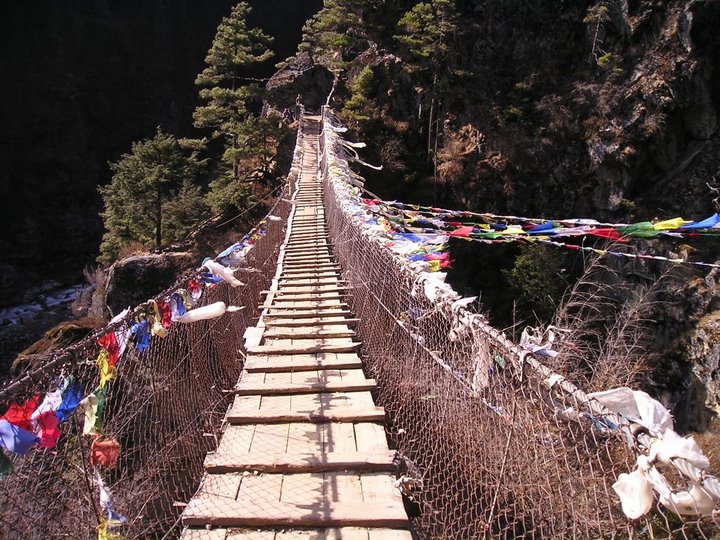
As you pass by Gokyo Cho on your hike, prayer flags wave along the shore, and small stone chortens can be seen scattered along the way, offering a real sense of the faith that has been practiced for generations before anyone even came to find the area. While planning their trips to the Gokyo Lakes, some trekkers choose to go during August as they want to experience Janai Purnima first-hand, which is something they don't always get to do on the trails of the more popular Everest region.
Best Time to Visit the Gokyo Lakes
The best time to visit the Gokyo Lakes is during the two main trekking seasons enjoyed across the wider Everest region, spring and autumn, both offering stable weather and clear mountain views. Spring is March to May, and the temperatures gradually warm up, the rhododendrons in the lower sections of the trail becoming more and more vibrant before you climb into the barren, rocky terrain surrounding the lakes themselves.
The clearest skies and most reliable visibility of the year tend to occur in autumn, from September through November, and this is the preferred window for photographers hoping to capture the turquoise color of the lakes against snow-capped peaks. Reflections across Gokyo Cho are most beautiful on still autumn mornings before the breezes of midday take hold. On windless mornings, when the breeze is light and the water is smooth.
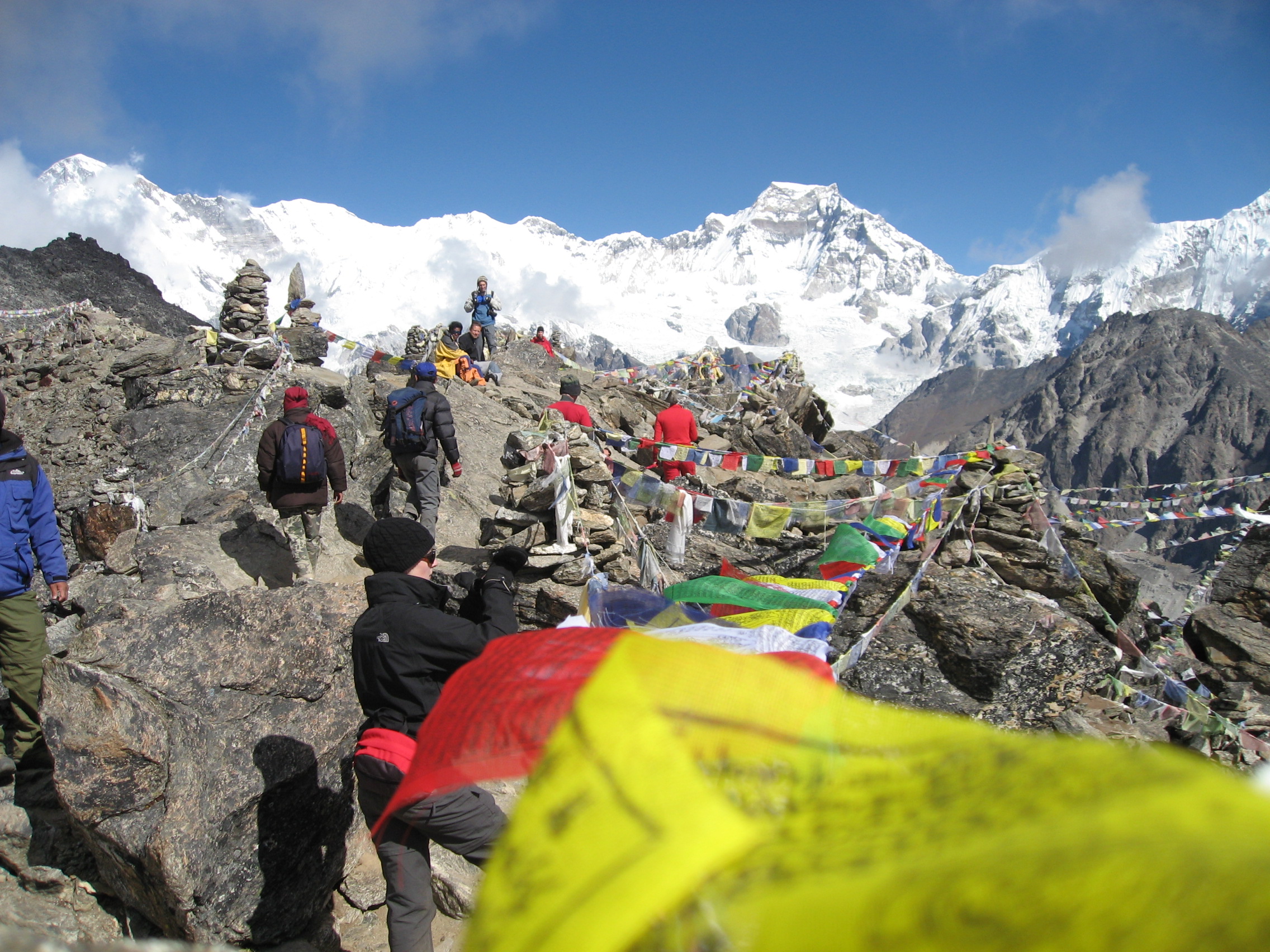
Similarly, Trekkers planning around August should know about Janai Purnima, a Hindu full moon festival drawing pilgrims from across Nepal and India to bathe in Gokyo Cho's sacred waters. Devotees believe the ritual cleanses sin and brings spiritual liberation, connecting Gokyo to a wider pilgrimage network that includes Gosaikunda. Trails and teahouses grow busier during this window, so visiting around Janai Purnima rewards trekkers with a rare, authentic glimpse into living Himalayan tradition alongside the trek's natural beauty, though booking accommodation well in advance becomes essential given the seasonal surge in pilgrims.
The winter months between December and February provide a vastly different and much quieter experience of the region, with a number of the smaller teahouses along the trail closing entirely due to the reduced number of trekkers. Frozen lake surfaces are common during the coldest stretches of January, giving the landscape a surreal, otherworldly quality to trekkers willing to brave sub-zero temperatures and confirm accommodation availability beforehand.
The Gokyo area is also best avoided in the months of June through August, which is the monsoon season, as much as the rest of the Everest region. Expect lots of rain, lots of clouds blocking mountain views, and a greater chance of flight delays to Lukla. The best reliable weather windows for trip planning should be in autumn followed by spring, while winter and monsoon are much riskier options to reach this remote alpine lake system.
The Science Behind the Gokyo Lakes' Turquoise Color
The turquoise color of the Gokyo Lakes is due to the Ngozumpa Glacier, the large ice mass that is slowly grinding against the mountain bedrock below. As the glacier flows, it breaks rocks into an extremely fine sediment called rock flour (or glacial flour), which is so small that it cannot settle on the bottom of the lake and remains suspended indefinitely in the water column.
These suspended particles scatter the rest of the green and blue light back into your eyes and absorb the shorter wavelengths of light (violet and indigo). This optical effect, called the Tyndall effect, creates the beautiful milky turquoise color of Gokyo Cho and the surrounding lakes, which is impossible to replicate in any dye, algae, or sky reflection.
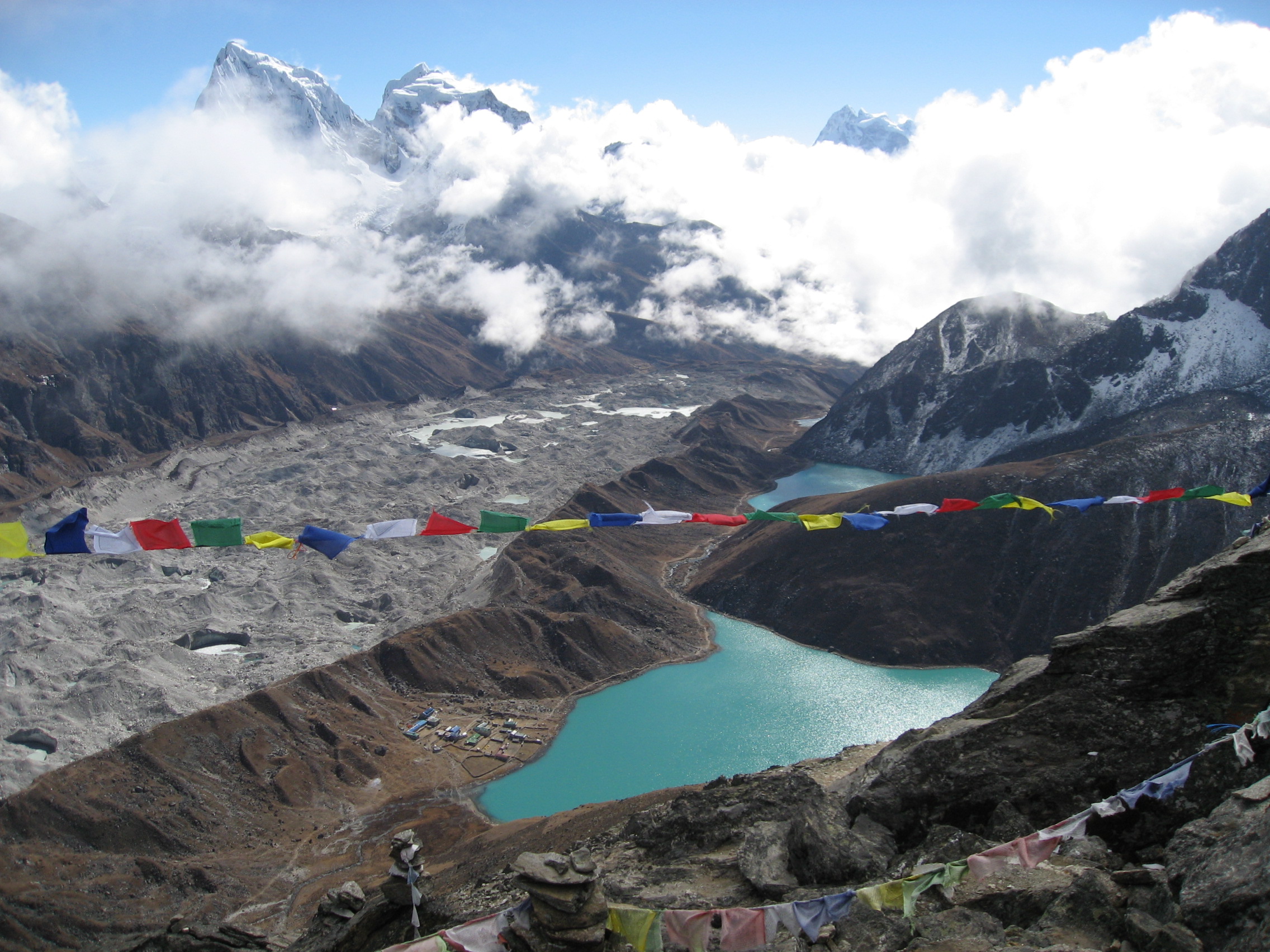
The intensity of the colour actually changes over the course of the year due to the rate of glacial melt and sediment concentration. The most vivid turquoise colors are usually seen in the fall months when the glacial melt is more consistent, and the water is clear of the monsoon runoff. During monsoon season, however, more sediment and debris are likely to be added to the water, sometimes changing the water's color to a dull, less vibrant color until the monsoon subsides.
The different shades of each lake in the Gokyo system are a result of its distance from the glacier and depth. The lake closest to the snout of the Ngozumpa Glacier is most likely to have the highest rock flour content, making it more milky in appearance, whereas lakes further downstream may appear deeper blue or greenish in colour depending on the slight variations in mineral content and the light conditions experienced during the day.
Life at 4,790 Meters: The People and Culture of Gokyo Village
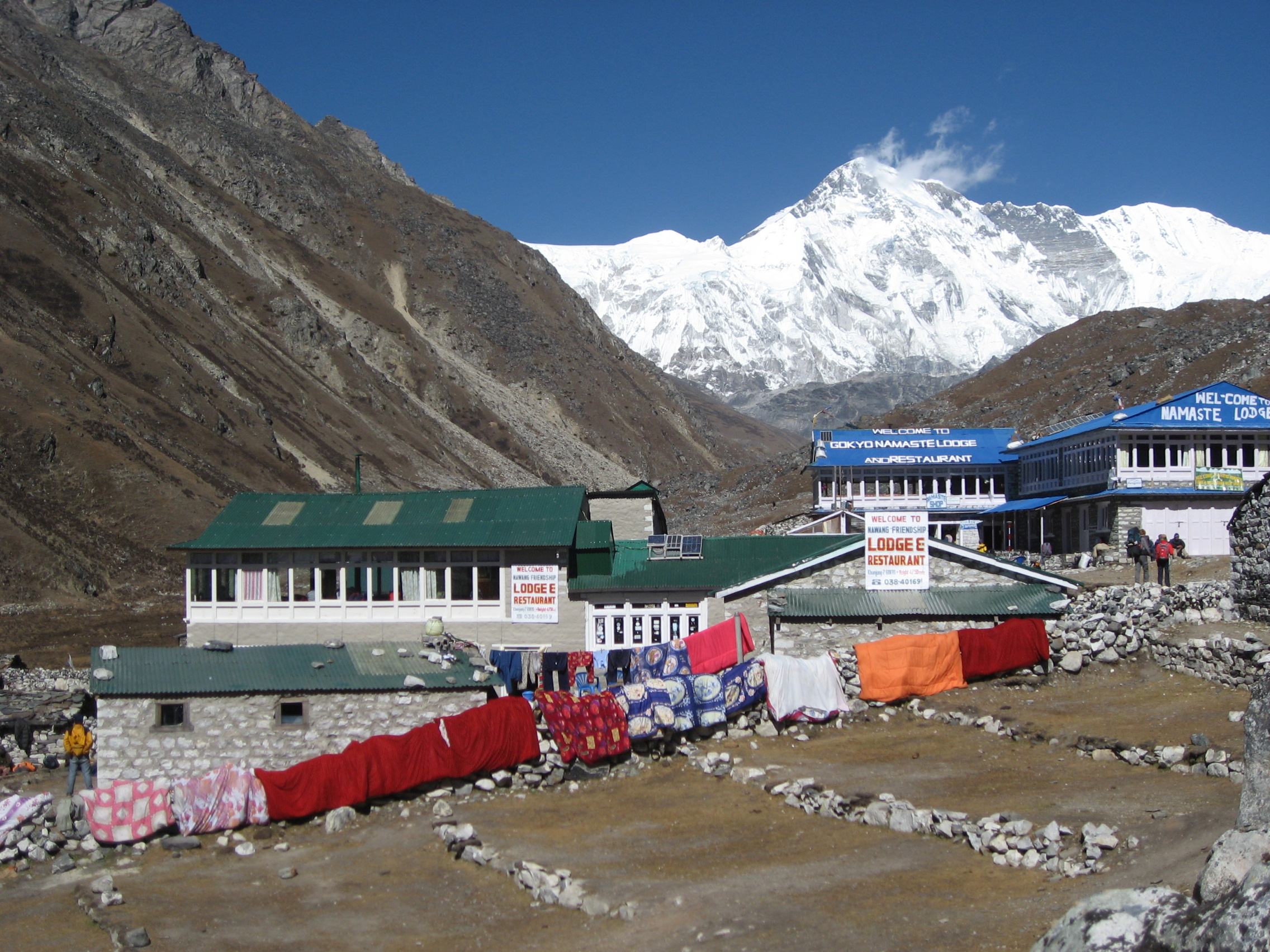
Life at 4,790 meters revolves entirely around Sherpa tradition in Gokyo village, a settlement so remote that daily existence here bears little resemblance to anywhere else most trekkers have visited. Gokyo was originally developed as a summer pastureland for grazing yak herds, but over the years it has evolved into a permanent seasonal settlement. The few stone and wood teahouses now cater to trekkers rather than herders in the busiest months of the year.
Buddhism influences nearly every aspect of daily life in the village, as evidenced by the prayer flags strung between rooftops, the small prayer altar rooms tucked inside most homes, and the mani walls lining the trail, inscribed with the sacred mantra Om Mani Padme Hum. Local custom requires trekkers to pass these walls on the left side, as a small but meaningful gesture of respect for practices that have been practiced here for generations.
Yaks are still central to the community's survival and identity. These robust, thick-furred animals produce milk, butter, meat, and wool, and their dung is dried and burned for fuel, the very same fuel that warms teahouse dining rooms each evening after trekkers return from the cold. Sherpa families have a deep affection for their herds, a relationship that has developed over centuries of mutual inter-reliance in one of the most severely inhabited environments on the planet.
Food throughout the village reflects the same resourcefulness. Menus feature simple, energy-dense meals such as dal bhat, a hearty lentil soup served with rice, and tsampa, roasted barley flour traditionally mixed with butter tea for a filling breakfast at high altitudes. Butter tea and chang, a fermented barley beer, are common at social occasions and are a symbol of the Sherpa tradition of hospitality and sharing food with all the trekkers who pass through.
Otherwise, this quiet, windswept village sees rare bursts of color and gathering during festivals. The biggest event in the area is still Mani Rimdu, celebrated every year at the monastery in Tengboche further down the valley, but smaller local festivals and the pilgrimage season of Janai Purnima bring pilgrims and Sherpa families together beside Gokyo Cho itself, combining spiritual devotion with the same quiet resilience that characterizes everyday life at this extraordinary altitude.
Gokyo Ri vs Kala Patthar: Which Mountain Viewpoint Wins
Gokyo Ri vs Kala Patthar ranks among the most debated comparisons for trekkers deciding between the two legendary Everest region viewpoints, both delivering unforgettable panoramas from strikingly different vantage points. Gokyo Ri stands at 5,357 meters above the Gokyo Valley, while Kala Patthar climbs slightly higher to 5,545 meters near Gorak Shep, though elevation alone tells only part of the story when comparing these two summits.
Views from each peak highlight completely different aspects of the Himalayan skyline. Kala Patthar delivers the closest, most direct view of Everest's actual summit, making it the go-to choice for trekkers wanting that iconic, unobstructed photo of the world's highest peak. Gokyo Ri, by contrast, trades a slightly more distant Everest view for a dramatically wider panorama, sweeping across Cho Oyu, Makalu, Lhotse, and the massive Ngozumpa Glacier stretching beneath your feet, arguably offering more visual variety across a single 360 degree turn.
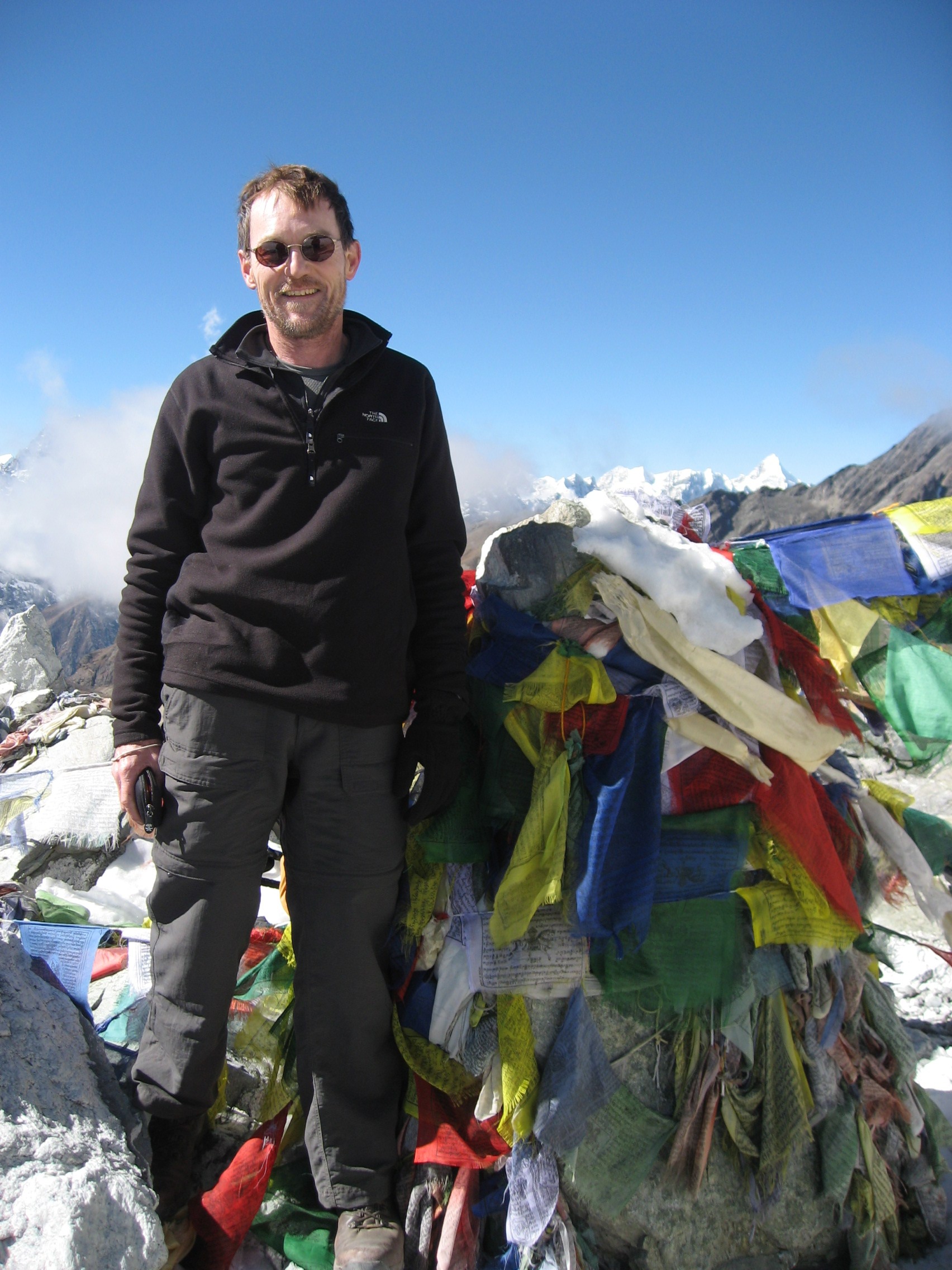
Crowd levels differ significantly between the two, given Kala Patthar's position along the main Everest Base Camp trail, one of the busiest trekking routes in Nepal. Sunrise mornings atop Kala Patthar often draw dozens of trekkers packed shoulder to shoulder for the same shot, while Gokyo Ri's quieter, less-trafficked location offers a noticeably calmer summit experience, even during peak trekking seasons.
Physical difficulty stays roughly comparable between both climbs, each demanding an early alpine start and a steep, lung-testing push in thin air before sunrise. Trekkers already committed to the Everest Base Camp route naturally gravitate toward Kala Patthar for its direct Everest views, while those seeking solitude, broader mountain panoramas, and a genuinely quieter Himalayan experience tend to favor Gokyo Ri, especially trekkers combining both destinations through a longer circuit crossing Cho La or Renjo La Pass between the two valleys.
Wildlife and Ecology of the Gokyo Valley
The wildlife and ecology of the Gokyo Valley focus on one of the most ecologically important wetland systems in all of the Himalayas, which was designated a Ramsar site of international importance in 2007. The Gokyo lake system covers an area of almost 7,770 hectares at the headwaters of the Dudh Koshi River, which is part of a long river system known as the Ganges River flowing into the Bay of Bengal.
The snow leopard is a vulnerable species on the IUCN Red List and is seldom spotted due to its solitary nature, rarity, and rocky habitat. The nearby alpine meadows are grazed by a large wild goat called the Himalayan tahr, which is well adapted to steep, rocky terrain, and is a favourite prey of the snow leopard within this sensitive high-altitude habitat.
But in spite of the inhospitable altitude, Birdlife flourishes here, including the Himalayan monal, Nepal's national bird, blood pheasant and snow pigeon, which give life to an otherwise bleak and rocky landscape. The valley is also home to rare and threatened plant species, such as the Kutki plant, which is a plant that has long been used in traditional medicine and is now under threat in the region due to its vulnerable status.
The alpine pastures and glacial meltwater system of the valley support communities downstream of the Khumbu area, providing fresh water to the river system of Nepal. When trekkers pass the lakes on the way to Gokyo Ri, they often don't realise they are transiting through a globally protected wetland, one that supports biodiversity that is found in very few other places at such high altitudes, and therefore it is important to conserve and practise responsible trekking so that the valley's fragile balance can be maintained for generations of trekkers yet to come.
Common Myths About the Gokyo Lakes
Many first-time trekkers to the Gokyo Lakes are misled by the common misconceptions about the area, such as the belief that there is only one lake. In fact, the system comprises six separate glacial lakes, but most tours limit themselves to the third lake (Gokyo Cho), and many visitors assume that it is the only one rather than a chain towards the Ngozumpa Glacier.
Another old myth is that trekkers can wade or swim into the lakes because of the very appealing turquoise colour of the water. In addition to the ritual bathing during Janai Purnima, the high elevation and glacial meltwater constantly replenishing the lakes make these water temperatures extremely hazardous for physical use, and the lakes' sacredness among Hindu and Buddhist communities makes swimming in them culturally inappropriate.
Many trekkers believe that Gokyo is an easier place to trek than Everest Base Camp, because it has fewer crowds on the trails. The physical difficulty remains similar on both routes, with the summit climb to Gokyo Ri almost equal to the one to Kala Patthar, and the trek requires the same amount of cardiovascular fitness and acclimatization regardless of the lesser number of people walking along the route.
The last myth is that you can view Mount Everest clearly from all vantage points in the Gokyo Valley. Although the summit of Gokyo Ri does provide true Everest views, as well as Cho Oyu, Lhotse, and Makalu, the lakes are located on the valley floor, and it is not until you make the steep ascent above Gokyo village that you can see the summit of Everest.
A Trekker's First Impression: What It Feels Like to Stand at Gokyo Cho
A trekker's first impression standing at Gokyo Cho rarely matches whatever mental image carried you through days of steady climbing to reach it. Rounding the final bend past Machhermo, the lake reveals itself gradually rather than all at once, its milky turquoise surface stretching wider than photographs ever suggest, framed by the jagged, ice-streaked wall of Cho Oyu rising directly behind it.
Silence dominates the scene far more than expected. Away from the main Everest Base Camp trail's steady foot traffic, wind becomes the loudest sound most afternoons, occasionally interrupted by prayer flags snapping sharply against their poles or the distant, hollow crack of shifting glacial ice somewhere across the Ngozumpa Glacier. Thin air at nearly 4,800 meters makes even simple movements feel heavier, and standing still beside the water often becomes the only comfortable option after a long day's walk.
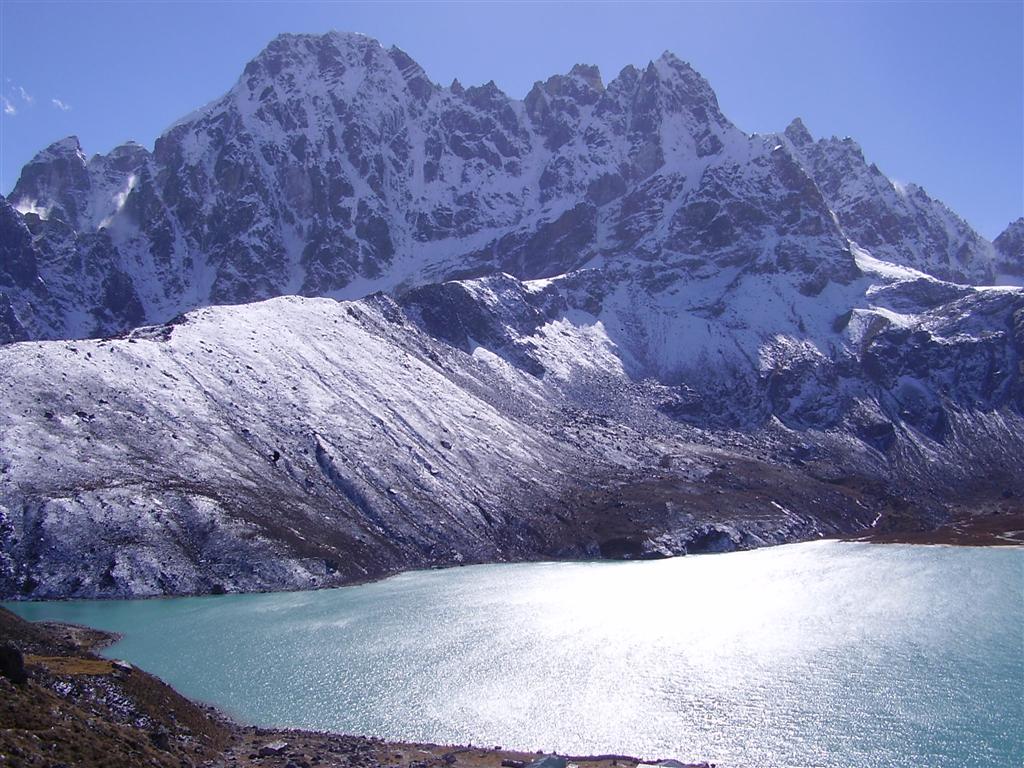
Color shifts constantly depending on the sun's position, deepening into a richer turquoise during midday light before softening toward pale blue-grey as afternoon shadows stretch across the valley. Locals and pilgrims occasionally pause at the shoreline too, murmuring quiet prayers or leaving small offerings near the water's edge, a quiet reminder of the lake's sacred significance long before trekkers ever discovered the trail leading here.
Cold settles in fast once the sun dips behind surrounding peaks, and Gokyo village's cluster of blue roofed lodges suddenly feels far more inviting than it did an hour earlier. Most trekkers describe the same lingering feeling after that first evening beside the lake, a mixture of quiet awe and genuine disbelief that a place this remote, this still, and this strikingly beautiful actually exists tucked within the folds of the Himalayas.
Permits Required to Visit the Gokyo Lakes
The two documents required to visit the Gokyo Lakes are the same documents required in the rest of the Everest region, as Gokyo is located in the same protected area as the traditional route to Base Camp. The cost of an entry permit to the Sagarmatha National Park is about $30 USD, which helps to conserve the park's fragile alpine ecosystem, wildlife, and the Ramsar-listed wetland surrounding the lakes themselves.
The Khumbu Pasang Lhamu Rural Municipality permit system, which costs about $20 USD, was introduced in place of the previous TIMS card system, with the aim of supporting local infrastructure and community development in Sherpa villages along the trail. Physical copies of both permits are checked at specific checkpoints, usually near Monjo before crossing into the national park, so they must be carried throughout the trek to Gokyo.
The Nepal government has recently introduced a new rule that all trekkers must hire a licensed guide for their journey, and this applies to treks going towards Gokyo as well, making independent trekking without a guide completely impossible in the Everest region within the protected boundaries. The requirement also enhances safety, as Gokyo is less traveled than the Base Camp route, and it is much more difficult to arrange quick access to help during an emergency.
Usually, permits are bought in advance, before departure, with your trekking agency, in this case Nepal Nomad, which makes it much easier than having to buy them in Kathmandu. The permits are booked as part of the package for trekkers who are taking structured packages to the Gokyo Lakes, eliminating the bureaucratic burden of a demanding physical trek through one of the Everest region's most remote valleys.
Photography Tips for Capturing the Gokyo Lakes
The first photography tip for the Gokyo Lakes is to time your photographs around light and not convenience. The best water surfaces are in the early morning between sunrise and mid-morning, when the winds tend to be light before they increase in the midday breezes that blow across the valley, providing glassy, mirror-like reflections of surrounding peaks across the turquoise surface of Gokyo Cho.
At 5,357m, Gokyo Ri offers one of the region's very best single vantage points for those who make the pre-dawn ascent. Before dawn, you'll be able to see the sunrise on Everest, Cho Oyu, and Makalu before rising to full daylight, when you'll see a panorama of the lake system and Ngozumpa Glacier below you.
The color varies significantly with season and sun angle across the lakes, and the best shots are taken in the fall when the water is clearer and glacial melt is more uniform. Shooting low, close to the water, instead of standing and shooting straight down, may yield more dramatic reflections and provide a greater sense of scale in the background of the mountains.
At this height, camera batteries will need to be warmed by cold temperatures much faster than anticipated, which is why it is important to have spare batteries warm inside an inner jacket pocket so they don't unexpectedly go dead mid-shoot. Polarizing filters reduce the amount of glare reflected across the water's surface, enhancing color and eliminating unwanted reflections, especially in the middle of the day when the direct glare from the sun may wash out the characteristic turquoise color of the lake.
As with any type of photography, patience is as important as the gear when it comes to taking photos at this remote location. It's all too easy to get a great view of the landscape, only to have it swept clean by a cloud in a matter of minutes, so it's always better to have more time to try again if you need to than to end up with a less-than-spectacular shot when you get home.
Your Path to the Gokyo Lakes Starts with Understanding Where They Lie
The Gokyo Lakes' exact location, elevation, and the journey required to reach them now sit clearly in your mind, transforming vague curiosity into a concrete understanding of what awaits between Kathmandu and this remarkable glacial lake system tucked within the Khumbu. Six turquoise lakes, each carrying its own character and sacred significance, offer a quieter, equally rewarding alternative to the traditional Everest Base Camp route, paired with panoramic views from Gokyo Ri that rival the region's most famous viewpoints.
Whether you're drawn to the spiritual pull of Janai Purnima, the striking science behind the lakes' turquoise color, or simply want clarity on where this destination sits on the map, your next step now feels far more concrete than it did before reading this guide. Trekkers of every experience level find their way here each season, discovering that Gokyo rewards patience, proper acclimatization, and genuine curiosity about one of the Himalayas' most understated treasures.
Nepal Nomad's experienced local guides handle every logistical detail of your journey, from permits and acclimatization pacing to choosing the right route through this remote valley. Reach out to Nepal Nomad and let your own path toward the Gokyo Lakes take shape, turning today's curiosity into tomorrow's genuine Himalayan adventure.