Everest Base Camp Nepal vs Tibet: Understanding Both Locations
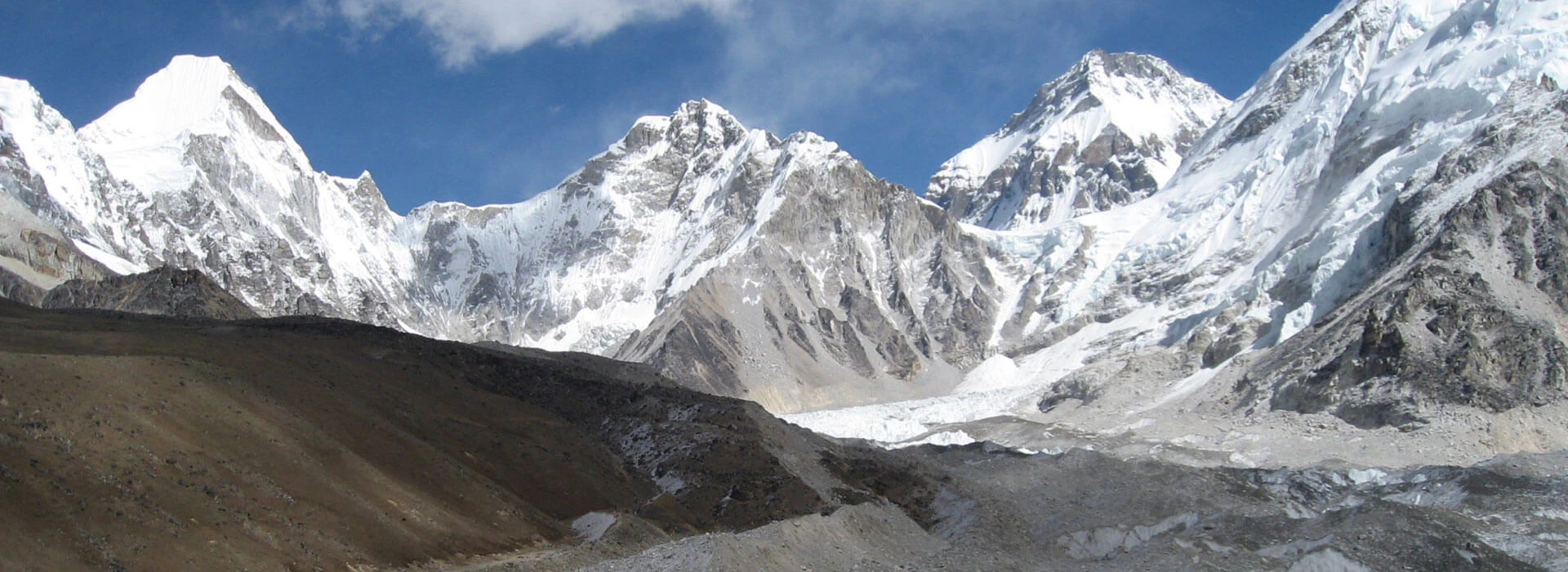
Everest Base Camp Nepal and Everest Base Camp Tibet sit on opposite sides of the same mountain, yet the two locations offer vastly different experiences, accessibility, and trekking logistics. Nepal's South Base Camp rests at 5,364 meters within the Khumbu region, reached exclusively on foot after days of trekking through Sherpa villages, while Tibet's North Base Camp sits slightly higher at approximately 5,150 meters and connects directly to a road, allowing vehicles to drive right up to the site.
Trekkers choosing the Nepal side commit to a proper multi-day walking journey, typically starting with a flight into Lukla before winding through Namche Bazaar, Tengboche, and Dingboche across eight to nine days. Everest Base Camp Trek follows this exact route, giving trekkers gradual acclimatization alongside deep cultural immersion in Sherpa communities along the way. Tibet's base camp, by contrast, requires far less physical exertion since vehicles handle most of the approach, though travelers still need special permits and typically join organized tours given stricter regional travel regulations.
Views from each side differ noticeably too. Nepal's Base Camp sits beneath the imposing Khumbu Icefall, offering close-up views of the treacherous route climbers use during summit attempts, while Tibet's North Base Camp provides a more distant, open panorama of Everest's north face across the Rongbuk Valley. Photographers and mountaineers researching both locations often find Nepal's approach more immersive, while Tibet's side appeals to travelers wanting dramatic views without weeks of physical trekking.
Choosing between the two ultimately depends on your travel goals, physical fitness, and available time. Trekkers seeking an authentic Himalayan adventure combined with genuine physical achievement gravitate toward Nepal's route, while those prioritizing convenience or limited mobility often find Tibet's drivable access more practical, even though the experience trades away much of the immersive trekking journey that makes Nepal's side so rewarding.
How to Reach Everest Base Camp from Kathmandu
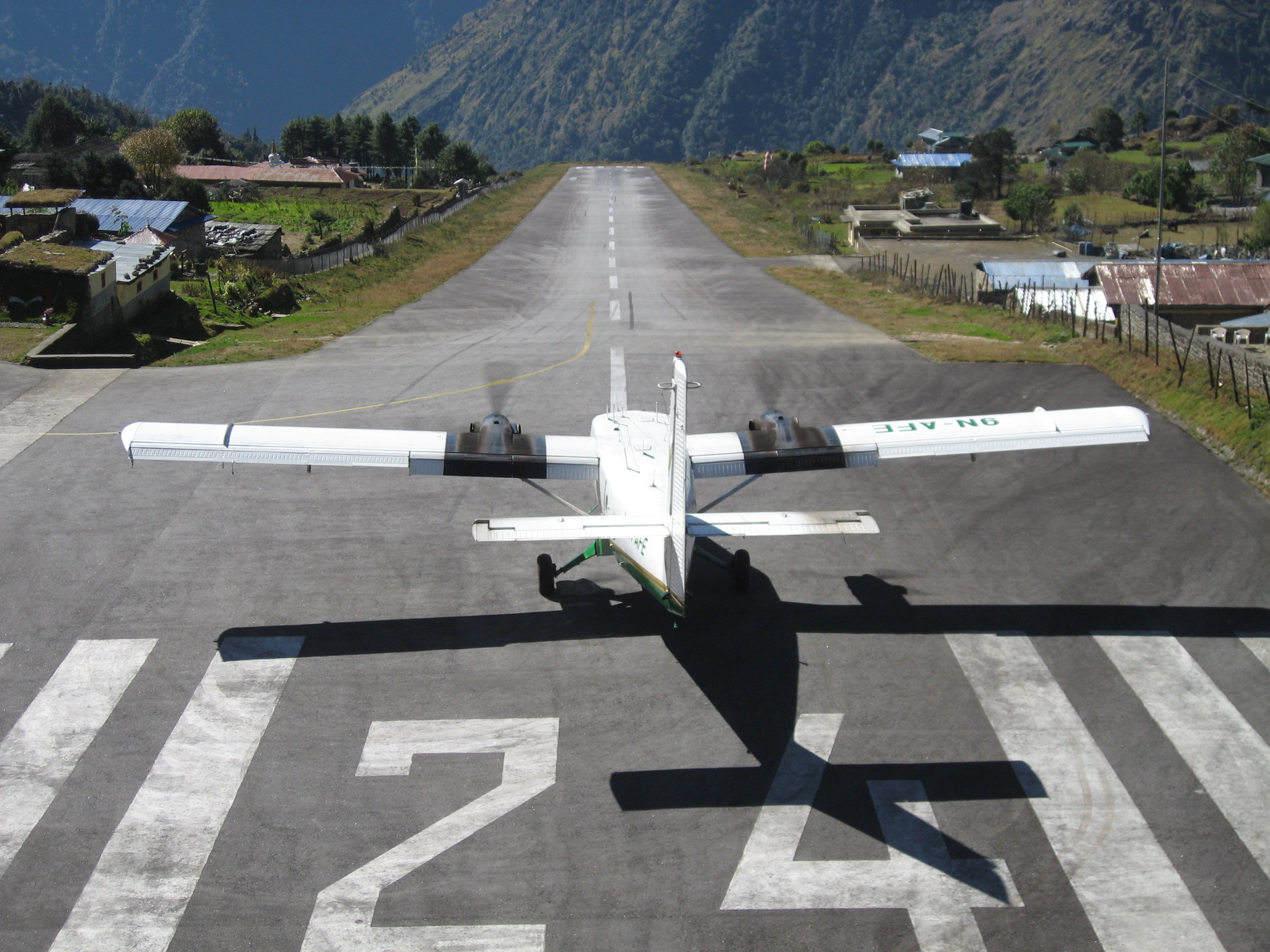
How to reach Everest Base Camp from Kathmandu starts with a short, dramatic flight rather than a long road journey, since no highway connects Nepal's capital directly to the Khumbu region. Your journey begins with a 30-40 minute flight from Kathmandu to Lukla, landing at Tenzing-Hillary Airport, widely known as one of the world's most thrilling airstrips given its short runway perched on a mountainside at 2,860 meters.
From Lukla, your trail winds through Namche Bazaar and climbs steadily toward Tengboche, home to the region's largest monastery and host to the vibrant Mani Rimdu festival each autumn. Continuing higher, you pass through Pangboche, launch point for climbers attempting the Ama Dablam Expedition or trekking toward Ama Dablam Base Camp, before reaching Dingboche, itself a popular acclimatization stop and gateway for climbers heading toward Island Peak. Your final stretch pushes through Lobuche, where trekkers branching toward the demanding Cho La Pass split off from the main trail, before Gorak Shep delivers you to Everest Base Camp itself and nearby Gokyo Ri, a legendary viewpoint reached by trekkers extending their journey into the Gokyo Valley.
Alternative overland routes exist for trekkers seeking a longer, more gradual approach or wanting to avoid Lukla's notoriously weather sensitive flights altogether. Starting your trek from Jiri or Phaplu adds several extra walking days before reaching Lukla's usual starting point, rewarding you with quieter trails and a deeper sense of gradual immersion into the Himalayas.
Helicopter access offers a third option for travelers with limited time or physical capacity for extended trekking, reaching Everest Base Camp or nearby viewpoints within a single day.
Popular Everest Base Camp Trekking Itinerary (15 Days)
DAY 01: Arrival in Kathmandu, 1,324m
DAY 02: Exploring Kathmandu, Bhaktapur, and Lalitpur
DAY 03: Fly to Lukla, trek to Phakding, 2,610m
DAY 04: Phakding to Namche Bazaar, 3,440m
DAY 05: Acclimatization day in Namche Bazaar
DAY 06: Namche Bazaar to Tengboche, 3,867m
DAY 07: Tengboche to Dingboche, 4,360m
DAY 08: Acclimatization day in Dingboche
DAY 09: Dingboche to Lobuche, 4,910m
DAY 10: Lobuche to Gorak Shep, trek to Base Camp, back to Gorak Shep, 5,364m
DAY 11: Hike to Kala Patthar (5,545m), trek down to Pheriche, 4,371m
DAY 12; Pheriche to Tengboche, 3,867m
DAY 13: Tengboche to Namche Bazaar to Monjo, 2,835m
DAY 14: Monjo to Lukla, 2,860m
DAY 15: Kathmandu departure
Everest Base Camp Trek with Helicopter Return
Day 01: Arrival in Kathmandu, 1,324m
Day 02: Exploring Kathmandu, Bhaktapur, and Lalitpur
Day 03: Fly to Lukla, trek to Phakding, 2,610m
Day 04: Phakding to Namche Bazaar, 3,440m
Day 05: Acclimatization day in Namche Bazaar
Day 06: Namche Bazaar to Tengboche, 3,867m
Day 07: Tengboche to Dingboche, 4,360m
Day 08: Acclimatization day in Dingboche
Day 09: Dingboche to Lobuche, 4,910m
Day 10: Lobuche to Gorak Shep, trek to Everest Base Camp, back to Gorak Shep, 5,364m
Day 11: Hike to Kala Patthar (5,545m), return to Gorak Shep
Day 11: Fly by helicopter from Gorak Shep to Kathmandu, skipping the multi-day walk back down
Day 12: Kathmandu departure
Everest Base Camp Helicopter Tour without any trekking days
Early Morning: Depart Kathmandu by helicopter toward the Khumbu region
Morning: Land near Everest Base Camp or Kala Patthar for close-up mountain views
Mid-Morning: Fly to Namche Bazaar or Syangboche for a scenic descent stop
Breakfast Stop: Land at Everest View Hotel for breakfast with panoramic Everest views
Late Morning: Return flight to Kathmandu, completing the tour within a few hours
Everest Base Camp Elevation and Distance from Kathmandu
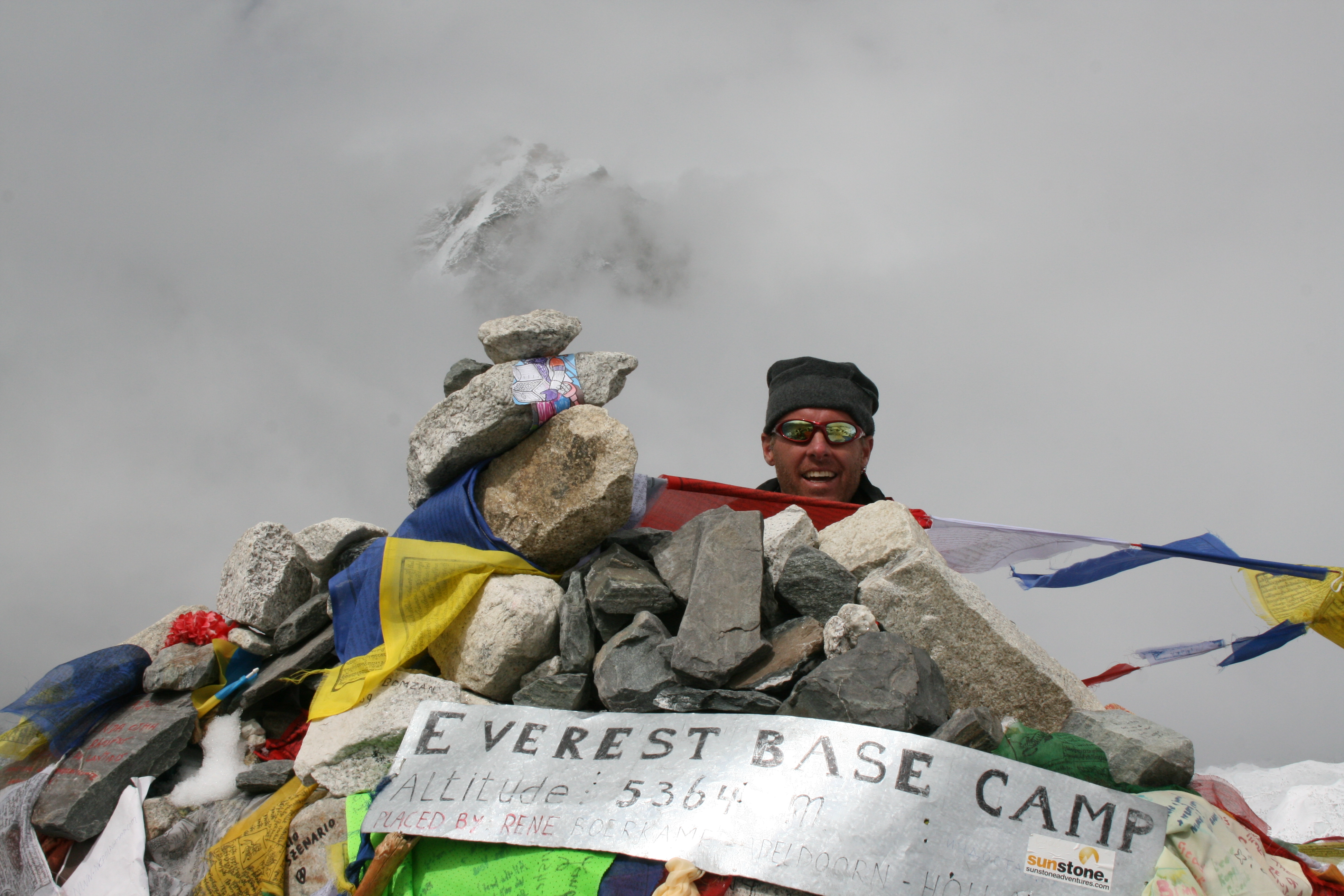
Everest Base Camp elevation sits at 5,364 meters (17,598 feet) above sea level, placing it well above the altitude where most trekkers start noticing thinner air and reduced oxygen levels. Despite sitting at nearly the same height as some of the world's tallest peaks outside the Himalayas, Base Camp itself remains a walkable destination rather than a technical climbing objective, reachable by any reasonably fit trekker with proper acclimatization.
Distance wise, Everest Base Camp sits roughly 140 kilometers northeast of Kathmandu as the crow flies, though no direct road or straight path exists given the mountainous terrain separating Nepal's capital from the Khumbu region. Your actual travel distance stretches considerably further once you account for the flight to Lukla followed by winding trekking trails through Namche Bazaar, Tengboche, and Dingboche, covering approximately 65 kilometers of walking trail one way from Lukla alone.
Elevation gain along your journey adds another layer of distance beyond simple kilometers. Starting from Lukla at 2,860 meters, you climb nearly 2,500 meters in total elevation gain before reaching Base Camp, a gradual ascent spread deliberately across eight to nine trekking days to reduce altitude sickness risk. This slow elevation build explains why reaching a destination only 140 kilometers from Kathmandu takes well over a week rather than a single day's journey.
Understanding both elevation and distance helps set realistic expectations for your trek, showing why proper acclimatization days matter just as much as physical fitness when planning your route toward one of the highest trekkable destinations on Earth.
Best Time to Visit Everest Base Camp
Best time to visit Everest Base Camp falls within two distinct trekking windows each year, spring and autumn, both offering stable weather and clear mountain visibility. Spring season runs from March through May, bringing gradually warming temperatures, blooming rhododendrons along lower trails, and increasingly favorable conditions for Everest summit attempts, making this period one of the busiest times on the trail.
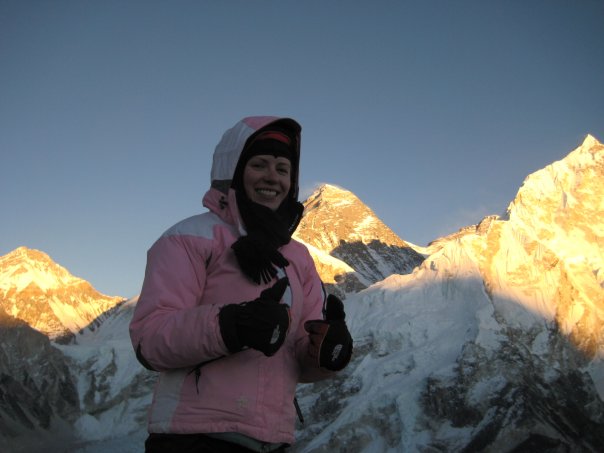
Autumn season, spanning September through November, delivers similarly stable weather with crisp, clear skies following the summer monsoon's departure. Visibility often peaks during this window, giving trekkers exceptional mountain views alongside comfortable daytime trekking temperatures.
Winter months between December and February offer a completely different experience, trading milder temperatures for dramatically fewer crowds and strikingly clear air. Sub-zero nights and colder daytime conditions demand more serious cold-weather preparation, though trekkers willing to brave the chill get rewarded with empty trails and pristine visibility rarely seen during peak seasons. Nepal Nomad’s detailed guide on trekking Everest in winter covers exactly what to expect and how to prepare for this quieter, more demanding season.
Monsoon season from June through August generally discourages trekking given heavy rainfall, leech-infested lower trails, and frequently obscured mountain views from persistent cloud cover. Flight delays into Lukla also increase significantly during this period, making it the least practical window for reaching Everest Base Camp regardless of your fitness level or trekking experience.
Everest Base Camp Trek Difficulty
Everest Base Camp trek difficulty falls into the moderate to challenging category, demanding solid physical fitness rather than technical climbing skills or prior mountaineering experience. Most healthy adults with reasonable cardiovascular fitness can complete the trek successfully, provided they follow a properly paced itinerary that allows gradual acclimatization rather than rushing toward higher elevations too quickly.
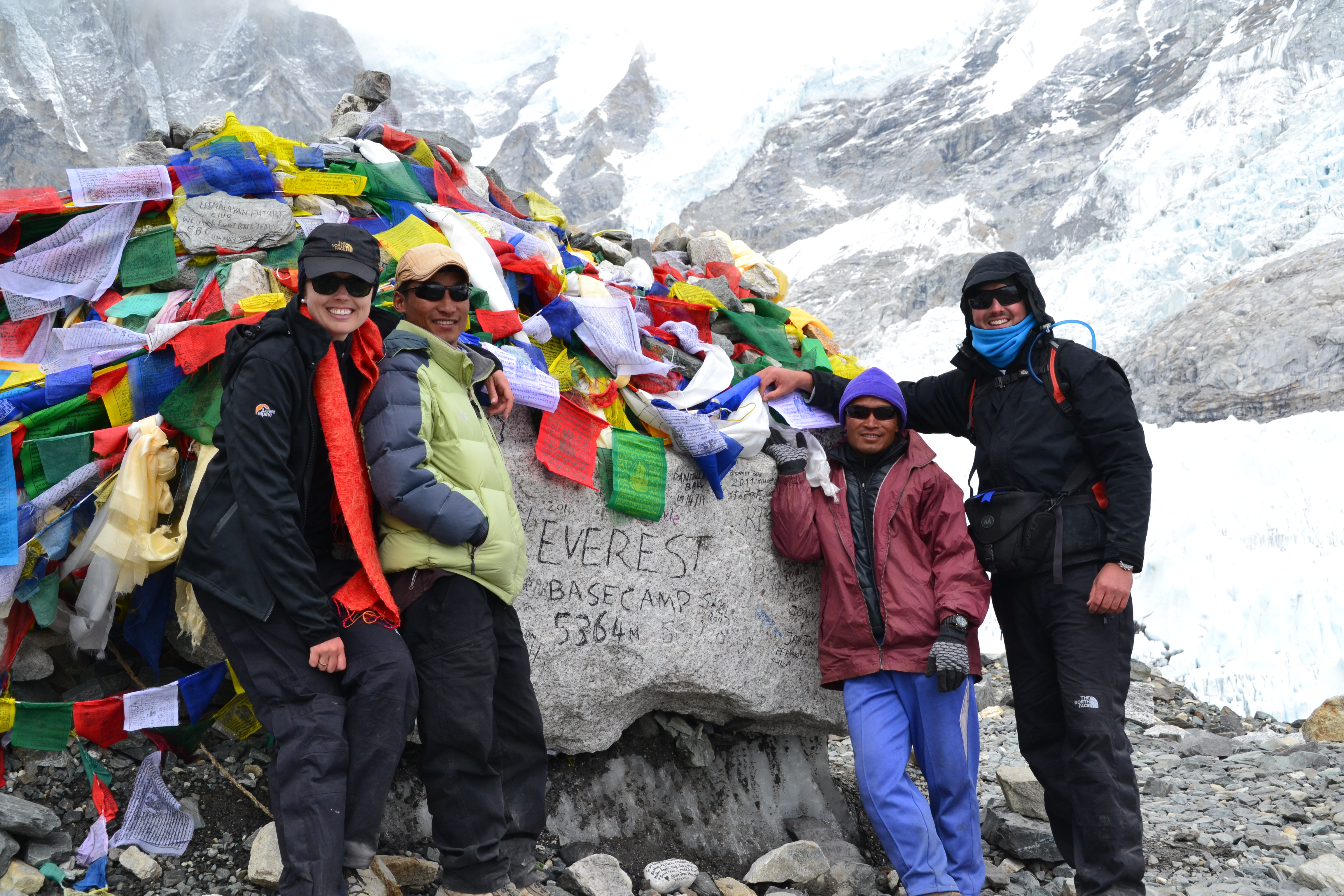
Daily walking hours typically range between five and seven hours across varied terrain, including steep uphill sections, rocky trails, and suspension bridge crossings over glacial rivers. Altitude poses the single biggest challenge rather than distance or terrain alone, since oxygen levels drop significantly above 3,500 meters, making acclimatization days at Namche Bazaar and Dingboche essential rather than optional additions to your schedule.
Physical preparation before your trip meaningfully reduces difficulty once you're on the trail. Building cardiovascular endurance through hiking, running, or stair climbing in the months leading up to your trek helps your body handle daily elevation gain more comfortably. Trekkers attempting more demanding variations, such as the Everest Three High Passes Trek, should expect a noticeably higher difficulty level given additional high-altitude pass crossings beyond standard Base Camp elevation.
Age and prior trekking experience matter less than most travelers assume, since reasonably fit teenagers, seniors, and complete trekking beginners regularly reach Base Camp each season. Mental resilience plays an equally important role alongside physical fitness, since cold temperatures, basic teahouse accommodation, and multiple consecutive days of walking test endurance beyond simple cardiovascular capacity. Trekkers who prepare both physically and mentally, while trekking with experienced guides who monitor altitude symptoms closely, consistently report a manageable and deeply rewarding experience despite the trek's genuine physical demands.
Permits Required for Everest Base Camp Trek
Permits required for Everest Base Camp trek include two mandatory documents every trekker must carry, regardless of trekking independently or joining a guided group. The Sagarmatha National Park entry permit costs approximately $30 USD and directly funds conservation efforts protecting the park's fragile alpine ecosystem, wildlife, and forests across the Khumbu region.
The Khumbu Pasang Lhamu Rural Municipality permit, priced around $20 USD, replaced the older TIMS card system specifically for treks within this region, supporting local infrastructure and community development projects. Both permits get checked at designated checkpoints along the trail, typically near Monjo before entering the national park boundary, so carrying physical copies throughout your trek remains essential.
Nepal's government regulations updated in 2023 also require every trekker entering the Everest region to hire a licensed guide, eliminating the option of fully independent trekking without professional support. This regulation improves overall safety standards while creating consistent employment opportunities for local Sherpa guides and porters who know the terrain, altitude risks, and seasonal trail conditions intimately.
Purchasing permits typically happens through your trekking agency before departure, streamlining the process considerably compared to arranging them independently in Kathmandu. Trekkers booking structured itineraries, such as Nepal Nomad's Everest Base Camp Trek, have permits handled entirely as part of their package, removing bureaucratic hassle from an already demanding physical journey.
What Everest Base Camp Actually Looks Like (Beyond the Photos)
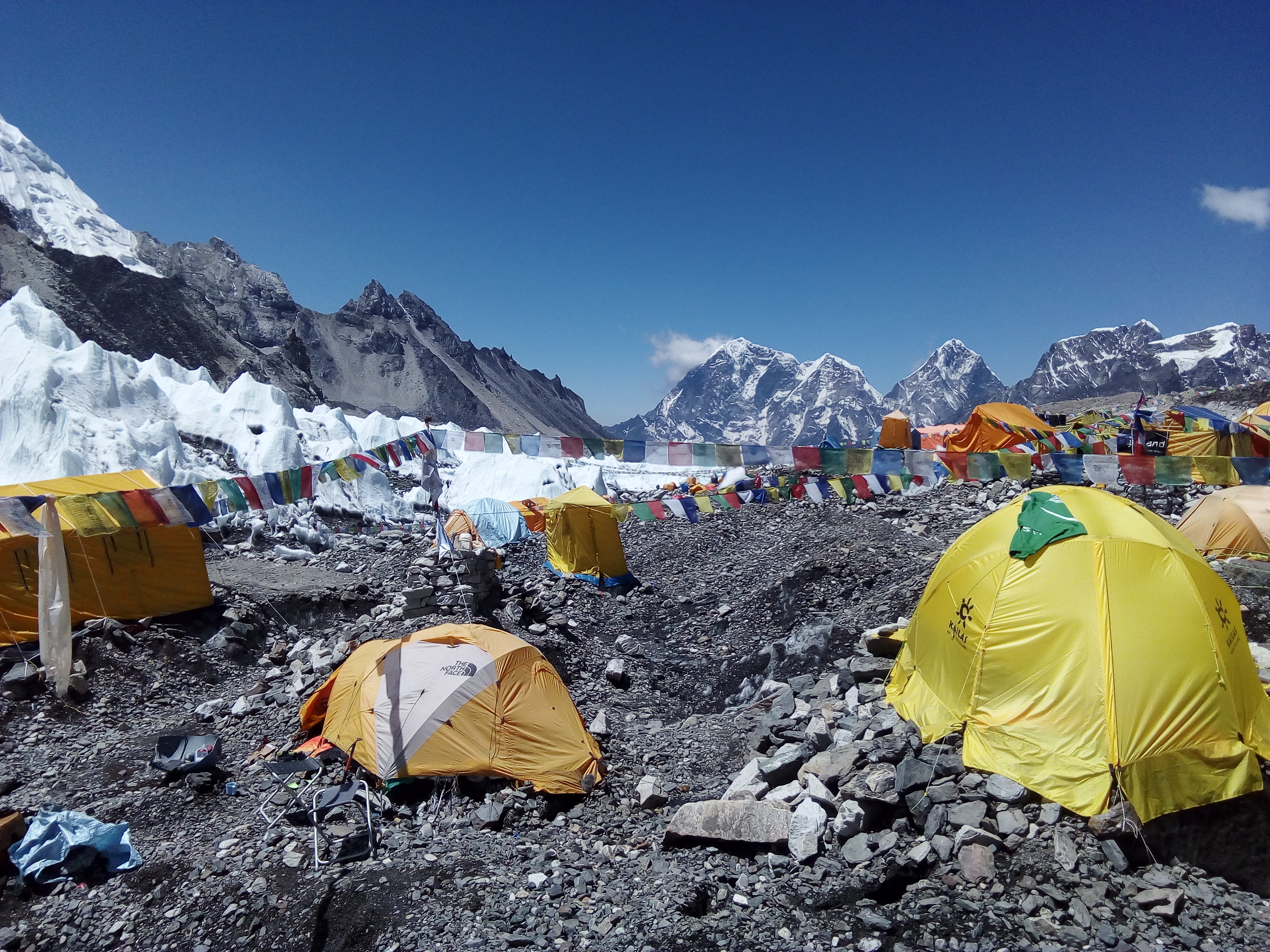
What Everest Base Camp actually looks like surprises most first-time trekkers, since photos rarely capture the stark, raw reality waiting at the end of your journey. No permanent structures exist at Base Camp itself, since the entire site transforms into a temporary tent city only during climbing season between March and May, when expedition teams set up kitchens, sleeping tents, and communication equipment across the rocky terrain before dismantling everything once the season ends.
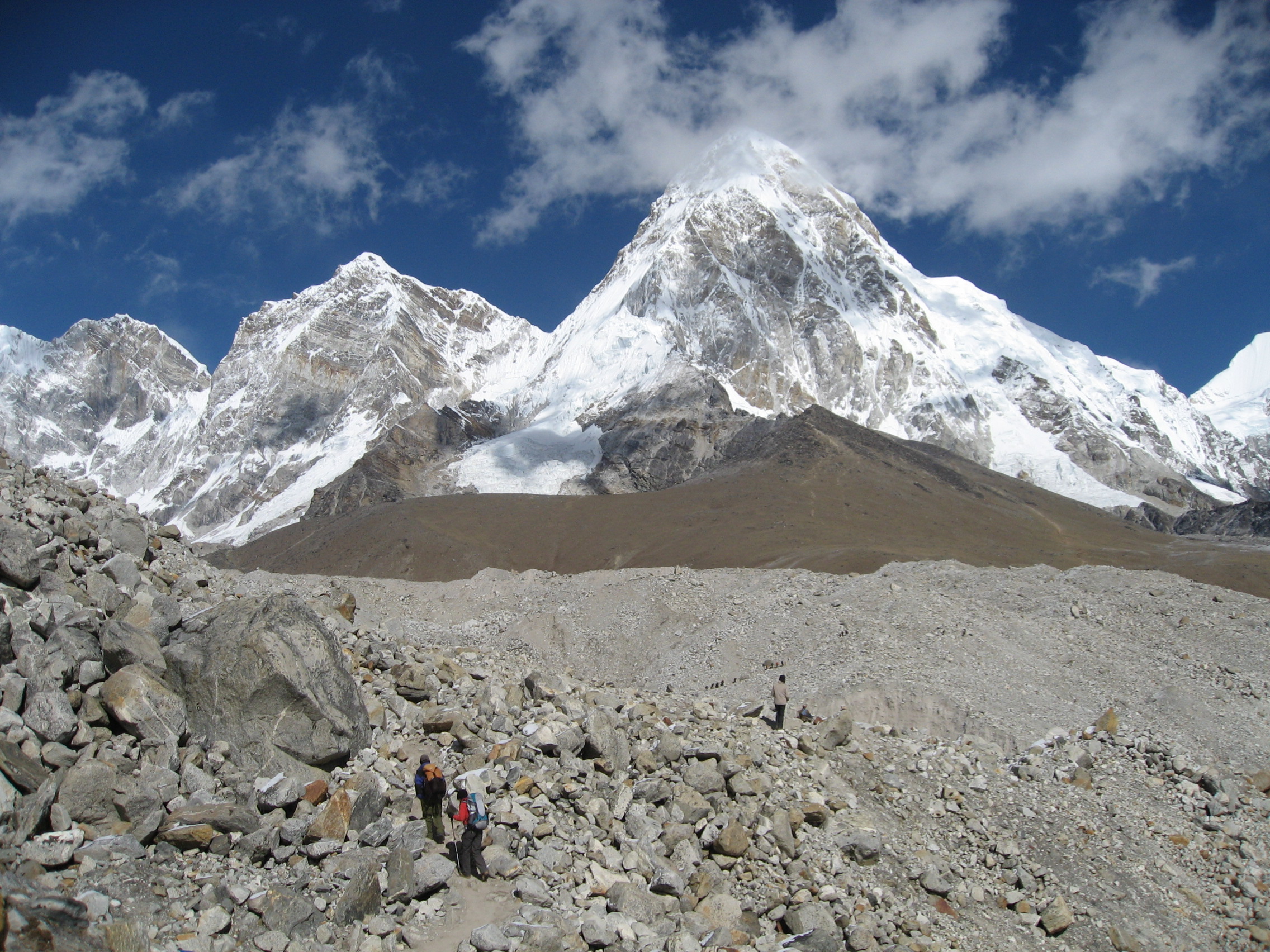
Underfoot, you won't find flat ground or soft trails waiting for you. Base Camp sits directly atop the Khumbu Glacier's shifting moraine, a jagged, uneven landscape of loose rock, ice, and boulders that constantly moves beneath the glacier's slow creep downhill. Walking across this terrain demands careful footing, and the ground itself looks nothing like the pristine snow-covered image many trekkers picture beforehand.
Temperature swings dramatically depending on sun exposure, with direct sunlight warming exposed rock enough to remove layers comfortably, while shaded areas or early mornings plunge well below freezing within minutes. Silence dominates the atmosphere outside climbing season, broken occasionally by distant avalanches or the groaning shift of glacial ice, creating an eerie stillness starkly different from the bustling, colorful tent villages seen in documentary footage during peak expedition months.
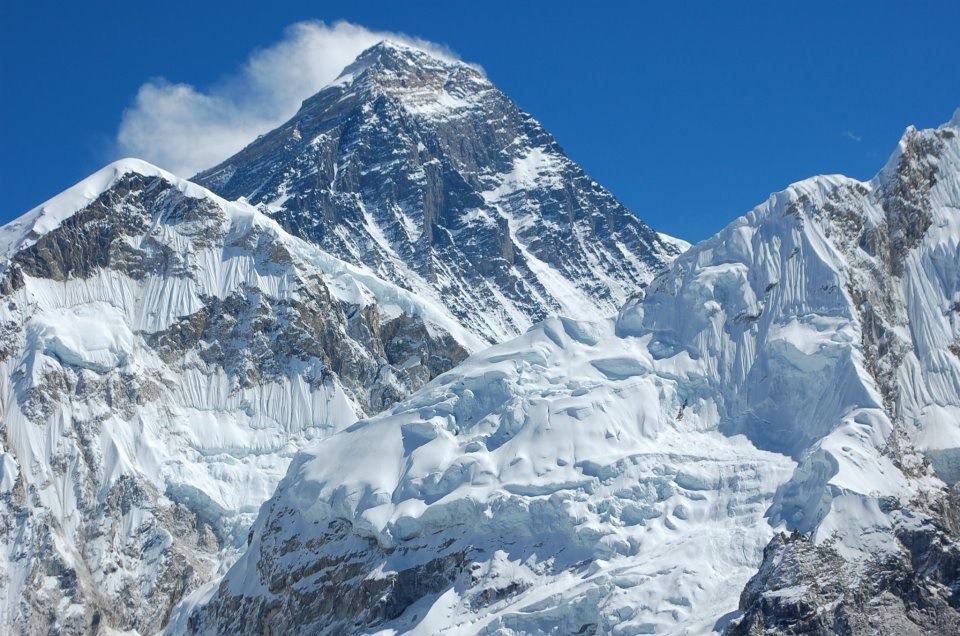
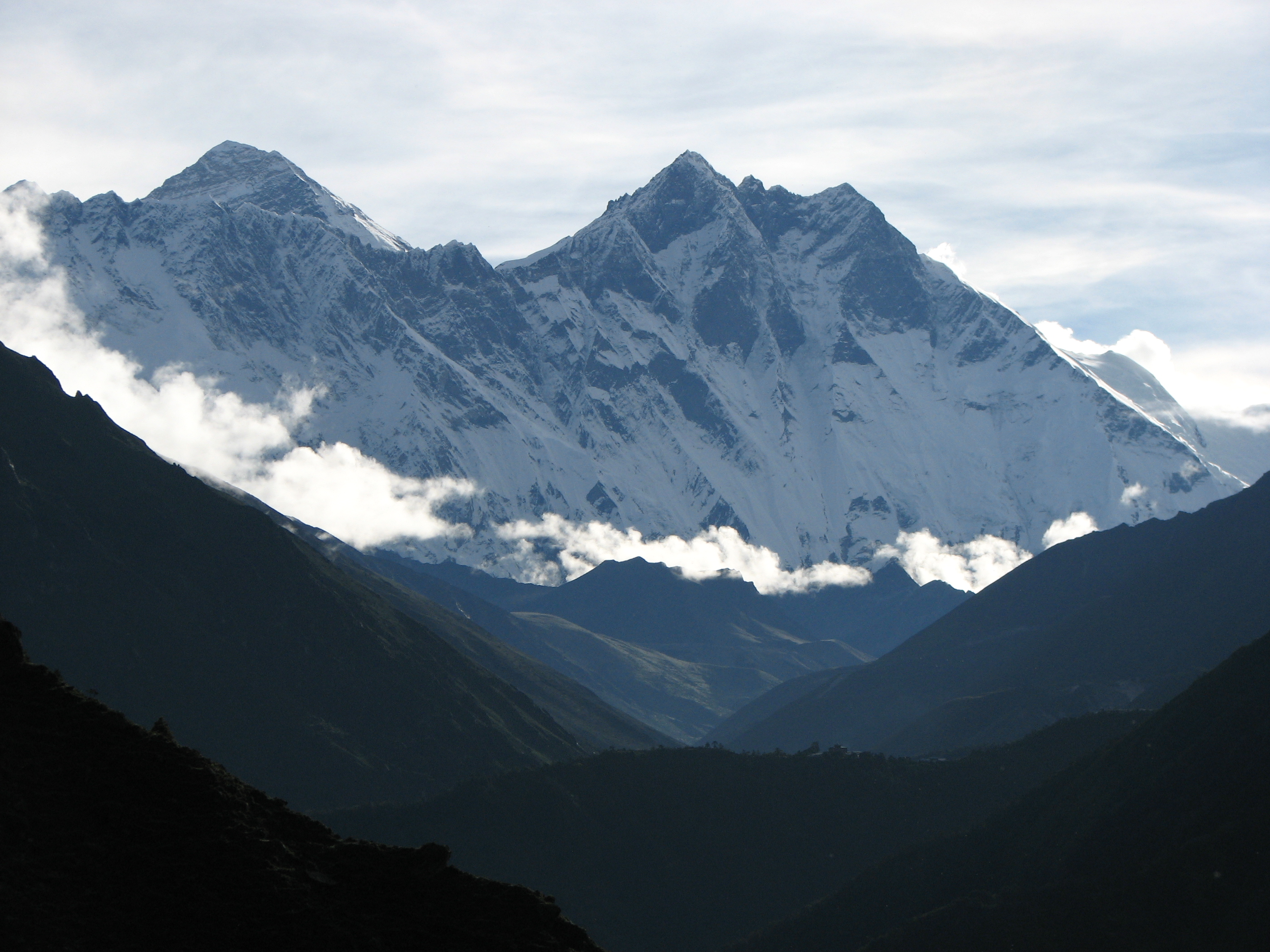
Perhaps most surprising, Everest's summit itself stays hidden from Base Camp, blocked by the towering wall of Nuptse rising directly in front of the camp. Trekkers expecting a dramatic, close-up mountain backdrop often find themselves looking instead at the intimidating, crevasse-laden Khumbu Icefall, the treacherous route climbers must navigate first during their summit attempts, making the view humbling rather than picture-perfect in the way most travelers imagine.
Everest Base Camp Trek Safety for Different Travelers
Everest Base Camp trek safety varies depending on who's making the journey, since solo women, seniors, families, and children each face distinct considerations beyond the trek's standard altitude and physical demands.
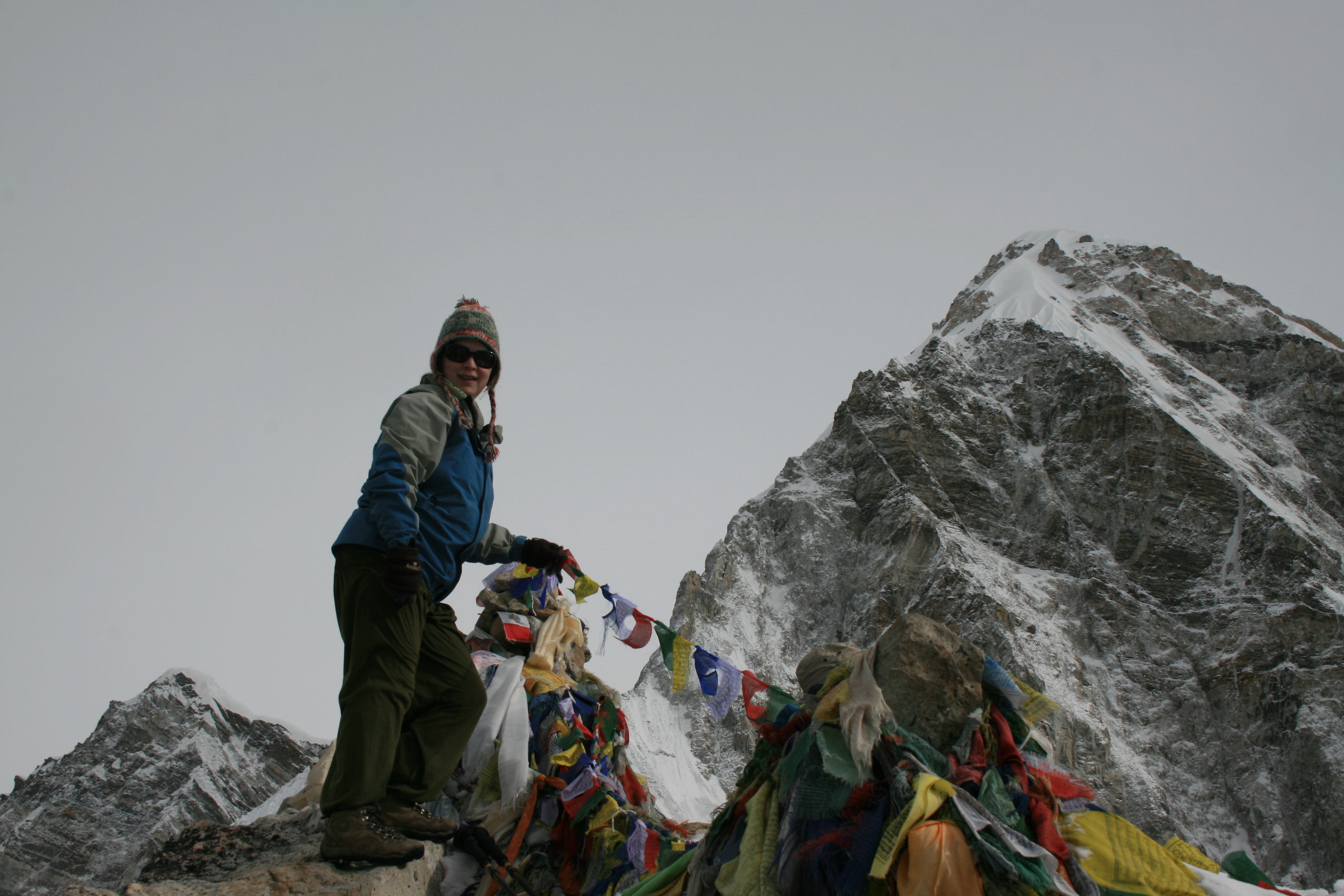
Solo female trekkers generally find the Everest region safe and welcoming, given Nepal's strong culture of hospitality and the mandatory guide requirement that ensures no one treks entirely alone. Sticking to well-established teahouses, trekking with a reputable licensed guide, and joining small group departures adds extra reassurance for women trekking independently for the first time.
Senior trekkers with reasonable fitness levels regularly complete the journey successfully, provided they choose itineraries with sufficient acclimatization days and avoid rushing the pace. Nepal Nomad's Everest Base Camp Trek for Seniors builds in extra rest days and a gentler daily walking pace specifically designed around older trekkers' needs, reducing physical strain without compromising the full Base Camp experience.
Families traveling with children face additional planning considerations, particularly around altitude tolerance and realistic daily walking expectations for younger trekkers. Nepal Nomad's Everest Base Camp Family Trek adjusts pacing, accommodation choices, and daily distances to suit family groups, making the journey achievable and enjoyable for trekkers of varying ages and stamina levels within the same group.
Across every traveler type, hiring an experienced, licensed guide remains the single most important safety factor. Guides monitor altitude sickness symptoms closely, adjust daily pacing when needed, and carry the local knowledge required to make quick, informed decisions during unpredictable weather or medical situations, giving every trekker, regardless of age, gender, or experience level, the best chance at a safe and successful journey to Base Camp.
Frequently Asked Questions About Everest Base Camp Location
Is Everest Base Camp in Nepal or Tibet?
Two separate base camps exist, one in Nepal at 5,364 meters and another in Tibet at approximately 5,150 meters. Most trekkers researching this question mean Nepal's South Base Camp, reached entirely on foot through the Khumbu region.
Can you see Mount Everest from Base Camp?
Surprisingly, Everest itself stays partially hidden from Base Camp due to surrounding peaks like Nuptse blocking direct views. Trekkers get their best unobstructed view of Everest's summit from nearby Kala Patthar instead, reached via a short hike above Gorak Shep.
How long does it take to reach Everest Base Camp from Kathmandu?
Standard guided treks take approximately eight to nine days to reach Base Camp from Lukla, with total trip duration including Kathmandu arrival and departure days stretching to twelve or fifteen days depending on your chosen itinerary.
Do you need special permits to reach Everest Base Camp?
Yes, every trekker needs a Sagarmatha National Park entry permit alongside a Khumbu Pasang Lhamu Rural Municipality permit, both checked at trail checkpoints near Monjo before entering the park.
Is Everest Base Camp accessible year-round?
Technically yes, though spring and autumn offer the most stable weather and clearest visibility. Winter months bring fewer crowds and colder temperatures, while monsoon season discourages trekking given heavy rainfall and obscured mountain views.
How difficult is the trek to Everest Base Camp?
Everest Base Camp trek falls into the moderate to challenging category, requiring solid cardiovascular fitness rather than technical climbing experience. Most healthy adults complete it successfully with proper acclimatization and physical preparation beforehand.
How much does it cost to reach Everest Base Camp?
A standard guided package typically ranges between $1,200 and $1,800 USD, covering flights, permits, accommodation, meals, and guide or porter services. Costs vary depending on itinerary length, season, and comfort level chosen.
Can beginners trek to Everest Base Camp?
Yes, complete trekking beginners regularly reach Base Camp each season, provided they build cardiovascular fitness beforehand and follow a properly paced itinerary that allows gradual acclimatization along the way.
What is the closest airport to Everest Base Camp?
Tenzing-Hillary Airport in Lukla serves as the closest airport, connected via a short domestic flight from Kathmandu. From Lukla, the remainder of the journey continues entirely on foot.
Your Everest Base Camp Journey Starts with Knowing Where It Begins
Everest Base Camp's exact location, elevation, and the journey required to reach it now sit clearly in your mind, replacing vague curiosity with concrete understanding of what awaits between Kathmandu and the foot of the world's highest mountain. Nepal's South Base Camp offers a walkable, deeply immersive path through Sherpa villages and dramatic Himalayan scenery, while alternative routes, seasons, and even helicopter access give you flexibility depending on your fitness level, available time, and personal travel goals.
Whether you're drawn to the physical challenge of a full trek, curious about the striking difference between Nepal and Tibet's base camps, or simply wanted clarity on exactly where this legendary destination sits on the map, your next step now feels far more concrete than it did before reading this guide. Solo travelers, families, seniors, and complete trekking beginners alike find their way to Base Camp each season, proving preparation and proper planning matter far more than any single physical limitation standing between you and this remarkable destination.
Nepal Nomad's experienced local guides handle every logistical detail of your journey, from permits and acclimatization pacing to choosing the itinerary variation that best suits your travel style. Reach out to Nepal Nomad and let your own path toward Everest Base Camp take shape, turning today's curiosity about location into tomorrow's genuine Himalayan adventure.